A 2023 study by the American Optometric Association found that over 75% of students experience eye strain when studying in poorly lit rooms. Good lighting does more than help you see—it boosts focus, prevents headaches, and even improves your mood. But with so many choices, picking the best lighting setup for your study room can be confusing. This guide will help you find the right study room lighting ideas, with clear steps, smart tips, and real-world examples so you can create the perfect environment for learning.
How Lighting Affects Study Performance
Lighting is more than just a lamp on your desk. It shapes your ability to concentrate, read, and remember information. Studies show that cool white light (4000–5000K) can improve alertness, while warm light (2700–3000K) is better for relaxing.
Stat: Students who use proper task lighting score up to 15% higher on memory tests compared to those who study under dim light.
Poor lighting can also cause blurry vision, fatigue, and lower motivation. Choosing the right lighting can help you stay productive for longer study sessions.
Types Of Study Room Lighting
You need a mix of ambient, task, and accent lighting for a comfortable study room. Each type serves a different purpose and can be combined for the best results.
Ambient Lighting
Ambient lighting is the main source of light in your room. It sets the tone and brightness level, making sure the whole space is well-lit. Common sources:
- Ceiling fixtures (LED panels, chandeliers)
- Wall-mounted lights
- Recessed lights
Choose LED bulbs with a brightness of 800–1500 lumens and a color temperature around 4000K for a balance between comfort and alertness.
Task Lighting
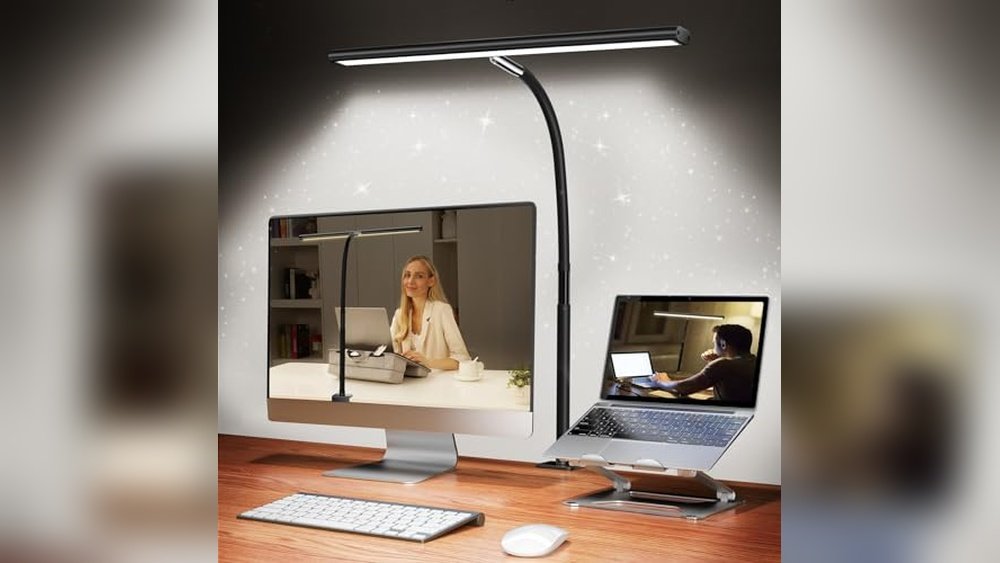
Task lighting targets your workspace—your desk or reading area. This lighting helps you see clearly when reading, writing, or using your computer.
- Desk lamps with adjustable necks
- Clamp-on lights for small desks
- Under-shelf lights for extra focus
Look for lamps with anti-glare shades and brightness controls.
Accent Lighting
Accent lighting adds style and comfort, reducing harsh shadows and eye strain. Examples include:
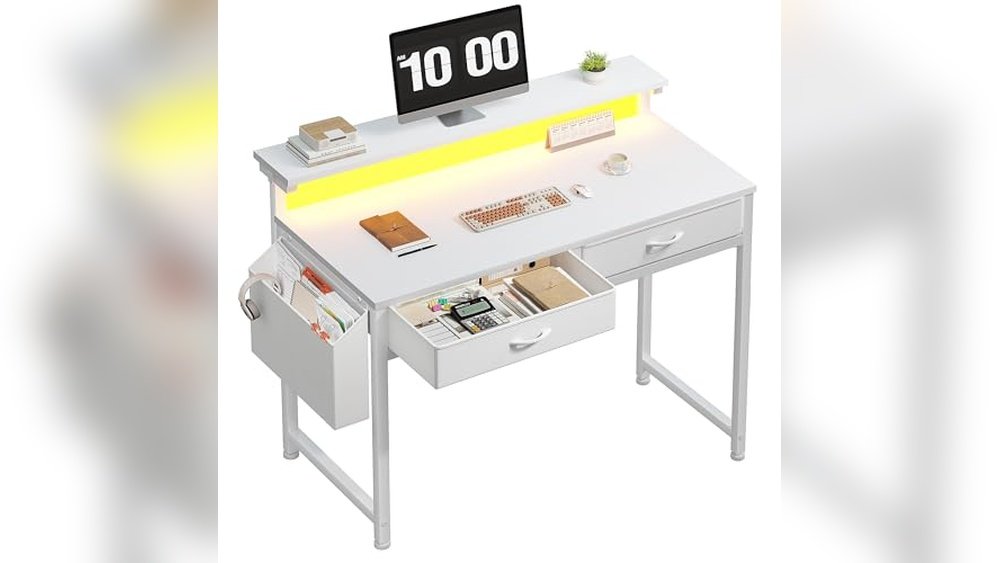
- LED strip lights behind your monitor
- Bookcase lighting
- Small spotlights for decor or plants
Accent lights should be softer (200–500 lumens) and placed away from your direct line of sight.
Credit: www.jaquar.com
Best Study Room Lighting Ideas (with Examples)
Let’s break down practical lighting ideas you can use, whether your budget is big or small.
1. Adjustable Led Desk Lamp
A flexible desk lamp is a must-have for every student. LED lamps are energy-efficient and last up to 25,000 hours. Choose one with:
- Dimmable brightness: Control light for reading or typing.
- Color temperature options: Switch between warm and cool.
- Adjustable arms: Point light exactly where needed.
*Example:* The TaoTronics LED Desk Lamp lets you change brightness and color with a touch, so you can use cool light for studying and warm light for relaxing.
2. Overhead Lighting With Diffusers
Ceiling lights should fill the room without being too harsh. Using diffusers (frosted glass, fabric covers) spreads light evenly and reduces glare.
- Pick LED ceiling panels for large rooms.
- Use pendant lights with wide shades for focused areas.
3. Natural Daylight
Whenever possible, use natural sunlight. Place your desk near a window for bright, even light. But avoid direct sun on screens, as this causes glare.
- Add light-colored curtains to soften sunlight.
- Use your window as the main light source during the day.
4. Wall-mounted Task Lights
If your desk space is limited, wall-mounted lamps save room and keep your surface tidy. Choose swing-arm models to move light as needed.
- Install above or beside your desk for focused lighting.
- Look for plug-in options if you can’t hardwire.
5. Under-shelf Or Under-cabinet Lighting
Attach LED strips or puck lights under shelves for shadow-free lighting. This is perfect for long desks or bookshelves.
- Stick-on models are easy to install and budget-friendly.
- Choose cool white LEDs for a clean look.
6. Smart Bulbs And Voice Control
Smart bulbs let you change brightness and color using your phone or voice. Brands like Philips Hue and Wyze Bulb are popular.
- Set schedules for study and break times.
- Use cool white for focus, warm white for relaxing.
7. Portable Clip-on Lights
Clip-on lamps are great for students who move between rooms or study on the go. They attach to desks, beds, or shelves.
- Rechargeable models work anywhere.
- Flexible necks let you direct light where you need it.
8. Monitor Light Bars
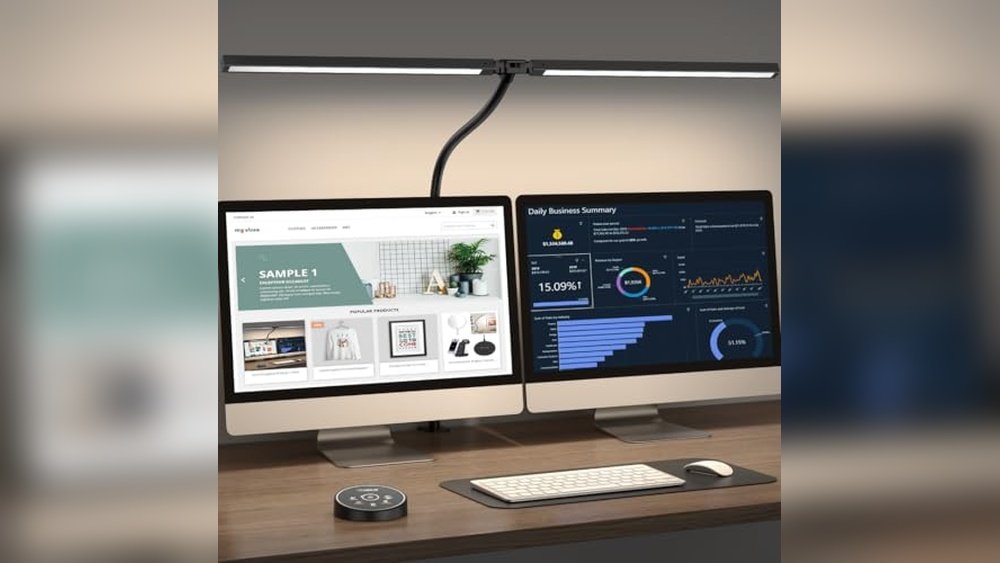
A light bar sits on top of your monitor, lighting your desk without shining on the screen. This reduces eye strain during long computer sessions.
- Look for models with auto-dimming.
- Some offer different color temperatures.
9. Floor Lamps With Adjustable Heads
For shared rooms, a tall floor lamp with an adjustable head lights up your space without bothering others.
- Place beside your desk or reading chair.
- Choose models with multiple brightness levels.
10. Color-changing Accent Lights
Accent lights in fun colors can make your study room more inviting. Use them for mood or as a nightlight.
- LED strips behind shelves or desks.
- Smart bulbs for easy color changes.
11. Blue Light Blocking Desk Lamps
Some lamps now feature filters or settings to reduce blue light, which can disrupt sleep if you study late.
- Use blue-blocking mode after sunset.
- Combine with screen filters for best results.
12. Built-in Usb Charging Lamps
A lamp with built-in USB ports lets you charge your phone or tablet without extra cords.
- Ideal for small desks.
- Keeps your study space organized.
13. Magnetic Light Panels
These panels snap together and stick to the wall, letting you build custom light shapes. Touch to turn on or change color.
- Combine as many as you like.
- Great for creative students.
14. Timer Or Motion Sensor Lights
Save energy and never forget to turn off the light. Timer and motion sensor lamps are smart for late-night study sessions.
- Set to turn off after you leave.
- Reduces power bills.
15. Lighting For Video Calls
If you have online classes, use a ring light or small softbox to look clear on camera.
- Place behind your monitor for even light.
- Adjustable color temperature helps you look your best.
Essential Vs Optional Lighting Features
Not all features are must-haves. Here’s a quick comparison:
| Feature | Essential | Optional |
|---|---|---|
| Dimmable brightness | ✔️ | |
| Color temperature control | ✔️ | |
| USB charging ports | ✔️ | |
| Smart controls (app/voice) | ✔️ | |
| Blue light filter | ✔️ | |
| Motion sensor | ✔️ |
Focus on brightness and color control first, then add extras if your budget allows.

Credit: www.lighting-one.com
Budget And Time Breakdown
Setting up great study lighting does not have to be expensive or time-consuming. Here’s a sample breakdown:
| Lighting Type | Cost Range (USD) | Setup Time |
|---|---|---|
| Basic LED desk lamp | $15–$40 | 5–10 min |
| Smart bulb | $10–$25 | 2–5 min |
| LED strip lights | $10–$30 | 10–20 min |
| Monitor light bar | $30–$60 | 5 min |
| Wall-mounted lamp | $20–$50 | 15–30 min |
You can upgrade your lighting in under 30 minutes with just $20–$50.
Mistakes To Avoid When Choosing Study Room Lighting
Many students make common mistakes that reduce lighting quality or waste money. Here’s what to watch for:
- Using only one light source: Causes uneven light and shadows.
- Ignoring color temperature: Using warm light for studying reduces focus.
- Placing lights behind your head: Creates shadows on your work.
- Buying the brightest bulb: Too much brightness causes glare and headaches.
- Not considering eye level: Lamps should light your workspace, not shine in your eyes.
Pro Tip: Position your main lamp on the opposite side of your writing hand to avoid casting shadows.
Do’s And Don’ts Table
Get the basics right with these do’s and don’ts:
| Do | Don’t |
|---|---|
| Use layered lighting (ambient + task) | Rely only on ceiling lights |
| Choose LED for energy savings | Use old incandescent bulbs |
| Adjust color temperature for tasks | Keep light too warm or too cold |
| Place desk near a window | Ignore natural light |
| Check for flicker-free bulbs | Buy cheap, low-quality bulbs |
Quick Start: Setting Up Your Study Lighting
- Pick your main light: Overhead LED or ceiling fixture with a diffuser.
- Add a task lamp: Adjustable LED desk lamp with dimming.
- Use natural light: Place desk near a window if possible.
- Try accent lights: Add strips or bookcase lights for comfort.
- Adjust and test: Sit at your desk and check for glare or shadows.

Credit: www.bibliotecaoscura.com
Resource Summary
For more lighting ideas and health tips, check out this Architectural Lighting article on how light affects student performance.
Frequently Asked Questions
What Is The Best Color Temperature For Study Room Lighting?
The best color temperature is 4000–5000K (cool white). This range keeps you alert and focused without being too harsh or too soft.
How Bright Should A Study Room Be?
Aim for 800–1500 lumens for your main light and 400–800 lumens for your desk lamp. This ensures your room is bright enough without causing glare.
Is Led Lighting Safe For Studying?
Yes, LED lights are safe, energy-efficient, and long-lasting. Look for flicker-free and high CRI (>80) models to protect your eyes.
Can I Use Colored Lights In My Study Room?
You can use colored accent lights for mood, but stick to cool white for your main study tasks. Too much color can reduce focus.
Should I Avoid Blue Light At Night?
Yes, use blue light filters or switch to warm light after sunset to avoid disturbing your sleep cycle.
Creating the ideal study room lighting is easier than you think. By using the right mix of lights, you can stay productive, protect your eyes, and enjoy your study space every day. Small changes in lighting can make a big difference in your grades and well-being—start experimenting and find what works best for you!