
Staying motivated in online classes can be tough, but you’re not alone. A 2023 survey from the National Center for Education Statistics found that over 40% of online learners struggle with motivation halfway through their courses. With more students turning to digital classrooms for flexibility and convenience, keeping your drive strong is now more important than ever. If you’ve ever felt your energy drop or your focus slip, this guide will show you exactly how to stay on track—and maybe even enjoy the ride.
Why Motivation Drops In Online Classes
Online classes offer freedom and flexibility, but these benefits can hide big challenges. Without a teacher in the room, it’s easy to get distracted or feel lost. Many students miss the social connections of in-person learning. Others get overwhelmed by the amount of self-discipline needed. If you recognize these feelings, you’re not failing—these are common, and there are proven ways to overcome them.
There’s also a unique pressure in online classes: you must manage your own time and keep yourself accountable. For example, you might have family members at home, or other responsibilities that easily pull your attention away. Some students feel “out of sight, out of mind,” so deadlines sneak up and motivation drops. Also, the lack of instant feedback from teachers can make it harder to know if you’re on the right track. It’s important to understand that these are not personal weaknesses; they are challenges almost everyone faces in the online environment.
10 Actionable Steps To Stay Motivated In Online Classes
1. Set Clear, Achievable Goals
Start each course by writing down your main goals. Make them specific and realistic. For example, instead of “do well in math,” try “finish every assignment on time and score at least 80% on each test.” Break big goals into smaller steps, so you can celebrate progress along the way.
If you’re taking several classes at once, set separate goals for each subject. For instance, “Read one chapter of history every Monday” or “Complete science lab reports by Friday. ” When you achieve a small goal, pause and recognize your success.
This builds confidence and keeps you moving forward. Remember, goals can change—review and adjust them if you find something isn’t working.
2. Create A Dedicated Study Space
Find a place where you can study with few distractions. This could be a quiet corner of your home, a library, or even a café with Wi-Fi. Keep your study spot tidy and have all your materials ready. Studies show that a dedicated space can boost focus by 25%.
Add personal touches to your study area: a small plant, a motivational quote, or a comfortable chair can make it inviting. Make sure the lighting is good—dim light can make you sleepy. If noise is a problem, try noise-canceling headphones or play soft background music. Some students use the same spot every day to train their brains to switch into “study mode” when they sit down.
3. Stick To A Consistent Schedule
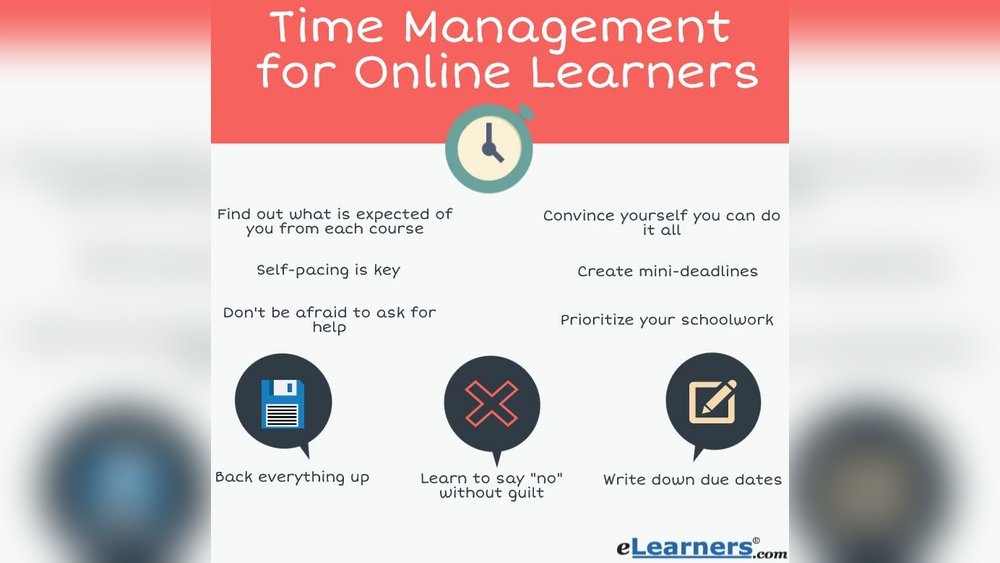
Online learning lets you choose when to study, but having a routine helps your brain stay in “school mode. ” Use a calendar or app to block out study times. Try to study at the same times each day. Setting alarms or reminders can keep you on track.
Think about your energy levels. Are you more alert in the morning or evening? Schedule your most challenging tasks when you’re at your best. If your life is busy, even short, regular sessions—like 30 minutes after dinner—can make a big difference.
Over time, your schedule becomes a habit, making it easier to start each session without thinking twice.
4. Use The Pomodoro Technique
The Pomodoro Technique means studying for 25 minutes, then taking a 5-minute break. After four rounds, take a longer break (15–30 minutes). This method keeps your mind fresh and helps you avoid burnout.
Many apps and timers are designed for Pomodoro, but a simple kitchen timer works too. During breaks, stand up and stretch, drink water, or do something relaxing—not social media, which can eat up your time. After a few cycles, you’ll notice you get more done with less stress.
If 25 minutes feels too long at first, try 15 or 20 minutes and build up as your focus improves.
5. Connect With Classmates
Join online discussion boards, study groups, or video calls. Sharing ideas and questions with others makes learning feel less lonely and more fun. If possible, form a small study group that meets every week.
Don’t wait for others to reach out. Post a question in a forum or suggest a group chat. Many students are shy, but someone has to take the first step. You might find classmates who share your interests or study methods.
These connections can also be helpful if you miss a class or need notes. Over time, studying with others can give you a sense of community and support.
6. Reward Yourself For Progress
Celebrate when you finish a tough assignment or reach a milestone. Rewards don’t have to be big—a cup of coffee, an episode of your favorite show, or a walk outside. These small treats help train your brain to associate study with positive feelings.
Try to match rewards with the effort. For example, after a long exam, do something special, like ordering your favorite meal. For smaller tasks, a quick game or a call with a friend can work. The key is to give yourself permission to pause and enjoy the progress you’ve made.
Over time, you’ll look forward to these rewards, which can help you start work even on days when you’re not feeling motivated.
7. Limit Distractions
Turn off notifications on your phone or computer. Tell family or roommates your study times, so they don’t interrupt. Some students use apps that block social media during study sessions.
If you’re easily distracted by noise, try listening to white noise or instrumental music. Keep only what you need on your desk—remove anything unrelated to your class. If you find yourself losing focus, write down the distraction on a notepad and promise to look at it after your session.
This helps you manage your attention without losing important thoughts.
8. Stay Organized With To-do Lists
Write a daily list of tasks. Cross off each item as you finish it. This simple act gives a clear sense of progress and reduces stress. Digital tools like Trello or Google Keep can help, or just use pen and paper.
Prioritize your list so the most important tasks come first. If you can’t finish everything, move incomplete items to the next day. At the end of the week, review what you accomplished and adjust your plan if needed. This process helps you see your growth and keeps you from feeling overwhelmed by a mountain of work.
9. Ask For Help When Needed
Don’t wait until you’re completely stuck. Reach out to your teacher, classmates, or online forums when you have questions. Most instructors expect questions and are happy to help.
Sometimes, even just explaining your problem to someone else helps you see a solution. If you’re worried about asking in public, send a private message or email. Many online classes have extra resources, like recorded lectures or office hours—take advantage of them.
Remember, seeking help is a sign of commitment, not weakness.
10. Take Care Of Your Body
Eat healthy food, get enough sleep, and exercise regularly. Physical health has a big effect on your ability to focus and stay motivated. Even a short walk can improve your mood and energy.
If you sit for long periods, stand up and stretch every hour. Drink water instead of sugary drinks to keep your brain sharp. Try to go to bed and wake up at the same time each day—good sleep is linked to better memory and motivation.
Don’t skip meals, especially breakfast, which fuels your brain for learning.

Credit: cambridgeschoolonline.com
Common Mistakes And How To Avoid Them
Online learners often make a few key mistakes that can hurt motivation. Knowing these can help you avoid them.
| Mistake | How to Avoid |
|---|---|
| Waiting until the last minute | Start assignments early; break tasks into small steps |
| Ignoring deadlines | Use a planner to track all due dates |
| Studying in bed or noisy places | Pick a quiet, dedicated study spot |
| Trying to multitask | Focus on one task at a time |
| Skipping breaks | Use techniques like Pomodoro for rest and recharge |
A mistake many students make is thinking they can “catch up” later, but this often leads to stress and lower grades. Another is believing that multitasking saves time, when in reality it often results in mistakes and more time spent fixing them.
By being aware of these traps, you can set up routines and habits that keep you on track.
Real Techniques That Work: Examples From Students
Many students have found creative ways to stay motivated. For example, Li Na, an engineering student, uses a color-coded calendar to organize her weekly tasks. She says seeing her progress in different colors makes her feel proud and keeps her moving forward.
Carlos, a part-time worker, keeps his phone in another room while studying. He noticed he gets 30% more done without the temptation to check messages.
Another example is Sara, who sets up a reward jar. Every time she finishes a module, she puts a small note or a treat inside. At the end of the semester, she enjoys reading her notes and celebrating her effort. Ravi, a language learner, records himself reading new words and listens during walks—making study time double as exercise. These approaches show that small changes, matched to your personality, can boost motivation in surprising ways.
Do’s And Don’ts For Online Learning Motivation
Here’s a quick guide you can refer to often.
| Do | Don’t |
|---|---|
| Set clear, small goals | Set only vague, big goals |
| Take regular breaks | Study for hours without stopping |
| Connect with classmates | Study in total isolation |
| Reward your progress | Ignore your achievements |
| Stay organized | Leave tasks until the last minute |
A helpful tip is to print or screenshot this table and keep it near your study space. Reading it regularly reminds you of positive habits and keeps you from sliding into common mistakes.
Pro Tips For Long-term Success
- Mix up your routine: Change your study location or order of tasks sometimes to keep things fresh.
- Use visuals: Mind maps or charts can help you see connections between ideas.
- Practice self-talk: Remind yourself why you started and what you want to achieve.
- Track your progress: Regularly review what you’ve accomplished and adjust your plan if needed.
Another useful idea is to set a “study ritual”—a short routine that signals it’s time to start, like making tea or listening to a favorite song. For big goals, break them down and reward yourself at each step. If you ever lose motivation, look back at what you’ve completed so far.
Seeing evidence of your hard work is powerful.
Don’t forget to review your strategies every few weeks. Ask yourself: What’s working? What needs to change? Being flexible helps you keep moving, even if things get tough.

Credit: acu.edu
Myth Vs Fact: Online Motivation
Many myths can make students feel worse about online learning. Let’s set the record straight.
| Myth | Fact |
|---|---|
| Online classes are easier than in-person classes | They often require more self-motivation and time management skills |
| It’s fine to multitask while watching lectures | Multitasking reduces retention and slows learning |
| Motivation is only about willpower | Good habits, environment, and support are equally important |
| Breaks are a waste of time | Short breaks boost focus and productivity |
One more myth is that “everyone else is doing fine. ” The truth is, almost every student struggles with motivation at some point. Sharing your experience and learning from others can help you see you’re not alone.
Key Takeaways
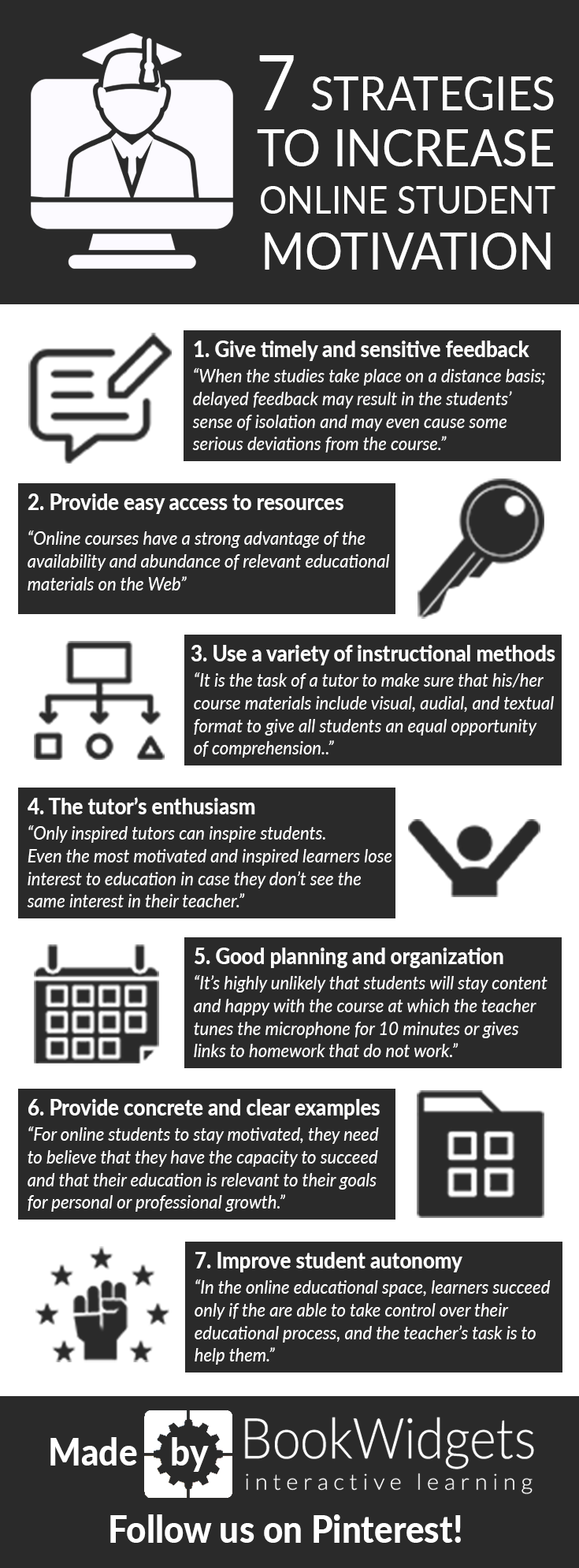
Remember: Staying motivated in online classes is a skill you can build. Set clear goals, keep a routine, connect with others, and reward your progress. Even small changes can make a big difference over time.
Credit: www.bookwidgets.com
Frequently Asked Questions
How Can I Stop Procrastinating In Online Classes?
Break work into small pieces and start with the easiest task. Use timers like Pomodoro and remove distractions (put your phone in another room). Set early deadlines for yourself.
If you struggle to start, try a “five-minute rule”—tell yourself to work for just five minutes. Often, starting is the hardest part; once you begin, it’s easier to keep going.
What Are Some Good Apps For Staying Organized In Online Learning?
Apps like Trello, Google Keep, and Todoist help manage tasks. For blocking distractions, try Forest or Freedom.
You can also use your phone’s built-in calendar and reminders for deadlines. Explore each app’s features to find what fits your learning style.
How Do I Make Online Learning Less Lonely?
Join discussion boards, virtual study groups, or class chats. Some platforms have clubs or interest groups where you can meet people.
Consider finding an accountability partner—a friend or classmate you check in with weekly. Sharing challenges and successes makes the journey feel shared.
How Much Time Should I Spend Studying For Online Classes Each Day?
Experts recommend 2–3 hours per credit hour per week. For a typical class, that’s 6–9 hours per week. Find a schedule that fits your life and energy.
Remember, quality is more important than quantity. Focused study in short sessions can be more effective than hours of distracted work.
Where Can I Find More Tips And Research On Online Learning Motivation?
Read trusted education sites like Edutopia for more guidance and strategies.
Staying motivated in online classes takes practice, but with these steps and tools, you can succeed—and even enjoy your learning journey. Every small action you take brings you closer to your goals.