
Being a college student means learning, growing, and—let’s be honest—watching every dollar. Here’s a number that might surprise you: The average U.S. student spends $1,200 a year on textbooks alone, and the total cost of living and studying can easily top $25,000 per year. Saving money isn’t just smart—it’s survival. But with so many expenses, how do you actually spend less without missing out? Let’s break down the real, practical ways you can save money as a college student, backed by real numbers, examples, and expert tactics.
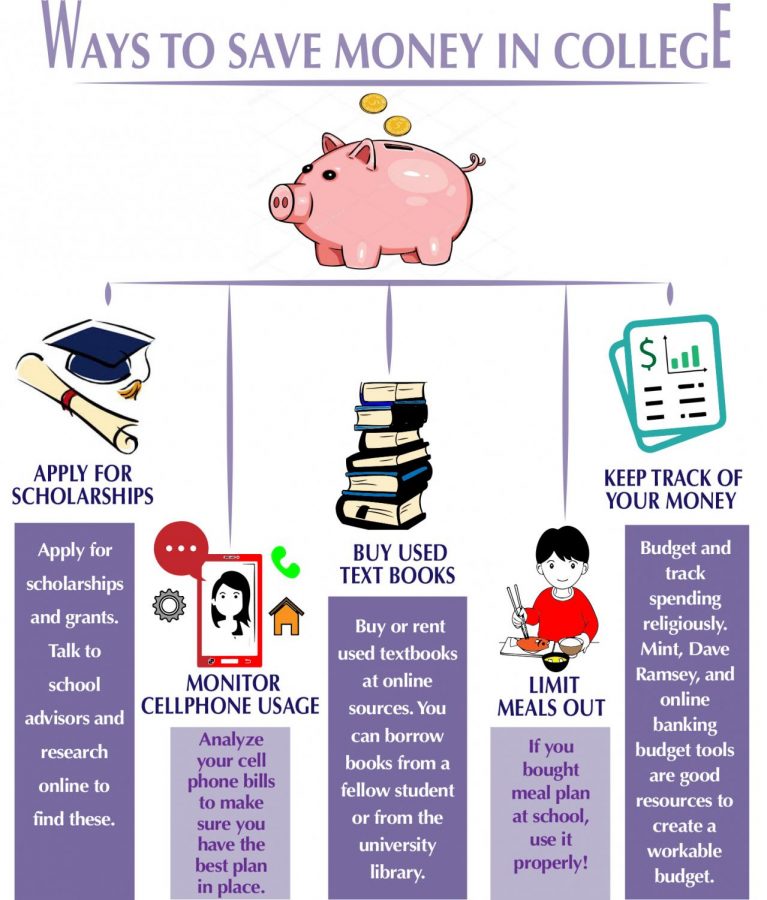
Master The Art Of Budgeting
Most students skip budgeting because it feels boring or confusing. But a simple budget is your secret weapon.
- Track every expense: Use free tools like Mint, YNAB, or even a notebook. Write down everything: coffee, rideshares, even small snacks.
- Set spending limits: Based on your income (job, allowance, scholarships), decide how much you can spend weekly on food, transport, and fun.
- Review monthly: Once a month, compare your actual spending to your plan. Adjust as needed.
Pro tip: Always budget for emergencies—even $10 a month can help.
Stat: Students who track spending save 35% more than those who don’t.
Cut Down On Textbook Costs
Textbooks are a wallet-killer. But you have options:
- Buy used: Check campus boards, Amazon, or local stores.
- Rent: Websites like Chegg offer semester-long rentals for a fraction of the price.
- Digital versions: E-books are often 50% cheaper.
- Share or swap: Split a book with a classmate or join a textbook exchange group.
Textbook Cost Comparison
| Option | Average Cost (per book) | Savings vs New |
|---|---|---|
| New | $120 | — |
| Used | $60 | 50% |
| Rental | $35 | 70% |
| E-Book | $40 | 67% |
Common mistake: Buying every textbook before classes start. Wait to see if you truly need it.
Score Student Discounts Everywhere
Your student ID is a gold mine. Flash it for deals on food, shopping, tech, travel, and more.
- Streaming: Spotify, Apple Music, and Hulu offer student plans.
- Software: Microsoft Office and Adobe Creative Cloud have big discounts.
- Retail: Many clothing stores, movie theaters, and restaurants slash prices for students.
Example: Save 10%–50% at brands like Apple, Nike, and Amazon.
Tip: Always ask if a student discount is available—even if it’s not advertised.
Find Affordable Housing
Housing is usually your biggest cost. Here’s how to save:
- Roommates: Sharing means splitting rent and utilities.
- Live farther: Apartments away from campus are often cheaper, even after transit costs.
- On-campus: Sometimes, dorms include meals and utilities, making total costs lower.
Housing Cost Breakdown
| Housing Type | Average Monthly Cost | Includes Utilities? |
|---|---|---|
| On-campus Dorm | $900 | Yes |
| Off-campus (shared) | $600 | No |
| Off-campus (solo) | $1,200 | No |
Pro tip: Always compare total costs, including furniture, internet, and transport.

Credit: www.collegedata.com
Eat Smart And Save
Food is a daily cost, but small changes add up.
- Cook at home: Making your own meals can cut your food bill by 50% or more.
- Meal prep: Plan and cook food for the week in advance.
- Campus meal plans: Sometimes cheaper than eating out, but only if you use them fully.
- Skip the coffee shop: Brew your own for $0.30 vs $3.50 per cup.
Example: Bringing lunch just twice a week can save $50–$80 a month.
Warning: Buying groceries but never using them is a top way students waste money. Only buy what you’ll eat.
Use Public Transport Or Bike
Owning a car is expensive—think gas, insurance, parking, and repairs.
- Student passes: Many cities offer cheap or free public transit for students.
- Bike: One-time cost, no fuel, and good exercise.
- Walk: Great for short distances and saves every penny.
Stat: The average student spends over $2,000 per year on car expenses. Public transit can cost as little as $300–$500 per year.
Limit Credit Card Use
Credit cards are helpful but risky. It’s easy to overspend and get stuck with high interest.
- Use only for emergencies: Don’t treat it like free money.
- Pay in full: Always pay your balance to avoid interest.
- Monitor your credit: Free apps like Credit Karma can help.
Common mistake: Making only minimum payments. This leads to big interest over time.
Work Part-time (but Wisely)
A part-time job brings extra cash—but balance is key.
- On-campus jobs: Flexible schedules and often tax benefits.
- Freelancing: Use skills like writing, tutoring, or design for online gigs.
- Gig economy: Apps like UberEats or TaskRabbit offer flexible hours.
Pro tip: Never let a job hurt your grades. Limit work to 10–15 hours per week if possible.
Apply For Scholarships And Grants
Free money is the best kind of money. Many students miss out because they don’t apply.
- Start with your school: Most colleges offer their own scholarships.
- Search online: Use sites like Fastweb or your country’s government portal.
- Reapply annually: Many scholarships are given every year.
Example: Even a $500 award can cover a month’s rent or books.
Buy Secondhand Whenever Possible
Why pay full price? Used goods are everywhere.
- Furniture: Check Craigslist, Facebook Marketplace, or campus sales.
- Clothing: Thrift stores and online apps (like Depop) offer big savings.
- Electronics: Buy refurbished laptops or phones.
Pro tip: Test used electronics before buying and check return policies.

Credit: www.ramseysolutions.com
Avoid Unnecessary Fees
Bank fees, late fees, and penalties add up fast.
- Choose student accounts: Many banks offer no-fee checking and savings.
- Pay bills on time: Use reminders or autopay.
- Return library books: Avoid fines by setting calendar alerts.
Example: Avoiding just $10/month in fees saves $120/year.
Make The Most Of Campus Resources
Universities offer free or low-cost services:
- Gyms: Campus facilities are usually included in your fees.
- Printing: Many libraries offer a free print quota.
- Tutoring and counseling: Get academic or mental health help without extra cost.
- Events: Free food, entertainment, and giveaways are common at campus events.
Non-obvious insight: Many students pay for off-campus gyms or services they already have access to for free.
Socialize On A Budget
Having fun doesn’t have to be expensive.
- Attend free campus events: Concerts, movie nights, and club meetings.
- Host potlucks: Everyone brings a dish—cheaper and more fun than eating out.
- Explore nature: Parks, hiking, or beach days often cost nothing.
Example: A movie night at home costs $2–$5 per person versus $15+ at the theater.
Avoid These Common Mistakes
Learning from others’ errors can save you hundreds.
Top Money Mistakes Students Make
| Don’t | Do Instead |
|---|---|
| Ignore small purchases | Track every expense, even coffee |
| Buy every textbook new | Wait and buy used or rent |
| Eat out daily | Cook simple meals at home |
| Miss scholarship deadlines | Set reminders and apply early |
Pro Tips For Saving Even More
- Unsubscribe from marketing emails: Fewer temptations to spend.
- Use cash for fun money: Withdraw your weekly budget and don’t overspend.
- Share streaming accounts: Split costs with roommates or friends.
- Negotiate bills: Call your phone or internet provider to ask for student rates.
Expert Insight: Students who automate savings—even just $5/week—are 2x more likely to build an emergency fund.
Actionable Steps To Start Saving Now
- Set up a budget today—don’t wait.
- List all current expenses and find at least one thing to cut.
- Apply for at least one scholarship this month.
- Ask for a student discount the next time you shop.
- Invite friends for a potluck instead of eating out.
Each small change builds habits that help you graduate with less debt and more freedom.
For more information about college finances, check out NASFAA’s financial aid resources.
Credit: ulmhawkeyeonline.com
Frequently Asked Questions
How Much Should I Budget For Food Each Month As A College Student?
Most students spend $200–$400 per month on food. Cooking at home and meal prepping can bring this closer to $150, while eating out often can push it above $400.
What Are The Best Student Discounts To Use?
Popular discounts include Spotify Premium, Amazon Prime Student, Apple Education Store, and local transit passes. Always check with local shops and online services for student rates.
Should I Live On-campus Or Off-campus To Save Money?
It depends. On-campus may be cheaper if it includes meals and utilities. Off-campus with roommates can be less expensive, but don’t forget to add up all extra costs like commuting and internet.
Is It Worth Getting A Meal Plan?
Meal plans can save money if you use them fully and don’t waste meals. If you prefer cooking or eat irregularly, shopping for your own groceries may be cheaper.
How Can I Find Scholarships That Fit Me?
Start with your school’s financial aid office. Then use scholarship search engines and local community organizations. Apply for both big and small awards—small ones are less competitive and still help.
Saving money as a college student isn’t about missing out—it’s about making smart choices that let you enjoy life now and after graduation. Build these habits and you’ll be ahead of the game.