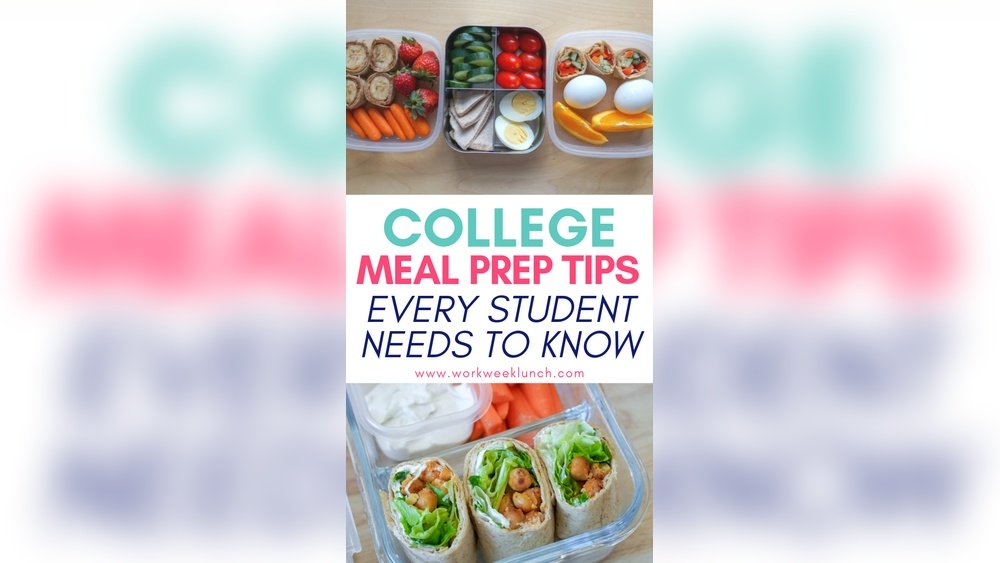
Every year, over 80% of college students say they want to eat healthier but feel limited by time, money, or kitchen skills. With classes, assignments, and a social life, it’s easy to grab fast food or skip meals. But meal prepping—planning and preparing your food in advance—lets you save money, eat better, and spend less time stressing about your next meal. Whether you live in a dorm or a shared apartment, smart meal prep can be your secret weapon for staying healthy and on budget.
Why Meal Prep Works For College Students
Meal prep is more than just a trend. It’s a proven way to eat healthier, cut costs, and avoid food waste. When you prep meals ahead, you control ingredients and portions, which helps you avoid late-night snacks or unhealthy campus options. Research shows students who prepare meals at home eat 40% fewer calories from sugar and fat compared to those who don’t.
Benefits Of Meal Prep
- Saves money by reducing takeout and impulse buys.
- Reduces stress because you know what you’ll eat all week.
- Boosts nutrition since you pick healthy ingredients.
- Saves time: Cook once, eat for days.
Stat: According to the National Institutes of Health, meal prepping is linked to better diet quality and lower risk of obesity in young adults.
Essential Meal Prep Strategies For College Students
Let’s break down the most effective meal prep strategies so you can start fast—even if you have no cooking experience.
1. Batch Cooking
Cook large amounts of one dish (like chili, rice, or pasta) and portion it for the week. This saves time and makes it easy to grab a meal on busy days.
2. Mix-and-match Ingredients
Prep separate ingredients—grilled chicken, roasted veggies, cooked grains—then mix them into different meals (bowl, wrap, salad). This keeps things interesting.
3. One-pan Or One-pot Meals
Use recipes where everything cooks together. Think sheet pan dinners, stir-fries, or slow-cooker stews. Less cleanup, less hassle.
4. Prep Breakfasts And Snacks
Mornings are hectic. Pre-make overnight oats, egg muffins, or yogurt parfaits. Prep snack bags with nuts, fruit, or veggies for quick grabs between classes.
5. Freezer-friendly Meals
Make double portions and freeze half. Dishes like soups, burritos, and curries freeze well and taste fresh when reheated.
Pro tip: Label containers with the date and meal name. It prevents mystery meals and food waste!
Best Meal Prep Ideas For College Students
These meal ideas are budget-friendly, easy, and require little kitchen equipment.
Overnight Oats
- Combine ½ cup oats, 1 cup milk, and fruit in a jar.
- Add seeds or nuts for protein.
- Store in the fridge overnight. Ready to eat in the morning.
Mason Jar Salads
- Layer in a jar: Dressing, protein (beans or chicken), veggies, greens.
- Shake before eating.
- Stay fresh for up to 4 days.
Burrito Bowls
- Cook rice or quinoa.
- Add black beans, roasted veggies, salsa, and shredded cheese.
- Top with avocado or Greek yogurt.
Sheet Pan Chicken And Veggies
- Place cut chicken breast and veggies (like broccoli, peppers) on a sheet pan.
- Drizzle with olive oil, season with salt and pepper.
- Bake at 400°F (200°C) for 20-25 minutes.
Egg Muffins
- Whisk 6 eggs, pour into a muffin tin.
- Add diced veggies, cheese, or cooked sausage.
- Bake at 350°F (175°C) for 20 minutes.
- Store in fridge, reheat for quick breakfasts.
Pasta Primavera
- Cook pasta and toss with sautéed veggies (zucchini, bell peppers, spinach).
- Add jarred sauce or olive oil.
- Portion into containers.
Stir-fry With Rice
- Sauté mixed frozen vegetables and protein (chicken, tofu).
- Add soy sauce, ginger, and cooked rice.
- Makes 3-4 servings.
Diy Wraps
- Use tortillas, fill with hummus, turkey, lettuce, tomato.
- Roll and store in foil. Good for grab-and-go lunches.
Greek Yogurt Parfaits
- Layer Greek yogurt, fruit, and granola in containers.
- Sweet, filling, and protein-rich.
Freezer-friendly Breakfast Burritos
- Scramble eggs, add cooked veggies and cheese.
- Wrap in tortillas, freeze.
- Microwave for 1-2 minutes before eating.
Table: Meal Prep Ideas By Cooking Skill Level
Below you’ll find a handy guide for which meal preps suit your kitchen confidence.
| Meal Idea | Skill Level | Prep Time | Equipment Needed |
|---|---|---|---|
| Overnight Oats | Beginner | 5 min | Jar, Spoon |
| Sheet Pan Chicken | Intermediate | 30 min | Oven, Sheet Pan |
| Stir-Fry with Rice | Beginner | 20 min | Stove, Pan |
| Egg Muffins | Intermediate | 25 min | Oven, Muffin Tin |
| Greek Yogurt Parfaits | Beginner | 5 min | Container, Spoon |
How To Organize Meal Prep In A Small Space
Many students have tiny kitchens (or none!). Here’s how to make the most of what you have.
Use Multi-use Containers
Invest in a few microwave-safe, stackable containers. They save space and make reheating easy.
Shop Smart
Pick ingredients that work in several recipes (like rice, beans, chicken, eggs, spinach). This cuts costs and food waste.
Plan Before Shopping
Make a shopping list for the week’s meals. Avoid buying extras you won’t use.
Store Meals Clearly
Label each container with the meal and date. This avoids confusion and helps track freshness.
Warning: Don’t leave prepped meals in the fridge for more than 4 days. Freeze extras if needed.
Mistakes To Avoid With College Meal Prep
Even the best plans can go wrong. Avoid these common errors:
- Making too much: If you prep more than you can eat, food goes bad.
- Not storing properly: Use airtight containers to keep meals fresh.
- Skipping variety: Eating the same thing all week can get boring. Mix flavors, sauces, and sides.
- Ignoring portion sizes: Overfilling containers can make meals soggy or cause waste.
- Forgetting snacks: Prep healthy snacks so you don’t grab junk food between classes.
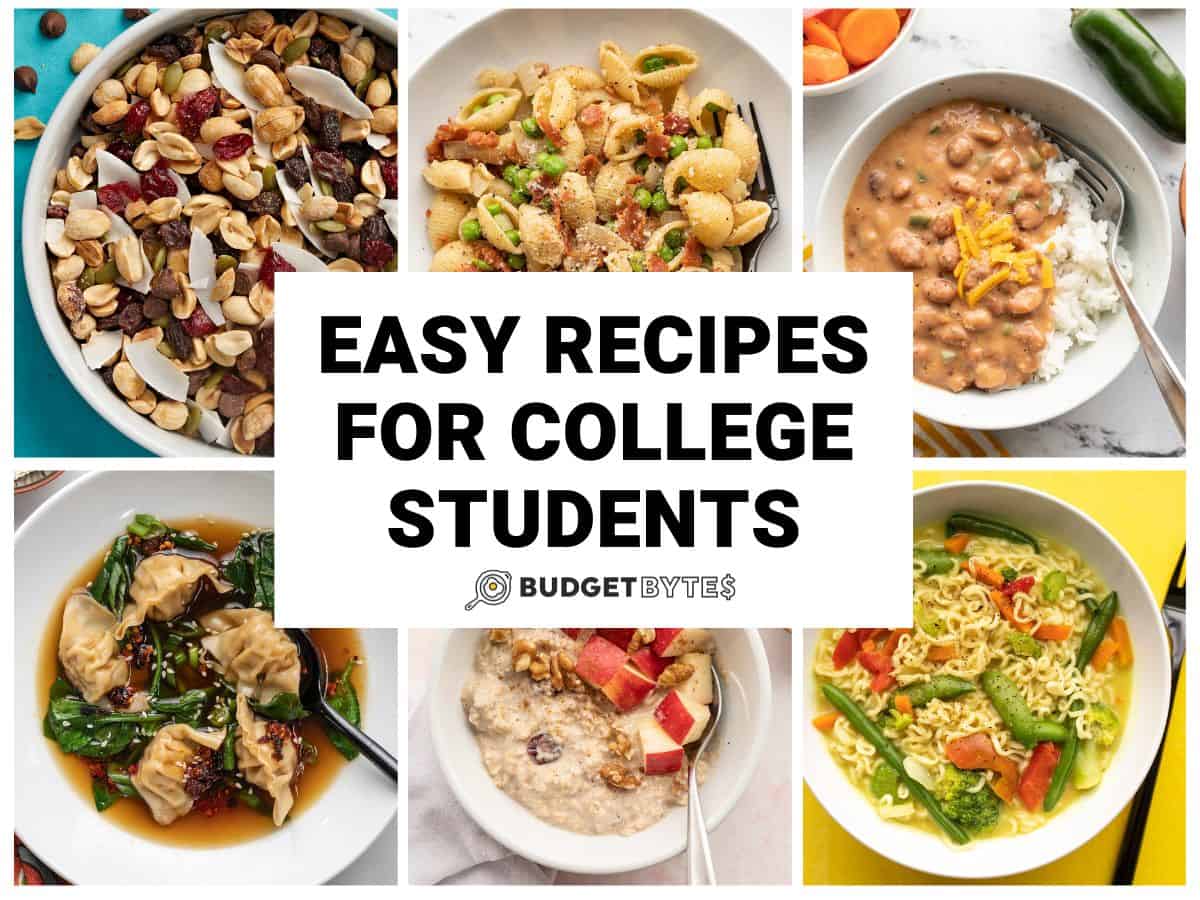
Credit: www.budgetbytes.com
Table: Do’s And Don’ts For College Meal Prep
Here’s a quick reference for what works—and what doesn’t.
| Do | Don’t |
|---|---|
| Plan meals for 3-4 days at a time | Prep all meals for a full week (risk spoilage) |
| Use airtight containers | Store in open bowls or plates |
| Freeze extra portions | Leave all meals in fridge |
| Prep snacks and breakfasts | Only prep lunches/dinners |
Non-obvious Meal Prep Insights
Most guides skip these two key points:
- Timing is everything. Prep right after grocery shopping when produce is fresh and you’re motivated.
- Sauces and seasonings make the difference. Keeping a few sauces (soy sauce, salsa, pesto) lets you change flavors easily—even with the same base ingredients.
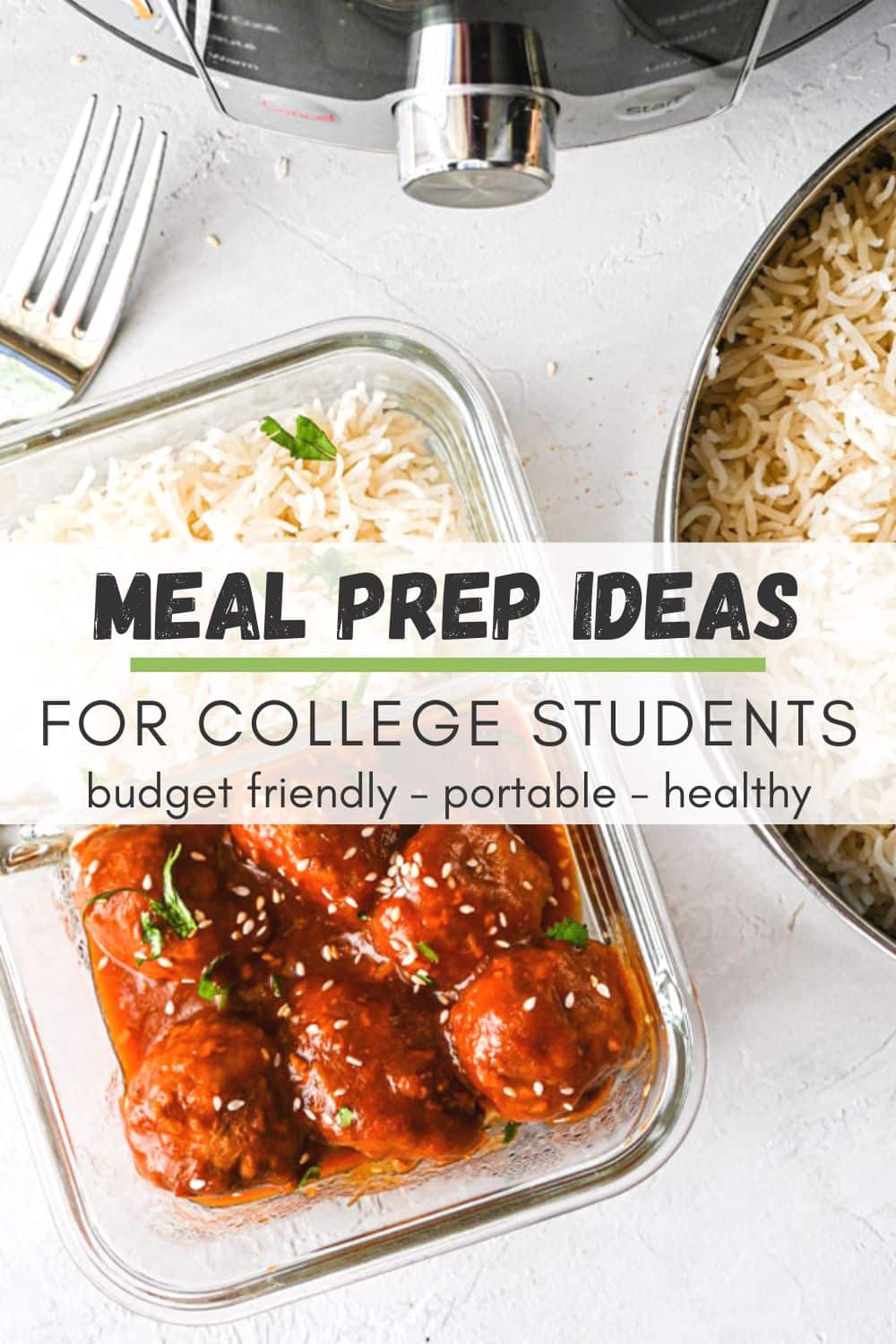
Credit: mealplanaddict.com
Quick Start Guide For College Meal Prep
- Pick 2-3 recipes you want to try.
- Make a shopping list with overlapping ingredients.
- Shop once for the week.
- Prep meals right away—don’t let food sit unused.
- Store and label everything.
- Freeze extra portions for later.
Resource: Check out the Academy of Nutrition and Dietetics for more student meal prep tips.
Frequently Asked Questions
How Long Do Prepped Meals Stay Fresh?
Most prepped meals last 3–4 days in the fridge. Freeze anything you won’t eat in that time. Always check for smell or color changes before eating.
What Is The Cheapest Meal Prep For College?
Rice, beans, eggs, pasta, and frozen veggies are the cheapest staples. Mix and match with different sauces and spices for variety.
Can I Meal Prep With Just A Microwave?
Yes! Many meals like overnight oats, microwave scrambled eggs, and reheated rice bowls work with just a microwave. Use microwave-safe containers.
How Do I Avoid Getting Bored With Meal Prep?
Use different sauces, herbs, and toppings to change flavors. Rotate 2–3 recipes each week. Prep separate ingredients and mix them in new ways.
Is Meal Prep Healthier Than Eating Out?
Usually yes. You control ingredients, portions, and added sugar/salt, which makes most home-prepped meals healthier than fast food or takeout.
Meal prepping as a student isn’t just about saving money or time. It’s a way to take control of your health, enjoy better food, and avoid the daily stress of deciding what to eat. With a little planning and the right strategies, you’ll find it’s easier—and tastier—than you ever imagined.
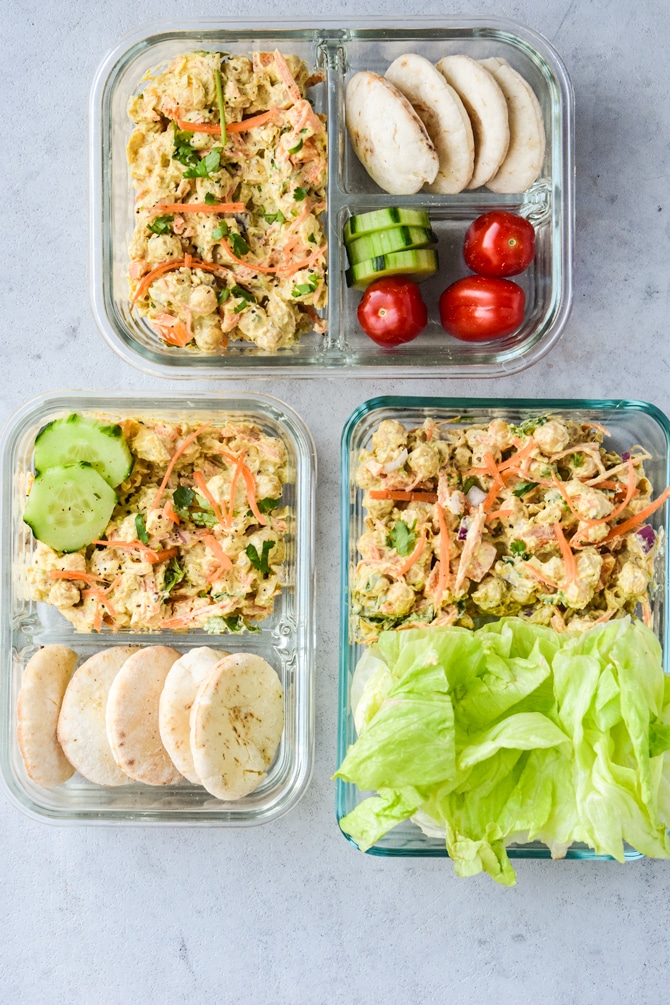
Credit: mealplanaddict.com