Homeschool Room Setup Ideas — Organization And Decor
Did you know? In the U. S. , over 3. 1 million students are homeschooled, and nearly 70% of parents say having a dedicated homeschool space increases their child’s focus and learning outcomes. But most families worry their home isn’t “big enough” or they’ll spend a fortune on supplies.
The truth? Smart setup and simple organization make a huge difference—no matter your space or budget.
This guide gives you trusted, practical ideas to create a homeschool room that really works. You’ll get step-by-step organization tips, affordable decor suggestions, and real examples. Plus, you’ll learn how to avoid common mistakes and make the most of every corner. Ready to design a space where your child can love learning at home?
Essential Elements Of A Homeschool Room
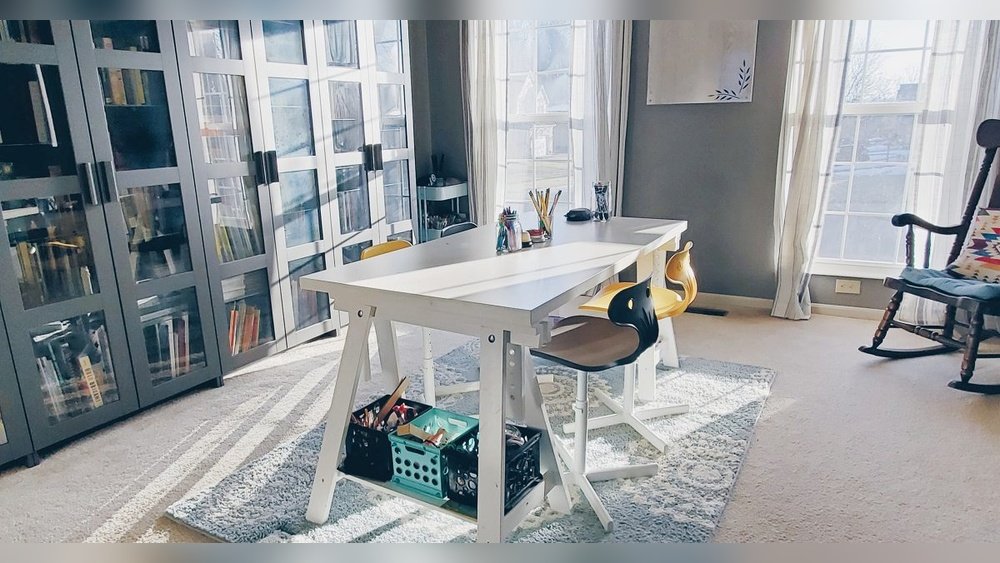
A well-planned homeschool space does more than store books. It supports focus, creativity, and routine. Here’s what every effective homeschool room needs:
1. Defined Learning Zones
Divide your room into clear sections:
- Desk area for individual work
- Group table for projects or family subjects
- Reading nook with cozy seating
- Creative zone for art or STEM
Open floor plans? Use rugs, shelves, or curtains to “mark” each area.
2. Proper Lighting
Natural light helps mood and concentration. Place desks near windows if possible. If not, use LED task lamps (5000K color) for a bright, “daylight” feel.
3. Comfortable Seating
Switch between desk chairs, beanbags, and floor cushions. Kids focus longer when they can change positions.
4. Organized Storage
Use cubbies, labeled bins, and bookcases. Store daily supplies at child height. Keep “extras” up high or in a closet.
5. Accessible Supplies
Keep pencils, paper, and scissors in small caddies on each workspace. No more searching or disruptions.
6. Wall Space For Learning
Hang whiteboards, maps, or cork boards for quick reference. Rotate displays to fit the current unit or theme.
7. Technology Station
Set up a charging hub for tablets or laptops. Use a small cart or shelf—keep cords tidy and out of the way.
8. Minimal Distractions
Face desks away from TVs or high-traffic areas. Use noise-canceling headphones for sensitive learners.
Pro Tip: Even a small corner can fit all these zones with creative furniture and vertical storage!
Creative Organization Ideas
Clutter is the enemy of focus. Try these strategies to keep your homeschool space neat and functional.
Label Everything
Use simple word or picture labels for bins, drawers, and shelves. Young kids become more independent when they can “read” storage spots.
Color Code By Subject
Assign each subject a color (ex: blue = math, red = reading). Use colored folders, bins, and shelf tags. This makes cleanup and transitions faster.
Vertical Storage
Go up! Install wall-mounted shelves, pegboards, or hanging baskets. Save floor space and keep essentials in view.
Rolling Carts
A three-tier cart can hold art supplies, math manipulatives, or science kits. Wheel it to any zone, then tuck it away.
Workboxes
Give each child a stack of drawers or trays—one for each subject. Fill them the night before. Kids know exactly what to do next.
Weekly Planner Board
Mount a dry-erase board to list the week’s goals or assignments. Kids check off tasks for a sense of progress.
Hidden Storage
Ottomans, benches, or under-desk boxes hide less-used items but keep them handy.
Stat: According to the National Center for Education Statistics, organized environments boost student productivity by 25%.

Credit: www.youtube.com
Decor Ideas To Inspire Learning
You don’t need fancy Pinterest rooms. These affordable decor ideas make any space inviting and motivating.
Educational Posters & Art
Choose bright posters with the alphabet, multiplication tables, or world maps. Let kids pick a few favorites to display.
Diy Gallery Wall
Clip student work or art to a string with clothespins. Rotate weekly to highlight effort, not just “perfect” work.
Nature Elements
Add plants, a fishbowl, or natural objects like rocks and pinecones. These calm the mind and spark curiosity.
Flexible Lighting
Hang string lights or small lamps for a cozy vibe during reading time.
Magnetic Or Chalk Walls
Paint a small section with magnetic paint or chalkboard paint. Kids love writing out answers or drawing diagrams.
Themed Corners
Make a “reading cave” with a pop-up tent and pillows, or a “science lab” sign over the experiment table.
Family Calendar
Display a large calendar for lessons, field trips, and breaks. Kids learn time management by seeing the month at a glance.
Soft Touches
Use rugs, curtains, or fabric bins to add color and reduce noise.
Non-obvious tip: Let your child help decorate. Kids are more invested in a space they “own.”
Budget And Space-saving Solutions
Most families don’t have a spare room or big budget. Here’s how to set up a great homeschool area with what you have.
Multipurpose Furniture
Pick pieces that do double duty—like a folding table for crafts and meals, or a bookshelf that divides zones.
Use What You Own
Repurpose kitchen carts, shoe racks, or old dressers for storage. Cardboard boxes wrapped in fabric make sturdy bins.
Wall-mounted Desks
Fold-down desks save space in bedrooms or living rooms. Close them up at the end of the day.
Closet Classroom
Turn a closet into a mini schoolroom by adding shelves and a small desk. Close the door when school’s out.
Portable Supplies
Keep “school in a box” (a large bin or backpack). Move between rooms—or even outdoors—on nice days.
Thrift And Dollar Stores
Find bins, baskets, and decor for less. Kids can help choose supplies, which builds excitement.
Free Printables
Many educational posters and planners are free to print online. Laminate them for reuse.
Reusable Materials
Whiteboards, dry-erase pockets, and laminated checklists cut down on paper waste and cost.
Comparison: Budget Setup vs. High-End Setup
| Feature | Budget Setup | High-End Setup |
|---|---|---|
| Desks & Tables | Folding table, repurposed desk | Custom learning stations |
| Storage | Shoe racks, dollar store bins | Modular cabinets |
| Decor | DIY posters, thrifted finds | Themed wall art, custom murals |
| Cost (avg.) | $50–$150 | $1,000–$5,000+ |
Result: Both can be highly effective! Good organization matters more than expensive furniture.
Common Mistakes And How To Avoid Them
Setting up a homeschool space comes with pitfalls. Here’s what to watch for—and what to do instead.
Mistake: Overcrowding The Room
Too many shelves or furniture can make the room feel cramped. Use only what you need and clear out old materials each semester.
Mistake: Ignoring Lighting
Dim rooms drain energy. Use bright, adjustable lamps if sunlight is limited.
Mistake: Mixing School With Play
If possible, separate toys from the learning area. Clear boundaries help kids switch from “play” to “study” mode.
Mistake: Buying Too Much At Once
Start with basics and add as you learn what works. Not every “must-have” is needed for your child.
Mistake: Not Involving Kids
Kids who help set up and decorate are more likely to keep the space organized.
Pro Tip: Take a “test week” using your setup, then adjust based on what feels cluttered, missing, or distracting.
Quick-start Homeschool Room Checklist
Check off each item as you go:
- designated Desk Or Table (kid-sized If Possible)
- comfortable Chair Or Cushion
- bookshelf Or Storage Bins
- basic Supplies (paper, Pencils, Glue, Scissors)
- learning Posters Or Whiteboard
- reading Nook Or Cozy Corner
- tech Charging Area
- planner Board Or Calendar
- task Lighting (desk Lamp Or Window)
- art/craft Supply Caddy
- personal Touches (student Art, Family Photos)
- noise Control (carpet, Headphones If Needed)
How To Organize By Age Group
Needs change as your child grows. Here’s how to adapt your homeschool setup:
Preschool & Early Elementary
- Use low shelves and bins for independence.
- Add a sensory table with rice, sand, or water.
- Keep supplies open and visible.
Upper Elementary
- Give each subject its own space (math box, reading basket).
- Use checklists for daily tasks.
- Add a “quiet zone” for focused work.
Middle & High School
- Provide a larger desk for books and technology.
- File organizers for assignments and notes.
- A bulletin board for schedules and reminders.
- Encourage students to personalize their work area.
Expert Insight: Teens value privacy and ownership. Let them choose decor and layout for their zone.
Time Management: Daily And Weekly Routines
A great space supports good habits. Here’s how to use your setup for better routines:
Morning Start-up
- Keep a daily checklist visible.
- Use a “morning basket” with today’s books and supplies.
Subject Transitions
- Store materials for each subject in color-coded bins or folders.
- Use a timer to stay on track.
End-of-day Reset
- Spend 5 minutes cleaning up.
- Restock supplies for tomorrow.
- Mark finished tasks on the planner board.
Weekly Reset
- Rotate wall displays (art, maps, vocabulary).
- Sort out old papers or materials.
- Review schedule with your child for the week ahead.
Stat: Children with visual schedules and routines are 20% more likely to complete assignments on time.

Credit: musicalmemory.com
Incorporating Multi-sensory Learning
A smart homeschool room uses all the senses to boost learning. Here’s how:
Visual
- Use charts, diagrams, and color-coded areas.
- Hang inspiring quotes or affirmations.
Auditory
- Try background music for reading or math.
- Use a small speaker for audiobooks.
Tactile
- Keep fidget tools or stress balls handy.
- Offer hands-on materials like blocks or clay.
Movement
- Include a balance board or small trampoline for breaks.
- Let kids stand at a tall table or move between zones.
Myth vs Fact: Multi-Sensory Learning
| Myth | Fact |
|---|---|
| Only works for young kids | All ages benefit from multi-sensory activities |
| Distracts from “real” learning | Improves memory and focus |
| Requires expensive tools | DIY materials work great (rice, blocks, music) |
Personalizing Your Homeschool Room
Every family is different. Here’s how to make the space truly yours:
- Involve your child in choosing colors, art, and layouts.
- Display family photos or cultural symbols.
- Celebrate learning milestones with a “wall of fame.”
- Rotate seasonal themes—fall leaves, winter snowflakes, spring flowers.
- Include a gratitude jar or journal for positive thinking.
Takeaway: The best homeschool rooms grow with your child and reflect your family’s style.

Credit: musicalmemory.com
Resource Summary: Where To Find Supplies And Inspiration
- Free printables: Education.com, teacherspayteachers.com
- Used books: Local library, thrift stores
- Storage: IKEA, Walmart, Target, Dollar Tree
- Decor: Pinterest, Instagram, homeschool Facebook groups
- Organization ideas: Good Housekeeping
- Support: Local homeschool associations for co-op sharing or swap meets
Pro Tip: Don’t compare your space to “Instagram-perfect” rooms. Focus on what helps your child learn.
Do’s And Don’ts Of Homeschool Room Setup
Here’s a quick reference to keep you on track:
| Do | Don’t |
|---|---|
| Involve your child in setup | Copy someone else’s style exactly |
| Use flexible furniture and storage | Overstuff the room with supplies |
| Rotate displays and materials | Leave clutter out “just in case” |
| Set clear routines and zones | Mix play and study without boundaries |
| Adapt as your child grows | Stick with a setup that’s not working |
Frequently Asked Questions
How Much Space Do I Really Need For A Homeschool Room?
You don’t need a full room—many families use a corner or part of a dining table. Focus on having a dedicated, organized spot for supplies and a surface for writing or using a laptop.
What Are The Most Important Supplies For A Homeschool Setup?
Start with basics: desk or table, comfortable chair, storage bins, writing supplies, whiteboard or planner, and a reading area. Add tech (like a tablet or laptop) and hands-on materials as needed.
How Can I Keep My Homeschool Room Organized Every Day?
Use labeled bins, color-coded folders, and a daily cleanup routine. Involve your child in putting things away and review what’s working each week.
What If My Child Has Special Needs Or Sensory Issues?
Offer flexible seating (like wiggle cushions), noise-canceling headphones, and a quiet “chill-out” spot. Use soft lighting and keep visuals simple. Adapt the layout as your child’s needs change.
Where Can I Find Affordable Homeschool Supplies And Decor?
Try thrift stores, Dollar Tree, IKEA, and local Facebook groups. Many websites offer free printables and DIY decor ideas—see Good Housekeeping for inspiration.
Designing a homeschool room is about supporting your child’s growth, not matching a magazine. With clear zones, smart organization, and a bit of creativity, you’ll build a space that makes every day of learning brighter.