Choosing the right science curriculum for homeschoolers can be frustrating. You want your child to learn well, but sometimes the options feel confusing or too hard.
It’s easy to feel stuck, unsure which program fits your family’s needs. I’ve been there too—wondering if i’m making the right choice or just wasting time and money. The good news is that the right curriculum can change everything. It can make lessons fun and simple, helping your child enjoy science every day.
It can also save you time and stress, so you feel confident as a teacher. I’ll share some of the best science curriculums for homeschoolers. These choices have helped many families like yours. Keep reading to find the perfect fit for your child’s learning journey.

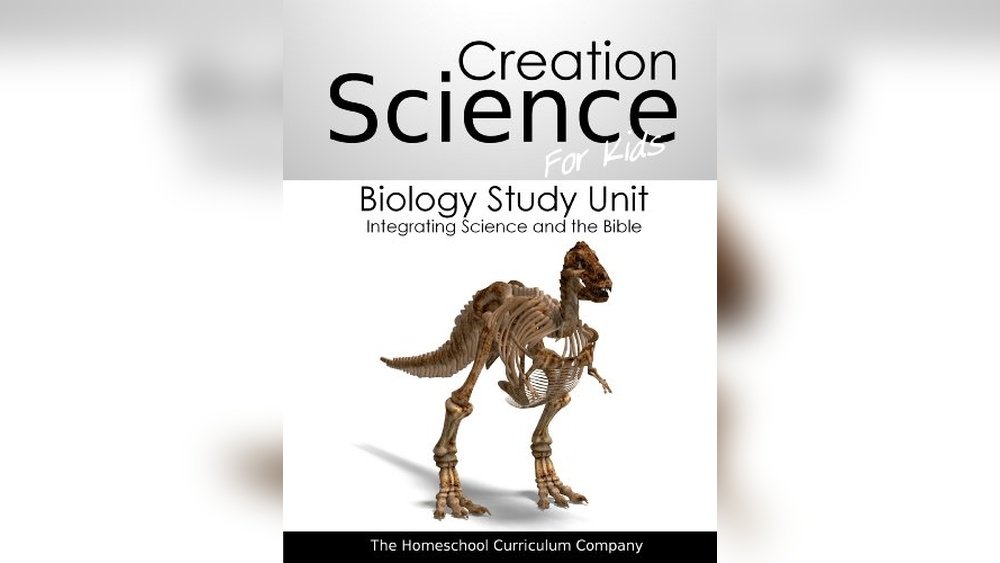
1. Homeschool Curriculum – Creation Science Studies – Biology (Homeschool Curriculum – Science for Kids Book 1)
- Edition: 1
- Number of Pages: 48
- Publication Date: 2012-08-01T00:00:00.000Z
This homeschool curriculum makes learning biology simple and enjoyable for kids. The lessons feel clear and easy to follow. It connects science with creation in a gentle, thoughtful way. Parents appreciate how it supports teaching at home without stress. Children enjoy exploring life’s wonders through fun activities and stories. The book encourages curiosity and careful observation. It builds a strong foundation in science while respecting family values. Using this curriculum feels like a natural and friendly learning journey.
Advantages
- This curriculum makes biology easy and fun for kids.
- It teaches science through creation-based stories and facts.
- Children learn important biology ideas step by step.
- The lessons fit well with homeschooling schedules and needs.
- Kids develop curiosity about nature and living things.
Disadvantages
- Focuses on creation science, limiting exposure to mainstream biology.
- May conflict with public school science standards or tests.
- Less emphasis on scientific evidence and evolution concepts.
- Some topics might feel too simplified for older students.
- Few interactive or hands-on activities included in the curriculum.
Our Recommendations
This homeschool curriculum makes biology easy and fun for kids. Lessons are clear and simple to follow. The creation science approach helps connect science with faith. Kids stay interested with hands-on activities and colorful illustrations. It fits well with other homeschool subjects. Parents find the guide helpful for teaching complex ideas. Great for young learners who enjoy exploring nature. This book builds a strong science foundation step by step.

2. Early Elementary Science Education
- Manufacturer: Outskirts Press, Inc.
- Number of Pages: 296
- Publication Date: 2018-06-12T13:36:50.000Z
Early Elementary Science Education makes learning fun and easy for young children. It sparks curiosity with simple experiments and hands-on activities. Kids feel excited to explore nature and discover new things. The lessons are clear and gentle, helping children understand basic science ideas. Parents and teachers enjoy watching kids grow more confident and eager to learn. This program creates a warm and inviting space for young minds to explore science every day.
Advantages
- Early elementary science education sparks curiosity about the world around us. It builds strong thinking and problem-solving skills early. Young learners gain confidence exploring simple experiments and ideas. Science lessons help children understand everyday life and nature better. Early science learning supports better grades in later school years.
Disadvantages
- Limited hands-on experiments may reduce children’s interest.
- Some topics may be too complex for young learners.
- Time constraints often limit deep exploration of concepts.
- Resources and materials can be costly for some schools.
- Teacher training may not fully support science education needs.
Our Recommendations
Early Elementary Science Education is clear and easy for young kids to follow. Lessons are simple and fun. Every topic feels interesting and not too hard. Activities help children learn by doing. Parents can easily guide their kids through each step. The material encourages curiosity and asking questions. Science ideas come alive with hands-on experiments. Kids enjoy exploring nature and basic science facts. This product builds a good foundation for future learning. Teachers will find it practical and well organized.

3. Science Explorers: Biology: A Biology Curriculum for Middle School
- Manufacturer: LPL Services Ltd
- Number of Pages: 130
- Publication Date: 2024-07-29T10:59:58.942-00:00
Science Explorers: Biology is a friendly and easy-to-follow curriculum for middle school students. It makes learning biology fun and interesting. The lessons are clear and use simple language that helps students understand difficult ideas. Activities and experiments are included to keep students engaged and curious. The curriculum feels well-organized, making it easy for both teachers and students to use. Many enjoy how it connects science to everyday life, making learning more meaningful. It encourages students to explore and ask questions in a relaxed way. Overall, it creates a warm learning experience that builds confidence in biology.
Advantages
- Science Explorers: Biology makes learning biology clear and simple.
- Students engage with fun experiments that build real understanding.
- Clear lessons help improve science grades and test scores.
- Hands-on activities keep middle schoolers interested and motivated.
- Step-by-step guidance supports both teachers and students easily.
Disadvantages
- Some lessons may feel too detailed for middle school students.
- Certain experiments require materials not easily found at home.
- Limited digital resources can make learning less interactive.
- Pacing might be too fast for students needing extra help.
- Few examples relate directly to everyday life situations.
Our Recommendations
Science Explorers: Biology is clear and simple. It helps students understand biology step by step. Lessons are well-organized and easy to follow. Activities make learning fun and keep kids interested. The book uses real-life examples, making biology relatable. It explains tough topics with simple words and pictures. Students gain confidence as they complete each section. Parents appreciate the clear instructions and helpful guides. A great choice for middle school science learning.

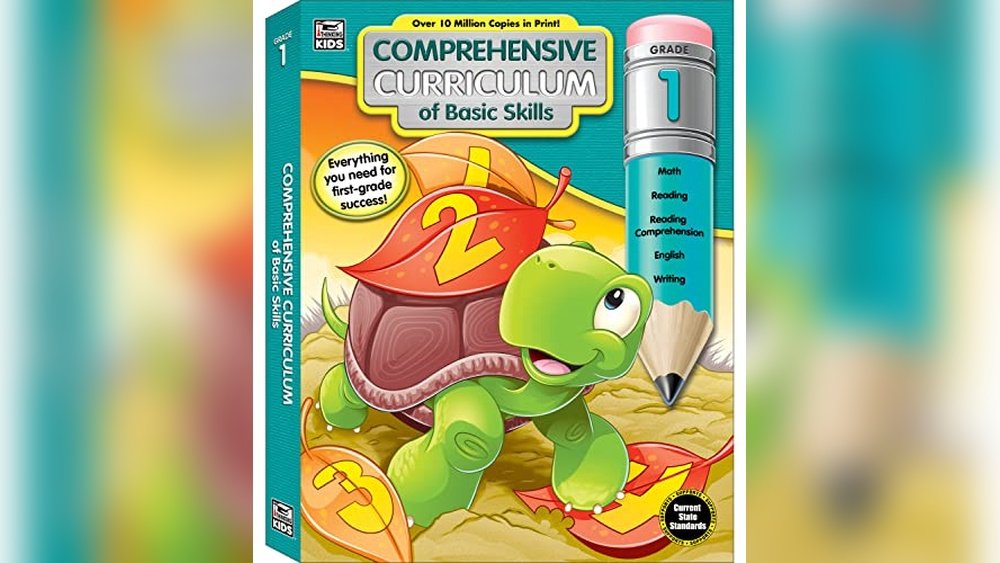
4. Complete First Grade Homeschool Curriculum: A Full-Year Learning Guide – Language Arts, Math, Science, Social Studies & More for Kids Ages 5-7 (Growing minds at home homeschool workbooks Book 1)
- Number of Pages: 78
- Publication Date: 2025-11-20T00:00:00-00:00
This homeschool curriculum offers a gentle and clear approach to learning for young children. It covers language arts, math, science, and social studies in a simple way. The lessons feel friendly and easy to follow. Kids enjoy the variety of activities that keep them interested. Parents find it helpful to guide their child through a full year of learning. The workbook supports steady progress without feeling overwhelming. It builds confidence and curiosity in children ages 5 to 7. This guide helps create a warm and supportive learning environment at home.
Advantages
- Covers all subjects needed for first grade learning at home.
- Helps children build strong skills in reading, math, and science.
- Designed for kids aged 5 to 7, easy to follow daily.
- Encourages independent study while supporting parent-led teaching.
- Includes fun activities that keep children interested and motivated.
Disadvantages
- The curriculum may require strong parent involvement for success.
- Some topics could feel too basic for advanced learners.
- Limited hands-on activities might reduce engagement for some kids.
- The pacing may not fit every child’s individual learning speed.
- Few digital resources included for interactive learning experiences.
Our Recommendations
This curriculum covers all subjects needed for first grade. Kids enjoy the clear and fun lessons. Each workbook page is easy to follow and understand. Parents find it helpful for teaching at home. Science, math, and reading activities keep children interested. Lessons build skills step by step without overwhelming young learners. The variety of topics makes learning well-rounded and balanced. Worksheets are colorful and inviting, which helps maintain focus. Overall, it supports a steady and enjoyable learning pace for ages 5 to 7.

5. Homeschool Science Grade 4: Homeschool Science Grade 4 – Earth Science
- Number of Pages: 59
- Publication Date: 2013-08-12T16:46:42.000Z
Homeschool Science Grade 4: Earth Science makes learning fun and easy. The lessons are clear and simple to follow. Kids enjoy exploring the Earth’s features through hands-on activities. It feels like a friendly guide helping students discover nature step by step. The book encourages curiosity and builds confidence in science. Parents appreciate how well the material fits into a homeschool schedule. It creates a warm learning environment at home. Children feel excited to learn about rocks, weather, and planets. This product helps make science an enjoyable part of the day.
Advantages
- Builds strong Earth science knowledge for fourth graders.
- Encourages hands-on learning with easy experiments.
- Makes complex science topics simple and fun.
- Supports homeschool schedules with flexible lesson plans.
- Enhances critical thinking through practical activities.
Disadvantages
- Limited hands-on experiments may reduce practical learning.
- Some topics might feel too basic for advanced students.
- Visual aids are minimal, which can affect engagement.
- Requires extra materials not included in the package.
- Pacing might not suit all children’s learning speed.
Our Recommendations
This science book makes learning about Earth easy and fun for fourth graders. Clear explanations help kids understand important topics step by step. Hands-on activities keep students interested and excited to explore. The lessons fit well with homeschool schedules and are simple to follow. Great for building a strong science foundation at home.

6. Science Explorers: Chemistry: A Chemistry Curriculum for Middle School Students
- Manufacturer: LPL Services Ltd
- Number of Pages: 103
- Publication Date: 2024-07-30T10:29:57.457-00:00
Science Explorers: Chemistry offers middle school students a fun and clear way to learn chemistry. The lessons are easy to follow and make complex ideas simple. Students enjoy hands-on activities that bring science to life. The curriculum feels friendly and encouraging, helping students feel confident. It sparks curiosity and makes learning chemistry feel exciting and natural. Teachers find it helpful and well-organized for classroom use. This curriculum creates a positive and engaging learning experience for young learners.
Advantages
- This curriculum makes chemistry easy and fun for middle school students.
- Hands-on experiments help students understand science better and stay interested.
- Clear lessons build strong basics for future science learning.
- Lessons fit well with school standards and classroom needs.
- Students gain confidence by exploring real-world chemistry topics.
Disadvantages
- Some lessons may feel too advanced for younger middle schoolers.
- Experiments require materials that might be hard to find at home.
- The curriculum can be time-consuming for busy students and teachers.
- Limited digital resources reduce flexibility for online or remote learning.
- Few examples relate to everyday life, making concepts harder to grasp.
Our Recommendations
This curriculum makes chemistry easy and fun for middle school students. Lessons are clear and well-organized. Hands-on experiments help students understand concepts better. Each topic builds on the last, making learning smooth. The language is simple, perfect for young learners. Teachers will find it easy to follow and teach. Science Explorers keeps students interested and curious. A great choice for any middle school science class.
Frequently Asked Questions
What Subjects Does A Good Homeschool Science Curriculum Cover?
A quality homeschool science curriculum usually covers biology, chemistry, physics, and earth science. It may also include hands-on experiments to help kids learn better.
How To Choose The Best Science Curriculum For Homeschoolers?
Look for a curriculum that fits your child’s age, interests, and learning style. Check for clear explanations and fun activities to keep them engaged.
Can Homeschool Science Programs Prepare Kids For College?
Yes, many homeschool science programs follow state or national standards. They build strong science skills and knowledge needed for college.
Are There Affordable Science Curriculum Options For Homeschoolers?
Many affordable and free science curriculums exist online and in print. Libraries and educational websites often offer great resources too.
Buying Guide On Best Science Curriculum For Homeschoolers
1. Understand Your Child’s Learning Style
Each child learns differently. Some prefer reading, others like hands-on activities. Choose a curriculum that fits their style. This helps make science fun and easy to grasp.
2. Check the Curriculum’s Grade Level
Match the curriculum to your child’s age and skill level. Avoid content that is too hard or too easy. This keeps your child interested and challenged enough.
3. Review the Topics Covered
Science includes many subjects like biology, chemistry, and physics. Ensure the curriculum covers topics your child needs. A good mix helps build strong science knowledge.
4. Look for Clear Instructions and Support
Choose a curriculum with easy-to-follow guides. This helps parents teach without confusion. Additional support materials like videos or quizzes are a plus.
5. Consider Hands-On Experiments
Science is best learned by doing. Find curriculums that include experiments or projects. These make learning active and memorable for your child.
6. Check for Alignment with Standards
Verify the curriculum matches national or state science standards. This ensures your child learns what is expected in school. It also helps with future schooling.
7. Look at Reviews and Feedback
Read what other homeschoolers say about the curriculum. Real experiences can show strengths and weaknesses. This helps you make a better choice.
8. Consider Your Budget
Science curriculums vary in price. Choose one that fits your budget without sacrificing quality. Some offer free resources or samples to try first.
9. Evaluate Flexibility and Pace
Homeschooling allows learning at your own speed. Select a curriculum that lets you adjust lessons as needed. This keeps learning comfortable and stress-free.
10. Check for Digital or Print Options
Decide if you prefer online or printed materials. Some curriculums offer both formats. Choose what works best for your family’s lifestyle and technology access.
Conclusion
Choosing the best science curriculum for homeschoolers helps build a strong learning foundation. It supports curiosity and hands-on experience. A good curriculum fits your child’s age and interests. It also matches your teaching style and available resources. Science should be fun and clear, not confusing or hard to follow.
When kids enjoy learning, they remember better and ask more questions. This leads to deeper understanding and long-term interest in science. Take time to compare options and read reviews from other homeschool families. This way, you pick the curriculum that works best for your unique needs.
Remember, the right science program can inspire your child to explore the world with excitement and confidence. Science learning at home can be simple, effective, and enjoyable for both parents and students.