
The Active Listening Method: How to Get Maximum Learning From Every Audiobook
Listening to audiobooks is more popular than ever. In 2023, US audiobook sales reached $2 billion, growing 11% from the previous year. But many people don’t remember much after finishing an audiobook. If you want to get real value—remember ideas, change habits, or pass exams—the active listening method is your best friend. This practical guide shows you how to get the most from every audiobook, with proven steps, common mistakes, pro tips, and real examples.
Audiobooks give you the freedom to learn anytime, but true learning only happens when you take control of your experience. Instead of letting words wash over you, active listening helps you connect with the material, build lasting memories, and use new ideas in your life.
If you often finish an audiobook and realize you forgot half of it, you’re not alone. This guide gives you the tools to break that cycle. You’ll learn the difference between just hearing and real understanding, plus practical ways to remember, use, and share what you learn.
Start a 30-day free trial and pick any title from 700,000+ audiobooks. Your first book is yours forever, even if you cancel immediately.
Get 1 Free Audiobook To Keep
With a few changes, you can turn every listening session into a powerful lesson.
Why Passive Listening Fails
Most people listen to audiobooks while doing other things—walking, driving, or cleaning. This is called passive listening. You hear the words, but your mind is somewhere else. Studies show that passive listeners recall less than 20% of details one week later.
Passive listening feels easy, but your brain can’t process information deeply when it’s distracted. When you listen while multitasking, your attention is split. You might catch the general story, but miss important details, examples, or practical steps. For nonfiction, this means you lose out on useful advice.
For fiction, you miss key plot twists and character development.
Even if you start out focused, passive listening makes it hard to connect ideas. You don’t ask questions, make notes, or pause to think. This turns learning into background noise. As a result, you may remember a few interesting facts, but most knowledge slips away.
Active listening changes this. It means you focus, interact, and make the material stick in your mind. The results are clear: active listeners retain up to 70% more information and apply new knowledge faster.
When you actively listen, your brain builds connections between new ideas and what you already know. This process is called “deep encoding,” and it’s proven to boost memory. Instead of just hearing, you engage with the material by pausing, reflecting, and making notes.
These steps help you turn information into useful skills and habits.
The Active Listening Method: Step-by-step
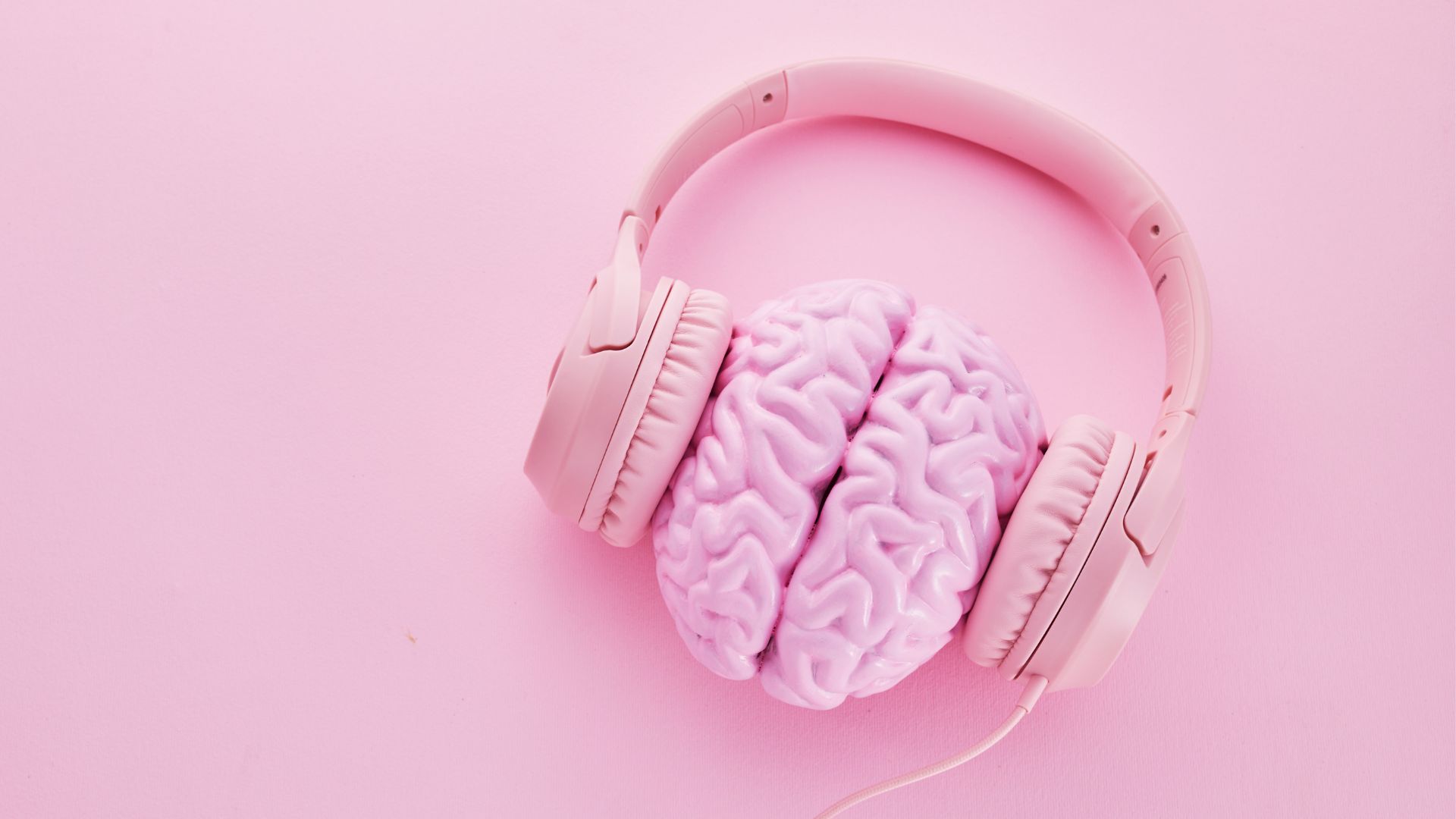
Credit: blog.libro.fm
Active listening is not complicated, but it takes intention. Follow these steps to turn any audiobook into a real learning tool.
1. Choose Your Audiobook Wisely
Pick audiobooks that match your goals. If you want practical skills, select books with clear examples and action steps. For deeper understanding, look for expert authors and high ratings.
Don’t just choose the most popular book or the one with the nicest cover. Think about what you want to achieve. For example, if you’re learning time management, look for books with proven techniques and real-life stories. For language learning, pick audiobooks with native speakers and clear pronunciation.
Pro Tip: Preview the first 10 minutes. If the narrator’s style distracts you, find another version. Poor narration reduces focus.
Narrator quality is often overlooked. A monotone or unclear voice can make it hard to concentrate, especially for complex subjects. Try listening to a sample before buying or borrowing. If you feel bored or confused, look for another edition or author.
2. Set Up A Dedicated Listening Time
Don’t multitask. Block out 20–40 minutes where you can focus only on listening. This simple change increases recall by up to 50%.
Scheduling your listening time is key. Treat it like a study session or important meeting. You can set reminders on your phone or calendar. Choose a quiet space where you won’t be interrupted. If your environment is noisy, use headphones to block distractions.
Example: Listen during your morning routine or before bed. Avoid noisy environments.
Some people find it helpful to listen in the same place each day—like at a desk or in a cozy chair. This builds a “learning habit” and signals your brain to focus. If you can, limit phone notifications, turn off TV, and close unnecessary apps.
Even small distractions can reduce your concentration.
3. Prepare Your Tools
Have a notebook, note-taking app, or voice recorder ready. Use chapter markers if your player supports them.
The right tools make active listening easier. Choose whatever feels comfortable: pen and paper, digital notes, or voice memos. Some audiobook apps let you bookmark sections or add comments—use these features to mark key points.
Mistake: Relying on memory alone. Written notes help you review and reinforce learning.
Many people think they’ll remember everything, but after a few days, most details fade. Notes give you a quick way to revisit important ideas. If you’re driving or walking, try using voice notes. Later, you can organize them and add summaries.
4. Preview The Book
Before starting, scan the summary, chapter list, and author bio. This primes your brain to expect key ideas and connect them as you listen.
Previewing helps you set expectations. Look at the main topics or themes. Read reviews or check the author’s background—knowing their expertise builds trust and motivation.
Pro Tip: Write 2–3 questions you hope the book will answer. Refer to them during listening.
For example, before starting a book on leadership, you might ask: “How do great leaders motivate teams?” or “What mistakes should I avoid?” Writing questions makes you more alert and helps you spot answers as you listen. This technique turns passive listening into a search for solutions.
5. Listen Actively
Focus on main ideas, not every word. Pause after key points to reflect. Ask yourself: “How does this apply to my life?” Repeat important phrases out loud.
Active listening means you listen with purpose. Don’t worry about catching every detail. Instead, try to grasp the big picture and main arguments. Pause when you hear something important. Reflect for a moment—think about how it connects to your goals, problems, or experiences.
Example: After hearing a new productivity tip, pause and imagine using it tomorrow.
Repeating key phrases helps your brain process information. Try saying them aloud or writing them down. If you hear an inspiring quote, repeat it several times. This simple step deepens memory and makes it easier to recall later.
6. Take Smart Notes
Write short summaries after each chapter. Use bullet points, diagrams, or mind maps for complex ideas. Highlight “aha!” moments.
Smart notes are brief but meaningful. Summarize concepts in your own words—this forces you to understand, not just copy. Diagrams help with complicated topics, like business models or science concepts. Mind maps show how ideas connect.
If you notice an “aha!” moment—something surprising or useful—mark it. Later, review these highlights and see how they fit into your life.
Mistake: Copying sentences word-for-word. Summarize in your own words for better memory.
Copying is easy, but it doesn’t help you learn. Writing your own summaries forces you to explain the idea, which builds stronger memory pathways. If you struggle, try explaining the concept to a friend or family member.
7. Review And Reflect
After finishing each session, review your notes. Try to explain key concepts to someone else, or record yourself. This step cements learning.
Reviewing helps you fix gaps in understanding. You might notice parts you missed or misunderstood. Explaining ideas out loud—even if you’re alone—clarifies your thinking. Recording your reflections gives you a record to check later.
Pro Tip: Schedule a 10-minute review the next day. Revisiting information boosts retention by 30%.
Don’t wait too long to review. A quick look at your notes within 24 hours keeps ideas fresh and helps your brain move information from short-term to long-term memory. If you’re busy, set a timer for a short review session.
8. Apply What You Learn
Pick one action to try within 24 hours. Whether it’s a new habit, mindset, or skill—practice it. Learning sticks when you use it.
Application is the real test of learning. Choose something small and achievable. If you learned a new way to organize tasks, try it with your next project. For personal growth books, practice the recommended mindset or behavior.
Example: If you learned a negotiation technique, use it in your next conversation.
By using what you learn, you reinforce the material and see real-world results. Even small changes can make a big difference. After applying an idea, reflect on what worked and what didn’t.
9. Share And Discuss
Talk about the book with friends, online groups, or coworkers. Teaching others forces you to clarify ideas and find gaps in your understanding.
Discussion multiplies learning. When you explain concepts, you see what you truly understand and what needs more work. Join online forums, book clubs, or workplace groups. Sharing insights builds motivation and exposes you to new perspectives.
Mistake: Keeping insights to yourself. Sharing multiplies learning.
People often think learning is private, but discussing with others makes ideas stick. If you’re shy, start with written summaries or social media posts.

Credit: newgrowthpress.com
Real-world Examples Of Active Listening
Let’s see how the method works in practice.
- Student: Maria listens to “atomic habits” for her psychology class. She pauses after each chapter, writes summaries, and applies habit-building tips to her daily routine. Her exam scores improve by 15%.
- Professional: Alex uses “The 7 Habits of Highly Effective People” during his commute. He sets up a 30-minute listening block, takes notes, and discusses concepts with his team. Productivity rises, and he gets promoted.
- Language Learner: Priya listens to English audiobooks. She stops to repeat sentences, writes new words, and reviews notes weekly. Her vocabulary grows twice as fast.
Each example shows the power of active listening. Maria’s habit of pausing and reflecting helped her not only pass exams, but also build better routines. Alex’s focus and team discussions led to real workplace changes. Priya’s note-taking and repetition sped up her language skills much faster than just listening alone.
A less obvious insight: Sometimes, sharing your notes or reflections with a mentor or coach can reveal blind spots you didn’t notice. For example, Maria’s teacher gave her feedback on her summaries, helping her improve even more.
Another advanced tip: Pair audiobooks with related podcasts or articles. Alex started listening to short podcasts about productivity after finishing each chapter. This reinforced key ideas and gave him new perspectives.
Common Mistakes To Avoid
Many beginners fall into these traps:
- Multitasking: Doing chores, driving, or texting while listening. Quality suffers.
- No review: Skipping note review leads to fast forgetting.
- Overloading: Listening for hours without breaks. The brain needs time to process.
- Ignoring narration: Choosing books with poor audio quality or distracting voices.
- Passive note-taking: Writing too much or copying verbatim without thinking.
A less obvious mistake: Listening at the wrong speed. Sometimes, speeding up audio makes you miss important details. For difficult books, slow down and take breaks.
Another common pitfall: Not setting clear goals before listening. Without a purpose, you drift through the material and forget most of it. Always write your learning goals or questions before starting.
Pro Tips For Maximum Retention
- Adjust speed: Slow down audio for complex material. Speed up for review.
- Bookmark key sections: Use app features to mark important moments.
- Combine audio with text: Read summaries or transcripts for difficult topics.
- Visualize: Picture concepts in your mind. This boosts memory.
- Ask questions: Pause and ask, “What did I just learn?”
- Repeat sessions: Re-listen to chapters after a week.
Extra advice: Try using colored pens or highlighters when taking notes. Visual cues help your brain organize information. If you’re learning a language, write down new words and practice pronunciation out loud.
Another advanced tactic: Create a “learning playlist.” Mix audiobooks, podcasts, and related articles for a deeper understanding of one topic.
Do’s And Don’ts Of Active Listening
Here’s a simple guide to keep you on track:
| Do | Don’t |
|---|---|
| Set a dedicated listening time | Multitask or listen while distracted |
| Take short, smart notes | Copy every word |
| Pause and reflect | Skip review |
| Apply ideas quickly | Forget to use new knowledge |
| Share and discuss insights | Keep learning to yourself |
Comparing Passive Vs Active Audiobook Listening
See how the two methods stack up:
| Feature | Passive Listening | Active Listening |
|---|---|---|
| Retention Rate | 20% | 70% |
| Focus Level | Low | High |
| Application | Rarely | Frequently |
| Motivation | Low | High |
| Review Habit | Almost never | Consistent |
This comparison shows why active listening is worth the effort. With higher focus, review, and real-world application, you get much more value from your time.
Affordable Tools For Active Listening
You don’t need expensive gear. Here are options for every budget:
| Tool | Price | Feature |
|---|---|---|
| Notebook | $1–$5 | Quick notes, summaries |
| Note-taking app (Evernote, OneNote) | Free–$8/month | Digital notes, tags, reminders |
| Voice recorder | $15–$50 | Audio notes, reflections |
| Audiobook app with bookmarks | Free–$15/month | Bookmarking, speed control |
If you’re on a tight budget, use free apps or your phone’s built-in voice recorder. For advanced users, some apps offer mind mapping and flashcard features. Experiment to find what fits your style.

Credit: www.audible.com
Active Listening Techniques: Beyond Basic Steps
You can level up your learning with these advanced strategies:
- SQ3R Method: Survey, Question, Read, Recite, Review. Adapt it for audiobooks by previewing chapters, asking questions, listening, summarizing, and reviewing.
- Mind Mapping: Draw a map of ideas as you listen. Connect concepts visually.
- Spaced Repetition: Review notes at set intervals—1 day, 1 week, 1 month.
- Chunking: Break the audiobook into 15–20 minute parts. Focus deeply on each.
- Teaching: Explain ideas to a friend or record a video summary.
- Reflection Journaling: Write a short journal entry after each session.
Advanced listeners sometimes combine two or more strategies. For example, you can use spaced repetition with mind maps. Review your map at regular intervals, adding new connections as you learn.
Another technique: Use “active recall.” After each chapter, close your eyes and try to remember main points before checking your notes. This strengthens memory much more than rereading.
Debunking Myths About Audiobook Learning
Many believe audiobooks are inferior to reading. Let’s clear up common myths:
| Myth | Fact |
|---|---|
| Audiobooks are only for entertainment | They are powerful for learning if used actively |
| Listening is less effective than reading | Active listening matches or exceeds reading for retention |
| You can’t take notes with audiobooks | Smart note-taking is easy and boosts memory |
| All audiobooks are the same | Narration style and quality matter greatly |
Another myth: “Audiobooks are only for people who don’t like reading.” In reality, many top students, professionals, and lifelong learners use audiobooks to deepen their understanding and fit learning into busy schedules.
Key Takeaways
- active Listening Raises Retention From 20% To 70%.
- dedicated Time, Smart Notes, And Reflection Are Critical Steps.
- advanced Techniques Like Mind Mapping And Spaced Repetition Boost Learning.
- sharing And Applying Ideas Multiplies The Value Of Audiobooks.
- affordable Tools Help You Stay Organized And Focused.
Frequently Asked Questions
What Is Active Listening For Audiobooks?
Active listening means focusing on the material, taking notes, and reflecting during and after listening. It goes beyond hearing the words—it’s about engaging your mind and applying what you learn.
How Do I Remember More From Audiobooks?
Set aside distraction-free time, pause after key points, take short notes, review them later, and apply new knowledge quickly. Sharing insights with others also boosts memory.
Can I Use Active Listening For Fiction Audiobooks?
Yes. For fiction, focus on character development, plot themes, and emotional reactions. Summarize chapters and discuss story elements with friends.
You can also track your emotional responses or write short reviews for each chapter. This helps you connect with the story and remember key moments.
Are Audiobooks As Effective As Reading?
With active listening, audiobooks can be just as effective—or sometimes better—than reading for retention and learning. Narration style and your engagement matter most.
What Tools Help With Active Listening?
Simple tools like a notebook, note-taking app, or voice recorder work well. Apps with bookmarks and speed control are helpful for organizing and reviewing key sections.
For further research on audiobooks and learning efficiency, see this Wikipedia guide.
Active listening transforms audiobooks into powerful learning tools. Whether you’re a student, professional, or lifelong learner, use these steps to unlock deeper understanding and lasting results. Don’t just listen—engage, reflect, and grow.