Law school is demanding, and time is always tight. Many students look for ways to absorb more material, boost retention, and make better use of “dead time” like commuting or exercising. Audiobooks have become a favorite tool for law students — from the first year (1L) up to the bar exam.
Listening to key legal texts, study guides, and real-world stories can help you grasp dense material, reinforce concepts, and reduce stress. If you want to maximize your study hours and learn on the move, here are the best audiobooks for every stage of law school life. Also check our guide to the 1L survival guide audiobooks for more first-year specific recommendations.
Get 1 Free Audiobook To Keep
Start a 30-day free trial and pick any title from 700,000+ audiobooks. Your first book is yours forever, even if you cancel immediately.
1L of a Ride: A Well-traveled Professor’s Roadmap to Success in the First Year of Law School
1L of a Ride gives clear, practical advice for surviving your first year. Professor Andrew J. McClurg shares the unwritten rules, what professors expect, and real stories from past students. It explains law school culture and the 1L experience in plain English, helping you avoid common mistakes and giving you a step-by-step game plan. Target audience: first-year law students. Length: About 9 hours.
| Pros | Cons |
|---|---|
| Relatable and easy to understand; actionable strategies for stress | Some advice can seem basic to advanced students; US-focused |
Getting to Maybe: How to Excel on Law School Exams
Getting to Maybe unlocks the secrets of law school exams. It breaks down the difference between “good” and “great” answers using real-life exam samples. The audio format helps you internalize these thinking patterns. Target audience: law students who want to improve exam performance. Length: About 7 hours.

Law School Confidential: A Complete Guide to the Law School Experience
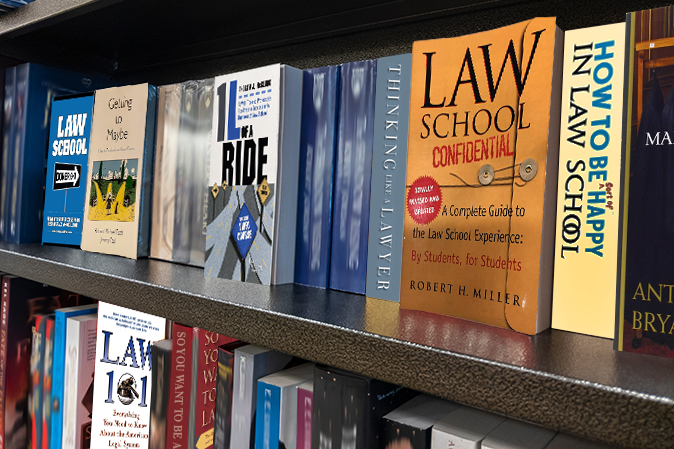
Law School Confidential offers a behind-the-scenes look at every stage of law school, from applications to the bar. Packed with interviews, sample outlines, and real student advice. The audiobook’s practical tips help you plan ahead and avoid burnout. Target audience: 1Ls, 2Ls, and 3Ls. Length: About 15 hours.
The Bramble Bush: The Classic Lectures on the Law and Law School
The Bramble Bush demystifies how to “think like a lawyer.” These classic lectures teach the foundations of legal reasoning. The narrator’s clear voice and real-world examples make abstract legal concepts much easier to understand. Target audience: any law student who feels lost with legal theory. Length: About 5 hours.
Just Mercy: A Story of Justice and Redemption
Just Mercy tells the powerful true story of lawyer Bryan Stevenson and his fight for justice. It brings the human side of law to life — listening helps you remember why you chose this path, especially during stressful times. Target audience: law students wanting inspiration and a break from textbooks. Length: About 11 hours.
The Legal Analyst: A Toolkit for Thinking About the Law
The Legal Analyst gives you dozens of practical “tools” for legal analysis. It uses simple language and everyday examples, making complex legal ideas easier to remember — even while multitasking. Target audience: 2Ls, 3Ls, and anyone wanting to boost legal reasoning skills. Length: About 13 hours.
Bar Exam Mind: A Strategy Guide for an Anxiety-Free Bar Exam
Bar Exam Mind is designed for the final stretch. It helps you manage stress and create a study plan that works. The audiobook format lets you practice mindfulness and hear real coping strategies, even while driving or walking. Target audience: law students preparing for the bar exam. Length: About 6 hours.
Examples & Explanations Series
The Examples & Explanations series covers subjects like Contracts, Torts, and Civil Procedure. Each audiobook uses real-life scenarios to clarify tricky topics. Short chapters and clear explanations make these perfect for review and repetition. Length: Varies (typically 8–12 hours per subject).
Making the Most of Audiobook Study
Listening while commuting, exercising, or doing chores can add hours of study each week. Studies show that auditory learning can help with recall, especially for students with ADHD or those who prefer listening over reading.
Make playlists by topic or exam. Listen at 1.25x speed to save time, but slow down for complex sections. Use the “bookmark” feature to save important points for review.
- Listening to legal reasoning, not just reading, improves your ability to “spot issues” on exams.
- Switching between print and audio versions helps fight boredom and deepens understanding.
Quick Comparison: Best Audiobooks by Law School Stage
| Audiobook | Best For | Approx. Length | Special Features |
|---|---|---|---|
| 1L of a Ride | 1L survival, law school basics | 9 hrs | Real stories, checklists |
| Getting to Maybe | Exam prep | 7 hrs | Sample questions, hypotheticals |
| Law School Confidential | All years, comprehensive | 15 hrs | Interviews, outlines |
| Bar Exam Mind | Bar exam stress, mindfulness | 6 hrs | Mental health tips |
Myths vs Facts: Audiobooks in Law School
| Myth | Fact |
|---|---|
| Listening isn’t real studying | Studies show auditory learning improves recall, especially when combined with notes |
| Audiobooks are only for lazy students | Top students use them to maximize study time and reinforce material |
| You can’t learn complex law by listening | Many legal concepts are clearer when explained out loud, with examples |
| They’re too expensive | Many law libraries offer free access; subscription services have student discounts |
Frequently Asked Questions
What is the best way to use audiobooks for law school?
Listen actively: pause to think, take notes, and replay key sections. Use audiobooks to review before class or during commutes.
Can audiobooks really help with bar exam prep?
Yes. They reinforce concepts, reduce stress, and make it easier to fit study into a busy schedule. But they should supplement — not replace — practice tests and written outlines.
Are audiobooks good for students with ADHD?
Absolutely. The audio format can improve focus, especially for students who find dense reading tiring. Try mixing audio with visual notes for best results.
Audiobooks aren’t a magic solution, but they are a smart, efficient way to enhance your law school learning. Used well, they help you save time, build retention, and bring complex legal ideas to life — even on your busiest days. For more resources, see the Harvard Law Library database.