Can’t Focus Long Enough to Read? Audiobooks Might Be the Answer
If you find it hard to sit down and read, you’re not alone. Many students and adults struggle to focus on books, especially with busy schedules or attention issues like ADHD. For some, reading feels slow or tiring. But there’s good news: audiobooks can help you learn more, save time, and make reading enjoyable—even if you have a hard time focusing on text.
Get 1 Free Audiobook To Keep
Start a 30-day free trial and pick any title from 700,000+ audiobooks. Your first book is yours forever, even if you cancel immediately.
Why Audiobooks Help When You Can’t Focus
Audiobooks make it easier to absorb information without staring at a page. When listening, you can move around, do chores, or commute. This flexibility is a game-changer for people who get distracted easily or simply don’t have time to sit and read.
- time-saving: Listen While Walking, Driving, Or Exercising.
- Better retention: Some people remember more by hearing than by reading.
- accessibility: Audiobooks Help Those With Dyslexia Or Vision Problems.
- focus Aid: Listening Can Reduce Distractions For People With Adhd.
A 2022 survey by the Audio Publishers Association showed that nearly 30% of audiobook listeners chose audio because it fits their busy lives. This proves that audiobooks are not just a trend—they’re a practical solution.
Step 1: Identify Why You Can’t Focus On Reading
Start by understanding your main reading challenges. Knowing the root cause helps you use audiobooks effectively.
- do You Get Bored Or Distracted Quickly?
- is Your Schedule Too Busy For Long Reading Sessions?
- do You Struggle With Reading Speed Or Comprehension?
- are You Dealing With Dyslexia, Adhd, Or Visual Issues?
If you recognize these issues, audiobooks can address them by turning passive moments into learning opportunities.
Pro-Tip: Try listening to a free sample of an audiobook. If you feel more engaged than with print, this could be your best tool.
Step 2: Choose The Right Audiobook Platform
Pick a service that matches your budget and listening habits. There are many platforms, each with unique features.
- audible: Huge Library, Monthly Subscription, Exclusive Titles.
- libby/overdrive: Free With A Library Card, Wide Selection.
- spotify: Some Free Audiobooks, Good For Music Lovers.
- google Play Books: Pay Per Book, No Monthly Fee.
Here’s a quick comparison of popular audiobook services:
| Platform | Cost | Library Size | Offline Access | Free Trial |
|---|---|---|---|---|
| Audible | $14.95/month | 200,000+ | Yes | 30 days |
| Libby/OverDrive | Free | Varies (library) | Yes | No |
| Spotify | Free/Paid | Limited | Yes (Premium) | Yes |
| Google Play Books | Pay per book | Large | Yes | No |
Step 3: Set Realistic Listening Goals
Break your listening into short, manageable sessions. This makes it easier to stay focused and finish books.
- start With 10–20 Minutes A Day.
- use Bookmarks Or Notes For Key Ideas.
- increase Your Time As You Get Comfortable.
Short sessions are especially helpful for people with attention issues. You’ll make steady progress without feeling overwhelmed.
Pro-Tip: Listen at 1.25x or 1.5x speed to finish books faster—if you can still understand clearly.
Step 4: Create A Distraction-free Listening Environment
Find a setting where you can focus on the audio. Even though you aren’t reading, distractions can still ruin your experience.
- use Headphones To Block Background Noise.
- pick Quiet Times, Like Early Morning Or Before Bed.
- pause If Your Mind Starts To Wander—don’t Force It.
A good environment helps your brain stay engaged, especially if you struggle with focus in general.
Step 5: Engage Actively With The Audiobook
Don’t just listen—interact with the content. This boosts comprehension and helps you remember more.
- pause And Replay Important Parts.
- take Notes Or Use The App’s Highlight Feature.
- discuss What You Learned With Friends Or Online Groups.
Active listening turns passive time into true learning, especially for complex subjects.

Credit: libro.fm
Mistakes To Avoid With Audiobooks
Some common errors can make audiobooks less effective. Watch out for these pitfalls:
- Multitasking too much: If you’re doing complex tasks while listening, you may miss key points.
- Poor book selection: Not every book works well in audio format. Some need visual aids or charts.
- Skipping note-taking: Relying only on memory can lead to poor retention.
- overloading Sessions: Listening For Hours Without Breaks Leads To Fatigue.
- Ignoring playback speed: Listening too fast or too slow can hurt comprehension.
Here’s a summary of do’s and don’ts:
| Do | Don’t |
|---|---|
| Pause for notes | Listen while stressed |
| Choose easy-to-follow books | Pick dense textbooks |
| Try samples first | Force long sessions |
Myths Vs Facts About Audiobooks
Many beliefs about audiobooks are outdated or incorrect. Let’s clear up what’s true.
| Myth | Fact |
|---|---|
| “Audiobooks are cheating.” | Science shows listening activates similar brain areas as reading. |
| “You don’t retain as much.” | Retention is similar for many people, especially with active listening. |
| “They’re only for kids or lazy learners.” | Busy professionals and students use audiobooks worldwide. |
| “All audiobooks are expensive.” | Many are free from libraries or included with subscriptions. |
| “You can’t use them for study.” | Many students improve grades by reviewing course material in audio form. |
Is Audio Learning Right For You?
Audiobooks fit many learning styles and life situations. Still, they’re not perfect for everyone.
- if You’re An Auditory Learner, You’ll Likely Benefit Most.
- Visual learners may still prefer print for complex charts or images.
- Anyone with a busy routine or trouble focusing can gain from audio.
If you’re unsure, try a short audiobook on a topic you enjoy. Notice if you feel more motivated and remember more than with traditional reading.
How Audiobooks Help With Adhd And Focus Issues
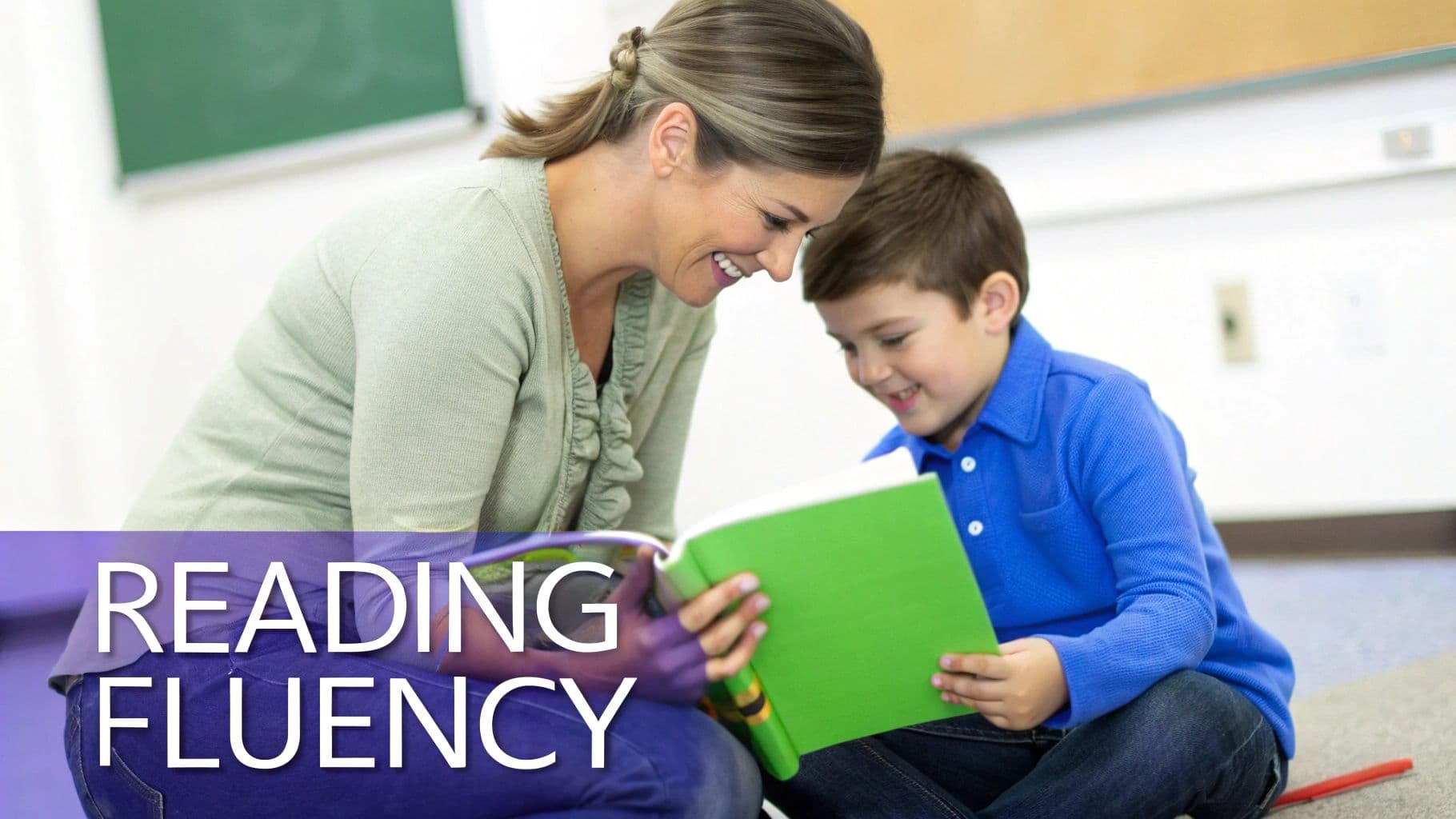
Audiobooks can make it easier for people with ADHD to learn. The act of listening helps block out distractions and provides a consistent pace, which is often hard with print.
- listening While Moving (walking, Cleaning) Can Reduce Restlessness.
- short Chapters Or Clear Narration Keep Attention Better.
- Apps allow you to set sleep timers or bookmarks to avoid overwhelm.
A study published in 2021 found that students with ADHD who used audiobooks reported higher motivation and finished more books. This is a simple but powerful tool for turning scattered time into productive learning.
Credit: www.kuraplan.com
Budget-friendly Ways To Get Audiobooks
You don’t need to spend a lot to get started with audiobooks. There are several free or low-cost options.
- Public libraries: Apps like Libby or OverDrive offer thousands of free audiobooks.
- Trial periods: Platforms like Audible offer free trials for new users.
- Streaming services: Spotify and YouTube have some classic audiobooks for free.
- Sales and bundles: Look out for deals on Google Play Books or Apple Books.
If budget is a concern, start with library apps. All you need is a library card to access a huge selection.
For a deeper dive into audiobook research and trends, check out the Audio Publishers Association 2022 Consumer Survey.
Frequently Asked Questions
How Do Audiobooks Compare To Reading Print Books For Learning?
Audiobooks deliver similar comprehension for most subjects. For stories or lectures, you often remember just as much as from reading. For textbooks with images or graphs, print is better.
Can I Use Audiobooks To Study For Exams?
Yes, especially for review or listening to summaries. Many students listen to class notes or book summaries while commuting or exercising.
Are Audiobooks Helpful For People With Adhd?
Audiobooks help many people with ADHD stay focused. Listening reduces distractions and allows for movement, which is important for some learners.
What Are The Best Types Of Books To Listen To As Audiobooks?
Fiction, biographies, and self-help books work best. Books with lots of images, charts, or heavy technical detail are harder to follow in audio form.
Do I Need Expensive Equipment To Start Listening To Audiobooks?
No, you can use a smartphone and regular headphones. Most audiobook apps work on any device, and many books are free from the library.
If you’ve struggled to finish books, remember: audiobooks aren’t a shortcut—they’re a smart tool for busy lives and unique learning needs. With the right approach, you can turn lost moments into learning time and enjoy stories or lessons in a way that works for you. Give it a try and discover a new world of learning—no matter how busy or distracted you feel.

Credit: bookmarksnblankets.com