
Last Minute Study Tips That Actually Work
Every year, about 56% of students say they start studying only a few days before a big exam. If you’re in this group, you’re not alone—and you’re not doomed. With the right last-minute study strategies, you can boost your memory, confidence, and grades, even if time is tight.
This guide gives you real, science-backed tips to help you make every minute count. You’ll see proven methods, common mistakes to avoid, and powerful do’s and don’ts—all with clear examples and easy steps.
Why Last-minute Studying Works (if You Do It Right)
Many believe that cramming never works. That’s a myth. If you use active learning and smart techniques, you can remember more in less time. For example, research from the University of California found students using active recall scored 30% higher than those rereading notes.
But not all quick study methods are equal. You need focused, high-impact actions. Let’s break down how to study smart when time is running out.
1. Prioritize: Focus On High-value Topics First
Not all topics are equally important. Start by identifying the most tested areas or chapters. Check your syllabus, past papers, or any review guides your teacher gave.
Example: If 60% of your exam covers three chapters, spend most of your energy there.
Pro Tip: Use the Pareto Principle: 80% of results come from 20% of topics. Find that 20%.

Credit: saotg.com
2. Use Active Recall, Not Passive Reading
Don’t just read your notes—quiz yourself. Active recall means trying to remember information without looking.
How to do it:
- Write questions based on your notes.
- Cover the answers, and try to recall them aloud.
- Use flashcards (paper or apps like Anki/Quizlet).
Mistake to Avoid: Highlighting or rereading notes feels productive but is much less effective.
3. Practice With Past Papers And Quizzes
Testing yourself with old exam papers helps you get familiar with question types and timing. Most teachers repeat question formats.
Step-by-step:
- Set a timer and do a practice paper.
- Check your answers and see where you’re weak.
- Review mistakes—don’t just mark them wrong.
Quick Tip: Even 1–2 practice tests can improve scores by 15–20%.

Credit: www.projectivegroup.com
4. Teach What You Learn
Explaining topics to a friend or even to yourself out loud helps you see what you truly understand.
- Pretend to be the teacher.
- If you can’t explain a concept, review it again.
Real Example: A 2014 study showed students who “taught” material remembered 24% more after a week.
5. Use Chunking To Memorize Fast
Trying to remember a lot at once is hard. Chunking means grouping info into small, meaningful units.
Example: Instead of memorizing 12 facts separately, group them into 3–4 related sets.
How: Make lists, mind maps, or color-coded charts.
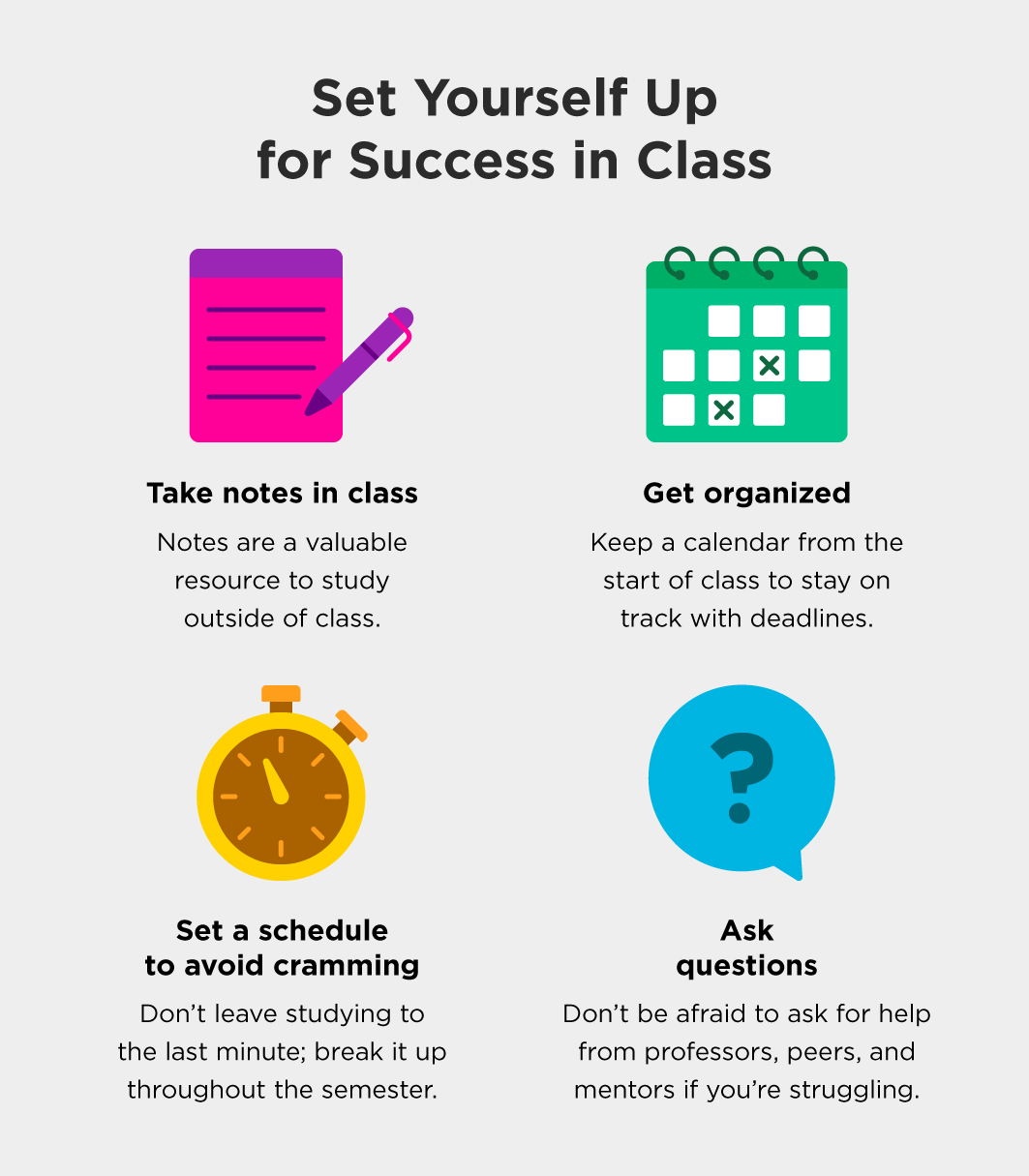
Credit: www.robertsoncollege.com
6. Take Short, Focused Breaks (pomodoro Technique)
Studying for hours nonstop actually reduces retention. Use the Pomodoro Technique:
- Study for 25 minutes.
- Take a 5-minute break.
- Repeat.
After 2 hours, take a longer break (15–20 minutes).
Pro Insight: Regular breaks help your brain process and store new info.
7. Write Cheat Sheets (but Don’t Cheat)
Make a one-page summary of the most important formulas, dates, or concepts. Writing this out helps you remember, even if you can’t bring it to the test.
- Keep it simple: Only the essentials.
- Use color, symbols, or diagrams.
Why it works: This forces you to choose and condense key details.
8. Sleep Smart (don’t Pull All-nighters)
Staying up all night hurts memory and focus. Even a short nap (20–40 minutes) helps your brain “file” new info.
Stat: Students who slept 7–8 hours before a test scored 12% higher on average than those who didn’t.
If you must: Sleep at least 3–4 hours. Review tough topics right before sleep for better recall.
9. Use Mnemonics And Memory Tricks
Mnemonics are shortcuts that help you remember facts or lists. For example, “PEMDAS” for math order of operations.
- Make acronyms or silly sentences.
- Use images or rhymes.
Example: “Every Good Boy Deserves Fruit” (music notes: EGBDF).
10. Cut Distractions And Set Up Your Space
A messy or noisy space kills focus. Clear your desk, silence your phone, and tell family or roommates you need quiet.
Quick Setup:
- Only keep materials for one subject at a time.
- Use noise-cancelling headphones or soft music if needed.
11. Skim, Don’t Read, When Out Of Time
With minutes to spare, skim for bold words, headings, and summaries. Look at diagrams, tables, or any “boxed” info.
Why: Main ideas and key terms often appear in these sections.
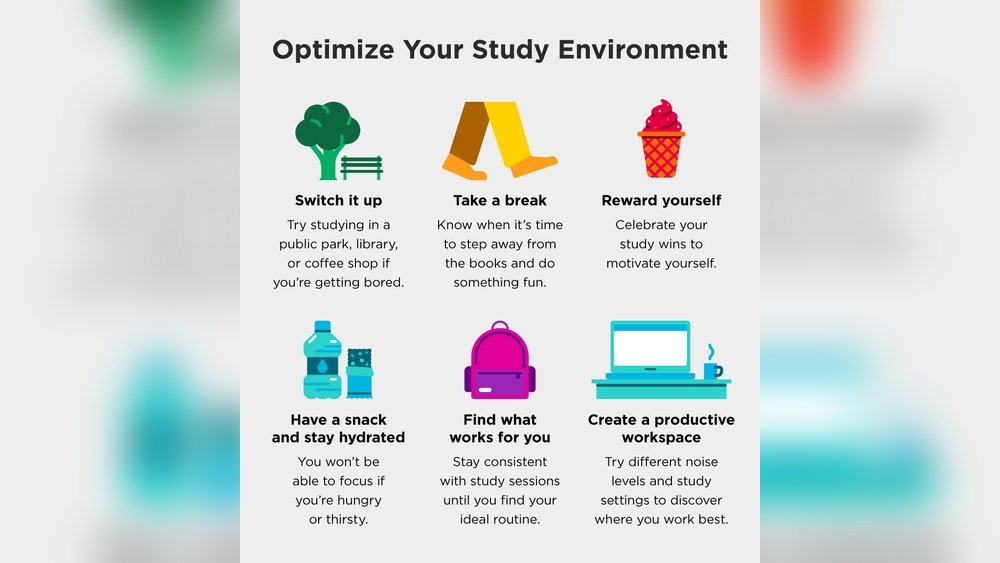
12. Stay Hydrated And Eat Brain-friendly Snacks
Dehydration can cut your focus by 10–15%. Drink water, and snack on nuts, yogurt, or fruit.
Avoid: Heavy meals, junk food, or too much caffeine right before your test.
13. Visualize Success And Stay Positive
Last-minute stress can block memory. Take 2 minutes to close your eyes, breathe deeply, and imagine yourself doing well.
Fact: Studies show a positive mindset improves test performance by up to 8%.
14. Use Study Groups (if You Have 2+ Hours)
If time allows, meet with 1–2 classmates. Share notes, quiz each other, and explain tough concepts.
Warning: Only use groups if you can stay on topic.
15. Don’t Multitask—one Subject At A Time
Switching tasks wastes brain energy. Spend 30–60 minutes focused on one subject before moving to the next.
16. Trust Your Gut On Unfamiliar Questions
If you see a question you don’t know, make your best guess and move on. Don’t waste time.
Exam Tip: First instincts are correct about 60% of the time.
17. Use Apps And Online Resources (if Allowed)
Quick videos (Khan Academy, YouTube) or flashcard apps can clarify tough ideas in minutes.
- Don’t get lost online—set a timer for 15 minutes.
Resource:Khan Academy has quick review videos for most subjects.
18. Mark And Return To Hard Questions
If you’re stuck, mark the question and move on. Come back if time allows.
Why: You’ll get more points by answering what you know first.
19. Plan Your Exam Time
Before you start, check how many questions, and divide your time. For example, 60 minutes for 30 questions = 2 minutes each.
Pro Tip: Save 5 minutes at the end to review.
20. Use Memory Dumps At The Start
As soon as you get your exam, jot down key formulas, dates, or facts you’re afraid you’ll forget.
How: Use the margin or scratch paper.
—
Common Do’s And Don’ts
Here’s a quick side-by-side to keep you on track:
| Do | Don’t |
|---|---|
| Use active recall and practice tests | Reread notes passively |
| Summarize with cheat sheets | Copy everything word-for-word |
| Take breaks (Pomodoro) | Study nonstop for hours |
| Get some sleep | Pull all-nighters |
| Mark and return to hard questions | Waste time stuck on one problem |
—
Quick Comparison: Active Recall Vs Passive Review
| Active Recall | Passive Review |
|---|---|
| Quiz yourself, teach others, use flashcards | Read, highlight, or copy notes |
| Long-term memory boost | Short-term recognition only |
| Higher exam performance (+20-30%) | Little to no improvement |
—
Time Budget Example For A 3-hour Study Sprint
| Task | Duration |
|---|---|
| Prioritize topics and make cheat sheet | 30 minutes |
| Practice with past papers | 60 minutes |
| Active recall + flashcards | 45 minutes |
| Review weak spots | 30 minutes |
| Breaks and reset | 15 minutes |
—
Actionable Takeaways
key Points:
- active Recall And Practice Tests Beat Rereading Every Time.
- short, Focused Sprints With Breaks Boost Memory And Focus.
- get Some Sleep—even A Little Is Better Than None.
- Stay positive, and don’t panic if you run out of time. Work smart, not just hard.
—
You’re not alone if you feel stressed about last-minute studying. Use these 20 proven tips, and you can still perform your best. Remember: it’s about quality, not quantity. Take control, stay focused, and trust the process—every minute can make a difference.
Frequently Asked Questions
How Many Hours Should I Study The Night Before An Exam?
Aim for 2–4 focused hours, with short breaks. Avoid all-nighters—sleep helps your memory.
What’s The Best Quick Way To Remember Facts?
Use active recall and mnemonics. Quiz yourself, and make memory tricks for lists or formulas.
Can I Improve My Grade With Just One Day Of Studying?
Yes—if you focus on high-value topics, practice with old tests, and avoid passive reading.
Is It Better To Study Alone Or In A Group Last Minute?
If you’re easily distracted, study alone. For tough topics, a small, focused group can help.
What Should I Do If I Blank Out During The Test?
Take deep breaths, skip the hard question, and return later. Write down key facts as soon as you start.
For more science-backed study methods, check resources like APA Monitor on Psychology. Good luck—you’ve got this!