Every student struggles with focus at some point. In fact, a study by the University of California found that students lose focus every 6 minutes on average. With distractions from phones, social media, and even our own thoughts, it’s harder than ever to concentrate while studying. But the good news? You can train your brain to focus better. Here’s how you can build strong focus habits and get the most from your study time.
15 Tips To Focus Better While Studying
Let’s break down the most effective ways to improve your focus, avoid common mistakes, and boost your productivity.
1. Set Clear Study Goals
Before you start, decide what you want to achieve. For example, “finish chapter 4” or “review math formulas for 30 minutes. ” Clear goals give your brain a target.
Mistake: Studying without a plan leads to wasted time.
Pro Tip: Write your goal on a sticky note and keep it in front of you.
When you set a specific target, your mind knows exactly what to focus on. This reduces stress and confusion. For example, a vague goal like “study history” is less effective than “write a summary of World War I causes. ” Goals should be simple, measurable, and realistic for the time you have.
If you only have 20 minutes, don’t try to learn an entire chapter. Instead, focus on one or two key points.
2. Break Tasks Into Smaller Steps
Big tasks feel overwhelming. Split them into smaller parts, like reading 5 pages or solving 10 questions.
Example: Instead of “study biology,” try “learn cell structure diagram.”
Benefit: Small wins keep motivation high.
When you complete a small step, your brain releases dopamine, a feel-good chemical that boosts your motivation to keep going. For example, if you need to write an essay, break it down into “make outline,” “write introduction,” “write body paragraph 1,” and so on.
This method also helps you see progress, which is important on days when motivation is low. Many students give up because they only look at the big picture and feel stuck. Remember, small actions add up to big results.
3. Use The Pomodoro Technique
This popular method means studying for 25 minutes, then taking a 5-minute break. Repeat this four times, then take a longer break.
Why it works: Your brain stays fresh, and breaks prevent burnout.
Tip: Use a timer app to stay on track.
If you find 25 minutes too long, start with 15 or 20 minutes. The key is to focus fully during the work period and completely relax during the break. Don’t check your phone or social media during the study block.
During the break, stand up, stretch, or look out the window. Longer study sessions (over an hour) often lead to tiredness and daydreaming. The Pomodoro Technique trains your brain to stay sharp and helps you get more done in less time.
4. Eliminate Distractions
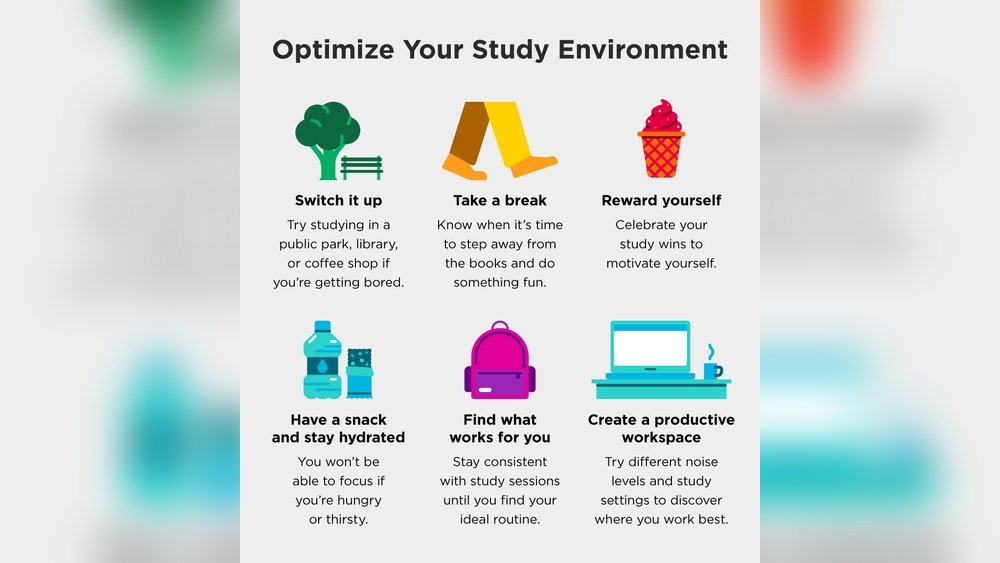
Put your phone on silent or in another room. Close unrelated browser tabs.
Common mistake: Keeping your phone close “just in case.”
Action: List your top 3 study distractions and remove them before starting.
Other distractions include noisy roommates, cluttered desks, and even hunger or thirst. If possible, use noise-canceling headphones or earplugs. Tell family or friends not to disturb you for a set time. Many students think they can “just check” social media for a second, but studies show it takes your brain several minutes to refocus after each interruption.
Removing distractions is not just about willpower—it’s about changing your environment to make focus easier.
5. Design A Dedicated Study Space
Choose a spot just for studying. It should be tidy, well-lit, and quiet.
Example: A desk in your room or a library corner.
Stat: Students with a fixed study area report 23% higher concentration levels.
Your study space doesn’t have to be fancy. The important thing is consistency. When you use the same space for studying, your brain builds an association: “When I’m here, I focus.” Try to keep this area free of clutter, snacks, and unrelated items. If you live with others, let them know when you’re using your study zone. If you can’t control noise, try gentle background sounds like rain or white noise. Even a small corner with a lamp and chair can become your focus zone.
6. Gather Materials Before You Start
Nothing breaks focus like searching for a pen or charger. Gather all books, notes, and supplies first.
Quick checklist: Laptop, charger, water, notebooks, pens.
Before you sit down, imagine what you’ll need for the next hour. Maybe you also need a calculator, sticky notes, or a reference book. Preparing your materials ahead of time helps you stay in the flow. If you realize you forgot something, write it down and grab it during your next break, not in the middle of a study block.
This simple habit can save you 10–20 minutes each session.
7. Set Time Limits
Decide how long you’ll study. For example, “I’ll work on math from 3–4 pm. ”
Why it helps: Time limits create urgency and reduce procrastination.
Pro tip: Use alarms or calendar reminders.
When you know you have only a set amount of time, you’re more likely to focus. Open-ended sessions often lead to distractions. You can also use time limits to balance different subjects. For example, 30 minutes of science, followed by 30 minutes of language practice.
If you struggle to get started, tell yourself, “I’ll just do 10 minutes. ” Starting is often the hardest part—once you begin, it’s easier to keep going.
8. Prioritize Difficult Subjects First
Tackle your hardest subjects when your mind is fresh, usually at the start of your session.
Mistake: Leaving tough topics for last.
Benefit: Hard work done early means less stress later.
This approach is called “eating the frog”—doing the hardest thing first. When you finish a tough task, you’ll feel a sense of relief and confidence for the rest of your study time. If you leave difficult work until late, you’ll likely feel tired and avoid it.
You don’t have to finish the entire subject, but make progress when your brain is at its best.
9. Take Active Breaks
During breaks, move your body—stretch, walk, or do a quick workout.
Fact: Physical activity boosts blood flow to your brain and helps you focus better.
Even simple movements, like rolling your shoulders or shaking out your hands, can make a difference. Try stepping outside for fresh air or doing a few yoga poses. Avoid spending breaks on your phone, as this can overload your brain with new information.
Instead, let your mind rest. If you feel sleepy, a quick walk or splash of cold water can wake you up.
10. Practice Mindfulness
Spend 2–5 minutes doing deep breathing before you study. Mindfulness sharpens attention and calms nerves.
Example: Try the “4-7-8” method—inhale for 4 seconds, hold for 7, exhale for 8.
You can also try simple meditation apps or listen to calming music before you start. Mindfulness is not only for stress—it trains your brain to notice when you lose focus, so you can gently bring your attention back to your work.
Some students find that writing down their worries before studying clears their mind. If you feel anxious about exams, a few minutes of breathing can reduce your heart rate and make it easier to concentrate.
11. Keep Water And Healthy Snacks Nearby
Dehydration or hunger reduces concentration. Keep a bottle of water and light snacks like nuts or fruit handy.
Tip: Avoid sugary drinks—they cause energy crashes.
Your brain uses a lot of energy when studying. Even mild dehydration can make you feel tired or give you a headache. Healthy snacks like apples, yogurt, or a handful of almonds keep your energy steady. Avoid chips, candy, or soda.
If you feel hungry or thirsty, you’re more likely to lose focus or get grumpy. Try to drink a glass of water every hour.
12. Review And Reflect After Each Session
Take a minute to check what you learned. Write a short summary or quiz yourself.
Why it works: Reviewing strengthens memory and highlights weak spots.
This practice is called “active recall.” Instead of just reading your notes again, close your book and see what you remember. If you can’t explain a topic in your own words, that’s a sign you need to review more. At the end of each session, ask yourself: “What did I learn? What was difficult? What should I focus on next time?” This habit makes future study sessions more effective.
13. Limit Multitasking
Focus on one subject at a time. Switching tasks makes you forget details and lowers your grades.
Common myth: “I study better with music or TV.” In reality, this splits your focus.
Research shows that multitasking, like switching between homework and texting, reduces your IQ as much as losing a night of sleep. Try to finish one task before starting another. If you really need background noise, choose soft, instrumental music or sounds without words.
Multitasking can also include checking emails or chatting with friends while studying—both are focus killers.
14. Use Study Aids And Tools
Flashcards, mind maps, or summary sheets help organize information and keep you engaged.
Example: Create digital flashcards with apps like Anki.
Pro tip: Teach the material to a friend—it’s the best test of true understanding.
You can also use color-coded notes, diagrams, or voice memos to vary your study routine. Different tools work for different subjects—for example, mind maps are great for history, while flashcards are perfect for vocabulary. If you’re stuck, try drawing a picture of the concept or making a short quiz for yourself.
Teaching someone else forces you to explain clearly, which reveals any gaps in your knowledge.
15. Get Enough Sleep
Your brain needs rest to focus and remember information. Most students need 7–9 hours per night.
Fact: One night of poor sleep can reduce concentration by 30%.
Sleep is when your brain processes and stores new information. If you stay up late to study, you might actually remember less the next day. Try to keep a regular bedtime, even on weekends. If you have trouble sleeping, avoid screens for an hour before bed and keep your room cool and dark.
Napping for 20–30 minutes can also boost focus, but avoid sleeping longer or too late in the day.
—
Common Mistakes To Avoid
You might be using some bad habits without knowing. Here are the top mistakes:
| Mistake | Why It’s Harmful | Quick Fix |
|---|---|---|
| Studying with your phone | Distractions, lost time | Put it out of reach |
| Long, non-stop sessions | Mental fatigue, less retention | Use short blocks and breaks |
| Messy workspace | Anxiety, wasted time | Tidy up before starting |
| Not reviewing notes | Forget material quickly | Summarize after studying |
Many students don’t realize how much these mistakes cost them. For example, even glancing at your phone just twice in an hour can add up to 15–20 minutes of lost focus. Messy workspaces also create mental clutter, making it hard to start or continue.
Reviewing notes is often skipped, but it is one of the most powerful habits for long-term learning.

Credit: www.candymag.com
Actionable Do’s And Don’ts
Here’s a quick reference to keep you on track:
| Do | Don’t |
|---|---|
| Set clear, small goals | Start without a plan |
| Take regular breaks | Study for hours non-stop |
| Review after studying | Close your book and walk away |
| Sleep well | Pull all-nighters |
If you’re not sure what to do next, look at this list. Many top students say that following these simple “do’s” made the biggest difference in their grades—not just studying harder or longer.
Sample 2-hour Study Block
This plan puts the tips above into practice.
| Time | Activity |
|---|---|
| 0:00-0:25 | Study (Pomodoro 1) |
| 0:25-0:30 | Break: Stretch & drink water |
| 0:30-0:55 | Study (Pomodoro 2) |
| 0:55-1:00 | Break: Quick walk |
| 1:00-1:25 | Study (Pomodoro 3) |
| 1:25-1:30 | Break: Snack & reflect |
| 1:30-1:50 | Review notes, self-test |
| 1:50-2:00 | Pack up, plan next session |
If you only have an hour, cut the plan in half. If you have more time, add extra Pomodoro blocks and breaks. Remember, quality is more important than quantity. Even two focused hours can be more productive than five distracted ones.

Credit: rasphilacademy.com
Key Takeaways
- Start with a clear goal and a tidy space for every session.
- Use short study blocks and active breaks to refresh your mind.
- review And Reflect After Each Session For Better Memory.
- remove Distractions—especially Your Phone!
- sleep And Eat Well To Support Your Brain’s Focus Power.
Small changes in your daily routine can create big improvements in focus and grades. It’s not about being perfect, but about building strong habits over time. If you slip up, don’t be hard on yourself—just start again.
Frequently Asked Questions
How Long Should I Study Without A Break?
Most experts suggest 25–50 minutes at a time, then take a 5–10 minute break. The Pomodoro Technique (25 minutes study, 5 minutes break) is a proven method for most students.
Some students can focus for longer, but it’s better to stop before you feel tired. If you notice your mind wandering, it’s time for a break—even if it’s just to stand up and stretch.
Is It Bad To Listen To Music While Studying?
Music with lyrics can distract your focus. If you like background sound, try instrumental or nature sounds instead. Some students find silence works best.
Experiment with different types of music. For some, video game soundtracks or classical music improve focus. But if you catch yourself singing along or tapping to the beat, switch to quieter sounds or silence.
What If I Keep Getting Distracted By My Phone?
Put your phone in another room or use an app blocker. Even a quick check can break your focus and cost minutes of lost time.
Try “do not disturb” mode or give your phone to a parent for your study period. Some students use apps that lock distracting apps during their study block. Building self-control takes time, so don’t feel bad if it’s difficult at first.
How Can I Remember What I Study?
After each session, summarize key points out loud or in writing. Use flashcards or quiz yourself. Teaching someone else is a powerful way to remember.
Mix up your methods—draw diagrams, write summaries, or create practice questions. The more ways you interact with the material, the deeper you’ll remember it.
Where Can I Find More Strategies On Focus?
You can read more about focus techniques and attention research on the Wikipedia: Attention page.
—
Building better focus is a skill you can train with practice. Try these 15 tips, experiment to see what works best for you, and you’ll discover that studying becomes easier and more rewarding. Stay patient—every session is a step closer to your goals.
Over time, you’ll notice that you get more done in less time, feel less stressed, and actually enjoy learning. Focus is not something you’re born with—it’s something you build, one small step at a time.

Credit: www.fallindesign.com