
The Pomodoro Technique For Students — Complete Guide
Ever wondered why so many students struggle to focus for more than 15 minutes? Research from Microsoft found the average human attention span is now just 8 seconds—even shorter than a goldfish. Distractions steal study time, but the right method can help you beat the odds. The Pomodoro Technique is a simple but powerful way to study smarter, not longer. Used by top students and recommended by learning experts, it helps you get more done with less stress.
It’s easy to feel stuck when you stare at a huge textbook or a list of assignments. The Pomodoro Technique breaks study time into small, focused bursts. This makes even the hardest subjects less overwhelming. If you want to feel in control, finish more work, and have time to relax, this method could change your student life.
What Is The Pomodoro Technique?
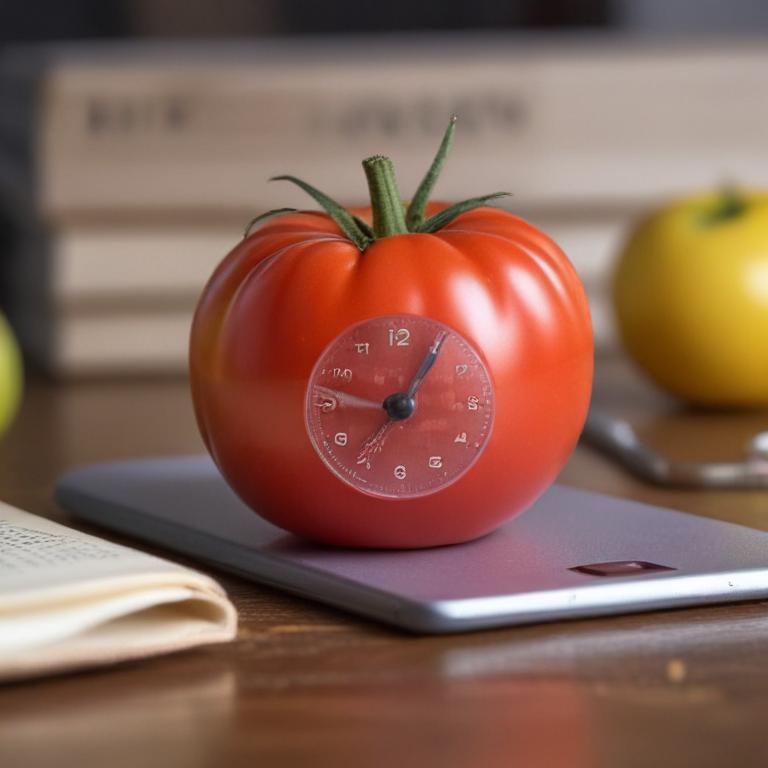
The Pomodoro Technique is a time management method created by Francesco Cirillo in the late 1980s. “Pomodoro” means “tomato” in Italian—named after the tomato-shaped kitchen timer Cirillo used as a student.
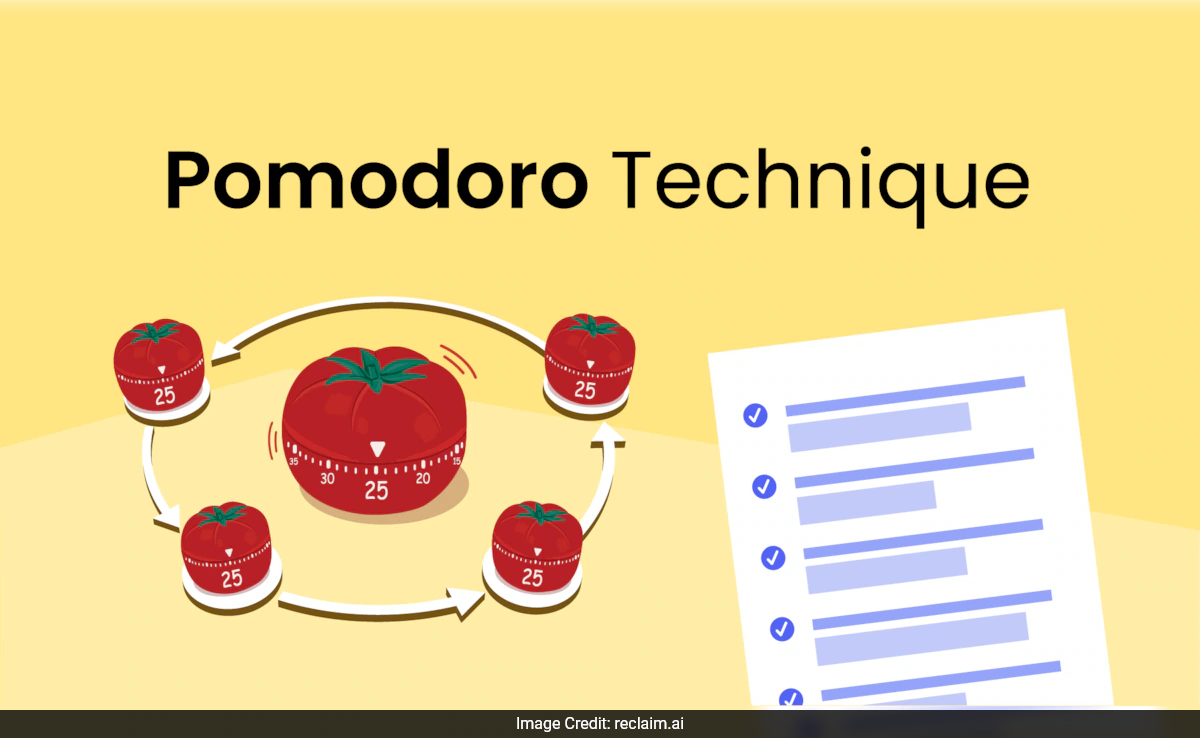
At its heart, the technique is simple:
- Work for 25 minutes
- Take a 5-minute break
- Repeat the cycle 4 times
- After four cycles, take a longer break (15–30 minutes)
Each cycle is called a “Pomodoro. ” The method trains your brain to focus in short bursts, keeping energy and motivation high.
Many students find it easier to start tasks using this system. You only need to focus for 25 minutes, not hours. This helps overcome the fear of big projects and makes it much easier to begin. Even students with ADHD or those who get distracted easily can find Pomodoro helpful, as the short time limit feels doable.
Analogy: Sprints, Not Marathons
Think of the Pomodoro Technique like running sprints instead of a marathon. You push hard for a short time, rest, then go again. This makes big study tasks less scary and helps you avoid burnout.
For example, imagine you need to read 40 pages for history class. Reading all at once feels heavy, but four sprints of 10 pages with breaks is much easier. Just like athletes, students perform better when they mix effort and recovery.
How The Pomodoro Technique Works (step-by-step)
Here’s how to start using the technique right away:
1. Choose A Task
Pick something clear—writing an essay, reading a chapter, solving math problems. The key is to be specific. Instead of saying “study science,” try “review Chapter 5 notes” or “answer ten practice questions. ”
2. Set A Timer For 25 Minutes
Use your phone, a kitchen timer, or apps like Focus Booster or Pomofocus. The physical act of setting a timer signals your brain it’s time to work. If you use your phone, turn on Do Not Disturb to avoid interruptions.
3. Work Until The Timer Rings
Stay focused. No checking your phone or opening new tabs. If you remember something unrelated, jot it down for later. This keeps your mind clear and prevents multitasking.
4. Take A 5-minute Break
Stand up, stretch, get water, or breathe deeply. Don’t check social media. Short breaks help your mind rest and prepare for the next round. Try walking around your room or doing a quick mindfulness exercise.
5. Repeat
After four Pomodoros, take a 15–30 minute break. This longer rest helps your brain recover before starting another round.
Example: Studying For A Biology Exam
- 1st Pomodoro: Review class notes
- Short break
- 2nd Pomodoro: Make flashcards
- Short break
- 3rd Pomodoro: Test yourself
- Short break
- 4th Pomodoro: Review mistakes
- Long break
Suppose you have a full afternoon for study. You can repeat this cycle for different subjects or split a single topic into more detailed steps, such as drawing diagrams, summarizing pages, or explaining concepts out loud.
Common Mistakes To Avoid
- Skipping breaks (“I’ll just keep going”)—this leads to fatigue. Over time, your focus drops and mistakes increase.
- Multitasking—switching tasks ruins focus. If you try to answer texts or emails, your brain needs extra time to refocus.
- Using breaks for social media—this overstimulates your brain. It’s easy to lose track of time and return to studying feeling scattered.
Another mistake is not planning your Pomodoros. If you don’t know exactly what to work on, you’ll waste time deciding during your session.
Credit: www.ndtv.com
Why The Pomodoro Technique Works
Proven Benefits
- Boosts focus: Your brain can handle short sprints better than hours of work.
- Reduces procrastination: A 25-minute task feels less scary than a 3-hour study block.
- Improves memory: Regular breaks help your brain absorb and store information.
- Prevents burnout: Frequent rests keep your energy high.
- Makes progress visible: Tracking each Pomodoro shows how much you’ve done, which motivates you to keep going.
Real-world Data
A study published in the journal Cognition (2011) showed that short breaks during learning improve attention by up to 30%. The Pomodoro method builds this into your routine.
Another study found that students who divided study time into sessions with breaks remembered more after a week, compared to those who crammed. You might forget less by giving your brain time to rest.
How It Helps Students
- Tackles long assignments bit by bit
- Helps with exam revision schedules
- Keeps you from zoning out in long study sessions
- Builds momentum—each Pomodoro completed boosts your confidence
For example, if you struggle with writing essays, use the first Pomodoro for brainstorming, the next for outlining, then draft a paragraph in each following session. This structure stops you from feeling lost or overwhelmed.
Setting Up Your Pomodoro Study Environment
A good setup makes the Pomodoro Technique more powerful. Here’s what to do:
Essential Tools
- Timer: Use a real timer, phone, or a Pomodoro app.
- To-Do List: Write down your tasks for the day.
- Notebook: For quick notes or tracking Pomodoros.
A checklist or paper tracker can help you see your progress and stay motivated. Try drawing tomato icons or checkboxes for each completed session.
Optional Extras
- Noise-cancelling headphones: Block out distractions.
- Background music: Try instrumental or white noise playlists.
- Apps: Focus To-Do, Forest, or Marinara Timer.
Some students find that gentle music or white noise (like rain sounds) keeps their mind from wandering. Test what works for you—everyone is different.
Organizing Your Study Space
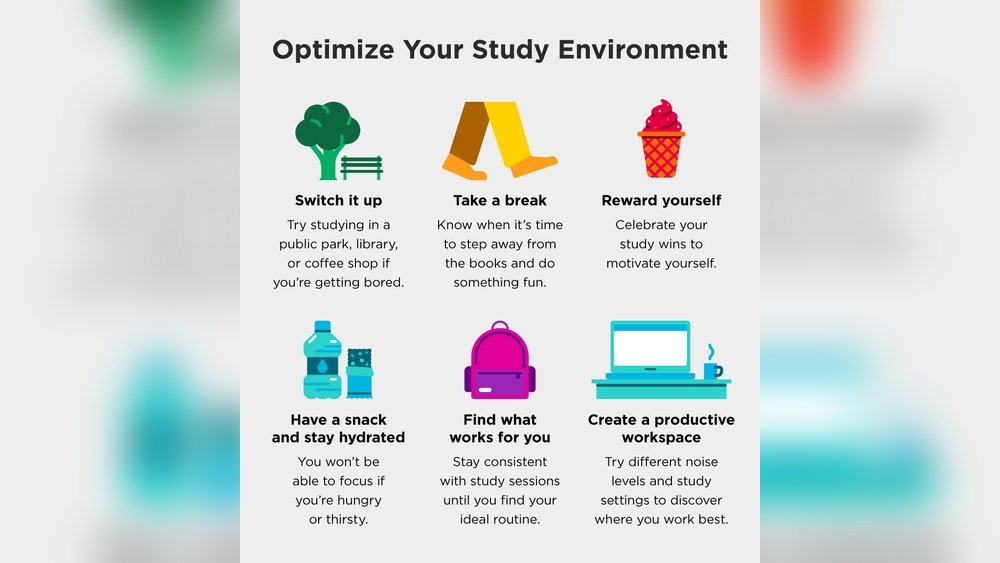
- Clear your desk—remove anything you don’t need.
- Turn off phone notifications, or put your phone in another room.
- Have water and a snack nearby so you don’t get up mid-session.
Lighting also matters. A well-lit room helps you stay alert. Try to use a chair with good back support. If you study in a shared space, let people know you need quiet during your Pomodoro.
Pomodoro Technique Vs. Other Study Methods
How does Pomodoro compare to other popular techniques? See the table below:
| Method | Session Length | Breaks | Best For |
|---|---|---|---|
| Pomodoro | 25 min | 5 min (short), 15–30 min (long) | Short focus, avoiding burnout |
| 90-Minute Study | 90 min | 15–20 min | Deep work, long projects |
| Ultradian Rhythm | 60–90 min | 15–20 min | Creative work, problem solving |
| Time Blocking | Flexible | Flexible | Busy schedules, many tasks |
Pomodoro is ideal for most students because it’s simple, flexible, and easy to start.
If you need to focus for long periods, you can try longer sessions like the 90-minute method. But for most schoolwork, Pomodoro is easier to fit into a busy day and helps keep your brain fresh.
Real-world Applications For Students
You can use the Pomodoro Technique for:
- Essay writing: Break down research, outline, and writing into Pomodoros.
- Exam revision: Cycle through subjects and topics.
- Language learning: Practice vocabulary, grammar, and listening separately.
- Group work: Keep meetings short and productive.
It also works for daily tasks like organizing your notes, answering emails, or preparing presentations. You can even use Pomodoro for chores—clean your room in one session, then relax.
Example: Group Project
Each team member works on their part for a Pomodoro, then shares updates during breaks. This keeps meetings focused and avoids wasted time.
For instance, in a science project, one student researches, another creates slides, and a third writes the summary—all in separate Pomodoros. After 25 minutes, everyone checks in and helps each other solve problems.
Credit: fedorico.com
Myths Vs. Facts About The Pomodoro Technique
Let’s clear up some common misunderstandings:
| Myth | Fact |
|---|---|
| You must use exactly 25 minutes | You can adjust to 20–50 minutes based on your focus |
| Pomodoro is only for studying | Works for work, hobbies, and chores too |
| Breaks are a waste of time | Breaks help your brain recharge and improve memory |
| It’s only for people with good focus | Great for anyone, especially if you get distracted easily |
Some students think Pomodoro is too rigid, but it’s actually flexible. If you’re “in the zone,” finish your session, then take a break. The goal is to build a habit, not follow strict rules.
Pro Tips For Mastering Pomodoro
- Start small: Try just one or two Pomodoros your first day. Build up as you get comfortable.
- Stack Pomodoros: Use several back-to-back for big assignments.
- Track progress: Mark each session on a paper or app. This motivates you.
- Tweak timings: If 25 minutes feels short or long, adjust to what works for you.
- Plan breaks: Use them for healthy snacks, stretching, or fresh air.
- Batch tasks: Group similar tasks in one Pomodoro for better focus.
Non-obvious Insights
- Pomodoro helps spot distractions: If you keep pausing, you’ll see what pulls your attention. For example, if you always check your phone, try putting it out of reach.
- Over time, you’ll need fewer breaks: Your brain adapts, and you can extend focus.
- Reviewing your Pomodoros at the end of the day helps you plan better for tomorrow. You’ll know which tasks take longer and which you can finish quickly.
- If you lose focus during a session, don’t quit—just notice it and return to your task. This builds self-discipline.
Do’s And Don’ts For Pomodoro Success
Here’s a quick reference:
| Do’s | Don’ts |
|---|---|
|
|
Another tip: share your Pomodoro plan with a study buddy. When you both commit to focused sessions, you’re less likely to give up or get distracted. Accountability boosts results.
Key Takeaways
- The Pomodoro Technique helps students focus, avoid procrastination, and manage study stress.
- Work for 25 minutes, break for 5 minutes, repeat. Adjust times if needed.
- great For Exams, Essays, Language Learning, And Group Projects.
- start Small And Tweak To Fit Your Style—consistency Is Key.
- Use real tools, avoid multitasking, and celebrate each Pomodoro you finish.

Credit: cwi.edu
Frequently Asked Questions
How Many Pomodoros Should I Do In A Day?
Most students find 6–8 Pomodoros (about 3–4 hours of focused work) is effective. Adjust based on your goals and energy. Some days you may do more, some less. Listen to your body and mind.
Can I Change The Length Of Pomodoros?
Yes. If 25 minutes feels too short or long, try 20 or 50 minutes. The key is consistency, not the exact number. Test different lengths to find your best focus window.
What Should I Do During Breaks?
Use breaks for stretching, relaxing, or quick walks. Avoid screens and social media to let your brain rest. You can also do a simple breathing exercise or grab a glass of water.
Does Pomodoro Work For All Types Of Study?
It works best for reading, note-taking, writing, and problem-solving. For creative work, you may want longer sessions. If you’re practicing music or art, try a double Pomodoro (50 minutes) before a longer break.
Are There Any Recommended Pomodoro Apps?
Yes. Try Focus To-Do, Forest, or Pomofocus. They help track your sessions and keep you motivated. For more, visit Wikipedia’s Pomodoro Technique page.
The Pomodoro Technique is a game-changer for students. With a timer, a plan, and short breaks, you can boost grades, cut stress, and actually enjoy learning. Give it a try—your brain (and your future self) will thank you.