
Every year, over 85% of students say they feel stress before final exams. This pressure is real, but with the right strategy, you can turn anxiety into achievement. Preparing for final exams isn’t just about hard work—it’s about working smart. Whether you struggle to focus, feel lost in textbooks, or want better grades, this guide will show you clear, proven steps to prepare. With practical examples, helpful tables, and real tips from top students, you’ll learn to study efficiently, avoid common mistakes, and walk into your finals with confidence.
Why Good Exam Preparation Matters
Final exams can decide your grades for the year. They test more than memory—they test understanding, time management, and stress control. When you prepare well, you remember more, make fewer mistakes, and feel calmer during the test. Studies show that students who use a clear study plan score 20–30% higher on average.
Good preparation also builds your confidence. If you know you have covered all topics, you walk into the exam with less fear. A smart plan also saves you time—so you’re not struggling the night before. Many students only realize too late that small, regular review is far more effective than last-minute study. Think of exam prep as building a house: if you lay one brick each day, you finish on time, but if you try to build the whole thing in a weekend, it’s overwhelming and falls apart.
Step 1: Set Clear Goals And Understand The Syllabus
Before you start, know what you are aiming for. Review your course syllabus and mark important chapters, topics, and types of questions.
How To Set Smart Study Goals
- Break down big subjects into smaller topics.
- Decide what score you want in each subject.
- Prioritize topics by importance and your comfort level.
Setting goals gives you direction. For example, if you want to move your English grade from a B to an A, focus on the areas that lost you marks last time—maybe essay structure or grammar. Don’t just say, “I’ll try harder.
” Instead, say, “I will practice two essays each week. ”
Example: If math has 10 chapters but 4 chapters cover 60% of the exam, focus first on those.
Pro Tip: Always ask your teacher if you’re unsure what’s important. Sometimes, they give hints about focus areas.
Another smart move: Check the pattern of past exams. Sometimes, certain topics come every year. This helps you focus your energy on what matters most.
Step 2: Make A Realistic Study Plan
A study plan helps you organize your time and avoid last-minute panic. Use a calendar or app to schedule sessions for each subject.
What A Study Plan Should Include
- Study sessions (1-2 hours each)
- Short breaks (5-10 minutes every hour)
- Review days before the exam
Here’s a simple weekly study plan for three subjects:
| Day | 9–11 am | 1–3 pm | 4–5 pm |
|---|---|---|---|
| Monday | Math | English | Review |
| Tuesday | Science | Math | Break |
| Wednesday | English | Science | Practice Test |
Mistake to Avoid: Don’t plan for long study marathons. Your brain learns better in shorter, focused sessions.
Adjust your plan as you go. If you miss a session, don’t give up—just move it to another day. Flexibility is key. Remember, life is unpredictable, and sometimes you need to rest or handle unexpected tasks.
A well-planned week also includes time for relaxation and hobbies. This balance keeps your mind fresh and prevents burnout.
Step 3: Gather Materials And Organize Notes
Don’t waste time searching for materials. Collect all your textbooks, class notes, past papers, and handouts before starting.
Tips For Organizing Study Materials
- Use folders or binders for each subject.
- Make a checklist of missing materials.
- Use sticky notes to mark important pages.
Insider Insight: Many top students re-write notes in their own words. This helps understanding and memory.
Try color-coding your notes: use different colors for definitions, formulas, and key points. This visual system helps your brain find information faster during revision. If you’re missing notes, ask friends or classmates early—don’t wait until the last week.
Another tip: Digitize key notes. Taking photos or scanning important pages makes it easy to review anytime, even on your phone while commuting.
Step 4: Use Proven Study Techniques
Different subjects need different study methods. Some topics require memorization, others need problem-solving.
Popular Study Techniques
- Active Recall: Test yourself, don’t just read.
- Spaced Repetition: Review topics again after a few days.
- Mind Mapping: Draw diagrams to link ideas.
- Practice Papers: Solve old exam papers under timed conditions.
Example: For history, quiz yourself on dates. For math, practice problems until you make zero mistakes.
Myth vs Fact Table:
| Myth | Fact |
|---|---|
| You must study all night before exams. | Sleep is crucial for memory and focus. |
| Reading notes is enough. | Testing yourself is more effective. |
| You must start months in advance. | Even 2–3 weeks of smart study can help a lot. |
Try combining methods. For example, after making a mind map, use active recall to quiz yourself on each branch. If you’re a visual learner, draw diagrams. If you’re an auditory learner, record yourself explaining topics and listen back. These extra steps turn passive reading into real learning.
Step 5: Practice With Timed Tests
Doing practice exams is the best way to prepare for the real thing. Time yourself like in the actual exam.
Benefits Of Practice Tests
- Get used to the exam format.
- Find out which topics you forget.
- Improve time management.
Pro Tip: After each practice test, review your mistakes and redo those questions. This is where real learning happens.
Sometimes, students feel discouraged when they score low on practice tests. Remember, this is normal at first—the goal is to improve. Track your progress in a notebook. Note which types of questions slow you down, and focus extra practice there.
Try simulating exam conditions: Sit at a desk, no phone, and only the allowed materials. This helps control nerves on the actual day, since you’ll know what to expect.

Credit: www.amazon.com
Step 6: Master Time Management
Time can disappear quickly when exams approach. Learn to use your study hours wisely.
How To Avoid Wasting Time
- Turn off your phone or use apps that block distractions.
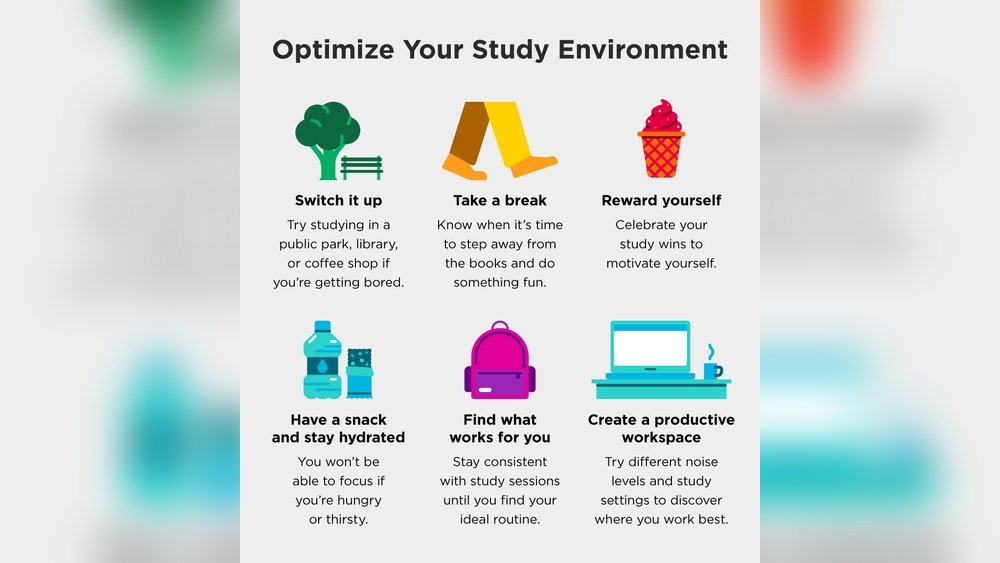
- Study in a quiet place with good lighting.
- Set a timer for each session.
Example: Study for 50 minutes, then take a 10-minute break. Repeat.
If you struggle to stay on track, try the Pomodoro technique: 25 minutes focused work, 5-minute break, and repeat. Small rewards after each session—like a favorite snack or short walk—can keep you motivated.
Be honest about your “time traps. ” Social media, TV, or even chatting with friends can eat hours without you noticing. Prepare your study space before you begin so everything you need is within reach.
Step 7: Take Care Of Your Body And Mind
Your brain works best when you are healthy. Don’t ignore sleep, food, or exercise.
Tips For Staying Healthy During Exams
- Sleep 7–8 hours each night.
- Drink water and eat healthy snacks.
- Take short walks or stretch between study sessions.
Stat: Students who sleep well score 11% higher on average than those who don’t.
Try to avoid too much caffeine or energy drinks, which can harm your focus. Instead, eat balanced meals with protein, fruits, and vegetables. If you feel tired, a 15-minute nap can refresh your brain more than another hour of tired study.
Taking time for hobbies or talking with friends helps reduce anxiety. Remember, a healthy mind is as important as a healthy body.
Step 8: Review, Don’t Cram
Reviewing is more effective than last-minute cramming. Spend the last week revising key points and solving past papers.
How To Review Effectively
- Make summary sheets for each topic.
- Teach concepts to a friend or family member.
- Use flashcards for quick review.
Mistake to Avoid: Don’t try to learn new topics right before the exam. Focus on what you already know.
As you review, look for patterns in past exams. Are certain questions repeated? Use this to guide your last-minute revision. Summaries and flashcards are great for quick checks, especially on the morning of the exam.
If you have a study partner, spend time quizzing each other. This is often more engaging than solo review and helps fill knowledge gaps.
Step 9: Stay Positive And Manage Stress
A positive mindset can improve your performance. Stress is normal, but you can control it.
Stress-reducing Techniques
- Take deep breaths when you feel anxious.
- Visualize yourself doing well in the exam.
- Talk to someone if you feel overwhelmed.
Insider Insight: Many top students use short meditation or mindfulness exercises to calm their minds before studying.
Another helpful trick: Write down three things you did well each day. This builds confidence and motivation. If you feel stuck, take a few minutes to stretch or listen to calming music. Remember, everyone feels stress—what matters is how you handle it.

Credit: www.saltsolutions.com
Step 10: Prepare Everything For Exam Day
Don’t let small things ruin your performance. Prepare your supplies and know the exam rules.
Exam Day Checklist
- Admit card or ID
- Pens, pencils, eraser, ruler
- Watch (if allowed)
- Water bottle and snacks
- Know your seat and exam time
Pro Tip: Visit the exam center a day before if you are unfamiliar with the location.
Plan your route and aim to arrive early. If you use a watch, set it to the correct time. Prepare your outfit and bag the night before so you avoid rushing in the morning. Check all exam guidelines—some places ban certain items like smartwatches or calculators.
If you feel nervous on the day, take slow, deep breaths. Remind yourself you are ready and you’ve prepared well.
Do’s And Don’ts For Final Exam Preparation
Here’s a quick comparison table to keep you on track:
| Do | Don’t |
|---|---|
| Start early and stay consistent | Leave everything for the last minute |
| Practice with old exams | Just read textbooks passively |
| Sleep and eat well | Skip meals or sleep to study more |
| Ask for help if stuck | Keep doubts to yourself |

Credit: stanton.edu
Key Takeaways
- start With Clear Goals And A Realistic Study Plan.
- Use active recall, spaced repetition, and practice tests for better results.
- take Care Of Your Health—sleep, Nutrition, And Breaks Matter.
- avoid Cramming And Focus On Reviewing Key Points.
- stay Positive And Prepare Everything For Exam Day.
Non-obvious insight: Many students forget to practice writing full answers. This skill is as important as knowing the content, especially for essay-based exams.
Another non-obvious tip: Explaining concepts to someone else—even if it’s just a family member—helps you remember and understand better.
Frequently Asked Questions
How Early Should I Start Preparing For Final Exams?
Ideally, start preparing at least 4–6 weeks before your finals. However, even if you have less time, a focused plan can still boost your results.
What Is The Best Way To Remember Information For Exams?
Use active recall and spaced repetition. Quiz yourself regularly and review topics after a few days to make information stick.
How Can I Avoid Exam Stress?
Prepare early, take regular breaks, sleep well, and use relaxation techniques like deep breathing. Talk to someone if you feel too anxious.
Is It Better To Study Alone Or In Groups?
Both can work. Solo study is good for focus; group study is great for discussing doubts and teaching each other. Try both and see what suits you.
Where Can I Find Reliable Study Resources?
Use your class notes, teacher advice, and official websites like Khan Academy for trusted materials.
Final exams can seem scary, but with the right approach, you can turn stress into success. Remember: smart planning, healthy habits, and proven techniques make all the difference. Stay confident—you’ve got this!