Backpacks Vs Messenger Bags — Which Is Better For Students?
Did you know? According to the American Chiropractic Association, over 79% of students experience back or shoulder pain from carrying bags incorrectly. The right bag can boost comfort, productivity, and even health. But with so many choices, how do you pick between a backpack and a messenger bag? Let’s break down the differences, see which bag style fits your student life, and help you make a decision you won’t regret.
What Makes Backpacks And Messenger Bags Different?
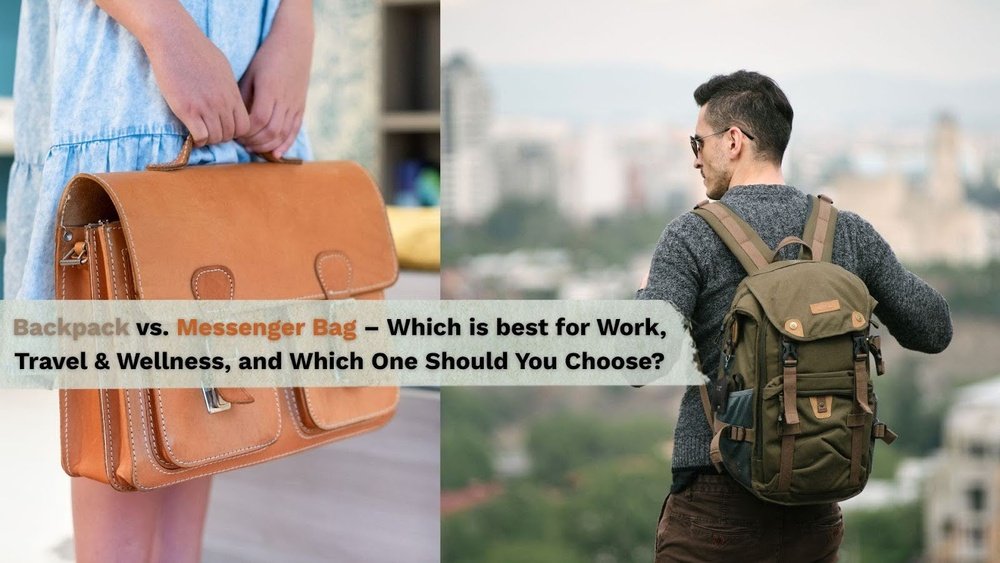
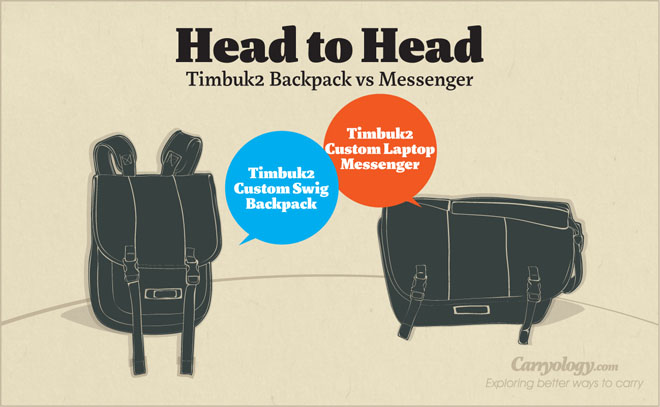
Backpacks are carried on both shoulders with two straps, distributing weight evenly across your back. Messenger bags, on the other hand, use a single crossbody strap and rest on one side of your body, usually near the hip.
Backpacks are often seen on high school and college campuses. They’re designed for carrying books, laptops, and supplies for a full school day. Messenger bags are popular among university students, cyclists, and those who want fast access to their items.
Real-world Example
Sara, an engineering student, lugs heavy textbooks daily. She prefers a padded backpack to avoid shoulder pain. Mark, a graphic design major, usually carries a laptop and a sketchbook. He loves his messenger bag for its style and quick access.
Key Factors To Consider
Choosing between a backpack and a messenger bag depends on several factors:
- Weight of items — Are you carrying a lot?
- Comfort — How does the bag feel after a long day?
- Access — Do you need to grab things quickly?
- Style — What look do you want?
- Health — Will the bag affect your posture or back?
- Organization — How many pockets and dividers do you need?
- Weather protection — Will your bag face rain or snow?
- Budget — How much can you spend?
- Commute type — Do you walk, bike, or use public transport?
Let’s dive into each aspect.
Credit: www.carryology.com
Comfort And Ergonomics
Backpacks win for comfort, especially with heavy loads. Two padded straps balance the weight, reducing strain on your back, neck, and shoulders.
Messenger bags can cause one-sided strain if overloaded. Over time, carrying heavy items on one side may lead to bad posture or pain.
> > Pro Tip: Choose a backpack with padded straps and back panel if you carry more than 10% of your body weight.
>
> Pro Tip: Choose a backpack with padded straps and back panel if you carry more than 10% of your body weight.
>
Organization And Storage
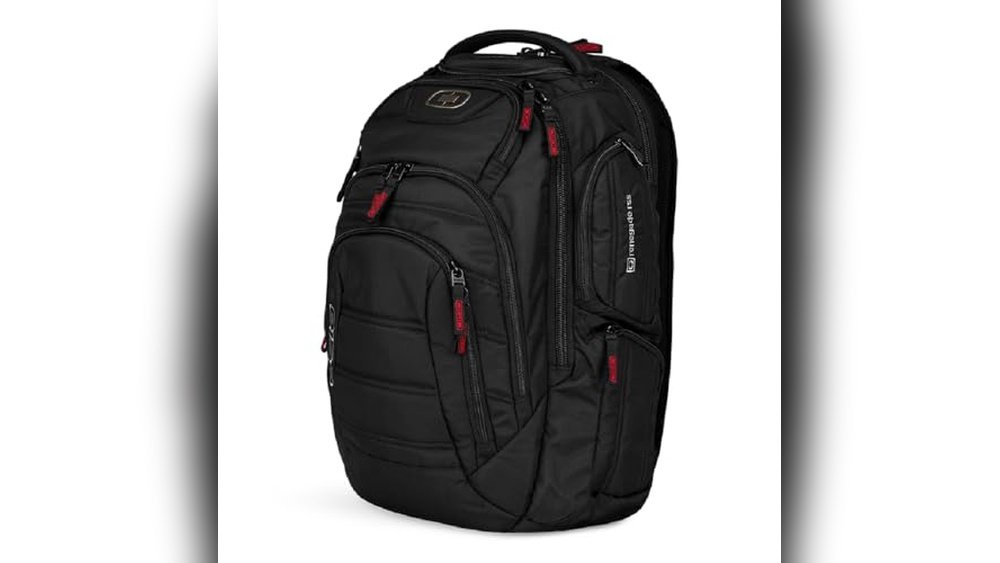
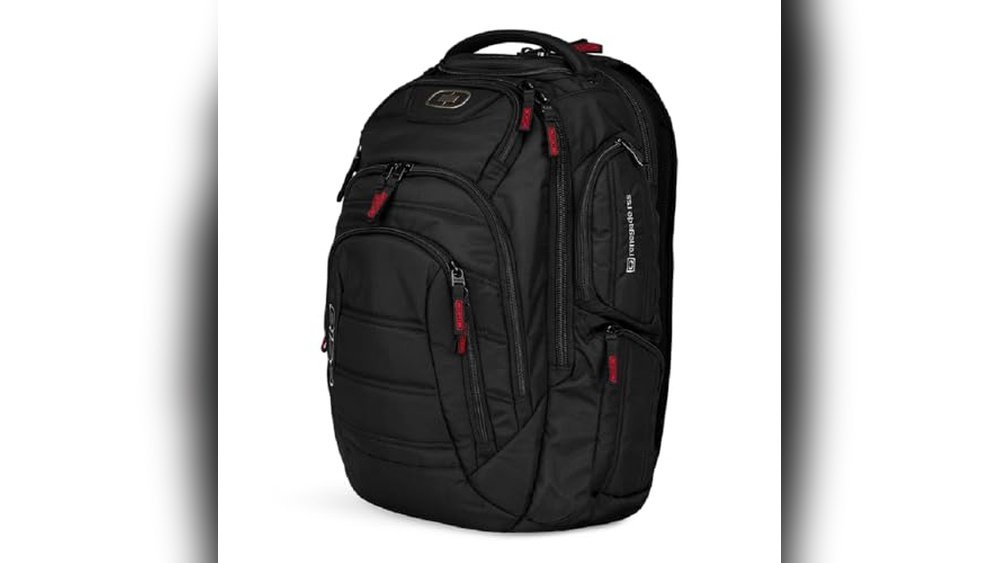
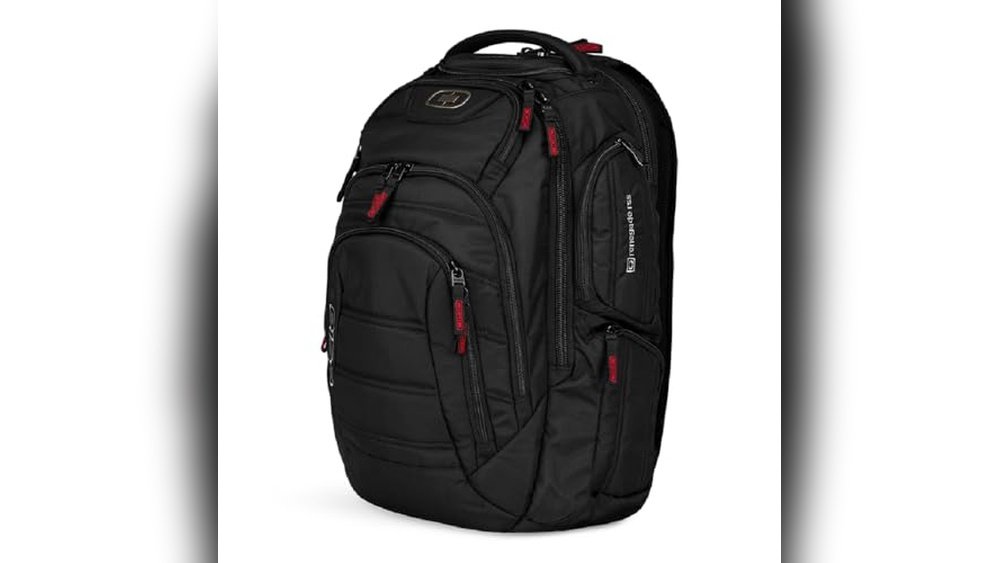
Backpacks often have multiple compartments: a main pocket for books, smaller ones for pens and tech, and padded laptop sleeves. Some models have side pockets for water bottles or umbrellas.
Messenger bags typically have fewer compartments but offer easy access. You can reach inside while walking or cycling, which is handy for busy students.
Example
A student with lots of gadgets—chargers, mouse, folders—may prefer a backpack with dedicated pockets. Someone who carries just a laptop and notebook may find a messenger bag simpler and faster.
Accessibility
If you need to pull out your phone, wallet, or notebook quickly, messenger bags are unbeatable. The flap opens easily, and items are within arm’s reach.
Backpacks require you to take them off to access most items. This can be inconvenient during crowded commutes or in class.
Style And Appearance
Messenger bags are seen as more stylish and professional, making them a favorite among university students, young professionals, or those attending internships.
Backpacks are often casual, sporty, and come in many designs. Some modern backpacks look sleek, but messenger bags usually win in style for older students.
Health And Posture
The American Academy of Pediatrics recommends that students keep backpack weight below 10-15% of their body weight to avoid injury.
Backpacks distribute weight evenly. Messenger bags, if overloaded, put all the stress on one shoulder. Over time, this can cause muscle imbalance and back pain.
> > Warning: Carrying more than 10% of your body weight on one shoulder can lead to long-term posture problems.
>
> Warning: Carrying more than 10% of your body weight on one shoulder can lead to long-term posture problems.
>
Weather Protection
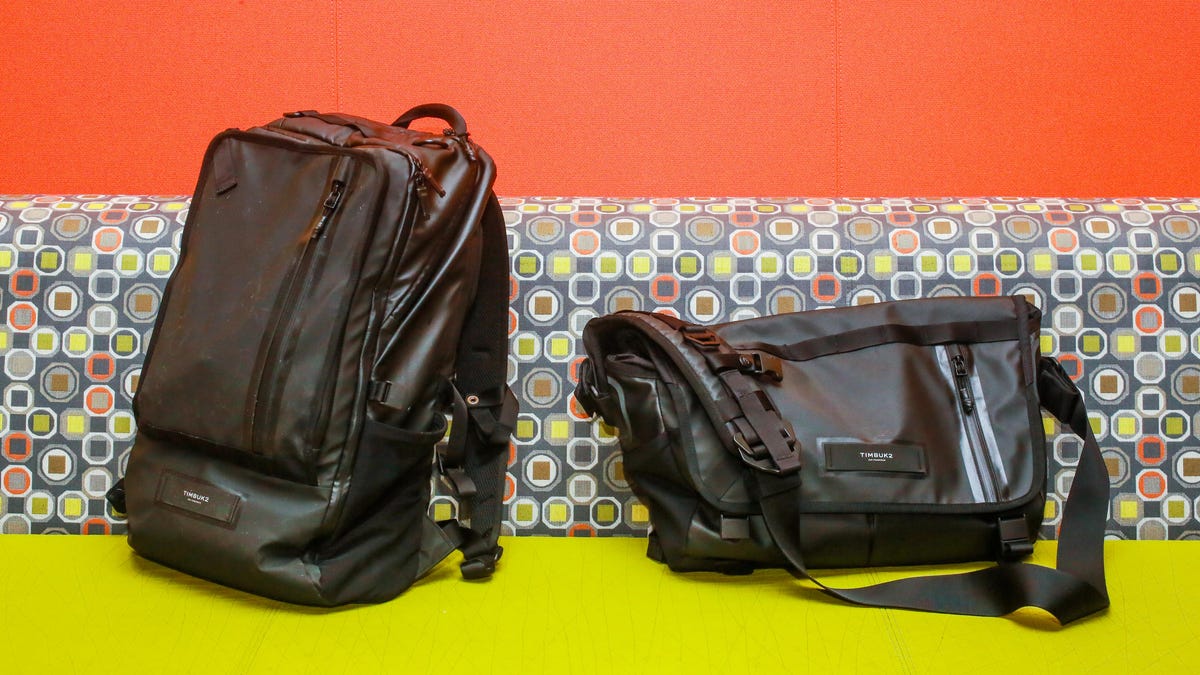
Most backpacks are made from water-resistant nylon or polyester. Some have rain covers. Messenger bags are often canvas or leather, which may soak up water unless specially treated.
If you live in a rainy area, a backpack with a built-in rain cover or water-resistant material is a safer bet for your electronics and books.
Credit: www.cnet.com
Security
Backpacks with hidden zippers and anti-theft pockets keep valuables safer. Messenger bags are easier to open for pickpockets, especially in crowded places.
Durability And Maintenance
Backpacks are built for rough use and can last years. They’re easy to clean and less likely to lose shape. Messenger bags, especially leather ones, need more care and can wear out at the strap or seams.

Credit: eumeworld.com
Affordability
Both bags come in a wide price range. Basic backpacks are often cheaper than high-quality messenger bags. For students on a budget, backpacks offer more options under $50.
Quick Comparison: Pros And Cons
Here’s a side-by-side look at the main differences:
| Feature | Backpack | Messenger Bag |
|---|---|---|
| Comfort with heavy loads | Excellent | Poor to fair |
| Quick access | Slower | Faster |
| Style | Casual/Sporty | Professional |
| Organization | Multiple pockets | Few pockets |
| Rain protection | Usually better | Depends on material |
Who Should Choose A Backpack?
- Students with heavy textbooks
- Those who walk or bike to school
- Anyone with a long commute
- Students who need to carry sports gear or lunch
- Those with back or shoulder pain history
Backpacks are practical for most students, especially in high school and college, where daily loads are heaviest. Their two-strap design prevents most health problems if used correctly.
Who Should Choose A Messenger Bag?
- Students with a light daily load
- Those who want a professional look
- People who need quick access to items
- Students who attend meetings or internships
- Those who commute by public transport and don’t walk far
Messenger bags fit older students and those entering the workforce. They’re ideal when you need to grab your laptop or notes quickly during classes or meetings.
Common Mistakes When Choosing A Bag
- Ignoring weight capacity — Many students buy stylish bags that can’t handle heavy books.
- Choosing style over comfort — Shoulder pain isn’t worth a fashion statement.
- Buying too small/large — A bag that doesn’t fit your laptop or folders is useless.
- Not checking for water resistance — Electronics and papers need protection.
- Neglecting strap quality — Thin or unpadded straps cause pain.
> > Tip: Always test the bag with your real items before buying.
>
> Tip: Always test the bag with your real items before buying.
>
Myth Vs. Fact
| Myth | Fact |
|---|---|
| Messenger bags are better for your back | Backpacks distribute weight more safely |
| Backpacks are only for kids | Modern backpacks suit all ages |
| Messenger bags can carry as much as backpacks | Messenger bags suit lighter loads |
Decision-making Factors
Consider these questions before you buy:
- How much do I carry daily?
- Do I need to look professional for work or meetings?
- Will I be walking a lot?
- Do I need to access items quickly?
- How much am I willing to spend?
- Do I need weatherproofing?
> > Key Takeaway: Choose a bag based on your daily needs, not just looks.
>
> Key Takeaway: Choose a bag based on your daily needs, not just looks.
>
Recommendations By Scenario
- High school students: Backpack
- College students with heavy books: Backpack
- University students with laptops only: Messenger bag
- Interns or business majors: Messenger bag
- Students who bike: Backpack with chest strap
- Students with back pain: Ergonomic backpack
Final Verdict
If you carry heavy loads daily, walk long distances, or need to keep your back healthy, a backpack is the safest and most practical choice. If your schedule is lighter, you want a professional look, and need to access items quickly, a messenger bag may suit you better. Test each bag with your real items, check for comfort, and think about long-term use. The right choice will make your student life easier, healthier, and more organized.
For more on bag ergonomics and student health, visit the American Psychological Association.
Frequently Asked Questions
Which Bag Is Better For Carrying A Laptop?
If you carry only a laptop and small items, a messenger bag offers quick access. For extra protection and more space, choose a backpack with a padded laptop sleeve.
Can Messenger Bags Cause Shoulder Pain?
Yes, if overloaded or worn incorrectly, messenger bags can cause shoulder or neck pain. Always switch sides or keep loads light.
Are Backpacks Suitable For University Students?
Absolutely. Many university students prefer modern, sleek backpacks for style and practicality, especially when carrying laptops, books, and tech.
How Can I Avoid Back Pain With Any Bag?
Keep bag weight below 10-15% of your body weight, use both straps for backpacks, and avoid carrying unnecessary items.
Which Is More Durable: Backpack Or Messenger Bag?
Backpacks generally last longer and handle rough use better. Messenger bags, especially leather, need more care and may wear out faster if overloaded.
—
Making a smart choice now saves you pain, wasted money, and daily frustration. Choose wisely and enjoy a healthier, more organized student life!