Did you know that students lose over 2 hours of productivity each day because of distractions in their study environments? (Source: Princeton University, 2022). In a world full of buzzing notifications, noisy neighbors, and endless temptations online, creating a distraction-free study space isn’t just helpful—it’s a must for real learning. If you’ve ever found yourself rereading the same line over and over, you’re not alone. But with the right setup, you can reclaim your focus and actually enjoy your study sessions.
This guide will show you, step by step, how to transform any corner into a focus-friendly zone, no matter your budget or room size. You’ll learn what really works, what’s just hype, and get simple strategies you can use today.
Step 1: Choose The Right Location
The first thing to get right is your location. Not every place in your home is equal for study. A quiet bedroom corner can be better than a crowded kitchen table. Look for a spot with:
- Low foot traffic
- Minimal background noise
- Good natural light
Even if your living area is small, there are tricks you can use. For example, if your room faces a noisy street, positioning your desk on the opposite wall helps reduce sound. Some students have also used wardrobes or bookshelves as partial barriers to block both noise and visual distractions.
If you live with others, try to avoid common spaces or areas near TVs. Even small changes, like moving your desk away from the door, can make a difference. The more separated you feel from daily activity, the easier it is for your mind to settle.
Example
A student in a shared apartment used noise-cancelling headphones and a room divider to separate their workspace from the rest of their room. This reduced interruptions by 70%. Another student, who had no private room, set up a study nook in a hallway corner with a curtain for privacy.
Even basic efforts like these can help signal to others that you are in “study mode. ”
Pro Tip: If you can’t find a perfect spot, libraries and study rooms are proven alternatives. Even a local café during quiet hours can serve, as long as you can manage background noise.
Step 2: Declutter Your Space
Clutter is an invisible distraction. Research shows that a messy desk can lower productivity by 40%. Clear your space before you start:
- Remove unrelated books, papers, and gadgets
- Keep only essential study materials within reach
- Use simple organizers or boxes
A tidy desk doesn’t just look better—it helps your brain focus on the task at hand. If you often end up surrounded by piles of paper, try limiting yourself to one notebook and one textbook at a time. Some students find it helpful to keep a small trash bin or paper recycling box nearby, making it easier to toss out old notes or wrappers right away.
Essential Vs. Optional
| Item | Essential | Optional |
|---|---|---|
| Notebook & pen | ✔ | |
| Laptop/Tablet | ✔ | |
| Water bottle | ✔ | |
| Desk lamp | ✔ | |
| Decor items | ✔ |
Mistake to Avoid: Don’t leave your phone or snacks on the desk—they often become distractions. Even a single notification or the sight of a snack can break your concentration and create a habit of reaching for them.

Credit: www.property24.com
Step 3: Control Noise Levels
Noise is a top cause of lost focus. There are three main ways to handle it:
- Noise-cancelling headphones: Block out conversations, music, or street noise.
- White noise apps: Sounds like rain or wind can help mask sudden noises.
- Physical barriers: Close doors, use heavy curtains, or even a simple rug to absorb sound.
Remember, even background noise like a humming fridge or distant traffic can wear down your focus over time. Some students underestimate how much small, repetitive sounds can affect their mood and attention.
Quick Comparison
| Solution | Best For | Cost |
|---|---|---|
| Headphones | Shared spaces | $$ |
| White noise app | Anywhere | Free–$ |
| Barriers | Home rooms | $ |
Pro Tip: Try different sounds. Some people focus better with soft music, others need complete silence. It may take a few tries to discover what works best for you. For example, classical or lo-fi music is helpful for some, while others perform better with only ambient noise.
Step 4: Set Up Good Lighting
Poor lighting strains your eyes and makes you tired. Good lighting boosts alertness and focus.
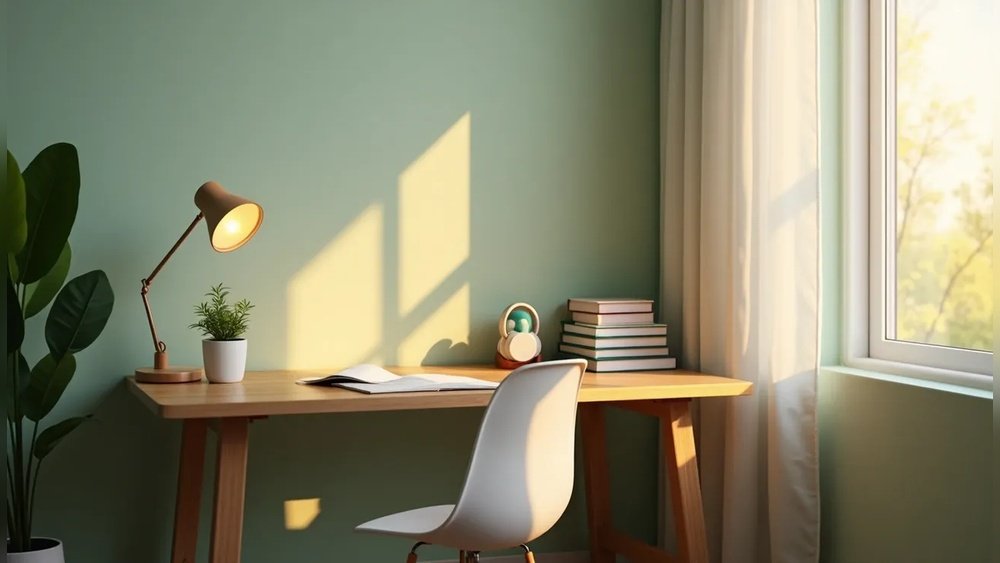
- Natural daylight is best. Set your desk near a window if you can.
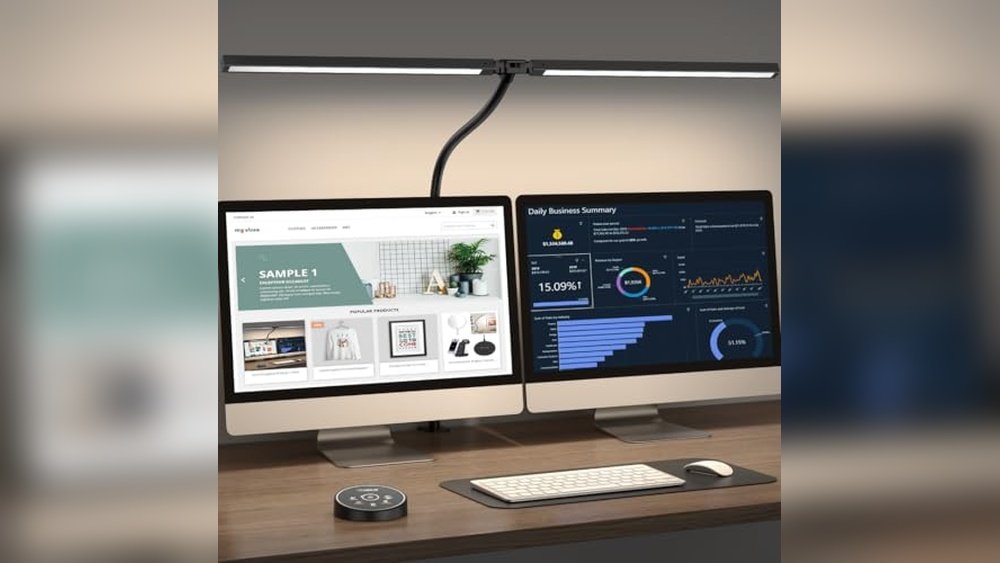
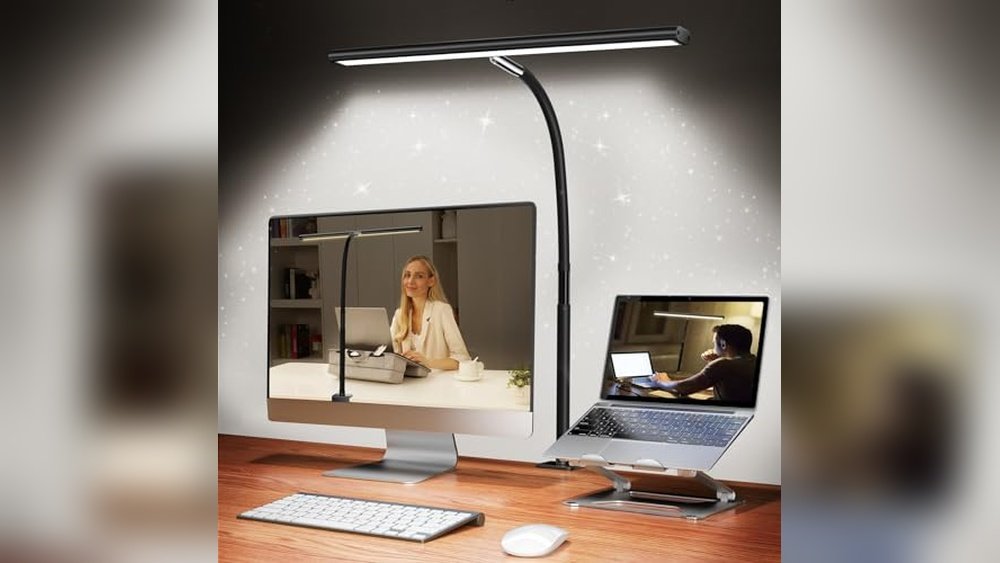
- Task lamps with adjustable arms work well at night.
- Avoid harsh or flickering overhead lights.
If possible, combine natural and artificial light for the best effect. Many students don’t realize that shadows or glare on screens can also distract, so test your lighting at different times of day.
Non-obvious Insight: The color of your light matters. Warm white (2700K–3000K) is relaxing, but cool white (4000K–5000K) keeps your brain alert. This means that for late-night study, a cooler light can help you stay awake, while a soft lamp is better for winding down.
You can also use smart bulbs that adjust color temperature throughout the day, helping your body’s natural rhythms. If you start to feel drowsy, adjusting your light can give you a quick energy boost.

Credit: www.wondrfly.com
Step 5: Organize Supplies For Easy Access
Don’t waste time searching for pens or chargers. Arrange your materials so everything has a place:
- Use drawer organizers or small baskets
- Label boxes for notes, stationery, and tech items
- Keep cords tidy with clips or ties
A well-organized space saves you from interruptions. It’s easy to underestimate how much time is lost looking for small things. Try setting up a “charging station” for all your devices in one spot, so you’re never caught with a dead battery.
Mistake to Avoid: Overfilling your desk with too many “just in case” items. Only keep what you use daily. If you find you haven’t used something in a week, move it out of sight.
Step 6: Limit Digital Distractions
Phones and social media are the biggest focus killers today. The average student checks their phone over 80 times during a study session.
- Turn off notifications on your devices
- Use apps like Forest or Focus@Will to block distractions
- Keep your phone in another room if possible
Digital distractions are sneaky—they don’t always feel like a big interruption, but they break your concentration and make it hard to get back on task. For example, checking one message can lead to 15 minutes of lost focus.
Example: One student improved their grades by 20% just by putting their phone out of sight during study time. Another used browser extensions to block social media sites for two hours each evening, and finished assignments twice as fast.
Pro Tip: Schedule short breaks to check messages, but don’t mix them with study sessions. Make a rule: only check your phone during breaks, never while working.
Step 7: Personalize Your Space (but Keep It Simple)
Your study area should feel motivating, but not cluttered. Add a few items that inspire you, like:
- A small plant
- A motivational quote on the wall
- Family photo
The goal is to create a positive feeling when you sit down to study. For example, a student might keep a postcard from a dream travel destination as motivation. If you’re studying for a big exam, a simple sticky note with your goal can remind you why you’re working.
Just don’t overdo it—too many decorations can distract you. Keep it simple: one or two personal touches are enough.
Non-obvious Insight: Plants like snake plant or pothos also improve air quality, which boosts focus. Studies show that even a small plant on your desk can reduce stress and help you concentrate longer.
Step 8: Set Clear Study Boundaries
Train Your Brain To Associate Your Space With Focus. How?
- Only use your study area for learning—not eating, watching movies, or gaming.
- Let others know your “do not disturb” times.
- Use a “studying—please knock” sign if needed.
If you break these boundaries often, your brain will stop treating your study area as a place for focus. It can take a week or two to create a new habit, but consistency pays off.
Mistake to Avoid: Studying in bed confuses your brain and makes you sleepy. Beds are for rest, not work—your mind will relax automatically, making it hard to focus.
Step 9: Set A Consistent Study Routine
A routine helps your mind switch to “focus mode” automatically. Set:
- Regular start and end times
- Pre-study rituals (like reviewing a to-do list)
- Short breaks (5–10 mins every hour)
Following a routine also reduces stress, because you don’t have to decide when or how to start each time. If you have trouble sticking to a schedule, try adding a small “reward” after finishing a session, like a walk or your favorite snack.
Pro Tip: Use the Pomodoro Technique—study 25 minutes, then break for 5. This increases focus and reduces burnout. Many find that after four cycles, a longer break of 15–30 minutes helps recharge.
Step 10: Monitor And Adjust Your Setup Regularly
No setup is perfect forever. Review your space every month:
- What’s working? What’s not?
- Are you getting distracted more often?
- Ask a friend to give feedback.
Sometimes, a simple change—like moving your lamp or reorganizing supplies—can renew your motivation. Don’t be afraid to experiment. As your courses or workload change, your study space should change too.
Small tweaks can make a big difference over time. For example, swapping out a hard chair for a more comfortable one can double your study endurance. If you feel bored or stuck, even changing the wall color or adding a new poster can make your space feel fresh.
Common Mistakes To Avoid
| Don’t | Do |
|---|---|
| Study with the TV on | Face away from screens |
| Leave snacks open on desk | Use water only |
| Mix work and play spaces | Keep study zone separate |
| Ignore clutter | Declutter before each session |
Another common error is thinking that multitasking will save time. In reality, switching between tasks slows you down. Focus on one subject or activity at a time for better results.
Quick-start Checklist
- Pick a quiet, low-traffic spot
- Clear your desk of clutter
- Set up good lighting
- Organize your supplies
- Silence your devices
- Add one inspiring decoration
- Set clear boundaries
- Stick to a routine
- Review and adjust monthly
If you get stuck, revisit this checklist to reset your space and habits.
Budget And Time Breakdown
Setting up a distraction-free study space doesn’t have to be expensive.
- Basic setup: $0–$30 (using items you already own)
- Upgrades: $30–$100 (better chair, lamp, headphones)
You can often repurpose things you have at home—a spare chair, an old lamp, or even boxes for organizers. If you want to invest, start with a comfortable chair or quality headphones, since they make the biggest impact.
Time needed: 1–2 hours for most people. If you do a full declutter and reorganize, plan for an afternoon. After the first setup, maintaining your space should only take 5–10 minutes a day.
Resource Summary
For more detailed tips, check resources from Mind Tools, a trusted site for productivity strategies. You’ll find strategies for focus, time management, and dealing with procrastination.
.jpg.jpeg)
Credit: www.familyonlinesafety.com
Key Takeaways
- pick A Spot With Few Distractions And Good Light
- declutter, Organize, And Set Boundaries For Your Space
- limit Digital Interruptions And Use Routines For Better Focus
- review And Improve Your Setup Regularly
—
Frequently Asked Questions
What If I Don’t Have A Private Room For Studying?
Try using headphones, a room divider, or even a library. The goal is to create a zone where you can focus, even if it’s not a full room. Some students also use a corner of a shared living room with a clear schedule—just one hour of quiet time can help a lot.
How Do I Handle Noisy Family Members Or Roommates?
Communicate your study schedule clearly. Use earplugs or white noise if needed. A polite “do not disturb” sign can help. If possible, agree on quiet hours with others in your home.
Can I Listen To Music While Studying?
Soft, instrumental music or white noise can boost focus for some people. Avoid songs with lyrics—they often break your concentration. Try different types of background sounds and see what helps you most.
How Often Should I Reorganize My Study Space?
Check your setup every month. If you notice more distractions or clutter, fix it right away. Small, regular changes are easier than one big cleanup after many weeks.
What’s One Thing Most Students Forget When Creating A Study Space?
Many forget to set clear boundaries and routines. Even the best setup won’t help if you use it for other activities or don’t stick to a schedule. Remember, the habits you build in your study area are just as important as the space itself.
With these steps, you’re ready to build a study zone that helps you get more done, with less stress. Focus is a skill—and now, you have the right environment to build it.