
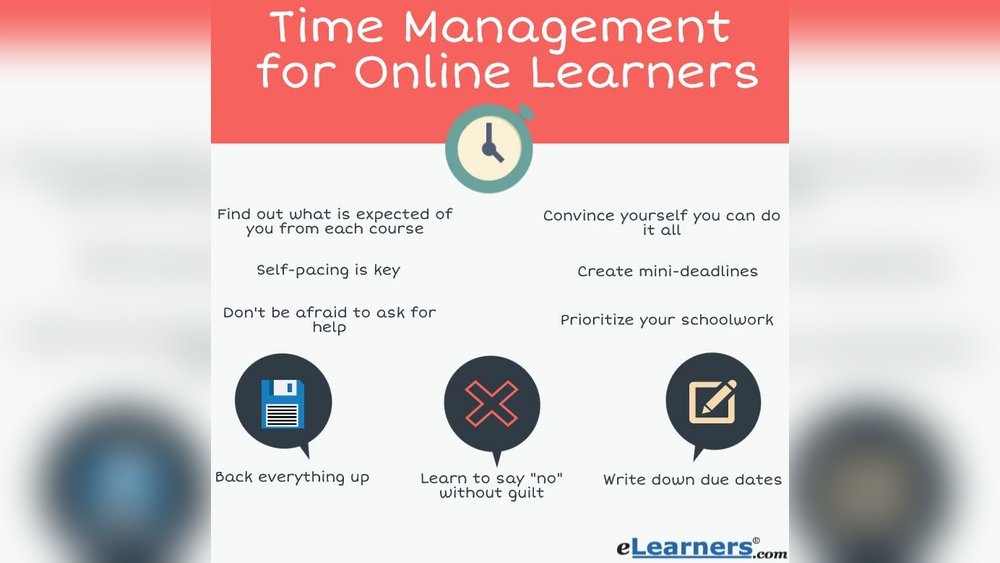
Time Management For Online Students
Online learning is growing fast. Over 60% of college students now take at least one online class, and nearly one in three are fully online. While flexible, online study can be tough: only about 60% of online students finish their programs. What makes the difference? Time management. If you study online, mastering your schedule is not optional—it’s your lifeline.
Online classes give you freedom, but they also bring new challenges. You may have to balance school, work, and family all at once, often from your own bedroom or kitchen table. There’s no classroom bell, and no one is watching to make sure you show up.
It’s easy to think you have plenty of time, but suddenly deadlines sneak up. Many students find themselves staying up late, feeling anxious, and rushing to finish work they could have started earlier. The truth is, online success demands more discipline—not less—than traditional classes.
But here’s the good news: with the right time management strategies, you can take control. You’ll get more done, have less stress, and even enjoy your free time. You don’t need to be a “born organized” person. These skills can be learned, practiced, and improved. Let’s break down what really works for online students.
Why Time Management Matters For Online Students
Studying online means you’re in charge of your own time. There’s no bell to ring or teacher watching your every move. If you don’t manage your time, assignments pile up, stress builds, and grades fall. But with smart time management, you get more done, feel less stress, and even enjoy your free time.
Online classes often require more reading, more writing, and more self-motivation than many students expect. Discussion boards, quizzes, and group projects can fill your week quickly. If you wait until the last minute, you may not have enough time to do your best work—or even finish at all.
Good time management is not just about working hard. It’s about working smart, so you have energy left for your life outside school.
Stat: Students who plan their study time are 39% more likely to finish assignments on time.
Let’s break down the best strategies for managing your time as an online student.
1. Set Clear Goals
Start every week by writing down what you want to achieve. These could be finishing a reading, submitting an assignment, or joining a discussion. Clear goals help you stay focused and make daily planning easier.
When your goals are vague, it’s hard to know where to begin. For example, “work on class stuff” is not as helpful as “finish Chapter 3 notes by Thursday. ” Specific, written goals act like a map—they show you exactly what to do next and give you a sense of progress.
Pro tip: Make goals specific. Instead of “study biology,” write “finish Chapter 3 notes by Thursday.”
If you have bigger projects, break them into smaller goals for each week or even each day. Tracking these mini-goals gives you more wins and keeps you motivated.

Credit: kpu.pressbooks.pub
2. Build A Realistic Schedule
Create a weekly study plan that fits your life. Use digital calendars, planners, or simple notebooks. Be honest—if you work part-time or have family, block those hours first.
A realistic schedule means you plan for what actually happens, not what you wish would happen. If you always have family dinners at 7 PM, don’t plan to study then. If you feel tired after work, choose lighter tasks for the evening and save your toughest work for when you have more energy.
Here’s an example of a weekly plan:
| Time | Monday | Tuesday | Wednesday | Thursday | Friday |
|---|---|---|---|---|---|
| 6-7 PM | Study Math | Work Shift | Study English | Gym | Review Notes |
| 7-8 PM | Family Time | Study Science | Online Class | Study Math | Assignment |
If your week changes often, try using “floating blocks”—times you can move around as needed. This makes it easier to adjust without losing your plan.
Mistake to avoid: Making a schedule that ignores your real life. If you’re always busy after 8 PM, don’t plan study sessions then.
Another tip: Always leave some “open” time for unexpected tasks or emergencies. Life rarely goes exactly as planned, but a buffer keeps you on track.
3. Prioritize Tasks
List out everything you need to do, then rank by importance and deadline. Handle urgent and important tasks first. This method is called Eisenhower Matrix.
Learning to prioritize is a game-changer for online students. Not all work has the same value. Focus first on assignments that are due soon or have the biggest effect on your grade. If you spend your best energy on low-priority tasks, you may run out of time for what matters most.
| Priority | Example Task |
|---|---|
| High & Urgent | Submit essay due tomorrow |
| High, Not Urgent | Start research for next week’s project |
| Low, Urgent | Reply to group chat about meeting time |
| Low, Not Urgent | Organize old files |
Pro tip: Review your priorities every night and adjust for surprises.
Some students find color-coding tasks or using apps with priority tags helpful. Try different methods and stick with what helps you decide faster.

Credit: online.csp.edu
4. Break Work Into Chunks
Large assignments can feel overwhelming. Break them into smaller tasks. For example, instead of “Write research paper,” use:
- Find 3 sources
- Write outline
- Draft introduction
- Write body
- Review and edit
This makes big jobs feel doable and lets you track progress.
When you finish each small task, you get a sense of success. This keeps you moving forward, even on tough projects. If you get stuck on one part, you can ask for help or move to another section instead of giving up.
Many students miss this step and end up procrastinating because the job feels too big. Breaking things down is a simple way to beat overwhelm.
5. Use Time Blocks
Set aside fixed blocks of time for study—like 30 or 50 minutes—then take a short break. This is known as the Pomodoro Technique.
Example: Study for 25 minutes, take a 5-minute break, repeat four times, then take a longer break.
Why does this work? Your brain can only focus deeply for so long. Short, focused bursts help you learn more in less time. Breaks give your mind a chance to rest and process what you’ve learned.
Some students adjust the block times. If you can focus longer, try 50 minutes on, 10 minutes off. Experiment to find your best rhythm.
Mistake to avoid: Working without breaks. Your focus drops and you get less done.
Set a timer or use a study app to keep yourself honest. Don’t skip breaks—they’re part of the plan.
6. Limit Distractions
Online study means you’re surrounded by distractions: social media, TV, family, and more. Find your most focused place and time. Silence your phone or use apps that block distracting sites.
If your home is busy, try noise-cancelling headphones or listen to quiet background music. Tidy your study space before you start—clutter adds stress and steals focus.
Tip: Use browser extensions like StayFocusd or Cold Turkey to block social media during study.
One non-obvious tip: Let friends know you’re not available during study time. Even one “quick” text can break your focus for 15 minutes or more.
7. Use The Right Tools
There are many apps to help you organize and save time:
- Google Calendar: Schedule classes and reminders
- Trello: Track projects and assignments
- Notion: Organize notes and to-dos
- Forest: Stay focused by growing a virtual tree
Choose what works for you. Try one new tool per semester to avoid overload.
Some students work best with paper planners or sticky notes. The “right” tool is the one you’ll actually use. If you don’t check an app daily, try a wall calendar or whiteboard by your desk. The key is to keep your tasks visible and easy to update.
8. Set Boundaries With Others
Let family and friends know when you need focus time. Use a sign on your door or a message. If you share space, wear headphones as a signal.
Explain to others why you need quiet time. Most people will support you if you ask clearly. If you have kids or roommates, schedule study sessions when they’re less likely to need you.
Pro tip: Share your study schedule so others can support you.
Over time, good boundaries reduce stress and make study sessions more productive.
9. Stay Flexible
Life happens—power cuts, illness, or last-minute chores. Adjust your plan but don’t give up. Move non-urgent tasks and keep your main goals.
Flexibility means adjusting when things go wrong—not quitting. If you miss a session, reschedule it. If you finish tasks faster than planned, use the extra time for review or rest.
Mistake to avoid: Quitting your whole plan after one bad day.
Remember: Consistency over time matters more than perfection in one week.
10. Track Your Progress
Check off tasks as you finish. Use checklists or apps. Seeing progress boosts motivation and helps you spot what’s working—or what’s not.
Example: If you always miss Friday study sessions, maybe that’s not a good time for you.
Tracking also helps you celebrate wins, big or small. Each checked box is proof you’re moving forward—even if you have a long way to go.
Review your finished work regularly. It builds confidence and shows you how far you’ve come.
11. Review And Adjust Weekly
Every week, review what went well and what didn’t. Change your schedule as needed. Improvement is ongoing—not a one-time thing.
If you missed a goal, ask why. Was the task too big? Did you underestimate how long it would take? Learn from mistakes, but don’t judge yourself. Progress is about small, steady changes.
Takeaway: The best time managers are always learning and adjusting.
Over time, you’ll learn which times of day are your most productive, which tools help most, and how to plan for your unique life.
12. Take Care Of Yourself
Sleep, good food, and exercise are not optional. Without them, focus and memory drop. Schedule breaks for snacks, movement, and social time.
Lack of sleep makes it harder to remember what you read. Skipping meals or eating junk food can make you feel tired and foggy. Even a 10-minute walk can refresh your brain and reduce stress.
Stat: Students who exercise regularly perform 12% better on average.
Self-care isn’t selfish—it’s the foundation for learning. Try to stick to a regular sleep schedule and eat meals at set times. If you’re feeling worn down, take a short nap or stretch. Small actions can make a big difference.
13. Know When To Ask For Help
If you’re stuck or falling behind, ask instructors or classmates early. Most colleges offer free tutoring or writing help. Don’t wait until the last minute.
Asking for help is a sign of strength, not weakness. Online classes can feel lonely, but you’re not alone. Many schools have online forums, chat with tutors, or peer support groups. You might find answers faster than you expect.
Pro tip: Join online study groups for support and accountability.
Even if you’re shy, try sending one email or joining one group chat. Support from others can help you stay on track and feel connected.

Credit: www.ucf.edu
Common Myths About Online Study And Time Management
| Myth | Fact |
|---|---|
| Online students have unlimited free time | Most online students juggle work, family, and study |
| You can catch up anytime | Falling behind makes catching up much harder |
| Multitasking helps you finish faster | Switching tasks reduces focus and efficiency |
| Time management is for “organized” people | Anyone can learn good time management skills |
Don’t let myths stop you from building good habits. Even if you’ve struggled before, you can improve your time management with practice.
Do’s And Don’ts For Online Student Time Management
| Do | Don’t |
|---|---|
| Set clear goals each week | Wait until the last minute to start work |
| Use a planner or calendar | Rely only on memory |
| Take breaks for focus | Study for hours without rest |
| Ask for help early | Hide problems or confusion |
| Review weekly | Repeat the same mistakes |
These do’s and don’ts are simple but powerful. Keep them visible as a reminder when your motivation drops.
Key Takeaways
- time Management Is Essential For Online Study Success.
- set Realistic Goals, Plan Your Week, And Prioritize Tasks.
- use Tools And Routines That Work For Your Life.
- stay Flexible And Adjust When Things Change.
- Take care of your health and ask for help when needed.
Frequently Asked Questions
What Is The Best Time Management Technique For Online Students?
Many online students succeed with the Pomodoro Technique—study for 25 minutes, then take a 5-minute break. Others like weekly planning or using digital calendars. The best method is one you can stick with.
Consistency matters more than choosing a “perfect” system. Try a technique for two weeks and see how it works for you. If you lose focus easily, shorter time blocks may help. If you prefer long, deep work, set bigger blocks with longer breaks.
How Many Hours Should I Study Per Week For An Online Class?
A good rule is 2-3 hours of study per credit hour each week. For a 3-credit class, aim for 6-9 hours outside of class time.
If you find yourself needing much more time, ask your instructor or classmates for study tips. If you finish much faster, double-check the requirements to avoid missing important details.
How Can I Avoid Procrastination When Studying Online?
Set small, clear goals and use time blocks. Remove distractions like your phone. Break big tasks into steps, and reward yourself when you finish.
If you notice you’re avoiding a task, ask yourself why. Is it unclear? Too big? Find the reason and fix it. Even spending 5 minutes to start can build momentum.
Should I Study At The Same Time Every Day?
Consistency helps. Try to study at similar times so it becomes a habit. But if your life is busy, focus on making a plan you can actually follow.
Some students study early in the morning before work, others at night after family time. Notice when you feel most alert and focused, and use that time for your hardest work.
What If I Fall Behind In My Online Course?
Don’t panic. Review what’s overdue, talk to your instructor, and make a catch-up plan. Ask for help if needed—many schools offer support services. For more strategies, see advice from the Coursera time management guide.
Remember, falling behind once doesn’t mean you can’t finish strong. Take small steps, focus on your priorities, and ask for support early.
Mastering time management is not about being perfect. It’s about building habits, learning from mistakes, and making steady progress. With the right approach, you can balance online study, work, and life—and reach your goals.