
Should You Study In Bed? Pros, Cons, And Better Alternatives
Many students spend hours each day studying, and where you choose to study can deeply affect your results. Did you know that a 2021 survey found over 60% of college students admit to regularly studying in bed? It sounds comfortable, but is it really a good idea? The answer is not as simple as you might think.
Let’s explore whether studying in bed helps or hurts your focus, learning, and health. We’ll look at the real pros and cons, clear up myths, and see what research says. You’ll also find smart alternatives and practical tips for better study habits.
By the end, you’ll know exactly how to build a study space that sets you up for success.
The Science: How Study Environment Affects Your Brain
Your study spot is more than just a place. It shapes how your brain works and remembers information. Research from the National Sleep Foundation shows your brain links locations with activities, called context-dependent memory. That means your bed makes your mind think of sleep, not study.
A 2017 study found that students who studied in dedicated places (like a desk) remembered 22% more compared to those who studied in bed. This isn’t just about memory, but also about focus and energy.
When you mix sleep and study in the same space, your brain gets confused. You might find it harder to fall asleep at night, and harder to concentrate during study time.
Pros Of Studying In Bed
Despite the warnings, some students like studying in bed. Here’s why:
- Comfort: The main reason is comfort. Soft pillows and blankets can make long reading sessions less stressful on your body.
- Warmth: In cold weather or shared dorms, your bed is often the warmest, coziest spot.
- Convenience: Grabbing your laptop and notes without getting up can save time, especially if you’re tired or feeling unwell.
- Privacy: For students who share rooms or live in noisy homes, the bed can sometimes be the only private space.
These points are real. If you’re battling illness, or just need a short break, studying in bed can help you keep up. But there’s more to the story.
Cons Of Studying In Bed
Most experts warn against making your bed your main study station. Here are the major downsides:
- Poor Focus: Beds are built for sleep, not for work. Lying down can make your brain less alert and more likely to wander.
- Lower Productivity: Without a desk or table, you may find it harder to organize materials, write, or use a laptop comfortably.
- Sleep Problems: Mixing study with sleep confuses your brain. This can lead to insomnia or poor sleep quality.
- Back and Neck Pain: Beds don’t support your back or neck well for reading or typing. Over time, this can cause pain or injury.
- Mess and Distraction: It’s easy to lose books, notes, or pens in your blankets. You may get distracted by your phone or even fall asleep.
Quick Comparison: Studying In Bed Vs. Desk
Here’s a quick look at the main differences:
| Factor | Studying in Bed | Studying at Desk |
|---|---|---|
| Focus | Lower | Higher |
| Comfort | High (short-term) | Moderate |
| Organization | Poor | Good |
| Health | Neck/Back Strain | Better Posture |
| Sleep Quality | Often Decreases | No Impact |
Real-world Examples: How Study Location Impacts Learning
Consider two students:
Maria studies every night in bed. She often finds herself re-reading the same page. She feels sleepy after 20 minutes, and sometimes falls asleep with her book.
James uses a small desk in the corner of his room. He keeps his phone away, uses a desk lamp, and sits upright. He says he remembers more and feels ready to sleep when he moves to his bed.
What’s the difference? Maria’s brain links her bed with rest, not learning. James sends his brain a clear signal: desk means study, bed means sleep. Over weeks, this small habit leads to big results.

Credit: www.scholarshipscanner.com
Common Myths Vs. Facts
Many students believe they’re “different” and can focus anywhere. But the research tells a different story.
| Myth | Fact |
|---|---|
| I study better when I’m comfortable in bed. | Comfort helps short-term, but focus and memory drop in beds. |
| Studying in bed doesn’t affect my sleep. | Mixing study and sleep spaces confuses your brain, harms sleep. |
| It’s fine as long as I get my work done. | Long-term, grades and energy often decline without a good setup. |
Health Risks: Why Posture Matters
Doctors warn that studying in bed can cause pain and injuries. Poor posture strains muscles in your back, neck, and shoulders. According to the American Chiropractic Association, 50% of students who use laptops in bed report back pain within 6 months.
Sitting with your laptop on your lap bends your spine. Over time, you might notice headaches, eye strain, or numbness in your arms. These problems can slow you down, and even lead to long-term injuries.
Stat Box
Did you know? Students with poor study posture miss 1.8 more days of class per semester due to pain and fatigue.

Credit: www.nucamp.co
How Studying In Bed Affects Sleep Quality
Your bed should be a signal for sleep. When you use it for study, your brain loses that signal. This is called sleep association.
A study published in the journal Sleep Health found students who studied in bed took 28 minutes longer to fall asleep, and woke up more often at night. Over weeks, this leads to less deep sleep and lower energy.
Poor sleep harms memory, mood, and even your immune system. If you often feel tired or groggy after studying in bed, this may be why.
When Is It Okay To Study In Bed?
Sometimes, life gets in the way. You may be sick, or your room might not have another space. In these cases, studying in bed is better than not studying at all.
But limit this to short reading or review sessions. Try to sit up with a pillow behind your back. Avoid using your bed for typing or long assignments.
Tip Box
Tip: If you must study in bed, set a timer for 20–30 minutes. Then take a break, stretch, and move to a chair or table if possible.
Better Alternatives: Study Spaces That Work
You don’t need a fancy desk or a private office to study well. Here are some practical, affordable alternatives:
1. Dedicated Desk Or Table
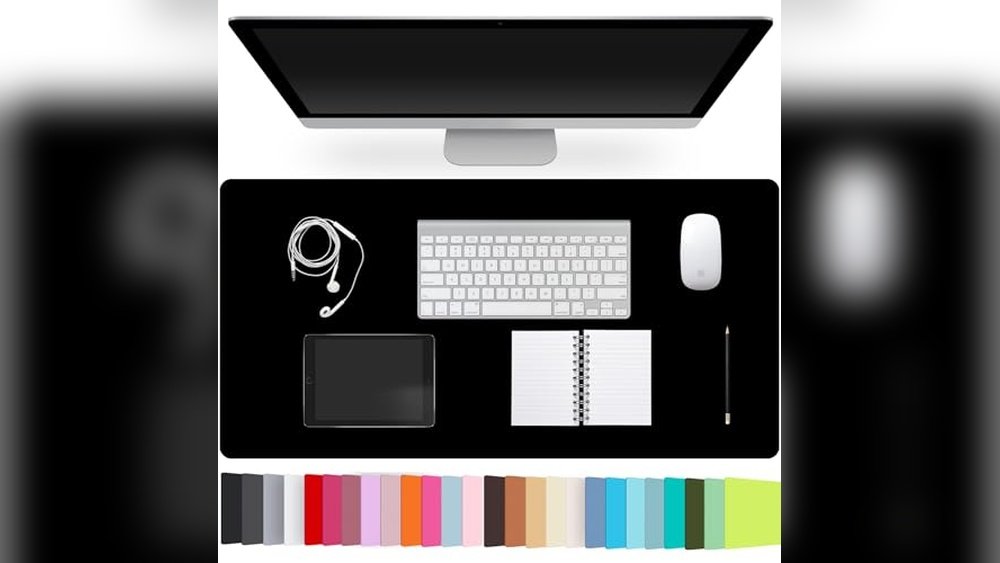
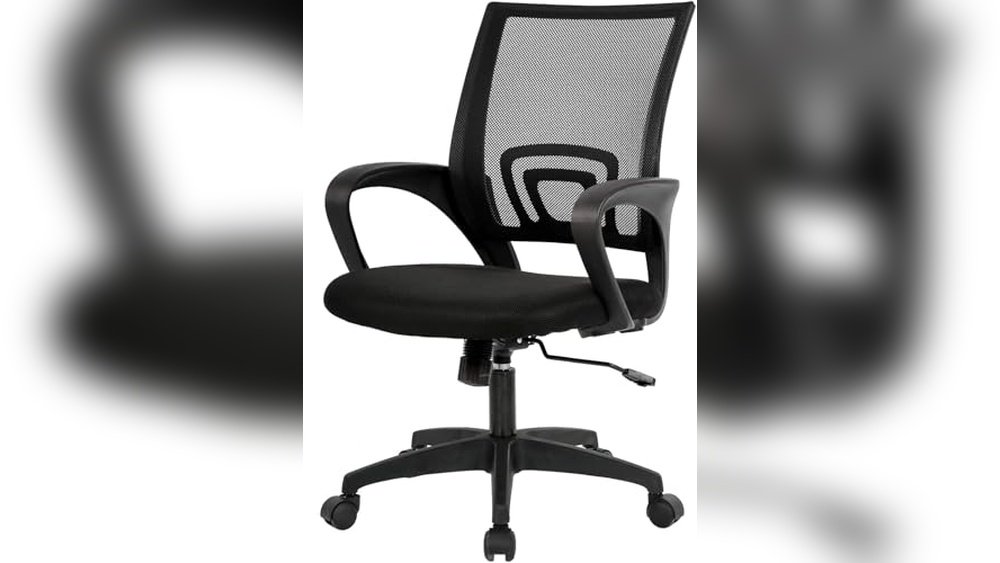
A small desk or even a foldable table sends your brain the right signal: now it’s time to work. Keep this space tidy and use a good chair.
2. Library Or Study Room
Libraries are designed for focus. If your home is noisy, the library gives you a quiet, distraction-free spot. Many schools offer late-night hours.
3. Coffee Shop Or Café
Some students work better with low background noise. A café can offer both comfort and energy. Just be careful with distractions.
4. Shared Study Spaces
If you live with others, set up a shared study time at the kitchen table. Use headphones or soft music to block noise.
5. Standing Desk Or Counter
Standing for part of your study time improves blood flow and alertness. Even a kitchen counter can work as a standing desk.
6. Outdoor Spaces
A park bench or patio table gives fresh air and sunlight. Studies show natural light boosts mood and focus.
How To Create The Perfect Study Spot
Even a small space can become a powerful study zone. Here’s how:
- Pick a spot away from your bed.
- Use a sturdy chair with back support.
- Add good lighting—a desk lamp is best.
- Keep your phone out of reach (or on silent).
- Organize supplies in a small box or tray.
- Personalize your space with a plant or photo.
- Set a routine: Use this spot at the same time each day.
Icon Grid: Essentials For A Great Study Space
- ✏️ Notebooks & Pens
- 💡 Desk Lamp
- ⏱️ Timer
- 🎧 Noise-cancelling headphones
- 🪑 Comfortable chair
- 🪴 Small plant
Do’s And Don’ts: Study Space Setup
Here’s a quick guide to avoid common mistakes:
| Do | Don’t |
|---|---|
| Use a dedicated desk or table | Study lying down in bed |
| Sit with good posture | Slouch or hunch over your laptop |
| Keep your space organized | Mix books and notes with blankets |
| Take breaks and stretch | Study for hours without moving |
| Use good lighting | Rely on dim or uneven light |
Pro Tips For Maximum Focus
- Use the Pomodoro Technique: Study for 25 minutes, then take a 5-minute break. Repeat four times, then take a longer break.
- Try background music: Soft, instrumental music can block noise and boost focus.
- Set clear goals: Write down what you’ll finish each session.
- Reward yourself: After a study session, take a short walk or enjoy a snack.
- Switch locations: If you get bored, try a new spot for your next session.
Why The Right Study Space Improves Results
A good setup does more than just look nice. Here’s why it matters:
- More focus: Your brain gets a clear “work” signal.
- Better memory: You learn and remember more.
- Less stress: A tidy, well-lit spot helps you relax.
- Faster work: Good posture and tools make you more efficient.
- Healthier habits: You avoid pain and sleep problems.
Key Takeaways
- Your brain links your bed with sleep, not study—mixing the two can hurt both learning and rest.
- Short study sessions in bed are okay sometimes, but not for main work.
- dedicated Desks, Tables, Or Libraries Boost Focus, Memory, And Health.
- Small changes, like better lighting and posture, make a big difference.
Resources For Better Study Habits
- National Sleep Foundation: Healthy Sleep Tips
- Your campus wellness center (offers study skills workshops)
- YouTube: Study With Me videos for motivation
- Free apps: Forest, Focus Keeper (help with focus and breaks)

Credit: www.etsy.com
Frequently Asked Questions
Is It Bad To Study In Bed Sometimes?
It’s okay for short, light reading or review sessions—especially if you’re sick or have no other space. But try not to make it a daily habit. Your focus and sleep will be better if you study at a desk or table.
How Does Studying In Bed Affect Sleep?
When you use your bed for studying, your brain starts to link it with work, not rest. This can make it harder to fall asleep and lower sleep quality. Over time, you may feel more tired and less focused.
What If I Don’t Have A Desk?
You can use a kitchen table, a foldable tray, or even sit on the floor with a sturdy surface. The key is to keep your study spot separate from where you sleep. Good lighting and posture matter more than fancy furniture.
Can I Improve My Study Spot Without Spending Money?
Yes! Use pillows for back support, sit near a window for light, and keep your materials in a box or bag. Turn off your phone, and let others know you’re studying to avoid distractions.
How Long Should I Study Before Taking A Break?
Experts recommend the Pomodoro Technique: study for 25 minutes, then take a 5-minute break. After four sessions, take a longer break. This helps your brain stay fresh and your body avoid strain.
—
Choosing where you study is one of the most important decisions for your academic success. While your bed is tempting, it’s usually not the best choice for focus, learning, or health. With a few simple changes, you can build a smart, comfortable study space—no matter your budget or room size.
These small steps will pay off in better grades, better sleep, and a happier, healthier you.