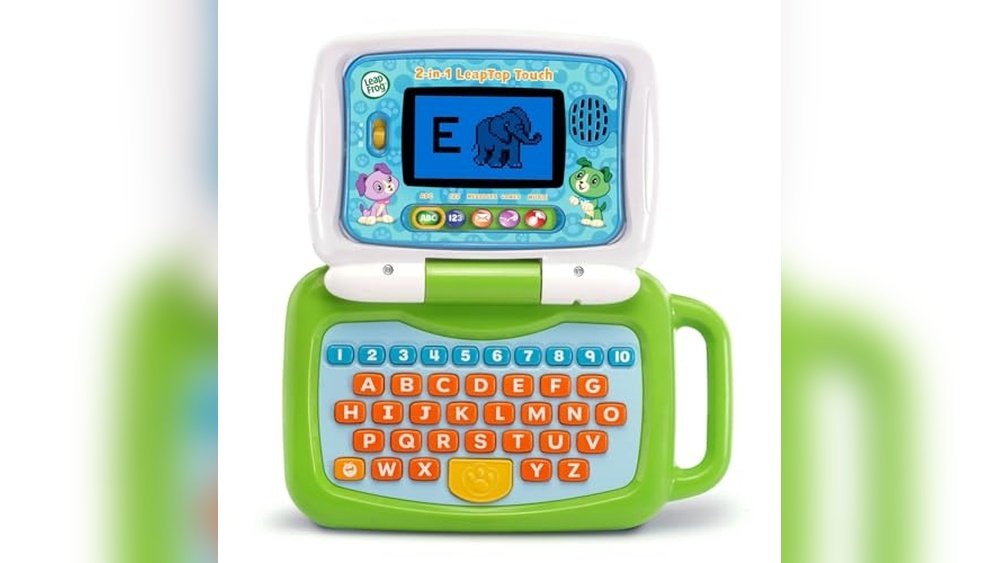
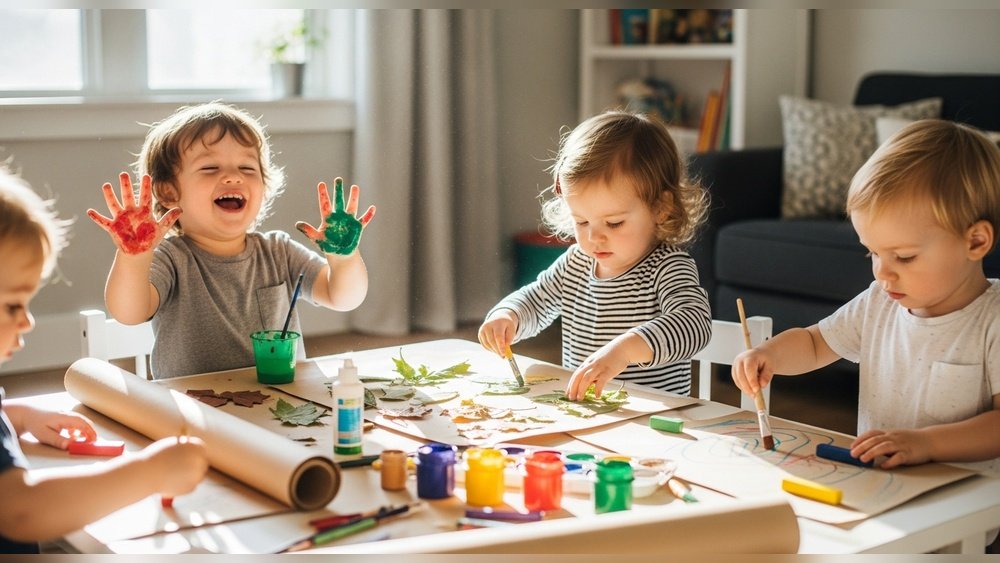
Did you know that over 80% of learning happens outside the classroom? According to the OECD, kids who enjoy learning at home develop stronger problem-solving skills and higher motivation. But keeping children interested—especially at home—can be a real challenge for parents. The good news is, making learning fun is not only possible, it’s easier (and more affordable) than you might think.
Let’s explore 15 creative, practical ways to turn your home into a place where children love to learn.
1. Gamify Daily Lessons
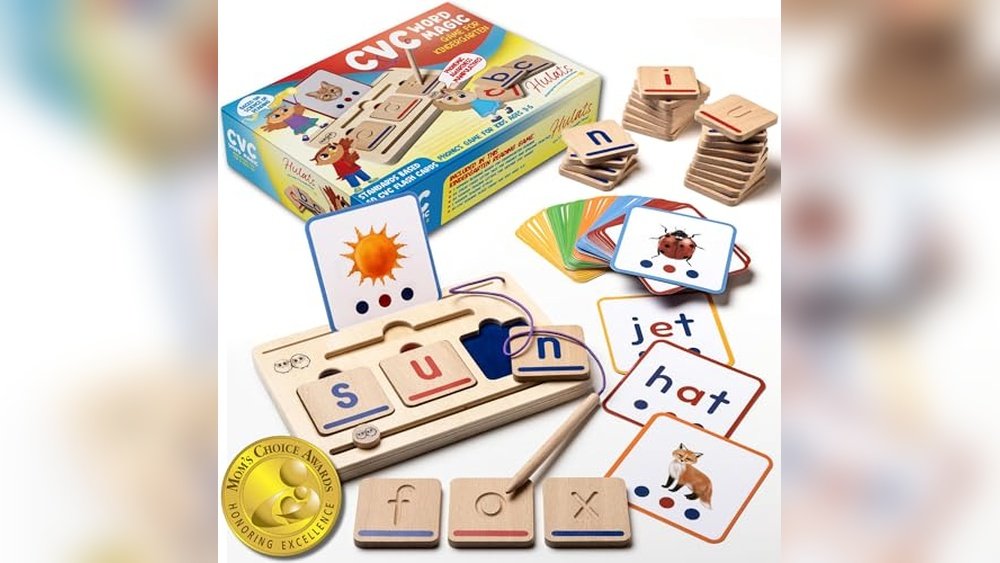
Kids love games—so why not use them for learning? Turn spelling words into a matching game, or practice math facts with a homemade board game. For example, create a “math bingo” or use flashcards as a race against time. Gamification increases engagement and helps children remember facts better.
You can also use classic games and add an educational twist. For example, play “Memory” but with vocabulary words, or use a scavenger hunt to practice shapes or colors. Many board games, like Scrabble Junior or Uno, can be adapted for spelling, math, or logic practice.
Pro Tip: Use a timer for short, exciting rounds. Avoid games that are too complex—keep rules simple, so focus stays on learning. If you see your child getting frustrated, switch to a different game or take a break. The goal is to keep learning light and enjoyable.
2. Incorporate Arts And Crafts
Art sparks creativity and reinforces concepts in subjects like science, math, and history. Build a solar system with clay or create a timeline with drawings. Let kids design their own book covers for stories they’ve read.
Arts and crafts also help develop fine motor skills. Try making salt dough maps for geography, or create patterns with beads for early math practice. Don’t be afraid to use recycled materials—egg cartons, bottle caps, and old magazines can become the foundation for endless projects.
Mistake to Avoid: Don’t focus on perfection. The process is more important than the result—encourage self-expression. Display their work proudly, and ask your child to explain their project. This builds communication skills and gives children ownership of their ideas.
3. Use Everyday Objects For Experiments
Household items like vinegar, baking soda, and food coloring can lead to amazing science experiments. Try building a volcano, testing what floats or sinks, or growing a bean in a jar. These hands-on experiences connect abstract ideas to real life.
For older children, try a “mystery object” challenge: Place an object in a bag and ask them to guess its identity using the sense of touch, then research its properties together. Or, use kitchen scales and cups to estimate and measure weights and volumes.
Example: Use coins to teach about density or simple machines with spoons and pencils. Let your child predict what will happen before the experiment, and then discuss the outcome together. This practice builds critical thinking and scientific reasoning.
4. Create A Reading Nook
A cozy, dedicated reading corner can transform reading from a chore into an adventure. Add pillows, a small lamp, and a basket of books. Rotate the selection weekly to keep interest high.
Let children personalize the space—hang their artwork, choose favorite stuffed animals, or even build a simple “reading fort” with blankets. For reluctant readers, start with comics, audiobooks, or magazines on topics they love.
Stat Box:
Reading for just 20 minutes a day exposes children to nearly 2 million words each year!
Let kids see you reading, too—modeling makes a big difference.
5. Integrate Technology Wisely
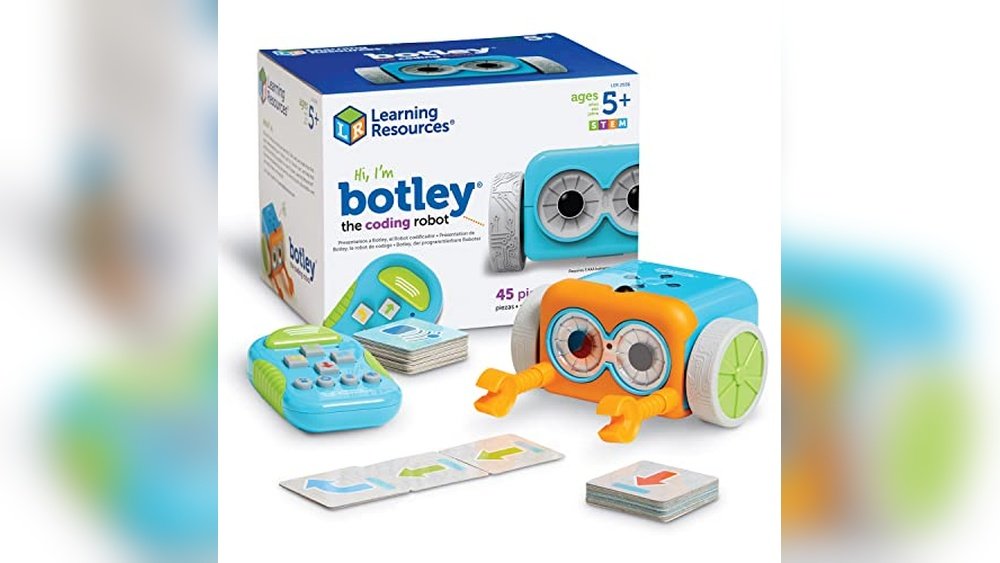
Educational apps, videos, and online games can bring learning to life. Choose apps with strong educational value, like Khan Academy Kids or Duolingo. Use parental controls and set time limits to balance screen time.
Tech can support many subjects—try virtual math manipulatives, interactive storybooks, or science simulation games. For family time, watch a documentary together, then discuss what you learned.
Warning:
Not all “educational” apps are truly helpful. Check ratings and reviews before downloading.
Avoid passive consumption—encourage your child to interact, answer questions, or create something after using tech.
6. Cook Together
Cooking is a practical way to teach math, science, and reading. Follow recipes, measure ingredients, and discuss changes while baking. For younger kids, use picture recipes.
Discuss why bread rises or how freezing changes water to ice. For language practice, ask kids to read aloud each step. Older children can double or halve recipes for extra math practice.
Pro Tip: Let kids write their own simple recipe and prepare it with you. This builds confidence and reading comprehension. Take photos of each step and make a family recipe book—an activity that combines writing, design, and family memories.
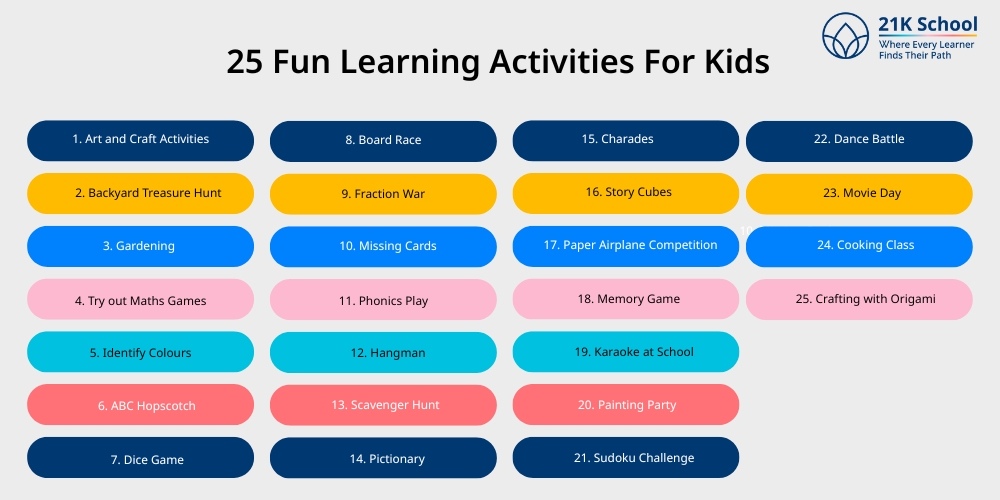
Credit: www.21kschool.com
7. Start A Garden Or Plant Project
Gardening teaches responsibility, biology, and patience. Even a small pot on a windowsill can become a science lab. Track growth, compare plant heights, or test different types of seeds.
Try growing herbs, beans, or even a small flower from seed. Discuss why some plants grow faster or what happens if you forget to water them. Older kids can research plant lifecycles, while younger ones can simply enjoy digging and watering.
Example: Chart the plant’s progress with daily drawings or photos. Discuss what plants need to grow. You can even taste the results—fresh herbs or lettuce—making the project more rewarding.
8. Set Up Themed Learning Weeks
Choose a topic—like “Space Week” or “Animals”—and explore it through books, crafts, and activities. Theme weeks add excitement and structure, making learning feel like an adventure.
Ask your child for input on themes. For “Ocean Week,” you might read stories about the sea, make paper plate jellyfish, and watch a video about dolphins. Themes help children make connections between subjects and deepen understanding.
Mistake to Avoid: Don’t overwhelm with activities; focus on 1-2 fun tasks each day. Leave space for free play and curiosity-driven questions.
9. Use Music And Movement
Songs, dances, and rhythm games help children remember information. Use music for memorizing facts, learning new words, or just for brain breaks. Try choreographing a dance about the water cycle or creating a spelling song.
Make up silly rhymes for spelling or math facts, or clap out syllables in new vocabulary words. For younger kids, “freeze dance” can help burn energy between lessons.
Stat Box:
Research shows children who engage with music have better language and math skills.
Encourage your child to create their own instruments from household items—pots, rice shakers, or rubber band guitars.
10. Build Puzzles And Lego Challenges
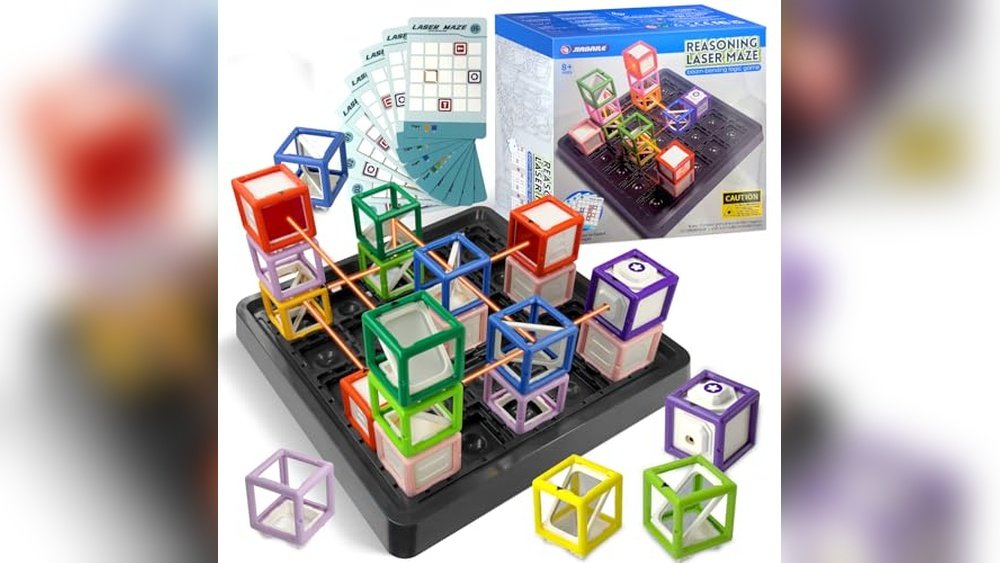
Puzzles and building blocks encourage problem-solving and spatial skills. Set up a “build a bridge” challenge with LEGO or create custom jigsaw puzzles with family photos and learning themes.
Rotate building challenges: ask your child to recreate a famous building, invent a new vehicle, or design a maze for a marble. For puzzles, try word searches, crosswords, or Sudoku for variety.
Pro Tip: Ask your child to explain their building process—this develops communication and critical thinking. Praise creative solutions, not just the finished product.
11. Go On Virtual Field Trips
When leaving home isn’t possible, use the internet to explore museums, zoos, or historical sites. Many organizations offer free virtual tours and interactive exhibits.
Set up a “passport” and stamp it after each virtual trip. Discuss what you saw—maybe draw a favorite animal from a zoo tour or write a short report about a painting at an art museum.
Example: Visit the Smithsonian’s Virtual Tours for a world of discovery.
12. Encourage Storytelling And Role Play
Storytelling boosts imagination and language skills. Let kids act out favorite stories, dress up as characters, or make up their own plays. Use simple props—old clothes, hats, or homemade masks.
Ask your child to retell a story from a different character’s view. Make up new endings to familiar tales or create a “news show” about your family’s day. Role play helps children practice empathy and see things from different perspectives.
Practical Tip: Record their performances. Watching later helps them see progress and builds confidence. It’s also a great keepsake for family memories.
13. Organize Mini Science Fairs
Dedicate a weekend to science fun. Let each child choose a simple experiment, prepare a poster, and “present” to the family. This builds research, presentation, and teamwork skills.
Help them find answers to their own questions—like “Which type of paper makes the best airplane? ” or “What melts fastest—ice, butter, or chocolate? ” Encourage siblings or friends to join and compare projects.
Mistake to Avoid: Don’t judge projects by results—focus on the learning process. Praise curiosity and effort.
14. Make Use Of Outdoor Learning
Nature is a powerful classroom. Go for a “texture hunt” in your yard, measure shadows, or study bugs. Outdoor activities support physical health and make abstract ideas concrete.
Use sidewalk chalk for math problems or spelling words. Bring a notebook outside and try drawing clouds or leaves. Even short walks can inspire questions about plants, weather, or animals.
Stat Box:
Children learn faster and retain more when lessons happen outside.
Try “sit spots”—have your child sit quietly in one place for five minutes, then write or draw what they notice.
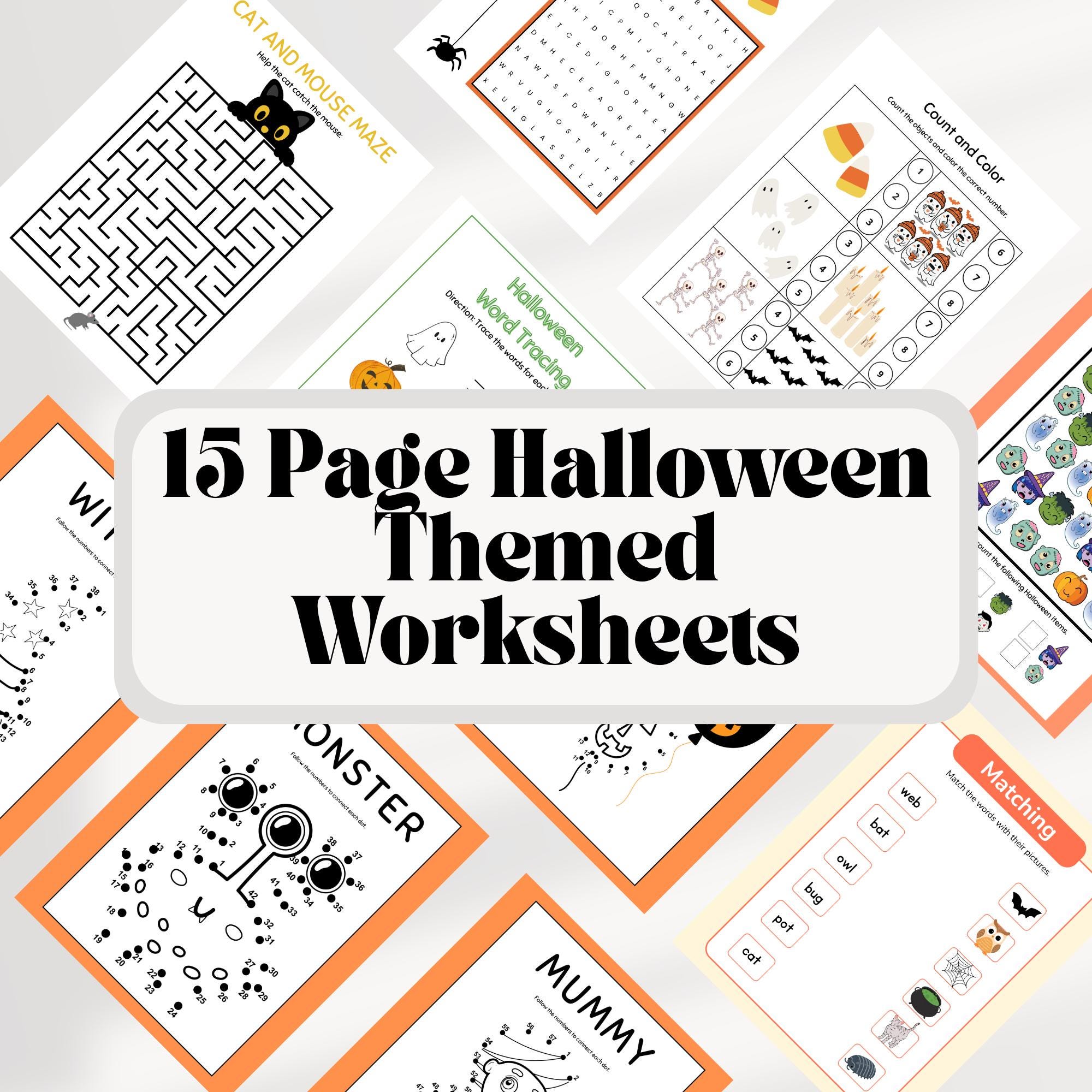
Credit: www.etsy.com
15. Celebrate Progress And Success
Recognition motivates. Use sticker charts, certificates, or a “wall of fame” for effort and improvement—not just perfect scores. Celebrate small wins to encourage a growth mindset.
Talk about what your child has learned each week. Ask them to share something they’re proud of. Sometimes, a simple high-five or special family meal can mean more than a prize.
Pro Tip: Involve kids in setting goals and picking rewards. This gives them ownership and helps develop self-motivation.
—
Common Do’s And Don’ts For Fun Learning
Here’s a quick reference to keep your home learning positive and effective.
| Do | Don’t |
|---|---|
| Mix up activities | Use the same routine every day |
| Encourage questions | Shut down curiosity |
| Celebrate effort | Focus only on right answers |
| Allow breaks | Overload with tasks |
Adding variety and flexibility makes learning less stressful for you and your child. Watch for signs of boredom or tiredness, and adjust your approach as needed.
—
Time And Budget-friendly Activity Comparison
How do these ideas fit into your family’s schedule and wallet? Here’s a quick look.
| Activity | Time Needed | Cost | Age Range |
|---|---|---|---|
| Art & Crafts | 30-60 min | Low (reuse materials) | 3-12 yrs |
| Cooking | 30-90 min | Medium (ingredients) | 5-12 yrs |
| Virtual Field Trips | 20-60 min | Free | All ages |
Many activities require little or no special materials—just a willingness to try new things. Remember, the best resources are often your time and attention.
—
Key Takeaways
• Fun Learning Boosts Motivation, Memory, And Family Connection.
• Mix Hands-on, Creative, And Active Ideas For Best Results.
• Most activities can be done with low cost and little prep.
• Celebrate effort, not just achievement—progress matters most.
—
Making learning fun at home is about more than keeping kids busy—it’s about sparking curiosity, building confidence, and preparing them for a lifetime of discovery. Use these 15 ideas as a starting point, adapt them to your child’s interests, and watch their love for learning grow every day.
If you notice your child’s enthusiasm fading, try asking what they’d like to learn about next. Sometimes, their interests will surprise you and lead to new, exciting projects. Don’t worry if every day isn’t perfect—consistency and a positive attitude matter more than having everything planned out.
—
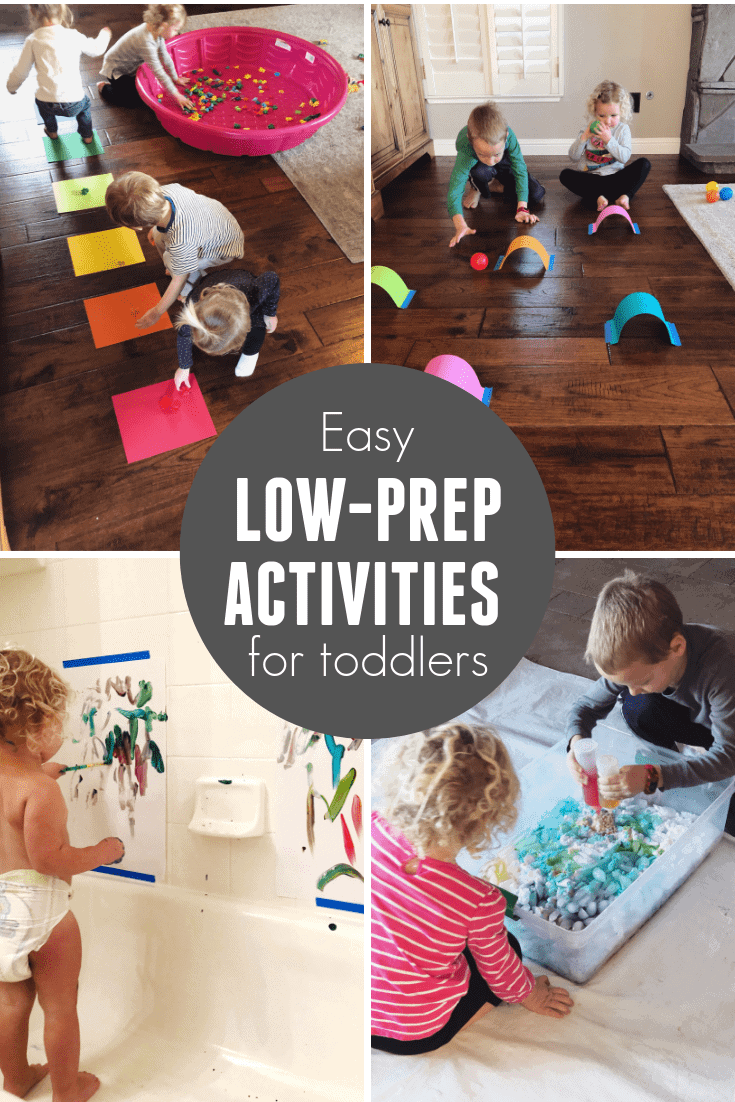
Credit: toddlerapproved.com
Frequently Asked Questions
How Can I Keep My Child Interested In Learning At Home?
Offer variety. Switch up activities and allow your child to help choose what to learn next. Celebrate small successes and keep sessions short and lively. Notice which activities make your child smile or ask questions—these are signs of engagement.
What If My Child Doesn’t Like One Of The Activities?
That’s okay! Not every idea fits every child. Try different options and ask your child what they enjoyed most. It’s normal to skip or adapt activities. Sometimes, just changing the time of day or inviting a sibling to join can make an activity more fun.
Are These Ideas Suitable For Children Of All Ages?
Most can be adapted for different age groups. For younger kids, simplify steps; for older ones, add more challenge or let them lead. Encourage older children to help younger siblings—it builds leadership and teamwork.
How Much Time Should I Spend On Home Learning Each Day?
Quality matters more than quantity. Even 15-30 minutes of focused, fun learning can make a difference. Watch for signs of boredom or frustration. Sometimes, learning happens in small moments—like during a walk or meal preparation—not just structured sessions.
Where Can I Find More Resources For At-home Learning?
Check trusted sites like Smithsonian Education for free activities, videos, and ideas. Local libraries and community centers often have resources or virtual events as well.
—
With the right approach, your home can be the best classroom your child ever has. Enjoy the journey!