
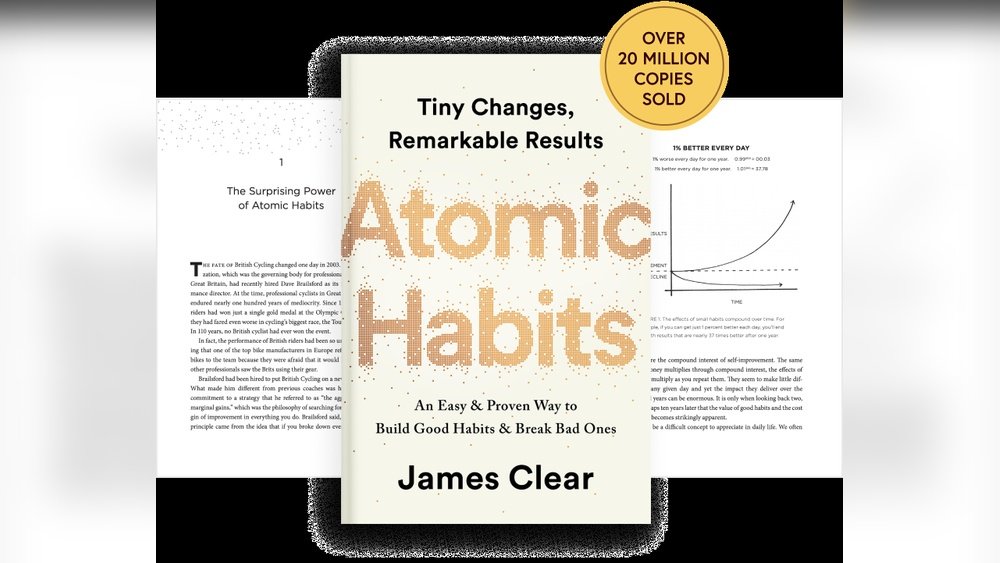
Atomic Habits — Review And Lessons For Students
Why do most students fail to build lasting habits? According to studies, over 80% of people abandon New Year’s resolutions by February. Yet, small daily changes can reshape your life. James Clear’s book, Atomic Habits, explains why tiny adjustments matter more than big plans. This guide breaks down the book for students—so you can take action, not just read.
When you think about changing your life, it’s easy to imagine big transformations. But most real change comes from small, repeated steps. That’s why students who try to “study all day” or “eat perfectly” often quit. The pressure is too high.
Get 1 Free Audiobook To Keep
Start a 30-day free trial and pick any title from 700,000+ audiobooks. Your first book is yours forever, even if you cancel immediately.
Atomic Habits gives you a realistic path that works with your daily life, not against it. If you’re tired of starting strong and fading out, this approach can help you finally stick with new routines—without feeling overwhelmed or guilty.
What Is Atomic Habits?
An atomic habit is a small behavior that leads to big results. James Clear uses the word “atomic” to mean something tiny but powerful. Imagine one extra hour of study each week. Over a year, that’s 52 extra hours. This is the core idea: small choices, repeated daily, create huge change.
Let’s put it another way. Think about saving money. Putting away $1 each day may seem pointless, but after a year, you’ll have $365. The effect is even greater with habits because actions stack up. For example, five extra vocabulary words a day means you’ll know 1,800 more in a year—a huge boost for language exams.
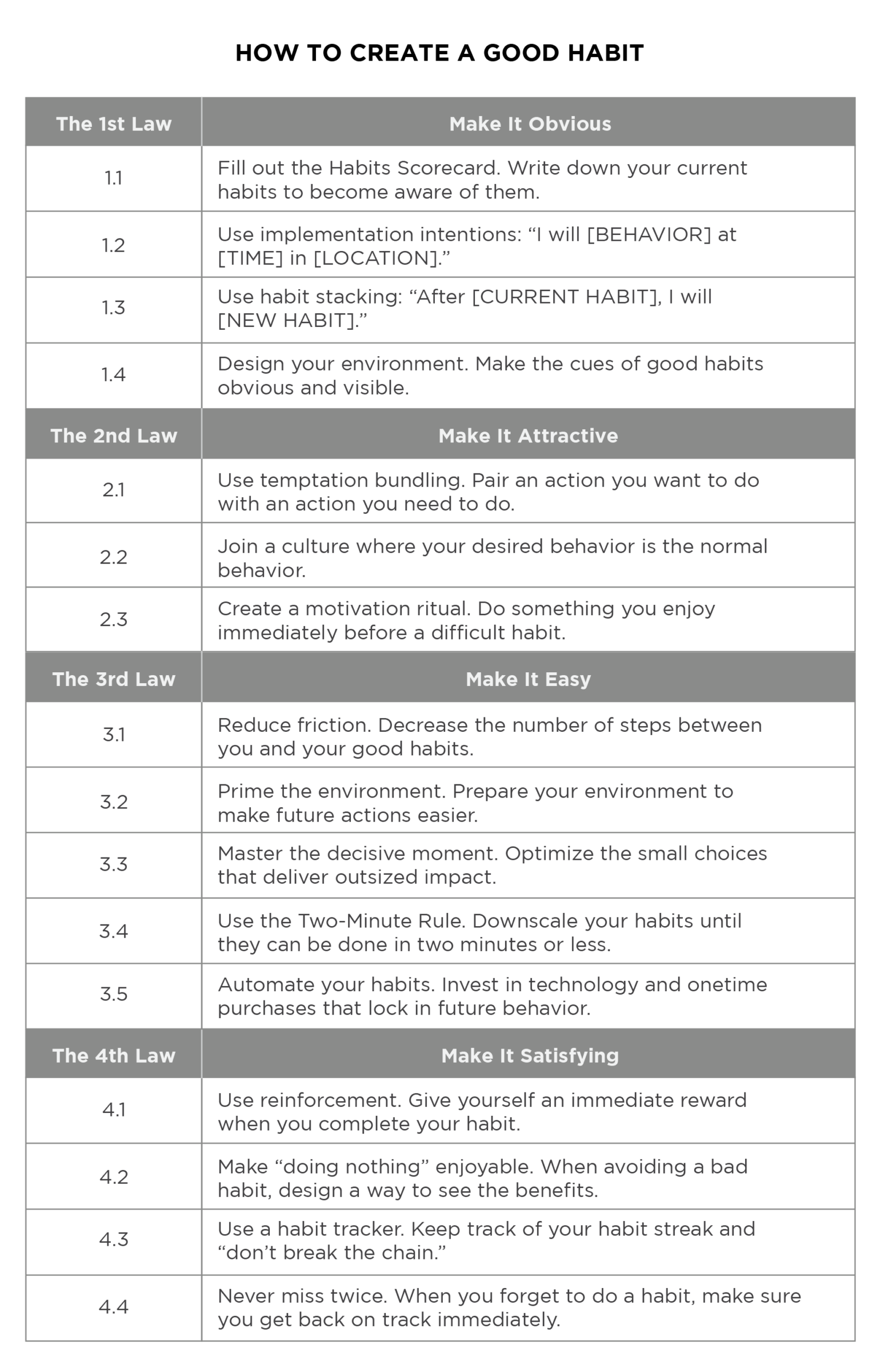
Clear’s system is simple:
- Make it obvious
- Make it attractive
- Make it easy
- Make it satisfying
These rules help you build good habits—and break bad ones. They are based on research in psychology and real-world examples, not just theory. The best part? You don’t need to be “naturally disciplined” or have special talent. Anyone can use these laws to make progress, one step at a time.
Why Atomic Habits Matter For Students
Many students try to change everything at once. That rarely works. Instead, Atomic Habits shows:
- Consistency beats intensity (study 15 minutes daily is better than 2 hours once a week)
- Environment shapes behavior (if your phone is on your desk, you’ll check it)
- Identity drives action (see yourself as a “focused student,” not a procrastinator)
Trying to “go big” leads to burnout. For example, pulling an all-nighter before exams might help once, but it builds stress and poor sleep habits. In contrast, 15 minutes of review each day lowers anxiety and helps you remember more.
Over time, these small actions add up to better grades and less stress.
Real story: A college student used Clear’s methods to improve grades from C to A by studying 25 minutes every day after dinner. At first, it felt too easy. But after a few weeks, the student noticed more confidence in class. By the end of the semester, regular study became a habit—no more last-minute cramming.
Another example: A student who struggled with fitness started with just five pushups each morning. After a month, it became a normal part of the day, leading to more exercise and better health. The lesson? Tiny habits are easier to keep and build real momentum.
The Four Laws Of Behavior Change
James Clear’s system uses four “laws. ” Each law helps you start, improve, or stop a habit. Let’s break them down.
Make It Obvious
You can’t change what you don’t notice. Start by identifying your cues—the things that trigger habits.
- Set visual reminders (post sticky notes for study sessions)
- Use habit stacking (“After I brush my teeth, I’ll read one page”)
- Track your habits (a simple notebook works)
Simple cues make a big difference. If your math book is open on your desk, you’ll remember to review. If you leave your running shoes by the door, you’re more likely to exercise. You can also use digital reminders, like phone alarms, to prompt action.
Pro tip: Don’t rely on willpower. Adjust your environment to remind you.
For example, if you want to drink more water, place a bottle where you study. The easier you can see the cue, the easier it is to act.
Make It Attractive
You’re more likely to repeat habits that feel good. Bundle fun with effort.
- Listen to favorite music only while reviewing notes
- Study with a friend to make sessions social
- Celebrate small wins (like 7 days straight of practice)
When you look forward to the habit, it’s easier to start. You can even plan small rewards, like a favorite snack or a few minutes of a fun activity after finishing a session.
Research shows: Pairing a habit with a reward increases the chance you’ll stick to it.
One advanced tip: Try “temptation bundling.” For example, only allow yourself to check social media after finishing your homework. This links a positive feeling to the hard task, making it more attractive.
Make It Easy
Remove friction. The less effort, the more likely you’ll do it.
- Keep books and supplies ready on your desk
- Break big tasks into 2-minute actions (“Write one sentence”)
- Prepare your study spot the night before
Even tiny steps count. For example, if you want to start running, just put on your shoes and step outside. Once you’re there, running feels easier. The same works for writing essays or reading books—start with a single sentence or paragraph.
Mistake to avoid: Don’t set goals that need major motivation. Start so small you can’t say no.
If you often skip habits, ask yourself, “How can I make this easier? ” Remove obstacles. Maybe that means downloading notes before class, or using a study app with one-click access.
Make It Satisfying
End habits with something positive. The brain loves quick rewards.
- Mark off days on a calendar (“don’t break the chain”)
- Tell a friend when you finish a session
- Treat yourself (like a walk) after work
Your brain remembers rewards, not effort. That’s why tracking progress feels good—seeing a streak or getting praise from a friend builds momentum.
Tip: Immediate rewards work better than long-term ones.
If your goal is to read more, place a sticker on your calendar each day you finish a page. Over time, those stickers become a visual proof of your commitment, which feels rewarding and keeps you going.
Real-life Student Examples
Let’s see how students use these laws in daily life.
- Language learning: Practice vocabulary for 5 minutes after lunch every day
- Fitness: Do 10 pushups before showering in the morning
- test prep: Review one flashcard set before bedtime
Another example: A high school student wanted to improve reading skills. They started with one news article each morning, paired with breakfast. Soon, they were reading more without extra effort.
Insight: You don’t need motivation for small habits. You need a system.
Here’s a non-obvious tip: Connect your new habit to an existing routine, like brushing your teeth or taking the bus. This “anchors” the habit, making it harder to forget.
Credit: jamesclear.com
Comparing Habits: Good Vs. Bad
Here’s how “atomic” habits can help you replace bad routines.
| Old Habit | Atomic Upgrade |
|---|---|
| Procrastinate on homework | Start with 2 minutes of reading |
| Check phone after class | Review notes for 3 minutes first |
| Late-night Netflix | Read one page before watching |
| Skip breakfast | Prepare oats the night before |
Key point: Replace—not just remove—bad habits with easy, positive ones.
If you simply try to “stop” a bad habit, you leave a gap. Filling that gap with a positive action keeps your routine steady. Over time, the new habit gets stronger and the old one fades.
Another insight: The first step is not to fight the old habit, but to make the new one more convenient and appealing. For instance, place your textbook where you usually drop your phone after class.
The Role Of Identity
Students often think, “I’m just not disciplined.” Atomic Habits teaches that changing your identity leads to lasting change.
- Say “I am a person who studies daily,” not “I want to study daily.”
- Each small win is a “vote” for your new identity.
Example: If you write one sentence every day, you become a “writer,” not just someone who wants to write.
Identity-based habits are powerful because they align your actions with your beliefs. If you see yourself as a healthy eater, you’ll naturally make better food choices. If you think, “I am someone who is always late,” you’ll act that way too.
Changing how you see yourself is often the first step to changing your behavior.
A deeper tip: Focus on identity first, outcomes second. Instead of saying, “I want an A,” say, “I am a student who studies every day.” The results will follow.

Credit: humzazubair.com
Common Mistakes Students Make
Even the best methods can fail if you fall into these traps.
- Trying to change too much at once.
- Focus on one habit until it sticks.
- Making habits too hard.
- Start with the easiest version.
- Quitting after a missed day.
- Missing once is not failure—get back on track.
- Relying on motivation.
- Build habits so easy you don’t need motivation.
Some students think missing one day means failure and lose hope. But research—and Clear’s advice—say otherwise. Progress is not lost by one mistake. The real danger is quitting.
Data: Studies show habits form in about 66 days on average—not 21 as many believe.
Another mistake: Not adjusting when life changes. If exams or holidays disrupt your routine, shrink your habit but don’t stop. Even one minute a day keeps the chain alive.
Do’s And Don’ts For Building Atomic Habits
To stay on track, follow these guidelines.
| Do | Don’t |
|---|---|
| Start very small | Make your habit too ambitious |
| Track your progress | Rely on memory alone |
| Pair habits with rewards | Punish yourself for missing |
| Adjust your environment | Blame willpower for failure |
Consistency is easier when you use reminders, celebrate progress, and forgive mistakes. If you miss a day, look for the reason and adjust. Maybe you need to change the time or place, not give up the habit.
Myths Vs Facts About Habits
Many students believe things that are not true about habit-building.
| Myth | Fact |
|---|---|
| It takes 21 days to form a habit | Average is 66 days, but varies |
| Big changes work best | Small, repeated actions win |
| Motivation is everything | Systems and cues matter more |
| Missing a day ruins progress | Missing once is normal—don’t quit |
Tip: Don’t let myths stop you from starting small.
Here’s another insight: The time it takes to build a habit depends on the difficulty. Easy habits stick faster. So, focus on what you can repeat, not just what you dream about.
Practical Tips For Students
- Use a habit tracker app or simple calendar
- Place study materials in visible places
- Tie habits to daily events (after lunch, before bed)
- Reward yourself for consistency, not just results
- Focus on systems, not goals
For example: Instead of “get an A,” build a system to study 15 minutes after every class.
A practical trick: If you keep forgetting, set an alarm or ask a friend to check in. Accountability makes sticking to habits easier.
Another idea: If you’re bored, change the location or time, not the habit itself. Study in a café once a week, or read on the bus. Variety keeps your system fresh.
Credit: centurionpt.com
Key Takeaways
- small Habits, Done Daily, Create Big Results Over Time
- use Cues, Rewards, And Environment—not Just Motivation
- start So Small You Can’t Fail
- identity Change Makes Habits Stick
- missing A Day Is Not Failure—stay Consistent
Focus on the process, not perfection. Tiny actions done regularly are more powerful than big changes done rarely. Over months and years, these small steps transform your results and your confidence.
Where To Learn More
James Clear’s official website has many resources and tools for students. For deep reading, the book Atomic Habits is available at libraries, bookstores, and digital platforms. You can also visit James Clear’s website for more actionable strategies.
Other helpful places include podcasts, YouTube summaries, and study groups. Sometimes, learning from others who use these methods makes it easier to stay motivated.
Frequently Asked Questions
How Long Does It Really Take To Form A Habit?
On average, research shows it takes 66 days to build a new habit, but this can vary from 18 to 254 days. The key is consistency, not speed.
What Should I Do If I Miss A Day?
Missing one day does not erase your progress. Simply resume the next day. Atomic Habits teaches “never miss twice”—get back on track quickly.
Can Atomic Habits Help With Exam Stress?
Yes. Small habits like daily review or practice problems build confidence and reduce last-minute panic. They turn big tasks into easy, repeatable actions.
Is It Better To Track Habits On Paper Or With An App?
Both work. Use what you will stick with. Some prefer a calendar on the wall for visibility, while others like app reminders for convenience.
How Can I Break A Bad Habit Using This System?
Make the bad habit invisible, unattractive, hard, and unsatisfying. For example: put your phone in another room during study time, and reward yourself for not checking it.
Remember: Big changes start small. Master the art of the tiny habit, and you’ll master much more than your studies.