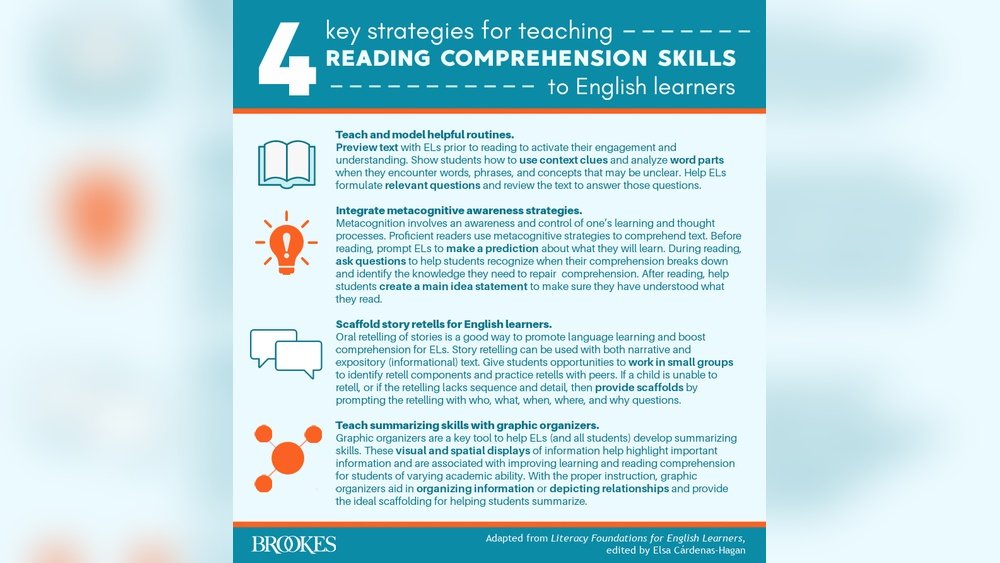
How To Improve Reading Comprehension For Students
Did you know over 60% of students worldwide struggle with reading comprehension at some point in their education? This skill isn’t just about reading words—it’s about understanding, remembering, and using what you read. Strong reading comprehension means better grades, more confidence, and future success. But many students, especially non-native speakers, find it hard to keep up. The good news? Reading comprehension can be improved with the right methods and practice.
This guide gives you clear steps, proven techniques, and real examples to help any student read smarter. Whether you’re a parent, teacher, or student, you’ll find practical solutions here. Let’s explore how to turn reading from a struggle into a strength.
Get 1 Free Audiobook To Keep
Start a 30-day free trial and pick any title from 700,000+ audiobooks. Your first book is yours forever, even if you cancel immediately.
Understand What Reading Comprehension Really Means
Reading comprehension is more than just reading words correctly. It’s about making sense of the text, connecting ideas, and remembering information. Imagine reading a story but not knowing why the main character acted a certain way. You read the words, but you miss the meaning. That’s why reading comprehension matters.
Why Comprehension Problems Happen
- Vocabulary gaps—Not knowing key words slows down understanding.
- No background knowledge—If a student doesn’t know the topic, it’s harder to connect ideas.
- Poor concentration—Distractions or reading too fast can lead to missing details.
- Weak strategies—students who don’t pause to check understanding get lost.
A simple analogy: Reading without comprehension is like eating food without tasting it. You finish, but you don’t enjoy or remember it.
Proven Steps To Improve Reading Comprehension
Let’s break down step-by-step strategies that really help. Use these in order, but adjust for what your student needs most.
1. Preview The Text Before Reading
Students should look at titles, headings, images, and any bold words. Skimming first gives the brain a “map” of what’s coming.
Example: Before reading a science article, check the title, look at the diagrams, and read the first and last sentence of each paragraph.
2. Build Vocabulary Actively
Understanding key words is essential. Students should list new words, guess meaning from context, and check dictionaries.
Pro tip: Keep a vocabulary journal. Write new words, meanings, and example sentences.
3. Ask Questions While Reading
Students who ask questions stay focused. They might wonder, “Why did this happen? ” or “What does this mean? ”
Mistake to avoid: Reading straight through without pausing to think.
4. Summarize Regularly
After each section or page, students should stop and tell themselves what they just read—out loud or in writing.
Example: “This paragraph explains why plants need sunlight.”
5. Visualize The Content
Encourage students to picture what’s happening. They can draw a quick sketch or imagine the scene.
Why it works: The brain remembers pictures better than words alone.
6. Make Connections
Link the text to what you already know. “This story reminds me of a movie I saw” or “This fact connects to our last lesson. ”
Tip: Use “text-to-self,” “text-to-text,” and “text-to-world” connections.
7. Annotate And Highlight
Marking important ideas with a pencil or highlighter keeps students engaged. Write short notes in the margins.
Warning: Don’t highlight everything—only key points.
8. Reread Difficult Sections
If something doesn’t make sense, students should go back and read it again, slower.
Pro tip: Read aloud for tricky parts. Hearing the words helps understanding.
9. Discuss And Teach Others
Talking about the text or teaching a friend helps students process ideas deeply.
Fact: Students remember up to 90% of what they teach to others.
10. Practice With Different Text Types
Switch between stories, articles, instructions, and graphs. Each type builds different skills.
11. Set A Purpose For Reading
Decide why you’re reading—Is it to find an answer? To enjoy a story? This changes how you read.
12. Monitor Understanding
Students should check themselves: “Do I understand this?” If not, they should use one of the above strategies.
Table: Common Mistakes Vs. Effective Strategies
Here’s a quick look at what often goes wrong and how to fix it.
| Mistake | Better Strategy |
|---|---|
| Reading without pausing | Summarize after each section |
| Ignoring unknown words | Look up or guess words |
| Not asking questions | Ask “why” and “how” while reading |
| Highlighting everything | Highlight only key ideas |
| Rushing through text | Reread difficult parts slowly |
Named Techniques For Better Reading
Certain strategies have names and are proven by research.
Sq3r Method
This stands for Survey, Question, Read, Recite, Review. It’s a classic way to read textbooks and articles.
- Survey (skim first)
- Question (ask what you want to learn)
- Read (read carefully)
- Recite (summarize out loud)
- Review (go over main ideas)
Kwl Chart
KWL means Know, Want to know, Learned. Before reading, write what you know and want to learn. After reading, fill in what you learned.
Reciprocal Teaching
This is where students summarize, question, clarify, and predict together in small groups. It works very well for teams.

Credit: www.foundationlearninggroup.com
How To Practice Reading Comprehension Daily
Building comprehension is like building muscle—it takes regular practice. Here’s how to make it a habit.
Mix Fun And Learning
Use comics, short stories, and news articles, not just textbooks. Fun reading builds skills, too.
Read Aloud Together
Parents or teachers can read a paragraph and ask questions. This models good thinking.
Use Technology
Apps like Newsela and ReadTheory adjust to a student’s level and give instant feedback. Audiobooks help non-native speakers hear natural language.
Set Small Daily Goals
For example, “Today I will find three new words and summarize each page. ” Small goals keep students motivated.
Table: Text Types And Skills They Build
Different texts develop different comprehension skills.
| Text Type | Main Skills Developed | Example |
|---|---|---|
| Stories | Sequencing, Inferring, Visualizing | Short story, novel |
| News Articles | Finding main idea, Summarizing | Science news, local events |
| Instructions | Following steps, Detail finding | Recipe, how-to guide |
| Graphs/Charts | Interpreting data, Drawing conclusions | Bar graph, pie chart |

Credit: www.teacherstakeout.com
Do’s And Don’ts For Parents And Teachers
Help students build comprehension with these simple actions.
| Do | Don’t |
|---|---|
| Model thinking aloud | Correct every mistake immediately |
| Encourage questions | Rush students through texts |
| Celebrate small wins | Focus only on grades |
| Use diverse reading material | Rely only on textbooks |
Non-obvious Insights Most Beginners Miss
- Reading speed is less important than understanding. Many students think reading quickly is better, but comprehension drops if you rush.
- Graphic organizers boost memory. Tools like Venn diagrams or story maps make connections clear and help ideas stick.
- Discussing mistakes improves learning. If a student misunderstands, talking about why is often more helpful than just correcting them.
Real-world Applications
Good reading comprehension skills help students:
- Solve math word problems
- Understand science experiments
- Write better essays
- Succeed in exams and interviews
- Enjoy books and articles
It’s a life skill, not just a classroom task.
Myth Vs Fact: Reading Comprehension
Let’s clear up some common myths.
Myth: Good readers never need to reread.
Fact: All strong readers reread difficult sections.
Myth: If you read slowly, you’re not smart.
Fact: Reading slowly for understanding is smart.
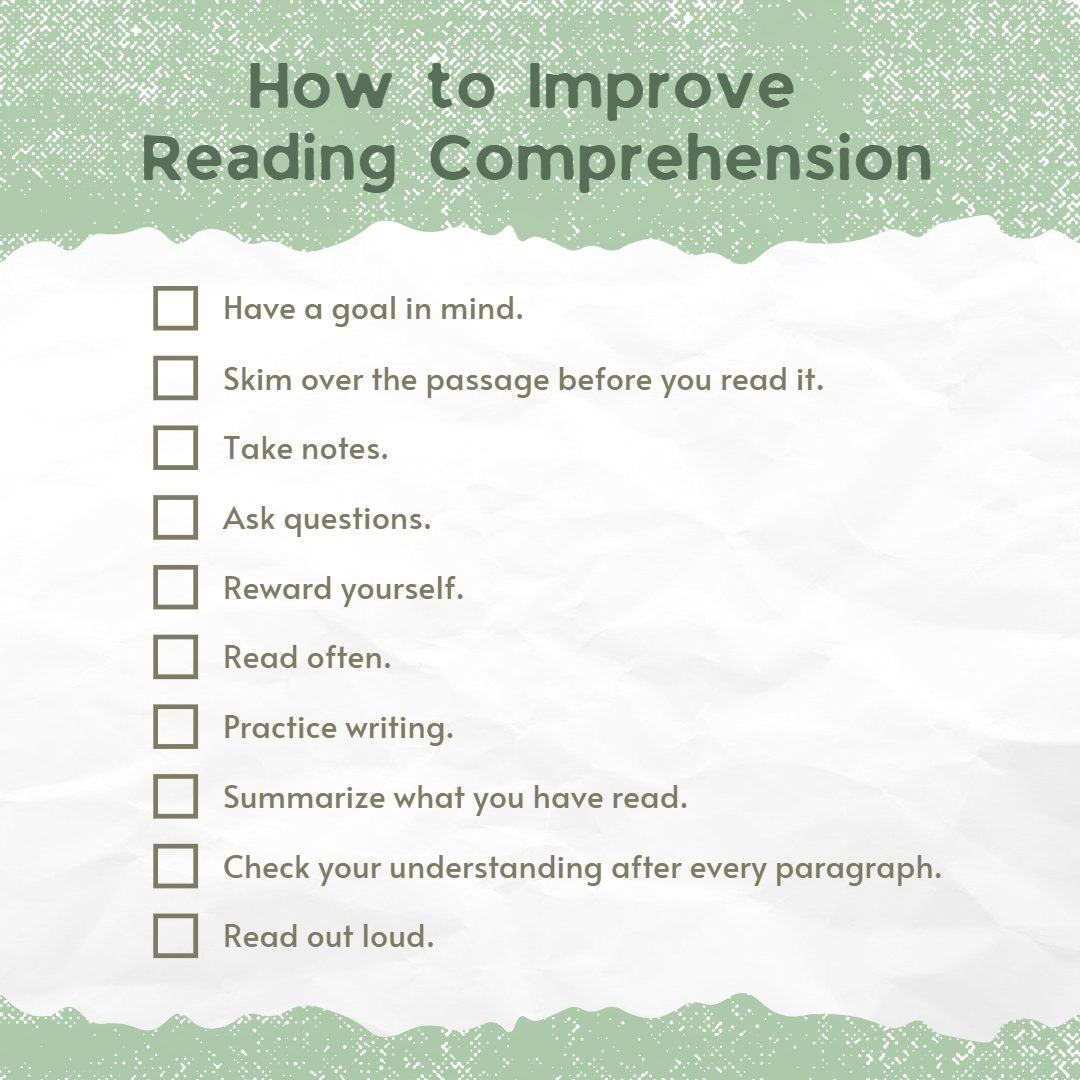
Credit: www.absolutelystudying.com
Key Takeaways
- practice Daily With Different Texts And Strategies.
- focus On Meaning, Not Speed.
- discuss And Review To Deepen Understanding.
- use Tools Like Sq3r, Kwl Charts, And Graphic Organizers.
Frequently Asked Questions
What Is The Best Way To Improve Reading Comprehension Quickly?
Focus on summarizing after each section and asking questions while reading. These two strategies give fast results for most students.
How Can Parents Help At Home?
Parents can read with children, ask them to explain what they read, and encourage reading for fun—not just for homework.
Are There Good Online Resources For Reading Practice?
Yes, websites like Reading Rockets offer tips, activities, and free reading materials.
What If My Child Hates Reading?
Find materials that match their interests—comics, sports news, or funny stories. Fun reading builds confidence and skill.
How Do I Check If My Child Is Really Understanding?
Ask them to retell the story in their own words or explain why something happened in the text. If they can, they understand.
Improving reading comprehension is a journey. With these steps, tools, and a little patience, every student can become a confident reader for life.