Recent research shows that about 30% of students prefer to learn by listening. This is not just a small group—auditory learners process information best through sound, making traditional reading or silent study less effective for them. If you find yourself remembering class lectures more than textbook pages, you might be part of this group. Using the right study methods can make a huge difference in your grades, confidence, and how much you enjoy learning.
Many students feel frustrated when they cannot recall what they read, yet remember everything from a classroom discussion or a podcast. This is not a weakness—it’s simply a different way the brain works. The key is to use strategies that match your natural strengths.
Understanding your style and adapting your routine can help you avoid stress and unlock your full potential as a learner.
What Are Auditory Learners?
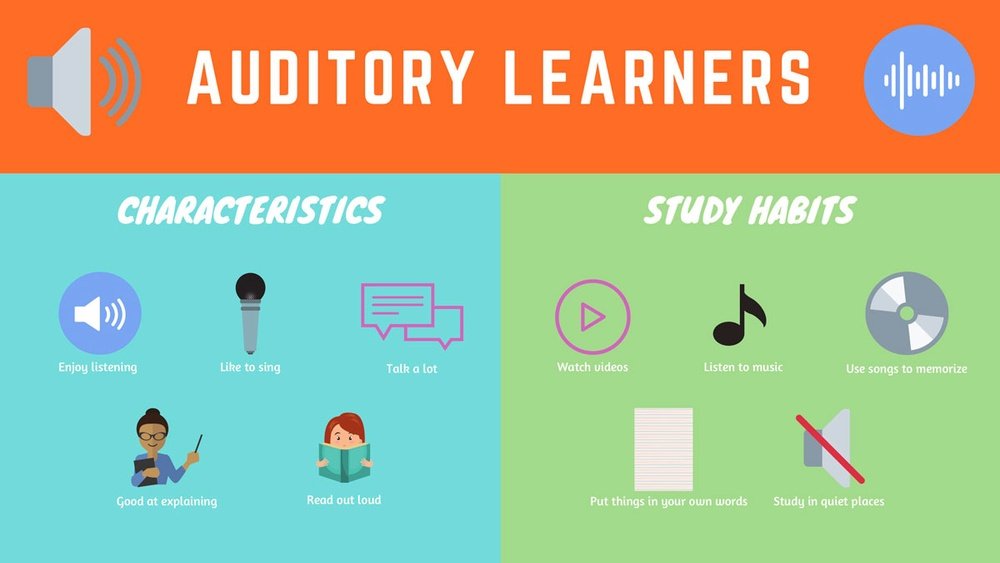
Auditory learners understand and remember information best when they hear it. They often talk to themselves, enjoy discussions, and may read out loud to process new ideas. If you find it easier to remember what your teacher said in class but struggle with silent reading, you likely have this learning style.
Key signs of auditory learners:
- Remember spoken instructions better than written ones.
- Learn well from group discussions.
- Like to read text out loud or use voice notes.
Another clue is that auditory learners are sometimes distracted by sounds in the environment. For example, background noise or people talking nearby can easily break their focus. On the positive side, they often excel in oral presentations, language learning, and remembering songs or dialogues.
Why does this matter? Because using study methods that match your learning style helps you study faster, remember more, and even enjoy the process. For auditory learners, the right approach can turn boring memorization into an engaging activity, making school and exams less stressful.
Top Study Methods For Auditory Learners
Let’s dive into the best, research-backed techniques you can use as an auditory learner.
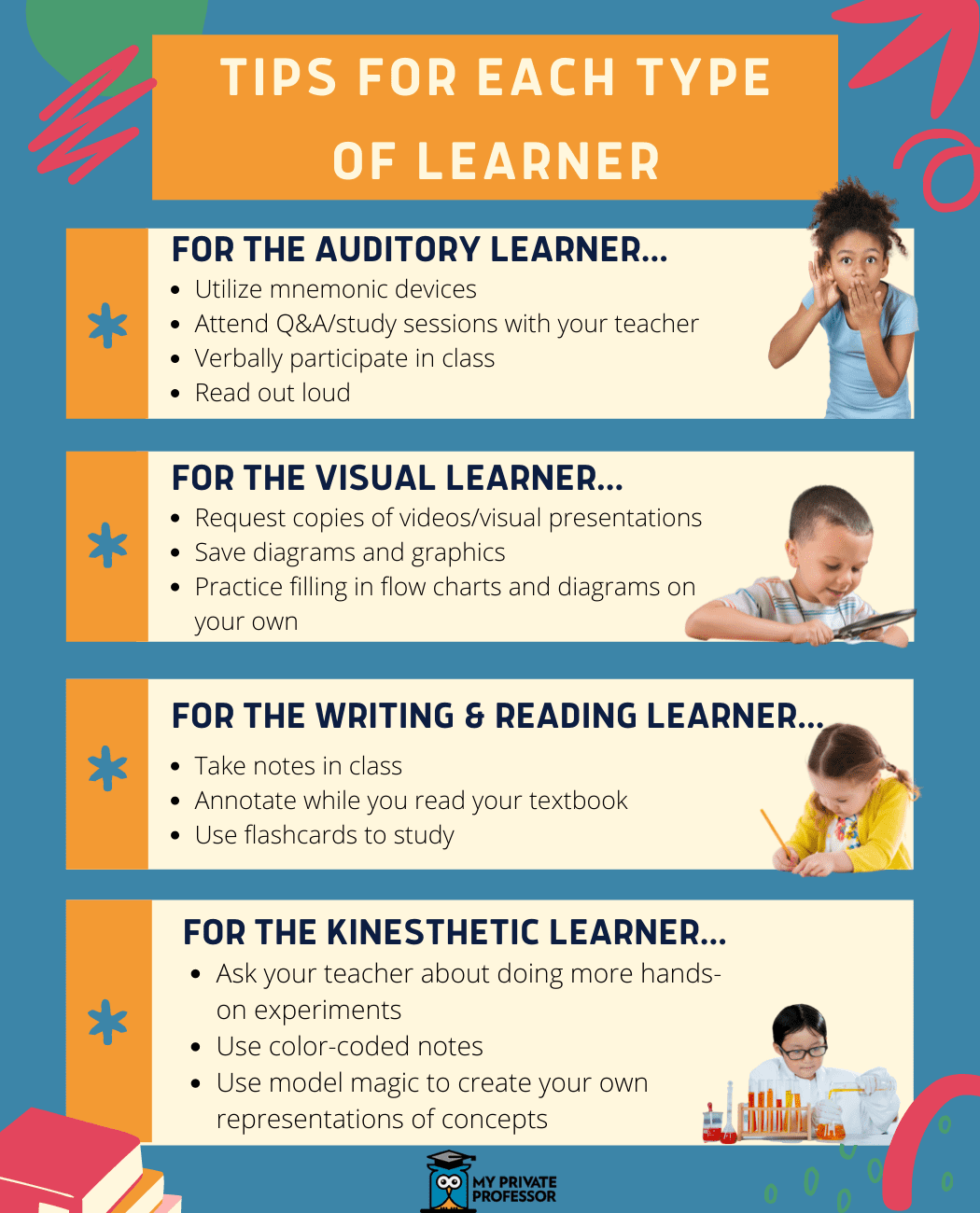
1. Read Aloud
Instead of reading your textbook silently, read the material out loud. This lets you hear the words, which helps your brain absorb and remember the content better.
Reading aloud also helps you find your own rhythm with the material. You will notice if a sentence does not make sense or if a fact is confusing, just by hearing it. This is something silent reading often misses.
Pro tip: Try recording yourself reading, then play it back during commutes or while doing chores. Hearing your own voice can reinforce the information even more. Some students even add energy to their reading by using different voices or emotions, making the process fun and memorable.
2. Use Audio Recordings
Listening to information is powerful. Record your lectures (with permission), use audio summaries, or find podcasts about your subject.
Example: For history, listen to episodes about world events. For science, search for podcasts about key concepts.
You can also create your own audio notes. After studying, summarize key points in your own words and record them. Replay these summaries before exams or while relaxing. This active engagement helps you organize your thoughts and remember more.
3. Join Study Groups
Discuss topics with classmates. Hearing others explain ideas or explaining them out loud helps you process information deeply.
Mistake to avoid: Letting the group become a chat session. Stay on topic and keep discussions focused.
Study groups are also great for testing your understanding. If you can answer a question out loud, it means you truly know the material. If you struggle, it highlights areas to review. Don’t be shy to ask questions—sometimes, hearing a classmate’s explanation is all it takes for an idea to click.
4. Verbal Repetition
Repeat key facts or vocabulary words aloud. The repetition reinforces memory.
Try: Making flashcards and saying the answer out loud before flipping them.
This method is especially useful for learning languages, science terms, or formulas. Some students like to walk around while repeating facts—it keeps the brain active and prevents boredom. Recording yourself and listening back is another way to add extra repetition.
5. Teach What You Learn
Explain concepts to a friend, family member, or even to yourself. Teaching forces you to organize your thoughts and fill knowledge gaps.
Pro insight: Even teaching an imaginary audience can boost your understanding!
If you do not have someone to listen, try using a stuffed animal or mirror as your “audience. ” The act of speaking out loud makes you notice what you understand well and what you need to study more. Many top students use this trick before exams.
6. Use Mnemonics And Rhymes
Turn facts into songs, rhymes, or catchy phrases. This links information to sound patterns, which are easier for auditory learners to remember.
Classic example: The rhyme “Thirty days hath September, April, June, and November…” to remember calendar months.
You can invent your own silly songs or rhythms for lists, formulas, or steps in a process. The more creative or funny, the better your brain will remember it. Even simple chants or raps can turn boring facts into something memorable.
7. Leverage Technology
Apps like Otter.ai transcribe lectures and let you listen to key points later. Audiobook versions of textbooks are also helpful.
Don’t: Rely only on passive listening—pause and repeat key sections for better retention.
Try using speech-to-text tools for writing essays or notes, and listen back to what you wrote. Many free text-to-speech apps can read your notes aloud, giving you another way to review. Look for audio-friendly learning platforms and online courses that offer lectures and discussions.
8. Participate In Discussions
Ask questions in class, join online forums, or attend webinars. The more you interact verbally, the more you retain.
Fact: Students who participate in discussions score up to 15% higher on comprehension tests.
Active discussion also helps you learn to explain your ideas clearly and listen to different points of view. This is a valuable skill for exams, presentations, and real life. Don’t hesitate to ask questions—even a short conversation can make a hard topic much clearer.
9. Use Background Music Carefully
Some auditory learners focus better with soft instrumental music. Avoid lyrics, as they can distract from your study material.
Test: Try both with and without music to see what works for you.
You may find that certain types of music, like classical or nature sounds, help you concentrate. But if you start singing along or paying attention to the music more than your notes, switch to silence or white noise. Everyone’s brain is different—experiment to discover your ideal study sound.
10. Summarize Notes Aloud
After taking notes, read them back out loud. This helps connect written information to your auditory memory.
Tip: Summarize main points in your own words for stronger recall.
For even better results, try explaining your notes as if you are teaching someone else, not just reading. This “thinking out loud” approach helps you organize and connect ideas, which strengthens memory and understanding.
—
Common Mistakes Auditory Learners Make
Knowing what to avoid is just as important as knowing what works. Here’s a quick overview:
| Mistake | Why It Hurts | What To Do Instead |
|---|---|---|
| Silent Reading Only | Less information is retained | Read aloud or use audio tools |
| Passive Listening | Easily distracted, forgetful | Repeat, pause, and summarize what you hear |
| Ignoring Visual Aids | Missing context or structure | Combine diagrams with verbal explanations |
Many auditory learners also overlook the value of writing things down or organizing their ideas visually. Even a quick sketch or outline, explained out loud, can make complicated topics easier to understand.
—

Credit: www.todaysparent.com
Real-world Examples
Meet Sami, a high school student who struggled with memorizing biology terms. When he started recording his own summaries and listening to them while walking the dog, his test scores improved by 20%. Or Rita, who joined a weekly online study group and found herself understanding math concepts for the first time.
A college student, Lina, used to get frustrated with dense reading assignments. She started reading chapters into her phone and listening to them while commuting. Not only did her grades improve, but she also found she could finish assignments faster and with less stress.
The takeaway: Small changes in your study routine can lead to big results. Many successful students combine several auditory methods, such as recording, discussing, and teaching, to reinforce learning from different angles.
Do’s And Don’ts For Auditory Learners
Here’s a quick reference you can use daily:
| Do | Don’t |
|---|---|
|
|
Adding one or two “do’s” to your daily routine can make studying more effective and less tiring. Remember, the goal is to use your natural strengths, not force yourself into methods that don’t fit.
—
Credit: www.sumnercollege.edu
Comparing Study Methods
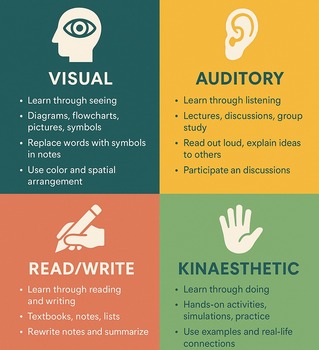
Not all methods work equally well for everyone. Here’s how auditory strategies stack up against others:
| Method | Auditory Learners | Visual Learners | Kinesthetic Learners |
|---|---|---|---|
| Listening to Podcasts | Highly Effective | Moderate | Low |
| Creating Mind Maps | Moderate | Highly Effective | Low |
| Role-Playing/Teaching | Highly Effective | Moderate | Highly Effective |
| Silent Reading | Low | Highly Effective | Low |
This shows why it’s important to match your study tools to your learning style. If you’re an auditory learner, focus on listening and speaking activities, but don’t be afraid to try a mix and see what helps you most.
—
Extra Tips For Auditory Success
- Combine methods: Pair audio learning with visual tools like diagrams or charts. For example, listen to a summary and then sketch a mind map.
- Use voice reminders: Record tasks or deadlines as voice memos instead of writing them.
- Choose the right environment: Study in quiet places or use noise-canceling headphones.
Non-obvious insight: Many auditory learners benefit from repeating information in their own words, not just listening passively. Also, using varied voices or tones (even silly ones) can make information stick better!
Another helpful tip is to schedule review sessions regularly, not just before exams. Listening to short summaries every few days builds long-term memory more effectively than cramming. Also, try explaining complex ideas in simple terms—this helps you test your real understanding and makes it easier to recall during tests.
—
Stat: In one study, students who used active listening techniques improved their exam scores by up to 25% compared to those who used silent reading only (ScienceDirect).
—
Credit: myprivateprofessor.com
Frequently Asked Questions
What Are The Main Signs That I Am An Auditory Learner?
You remember things better when you hear them, love discussions, and often read out loud. You may struggle with silent reading but do well with oral instructions. You might also find that you can repeat long conversations or song lyrics easily, even after hearing them just once.
How Can I Use Technology For Auditory Learning?
Record lectures, use audiobook versions of textbooks, and try apps like Otter. ai for transcribing or replaying key points. Podcasts and online discussions are also helpful. If you have access to smart speakers, ask them to read your notes or set verbal reminders for important study sessions.
Is Background Music Good For Auditory Learners?
Soft, instrumental music can help some people concentrate. Avoid music with lyrics, as it may distract your brain from the study material. If you find any music distracting, stick to silence or nature sounds.
Are Study Groups Always Better For Auditory Learners?
Study groups help most auditory learners, but only if the group stays focused. If the discussion moves off-topic, it can reduce your study effectiveness. Set clear goals for each session, and don’t be afraid to steer the group back if it drifts.
What If My School Doesn’t Offer Audio Materials?
Create your own by recording yourself reading notes or summaries. Use free online text-to-speech tools for listening practice, or join online forums for verbal discussion. You can also ask teachers if they can share audio files or recommend useful podcasts.
—
When you study in ways that match your brain’s strengths, learning becomes easier and more enjoyable. As an auditory learner, focus on hearing, speaking, and discussing your study material. Try out several methods from this guide, track what works best, and keep building your own toolkit.
With the right strategies, you’ll remember more, stress less, and reach your academic goals with confidence.