
Homeschool Vs Public School — Pros And Cons
Did you know that in the United States, over 3.7 million students were homeschooled in 2020-2021, a dramatic rise from previous years? At the same time, roughly 49 million attended public schools. Both options shape children’s futures but in very different ways. With parents now having more choices than ever, understanding the key differences, benefits, and challenges of each path is critical. If you’re facing the homeschool vs public school decision, this in-depth guide will help you see both sides clearly—so you can make the best choice for your family.
What Is Homeschooling?
Homeschooling means parents or tutors teach children at home instead of sending them to a traditional school. This method gives families more control over subjects, teaching style, and schedule. Homeschooling can look very different from one family to another. Some follow a strict curriculum, while others use a more relaxed, interest-based approach.
Many parents choose homeschooling for reasons like safety, religious beliefs, special needs, or dissatisfaction with local schools. The most important point: homeschooling is legal in most countries, but rules and requirements change by state or region.
What Is Public School?
A public school is run by the government and is open to all children living in a certain area. These schools are funded by taxes, and education is free for every student. Teachers must be certified, and classes follow a set curriculum created by the state or country.
Public schools offer many resources, including sports, music, special education, and school meals. They serve students from many backgrounds, creating a diverse social environment. Some parents prefer public schools for the structure, qualified staff, and broad range of activities.
Key Differences At A Glance
To compare the main aspects quickly, here’s a summary:
| Aspect | Homeschool | Public School |
|---|---|---|
| Location | Home or anywhere | School building |
| Schedule | Flexible | Fixed |
| Curriculum | Parent-chosen | State-set |
| Socialization | Limited, parent-managed | Diverse, daily peer contact |
| Cost | Varies (usually lower overall) | Free (tax-funded) |
| Teachers | Parents/tutors | Certified professionals |
Homeschool: Pros
Homeschooling is growing fast, and for good reason. Here’s why many families choose it:
1. Personalized Learning
Every child learns differently. Homeschooling lets you adapt lessons to your child’s pace, interests, and needs. If your child loves science, you can spend extra time there. If math is hard, you can slow down.
2. Flexible Schedule
Homeschoolers can set their own routines. You can take breaks when needed, travel during off-peak times, or adjust for family needs. This freedom is especially helpful for children with health issues or unique talents (like sports or music).
3. Strong Family Bonds
Spending more time together can strengthen relationships. Siblings often learn to cooperate, and parents get to see their children grow daily. For some, this is the biggest benefit of all.
4. Safe Learning Environment
Homeschooling reduces exposure to bullying, peer pressure, and school violence. Parents can create a supportive atmosphere where children feel safe and respected.
5. Custom Values And Worldviews
Families can include their beliefs and values in learning. Many parents appreciate being able to teach morals, religion, or cultural traditions as part of daily lessons.
6. Efficient Use Of Time
Without long commutes, assemblies, or waiting for the whole class, homeschoolers often finish lessons faster. This leaves more time for hobbies, volunteering, or extra study.
7. Focus On Life Skills
Homeschooling makes it easier to teach practical skills like cooking, budgeting, and time management—things sometimes missed in public school.
8. Support For Special Needs
Children with learning disabilities, anxiety, or health problems often thrive at home. Parents can tailor lessons and schedules for therapy, breaks, or doctor visits.
9. Fewer Absences
Sick days or family events don’t mean missing lots of work. Homeschoolers can catch up easily or plan around life’s surprises.
10. Opportunity For Travel And Real-world Learning
Families can turn trips into lessons, visit museums during quiet times, and learn from real-life experiences.
Homeschool: Cons
Homeschooling is not perfect. Here are challenges families often face:
1. Limited Socialization
Children may have fewer chances to meet others daily. Making friends takes extra effort. Parents often need to find clubs, sports, or group classes.
2. Heavy Parent Involvement
Teaching takes time and energy. Parents must plan lessons, keep records, and stay motivated. Not every family can manage this workload, especially if both parents work full-time.
3. Fewer Resources
Most homes do not have science labs, gyms, or art studios like schools do. Some programs fill these gaps, but it may cost extra or require travel.
4. Less Access To Extracurriculars
Public schools offer sports, band, theater, and more. Homeschoolers must look for community options, which can be limited in some areas.
5. Questionable Academic Rigor
Some parents worry about covering all subjects well, especially in high school. There’s a risk of missing advanced math, science, or foreign language if parents lack expertise.
6. College Admissions Can Be Tricky
While most colleges now accept homeschoolers, the application process may require more documentation. Families must keep careful records and sometimes provide extra test scores.
7. Financial Burden
One parent may need to stay home, reducing family income. Homeschooling also means buying books, materials, and sometimes tutors.
8. State Regulations
Rules change by region. Some areas require regular testing, paperwork, or home visits. Not following these can lead to legal trouble.
9. Less Exposure To Diversity
Homeschoolers may have fewer chances to meet people from different backgrounds, unless parents work hard to provide those experiences.
10. Parental Burnout
Balancing teaching, parenting, and household duties can become overwhelming, especially with multiple children or special needs.
Public School: Pros
Public schools have shaped millions of lives. Here’s why many families choose them:
1. Free Education
All children can attend without paying tuition. Books, teachers, and basic resources are covered by taxes.
2. Certified Teachers
Public school teachers are trained and licensed. They must meet state standards, which can give parents peace of mind.
3. Wide Range Of Subjects
Schools offer many classes, including advanced math, science, arts, and foreign languages. Students can discover new interests.
4. Social Development
Children interact with peers daily, building social skills, teamwork, and friendships. They learn to handle conflict and cooperate.
5. Extracurricular Activities
Most schools have sports, music, clubs, and student government—all ways for students to explore talents and gain confidence.
6. Special Education Services
Public schools must provide support for students with disabilities or learning challenges, often at no extra cost.
7. Routine And Structure
Daily schedules help children learn time management and responsibility. Some families find this structure helpful for their child’s focus.
8. Access To Resources
Schools have libraries, science labs, technology, and counseling. These resources can open doors for students.
9. Exposure To Diversity
Public schools bring together children from many backgrounds, cultures, and abilities. This prepares students for the real world.
10. Parental Support
Parents do not need to be experts or plan lessons. Teachers and staff handle most of the work, making life easier for busy families.
Credit: classicalconversations.com
Public School: Cons
Public school is not one-size-fits-all. Here are common downsides:
1. Large Class Sizes
With 20–30 students per class, teachers can’t give as much individual attention. Some children fall behind or feel lost.
2. Fixed Schedule
School calendars and hours are set. Families cannot travel or adjust easily for personal needs.
3. Less Flexible Curriculum
Teachers must follow state standards, which can limit creativity or skip topics some students enjoy.
4. Bullying And Peer Pressure
Not all students feel safe at school. Bullying, teasing, and negative influences can affect mental health and learning.
5. Overcrowded Facilities
Some schools lack enough space, technology, or supplies. This can impact the quality of education.
6. Teaching To The Test
Standardized tests are common. Teachers may focus on test prep instead of deeper learning or creativity.
7. Less Family Time
Long school days, homework, and activities mean families spend less time together.
8. One-size-fits-all Approach
Students with unique needs may struggle to fit in or get the support they need.
9. Limited Control For Parents
Parents have less say over what and how their child learns. Changing schools is not always easy.
10. Transportation And Commute
Many students spend time on buses or walking, adding to the school day and possible safety concerns.
Real-world Scenarios: Who Chooses What?
Choosing between homeschool and public school is a personal decision. Here are some typical scenarios:
- A child with severe allergies is homeschooled to avoid health risks.
- A family travels often for work and prefers the flexibility of homeschooling.
- Two working parents with limited time rely on public school for structure and support.
- A student passionate about sports joins public school to play on a team.
- A child with special needs gets extra help from public school’s special education staff.
- A family in a rural area homeschools due to long bus rides and lack of nearby schools.
Decision Factors: What Matters Most?
Here are some questions to ask before choosing:
- Learning style: Does your child thrive with structure or need flexibility?
- Social needs: Does your child enjoy group settings or prefer small groups?
- Parent availability: Can you commit time to teaching and planning?
- Budget: Can you manage on one income or afford materials and tutors?
- Local options: Are there good public schools nearby? Is homeschooling support available?
- Long-term goals: What works best for your child’s future—college, career, or life skills?
Common Myths Vs. Facts
Let’s clear up some misunderstandings:
| Myth | Fact |
|---|---|
| Homeschooled kids lack social skills. | Most participate in clubs, sports, and community groups. |
| Public schools are always better for college prep. | Many homeschoolers attend top colleges with strong records. |
| Homeschooling is only for religious families. | Families choose it for many reasons—safety, travel, special needs. |
| Public school students are always more diverse. | Homeschoolers can join multicultural groups and events too. |
| Homeschool parents need teaching degrees. | Most states do not require this, but parents must be dedicated. |

Credit: desmoinesmom.com
When Each Option Works Best
- Homeschool is a good fit if your child has unique needs, your schedule is flexible, and you enjoy hands-on involvement.
- Public school works well if you want certified teachers, structure, and a wide range of classes and activities.
Most families don’t stick to one path forever. Some homeschool in early years, then switch to public school (or the other way around) as needs change.
Actionable Tips For Making Your Choice
- Visit local public schools and ask about class sizes, resources, and special programs.
- Talk to other parents who homeschool and those with public school kids.
- Try sample homeschool lessons or join a local homeschool group for a day.
- Check state regulations for homeschooling and what records you must keep.
- Plan for social activities if homeschooling—sports, music, volunteering, or group classes.
- List your child’s strengths and struggles to see which setting supports them best.
Do’s And Don’ts For New Deciders
Here are practical reminders for parents:
do:
- research Both Options Carefully
- consider Your Child’s Personality
- plan For Social And Academic Needs
- check Legal Requirements
don’t:
- choose Based Only On Others’ Opinions
- ignore Your Own Limits Or Stress Level
- forget To Ask Your Child’s Opinion
Key Takeaways
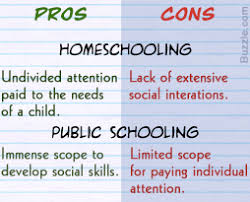
- Homeschooling offers flexibility and personalized learning but requires time, effort, and planning for social needs.
- Public schools provide structure, resources, and social variety but may lack individual focus and flexibility.
- No option is perfect. The right choice depends on your child, your family situation, and your goals.
- stay Open To Change—many Families Adjust As Their Needs Evolve.
Credit: homeschooling.school.blog
Frequently Asked Questions
Is Homeschooling Legal Everywhere?
Most countries and all U. S. states allow homeschooling, but rules vary. Always check local laws before starting. Some places require regular testing, registration, or visits from education officials.
How Do Homeschooled Students Get Into College?
Colleges usually accept homeschoolers. They may ask for detailed transcripts, standardized test scores, and samples of work. Many homeschoolers attend top universities. For more, see U.S. Department of Education.
What About Socialization For Homeschoolers?
Social skills grow through sports, clubs, co-ops, and community events. Parents must plan these, but most homeschoolers are active and well-adjusted.
Can I Switch Between Homeschool And Public School?
Yes. Many families move between options as needs change. Ask your local school about re-enrollment rules, credits, and placement tests.
Which Is Cheaper: Homeschool Or Public School?
Public school is usually cheaper because it’s tax-funded. Homeschooling can cost more if you buy materials, join programs, or lose income from staying home, but costs vary widely.
Choosing between homeschool and public school is a big decision. Remember, what’s right for one family may not fit another. Stay focused on your child’s needs, keep an open mind, and don’t be afraid to adjust your path as you go.