
Every year, students spend more than $200 million on planners and notebooks in the U.S. alone. Yet, nearly 40% abandon their chosen system within a semester. The reason? Most students struggle to find the right tool for staying organized. If you’ve ever wondered whether a bullet journal or a planner is better for students, you’re not alone. Both tools promise better grades and less stress—but they work in very different ways. Let’s break down the real differences, so you can pick the system that fits your study life.
What Is A Bullet Journal? What Is A Planner?
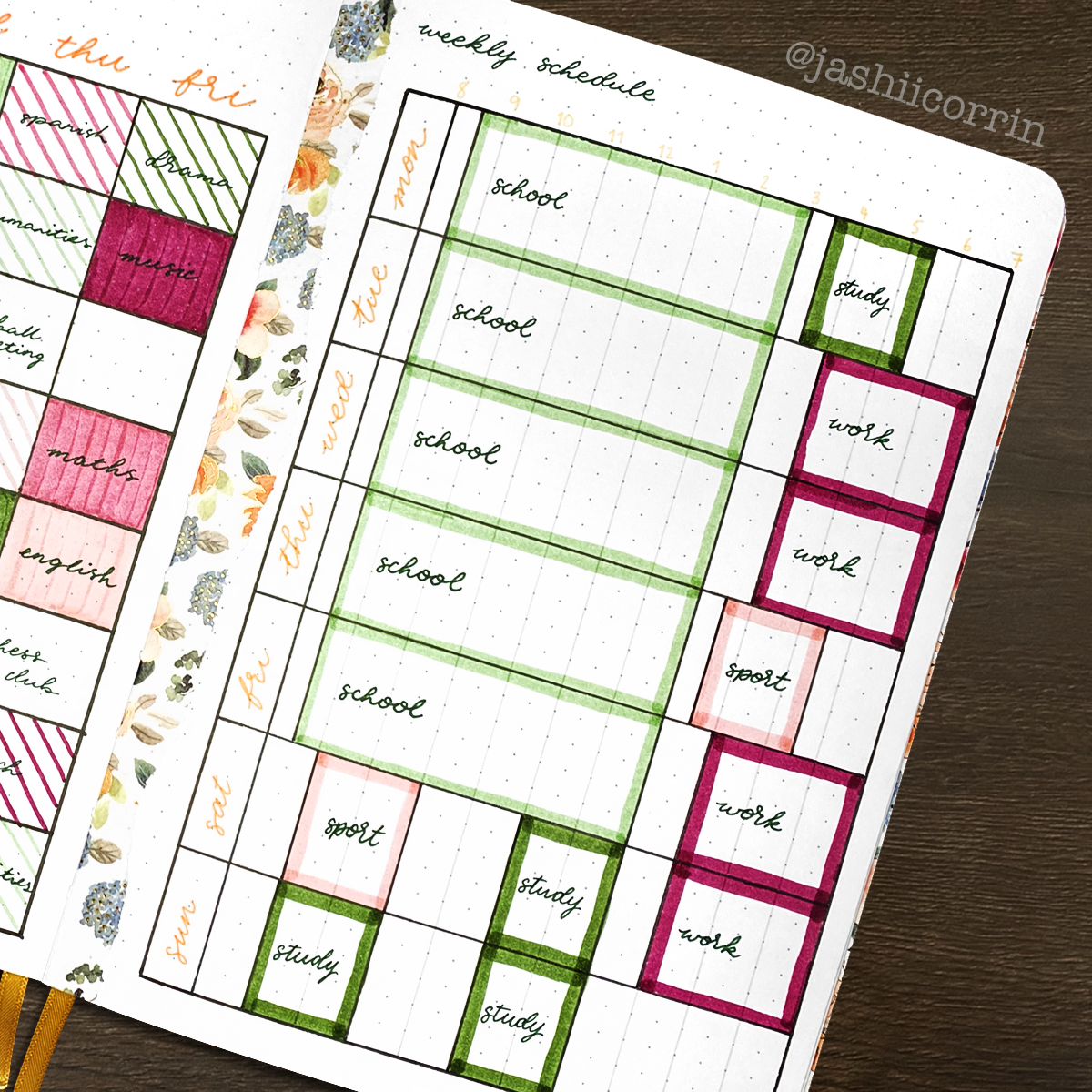
A bullet journal is a blank notebook you customize for your life. You create your own layouts for months, weeks, and days. You use symbols, lists, and trackers to organize tasks, goals, and ideas. The method was invented by Ryder Carroll, and it’s famous for its flexibility and creativity.
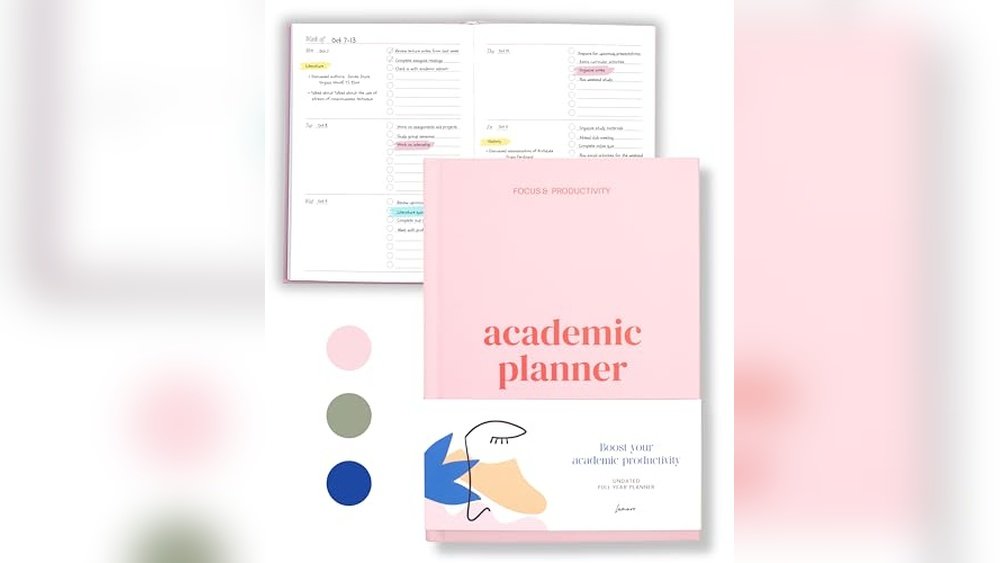
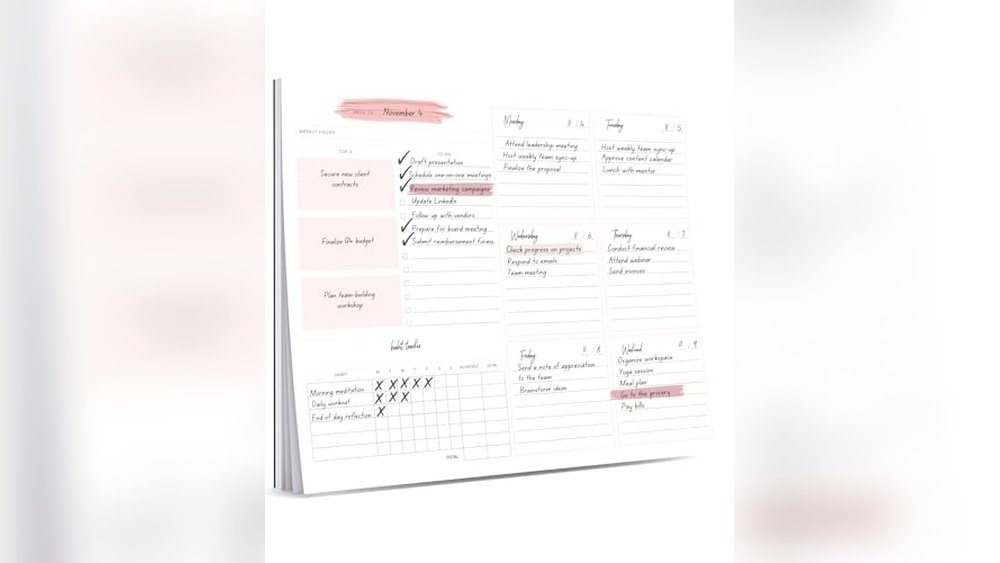
A planner, on the other hand, is a ready-made organizer. It comes with printed calendars, to-do lists, and sometimes extras like habit trackers or meal plans. You just fill in your tasks and events—no need to design anything.
Key difference: Bullet journals are DIY and flexible; planners are structured and ready to use.
Main Features: Bullet Journal Vs Planner
Let’s compare the main features students care about:
| Feature | Bullet Journal | Planner |
|---|---|---|
| Customization | Unlimited, create your own layouts | Fixed, limited to printed pages |
| Creativity | High, you design everything | Low, design is pre-set |
| Setup Time | High, need to set up each section | Low, ready to use |
| Cost | Low to medium | Low to high |
| Flexibility | Very flexible | Some flexibility, but limited |
| Learning Curve | Steep, need to learn method | Easy, just start filling in |
Most students choose based on creativity, ease of use, and how much time they want to spend on setup.
Benefits And Drawbacks For Students
Bullet Journal
Benefits:
- Personalized layouts fit your unique schedule.
- Creative freedom keeps you motivated.
- All tasks, notes, and ideas are in one place.
- Easy to add trackers for habits, grades, or mood.
Drawbacks:
- Takes time to set up every week or month.
- Can feel overwhelming for beginners.
- Requires supplies: Pens, rulers, sometimes stickers.
Planner
Benefits:
- Instant setup—just open and write.
- Helps with time management using pre-made sections.
- Portable and often durable.
- Usually includes academic calendars and study tips.
Drawbacks:
- Can’t change layouts if your needs shift.
- Wasted pages if you skip weeks.
- Extra features may be unused.
Real-world Scenarios: Which System Fits Which Student?
Scenario 1: Creative, Visual Learner
You love doodling, color-coding, and making lists with icons. You want to track your mood, water intake, or even your sleep. A bullet journal is likely your best match. You can create study trackers, vision boards, and mind maps that work with your learning style.
Scenario 2: Busy STEM Student
You have back-to-back classes, labs, and assignments. You need structure and speed. A planner helps you see your week at a glance, stick to deadlines, and avoid missing lab reports.
Scenario 3: Easily Overwhelmed
You start organized, but give up when things get messy. A simple planner reduces choices and helps you stay on track with minimal effort.
Scenario 4: ADHD or Neurodiverse Student
You need to brain-dump ideas, switch between tasks, or change your system often. A bullet journal gives you that flexibility. You can adjust layouts when your needs change.

Credit: www.archerandolive.com
Cost, Supplies, And Setup Time
Bullet Journal:
- Blank notebook ($5-$20)
- Pens/markers ($3-$20)
- Ruler, washi tape, stickers (optional)
- Setup time: 1-2 hours for initial layouts, 10-30 minutes weekly
Planner:
- Academic planner ($8-$35)
- Pen or pencil
- Setup time: 5 minutes—just start writing
Pro tip: Don’t overspend on supplies. Many students get caught up buying fancy items for their bullet journals and lose focus on the actual planning.
Academic Results: Is There A Winner?
A 2022 survey by the National Association of Student Personnel Administrators found:
- 62% of students who used any organizational system reported better grades.
- Of those, 43% used planners, 17% used bullet journals, and the rest used apps or sticky notes.
However, students who stuck with their system for the whole semester were 3x more likely to see grade improvements—no matter which system they used.
Takeaway: Consistency matters more than the tool itself.
Credit: www.archerandolive.com
Pros And Cons Side By Side
Here’s a direct comparison to help you decide.
| Bullet Journal | Planner | |
|---|---|---|
| Pros | – Customizable – All-in-one notebook – Supports creative expression – Adaptable for habits, goals, and notes |
– Ready to use – Structured for deadlines – Easy to maintain – Academic templates included |
| Cons | – Time-consuming setup – Can be intimidating – Risk of perfectionism |
– Fixed layouts – Wasted space if unused – Less personal |
Who Should Choose A Bullet Journal?
A bullet journal is best if you:
- Enjoy art, design, or creative planning
- Need to track more than just assignments (habits, moods, fitness)
- Want to change your system as your semester changes
- Don’t mind spending extra time on setup
Insider tip: Many students start simple and add more creative elements as they go, rather than trying to do everything at once.

Credit: www.printablesandinspirations.com
Who Should Choose A Planner?
A planner is best if you:
- Prefer quick, no-fuss organization
- Have a packed schedule with little free time
- Want a proven system for deadlines and appointments
- Feel overwhelmed by too many choices
Practical advice: If you’re new to organization, start with a basic academic planner for your first semester.
Common Myths Vs Facts
See which beliefs hold up:
| Myth | Fact |
|---|---|
| Bullet journals are only for artists | Anyone can use them—stick figures and lists work fine |
| Planners are boring | Many offer colors, stickers, and fun layouts now |
| You must use one system only | Some students combine both for best results |
| Expensive planners work better | Success depends on use, not price |
Decision Factors: What Matters Most?
Consider these before you choose:
- Time investment: How much setup time do you want?
- Flexibility: Do your needs change often?
- Creativity: Do you enjoy making your own layouts?
- Budget: Are you looking to save money?
- Consistency: Can you stick with your system?
If you want to experiment, try a simple bullet journal for a month and switch to a planner if it feels like too much work.
Expert Recommendations By Use Case
- For students with heavy assignment loads: Choose a planner with time-blocking pages.
- For those tracking mental health or habits: Bullet journals are more flexible.
- For group projects and meetings: Planners often have better calendar views.
- For long-term goal setting: Bullet journals let you create vision boards and progress trackers.
Actionable tip: No tool works if you don’t open it daily. Set a 5-minute review time every evening.
Key Takeaways
- Bullet journals give you creative freedom and all-in-one organization, but take more time to set up.
- Planners offer ready-made structure and fast setup, great for busy or overwhelmed students.
- Your academic results depend more on consistency than on the tool itself.
- Try both systems for a month to see what fits your learning style and schedule.
- Don’t be afraid to mix elements from both for your own hybrid system.
For more on the original bullet journal method, visit Bullet Journal Official Site.
Frequently Asked Questions
What Is The Main Difference Between A Bullet Journal And A Planner?
A bullet journal is a blank notebook you design yourself, while a planner is a pre-printed organizer ready to use. Bullet journals are flexible; planners are structured.
Can I Combine A Bullet Journal And A Planner?
Yes. Many students use a planner for classes and deadlines, and a bullet journal for habits, notes, and creative ideas.
Which Is Cheaper For Students?
A simple bullet journal can be cheaper if you use a basic notebook. Planners range from $8 to $35. If you buy lots of supplies for your bullet journal, costs can add up.
Is A Bullet Journal Good For Adhd Or Neurodiverse Students?
Yes. Bullet journals offer flexibility to adjust layouts and capture random thoughts, which can help students with ADHD or changing needs.
How Do I Stick With My Organization System?
Set a regular review time—like 5 minutes before bed. Keep your system simple. The best tool is the one you use every day.
No matter which you choose, remember: your organizational system should support you, not stress you out. Try, adjust, and make it your own.