
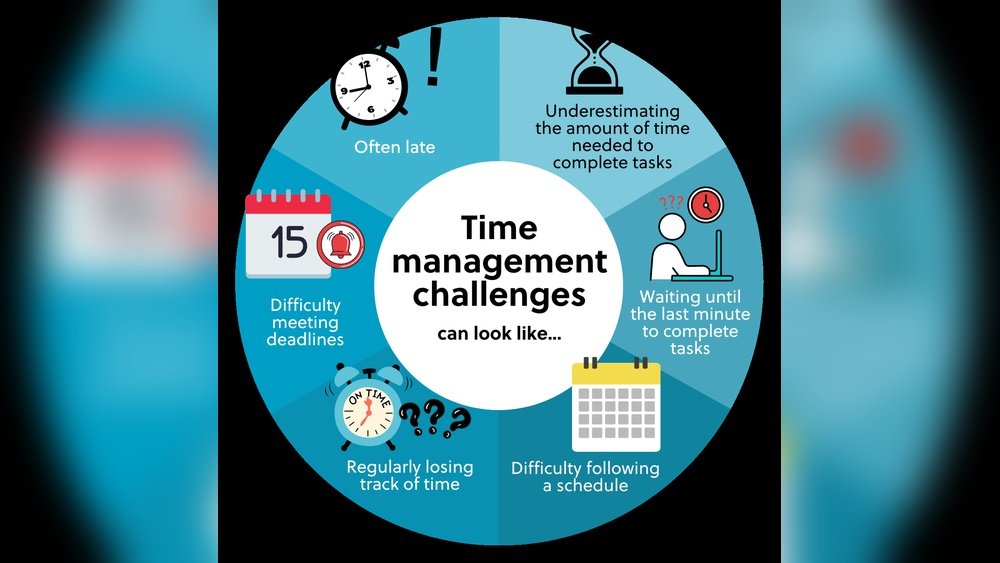
Many college students struggle with time. In fact, a recent study found that 87% of college students feel overwhelmed by their workload at least once a semester. With classes, assignments, social life, and sometimes a job, time can feel like it’s slipping away. But mastering time management isn’t just possible—it’s a skill that can be learned and improved. Understanding how to manage time as a college student can reduce stress, boost grades, and give you more freedom to enjoy your college experience.
Managing your time well doesn’t mean you have to sacrifice everything fun or social. In fact, good time management helps you fit more into your days without the feeling of being constantly behind. The real trick is finding a personal system that matches your style and sticking to it, even when things get busy.
Students who learn to manage their time early often say it’s the most useful skill they picked up in college.
Why Time Management Matters In College
College is different from high school. There’s more freedom, but also more responsibility. You might have only 15 hours of class each week, but that means you must organize the rest of your time alone. Bad habits, like procrastination, can lead to late nights and poor results.
Good time management is not just about being busy—it’s about being effective.
You are responsible for balancing academics, work, and social life. In college, deadlines can sneak up on you because professors often give assignments weeks in advance. If you don’t create a plan to handle these tasks, they pile up fast.
Without strong time management, you may miss out on important opportunities—like joining clubs or internships—because you’re always catching up.
Real-world Example
Maria, a biology major, used to study only before exams. She often pulled all-nighters and felt anxious. After learning better time management, she started planning her weeks, studying a bit every day, and finished her semester with higher grades and less stress.
Maria’s story is common. At first, she thought she was saving time by studying only when necessary. But it actually made her more tired and less prepared. By spreading her study sessions across the week, she had more free time and remembered information better.
She even found time for hobbies, which helped her feel happier and more focused.
Step-by-step: How To Manage Time As A College Student
1. Set Clear Goals
Start by knowing what you want. Do you aim for top grades? Want more free time? Write down your main goals for the semester. Break these into smaller goals—for example, “Read one chapter per day” or “Finish assignments two days early.
”
Having clear goals helps you stay focused when things get busy. If you’re not sure where to start, ask yourself what you want to achieve by the end of the semester—not just academically, but also in your personal growth.
2. Use A Planner Or Digital Calendar
A planner is your best friend. You can use a paper planner, Google Calendar, or apps like Notion or Trello. Mark all your class times, assignment deadlines, exams, and important events. Check your planner every morning and night.
Pro tip: Color code your subjects or activities to see your priorities at a glance.
A good habit is to update your planner as soon as you get new information. For example, after receiving a syllabus, enter all exam dates and deadlines right away. This helps you plan ahead and avoid last-minute stress.
3. Prioritize Tasks
Not all tasks are equal. Use the Eisenhower Matrix to sort your to-dos:
- Urgent & Important: Do now (e.g., assignment due tomorrow)
- Important but Not Urgent: Schedule (e.g., long-term project)
- Urgent but Not Important: Delegate if possible (e.g., club emails)
- Not Urgent/Important: Limit or skip (e.g., endless social media)
As you practice this, it becomes easier to recognize what really matters. For example, it might feel urgent to answer every text, but your focus should stay on what moves you closer to your goals.
4. Break Work Into Chunks
Big projects can feel scary. Break them into steps: research, outline, draft, revise. Use the Pomodoro Technique: work for 25 minutes, then take a 5-minute break.
Chunking work makes it less intimidating. For instance, instead of writing a whole essay in one night, plan to write the introduction one day, the main body the next, and so on. This spreads out the effort and helps you do better work.
5. Avoid Multitasking
Research shows multitasking can cut productivity by up to 40%. Focus on one task at a time for better results.
When you try to do several things at once, your attention is divided. This leads to mistakes and longer completion times. For example, don’t try to review notes while checking social media. Set aside time for each activity.
6. Plan Each Week In Advance
Every Sunday, look at your planner. List your top 3 priorities for the week. Block time for study, exercise, and relaxation.
Planning weekly lets you see busy days ahead. You can move tasks around to avoid overload. It also makes it easier to say “no” to last-minute invitations if you already have important tasks scheduled.
7. Build Routines
Daily routines make time management easier. For example:
- Morning: Review tasks for the day
- Afternoon: Classes and study sessions
- Evening: Free time or light review
Having routines reduces decision-making. You don’t waste time wondering what to do next. Over time, good routines help you build habits that last.
8. Limit Distractions
Find your biggest distractions—phone, friends, noise—and control them. Study in quiet places, use website blockers, or put your phone on “Do Not Disturb. ”
Try creating a study environment that signals “focus time” to your brain. Some students use noise-canceling headphones or play soft music if it helps concentration.
9. Say No Sometimes
It’s okay to say no to extra commitments when your schedule is full. Protect your study time.
Saying “no” can feel uncomfortable, but it’s necessary. Remember, every “yes” to something new is a “no” to something else, like your health or grades.
10. Track Your Time
Spend a week writing down how you spend every hour. You’ll spot where time is wasted and can adjust.
This exercise often surprises students. You may find you spend more time than you thought scrolling online or chatting. Once you know where your time goes, you can make better choices.
11. Use Campus Resources
Many colleges offer tutoring, writing centers, and study groups. Use them to save time and understand tough subjects.
These resources are often free and can help you finish assignments faster. They also connect you with people who can share useful tips or study methods.
12. Take Care Of Yourself
Rest, exercise, and healthy meals boost focus. Don’t skip sleep—students who sleep at least 7 hours get better grades on average.
Self-care isn’t selfish. Skipping meals or sleep might seem like you’re gaining time, but it actually makes you less efficient and more stressed.

Credit: readdle.com
Common Time Management Mistakes
| Mistake | Why It Hurts | What To Do Instead |
|---|---|---|
| Procrastination | Last-minute work, higher stress | Break work into small steps, start early |
| Overcommitting | No time to finish tasks | Learn to say no, limit activities |
| No Schedule | Forget deadlines, waste time | Use a planner, plan weekly |
| Multitasking | Poor focus, more mistakes | Work on one thing at a time |
Even experienced students fall into these traps. Regularly reviewing your habits can help you catch mistakes early.
Tools And Apps That Help
Many students use tech to manage their time. Here are some top options:
- Google Calendar – For scheduling classes, events, and reminders.
- Trello – Organize tasks as cards in lists (great for group projects).
- Notion – Flexible for notes, to-dos, and planning.
- Forest – Blocks distractions and rewards you for focused work.
- RescueTime – Tracks how you spend time on your computer.
Using these tools can help you build habits that last beyond college.
Experiment with different apps to find what fits your style. Some students prefer simple checklists, while others like visual boards. Don’t be afraid to switch if something isn’t working for you.

Credit: medium.com
Real-world Time Management Techniques
The Time Blocking Method
Block specific hours for specific activities. For example, 9-11 a. m. for studying biology, 11-12 for emails, 1-3 p. m. for group work.
This method reduces task-switching and keeps you focused. Many students find it helps them finish work faster because they know exactly what they should be doing at each time.
The Two-minute Rule
If a task takes less than two minutes, do it immediately. This keeps small things from building up.
Applying this rule to things like replying to quick emails or tidying your desk can keep your to-do list under control.
The Abcde Method
List tasks and label them:
- A: Most important—must do today
- B: Should do—important but less urgent
- C: Nice to do—no consequences if not done
- D: Delegate—give to someone else
- E: Eliminate—not worth doing
This method forces you to focus on what matters most, not just what feels urgent. Review your list daily and adjust as needed.
Sample Weekly Student Schedule
Here’s how a balanced week can look:
| Day | Morning | Afternoon | Evening |
|---|---|---|---|
| Monday | Lecture, Study | Group Project | Gym, Review Notes |
| Tuesday | Reading | Class | Personal Time |
| Wednesday | Assignment Work | Lab | Social Event |
| Thursday | Lecture, Study | Club Meeting | Review Notes |
| Friday | Class | Library Study | Sports |
Schedules like this include balance—study, health, and fun. You can adjust blocks as needed, but seeing your week as a whole helps prevent overload.

Credit: www.uagc.edu
Do’s And Don’ts Of College Time Management
| Do | Don’t |
|---|---|
| Set daily and weekly goals | Wait until the last minute |
| Use a planner | Rely on memory |
| Take breaks | Work for hours without rest |
| Ask for help when stuck | Struggle alone |
Following these simple do’s and don’ts can save you countless hours and reduce stress over time. Remember, the most successful students are not always the smartest, but often the best organized.
Key Insights Students Often Miss
- Buffer Time Is Critical: Always leave space between tasks. Meetings, classes, and assignments often take longer than planned.
- Review and Adjust Weekly: Your first plan won’t be perfect. Every Sunday, check what worked and change what didn’t.
Another insight: Don’t forget to celebrate small wins. Recognizing your progress keeps you motivated. Also, realize that sometimes unexpected things will happen—sickness, family events, or sudden assignments. When this happens, don’t panic. Adjust your plan and keep moving forward.
Practical Tips For Better Time Management
- Always keep a small notebook or use your phone to jot down quick tasks or ideas.
- Find your “best time” for hard work—some people focus better in the morning, others at night.
- Batch similar tasks together. Answer all emails at once instead of every time you get one.
- Build time for fun and friends. Balance is key to staying motivated.
Also, don’t underestimate the power of regular reflection. Spend a few minutes each week asking yourself, “What went well? What can I improve? ” Over time, this habit will sharpen your time management skills.
Where To Learn More
For deeper techniques, explore the Pomodoro Technique and Time Blocking. Many resources, like Mind Tools, offer free guides and templates.
Reading about real student experiences can also give you new ideas. Podcasts, YouTube channels, and campus workshops often share practical stories and solutions.
Taking Action: Your Next Steps
Managing time in college is not about being perfect. It’s about finding what works for you, making small improvements, and sticking with it. Start by picking one tool or tip from this article and try it for a week. Celebrate small wins.
If something doesn’t work, adjust and keep going. Time management is a skill you’ll use your whole life.
Remember: habits take time to build. Even small changes, like using a planner or setting a bedtime, can have a big impact over a semester. Be patient with yourself and keep experimenting until you find your rhythm.
Frequently Asked Questions
How Do I Start If I’m Always Behind?
Begin with a simple daily list. Each night, pick 3 tasks for tomorrow. Focus on finishing those first. Over time, add more structure.
If you’re overwhelmed, ask for help—professors and campus counselors are used to helping students get organized.
What’s The Best Time Management App For College Students?
Google Calendar is great for most students. It’s free, easy, and connects to your phone and email. Try others if you want more features.
The best app is the one you’ll actually use. Try two or three and see which makes planning feel natural, not forced.
How Can I Avoid Procrastination?
Break big tasks into small, clear steps. Start with the easiest part. Use a timer—work for 25 minutes, then take a short break.
Reward yourself for finishing tasks. Sometimes a small treat or a walk can be enough to keep you motivated.
Should I Study At The Same Time Every Day?
Yes, if possible. Consistent routines help your brain focus. If your schedule changes often, plan study times each week.
If you have to change things, try to keep some parts of your routine stable—like always reviewing notes before bed.
How Much Free Time Should I Have?
Aim for at least 1-2 hours of free time daily. Use this for relaxing, socializing, or hobbies. Rest is important for success.
If you feel constantly tired, it’s a sign to adjust your schedule and add more downtime.
—
With the right tools and habits, you can manage your time well in college. This will help you get better grades, feel less stressed, and enjoy your student life more. Start now—your future self will thank you.