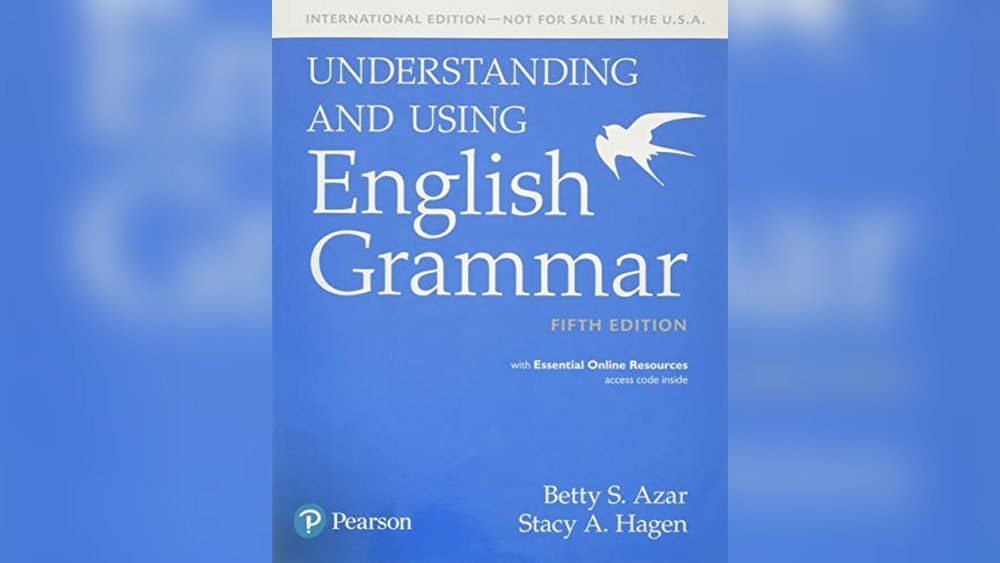
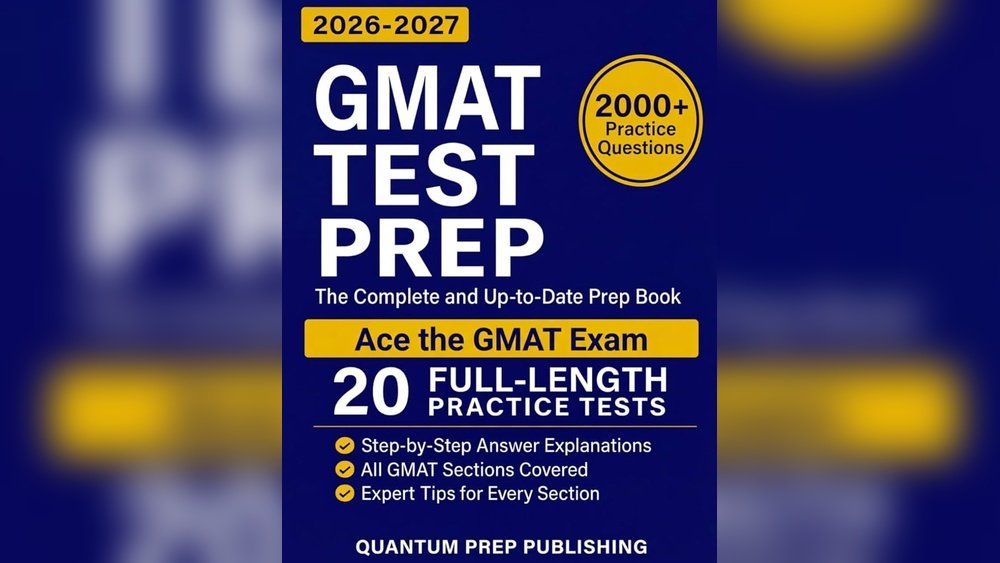
Did you know that only 16% of GMAT test-takers score above 40 in the Verbal section? For many, reading comprehension, critical reasoning, and sentence correction are the toughest hurdles. But there’s a game-changer: Audible. By combining listening with active study, you can sharpen your verbal skills faster — even if English isn’t your first language.
This guide shows exactly how to use Audible to boost your GMAT Verbal score — step-by-step, with real examples, pro tips, and mistakes to avoid. If you’re also studying with print materials, our guide to GMAT prep audiobooks that actually work has additional resources worth pairing with this strategy.
Get 1 Free Audiobook To Keep
Start a 30-day free trial and pick any title from 700,000+ audiobooks. Your first book is yours forever, even if you cancel immediately.
Why Audible Works for GMAT Verbal Prep
Listening Improves Comprehension
Research shows that audio learning boosts memory and understanding, especially for non-native speakers. Audible lets you absorb complex texts, arguments, and vocabulary while you commute, cook, or exercise. This means more study time and deeper learning.
Unlike silent reading, listening trains your brain to follow the flow of ideas, grasp tone, and interpret context quickly. For example, listening to a chapter from a classic novel exposes you to varied sentence structures and vocabulary that often appear in GMAT questions.
GMAT Verbal Demands Real-world Skills
The GMAT Verbal section is not just about grammar — it’s about critical thinking, argument analysis, and reading for structure. Podcasts like TED Talks or Freakonomics Radio often present arguments with clear premises, evidence, and conclusions. By listening regularly, you learn to spot logical patterns, which is essential for critical reasoning questions.
Multi-modal Learning Outperforms Reading Alone
Combining listening with reading creates multi-modal learning. This has been shown to boost retention by up to 30% compared to reading alone. When you listen and then review the text, your brain builds connections between spoken and written language. For GMAT prep, you can listen to a passage, then read it, then summarize it aloud — this triple approach helps under time pressure.
Setting Up Audible for GMAT Success
Choose the Right Device
Audible works on smartphones, tablets, laptops, and desktops. For GMAT prep, your smartphone is ideal — portable and easy to pause and annotate. Invest in comfortable headphones for better focus during longer sessions.
Create a GMAT Study Playlist
- GMAT-specific guides (e.g., test strategies)
- Classic literature (for complex sentence structures)
- Nonfiction (for logical arguments)
- Editorials/essays (for reasoning practice)
- Vocabulary builders
Adjust Playback Settings
Set playback speed to match your comfort. Start at 1x, then increase to 1.2x or 1.5x as you improve. This builds faster processing, critical for GMAT timing.
Step-by-step: Using Audible for Each GMAT Verbal Question Type
Reading Comprehension
- Listen actively — Choose audiobooks with academic or analytical content. Focus on main idea, tone, and structure. Pause after each chapter to summarize aloud.
- Take notes — Jot down key points using Audible’s built-in note function. This mimics GMAT “main idea” and “detail” questions.
- Practice paraphrasing — After a passage, restate its main point in your own words. This trains you to answer inference and summary questions quickly.
- Compare listening vs. reading — Try listening first, then reading the same section to expose blind spots.
| Method | Strengths | Weaknesses |
|---|---|---|
| Listening | Builds comprehension, faster review | May miss technical details |
| Reading | Deeper analysis, easier annotation | Slower, can lead to fatigue |
| Combined | Best retention, covers all question types | Requires extra time |
Critical Reasoning
- Identify argument structure — Listen for premises, conclusions, and assumptions. Pause and ask: “What is the main claim? What evidence supports it?”
- Spot logical flaws — Practice with debate podcasts. Note any logical fallacies or weak links after each segment.
- Drill with short clips — Use Audible’s clip feature to replay tricky arguments. Repeat until you can identify flaws quickly.
- Apply to GMAT questions — After listening, do 5 real GMAT critical reasoning questions and compare your approach.
Sentence Correction
- Listen for grammar — Choose audiobooks with well-edited language. Pay attention to sentence structure, subject-verb agreement, and parallelism.
- Pause and analyze — When you hear a complex sentence, pause and ask: “Is this grammatically correct? Why?”
- Use grammar guides — Audible has grammar-focused books. Listen to a chapter daily, then practice correcting sentences from GMAT sample tests.
- Build a grammar error list — Keep a list of common mistakes you notice in audio. Review it before each practice session.
Recommended Audible Books and Podcasts for GMAT Verbal
- GMAT-specific guides: GMAT Official Guide (audio version), Manhattan Prep GMAT Verbal
- Classic literature: Pride and Prejudice (Jane Austen), Great Expectations (Charles Dickens)
- Nonfiction: Outliers and The Tipping Point by Malcolm Gladwell
- Grammar builders: Grammar Girl Quick and Dirty Tips
- Podcasts: TED Talks Daily, Freakonomics Radio
Common Mistakes to Avoid
- Listening passively — missing key points and structure
- Over-relying on fiction — not enough logical argument practice
- Ignoring note-taking — forgetting important details
- Skipping difficult passages — not challenging yourself
- Setting playback too fast — losing comprehension
Key Takeaways
- Active listening on Audible boosts GMAT Verbal skills.
- Mix genres for balanced practice.
- Pair audio with notes and speaking for best retention.
- Gradually increase speed to prepare for test timing.
- Bookmark tough passages and review regularly.
Frequently Asked Questions
How does Audible help with GMAT Verbal for non-native speakers?
Audible builds vocabulary, comprehension, and listening speed. Non-native speakers can practice understanding complex sentences and arguments, which are key for GMAT Verbal. It also helps with natural phrasing and idioms, making sentence correction questions easier.
How much time should I spend on Audible daily?
Aim for 20–30 minutes daily. Consistency matters more than total hours. Short, focused sessions help you retain more. Even listening during routine tasks (walking, commuting) counts if you stay engaged.
Audible is a powerful tool for acing the GMAT Verbal section. By listening actively, mixing genres, and pairing audio with practice, you gain skills that traditional study methods can’t match. Stay consistent, review often, and adjust your approach as you progress. For more GMAT resources, visit the official GMAT website.