The best way to review notes before a test is a HOW-TO/METHOD article.
—
Every year, millions of students face the same challenge: how to review notes before a test for the best results. According to research from the Association for Psychological Science, students who use active review methods score up to 20% higher than those who simply reread their notes. But what’s the real secret to turning your messy notebook into top grades? The answer is not just reading—it’s using the right strategies, timing, and mindset.
In this guide, you’ll learn step-by-step methods, common mistakes, and pro tips that help you get more from every review session. Let’s dive in and transform your study habits before your next big test.
Step 1: Organize Your Notes
First, gather all your materials. This may sound basic, but scattered or incomplete notes lead to confusion and wasted time.
- Put all notes, slides, and handouts together.
- Remove duplicate pages.
- Sort notes by topic or date.
- Highlight main concepts and key terms.
A tidy workspace and clear notes help your brain focus on learning—not searching.
Pro Tip: Color-code your notes by subject or importance. For example, use yellow for definitions and blue for examples.
Step 2: Summarize Each Topic
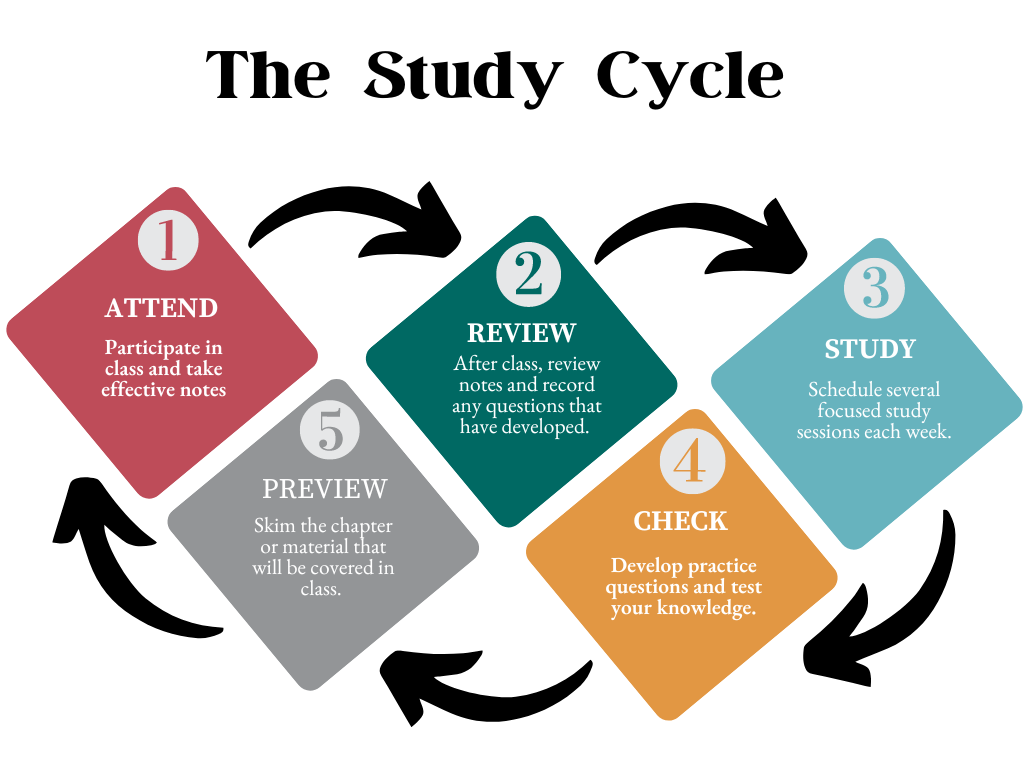
Don’t just read—condense. After organizing, go through each topic and write a short summary in your own words.
- Use one page per topic.
- List main ideas, formulas, or dates.
- Add a real-world example for each point.
Summarizing forces you to process the information, not just glance at it. This step boosts memory and reveals what you don’t fully understand yet.
Credit: sites.rhodes.edu
Step 3: Test Yourself Actively
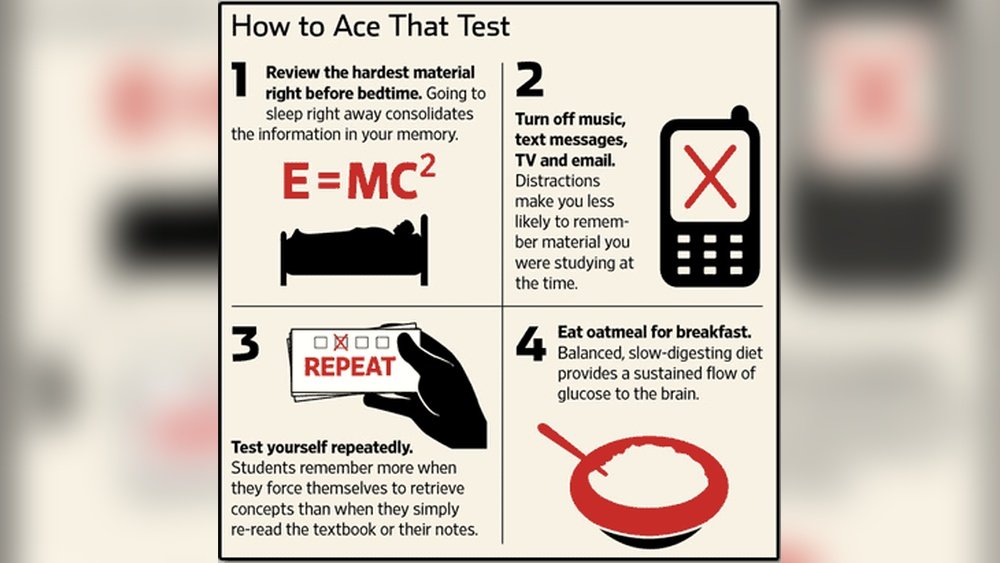
Self-testing is one of the most powerful ways to review. According to a 2013 study, practice tests improve recall more than any other method.
- Turn summaries into questions.
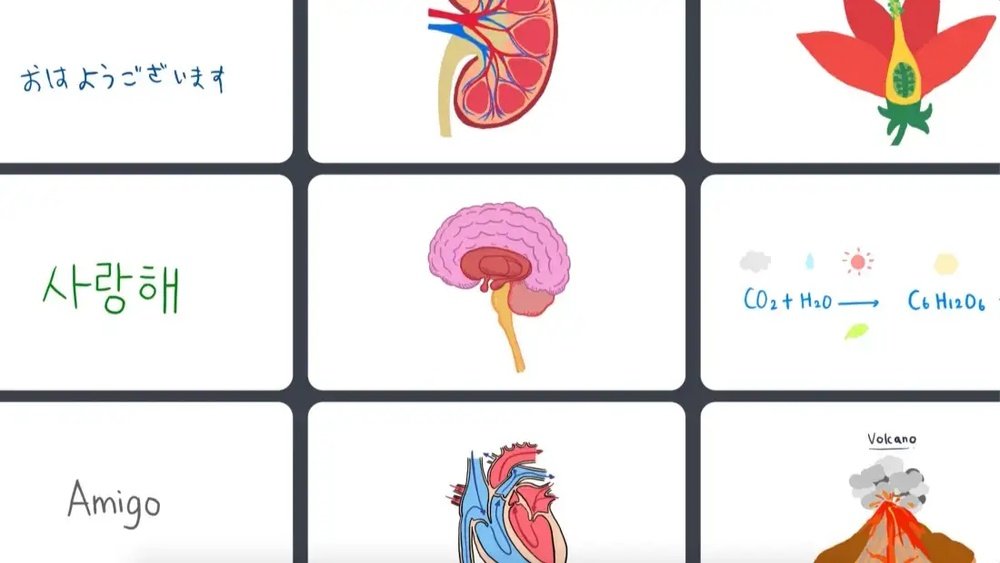
- Write flashcards (physical or digital).
- Quiz yourself out loud or with a friend.
- Cover answers and try to recall.
Here’s a quick comparison of common self-testing tools:
| Tool | Pros | Cons |
|---|---|---|
| Flashcards | Easy, portable, quick feedback | Time-consuming to make |
| Practice Tests | Simulates real exam, covers full topics | Needs preparation, not always available |
| Verbal Recall | No materials needed, boosts memory | Harder to check accuracy |
Pro Tip: Mix up question types. Use both facts (“What is photosynthesis?”) and “why” questions (“Why is photosynthesis important?”).
Step 4: Space Out Your Review Sessions
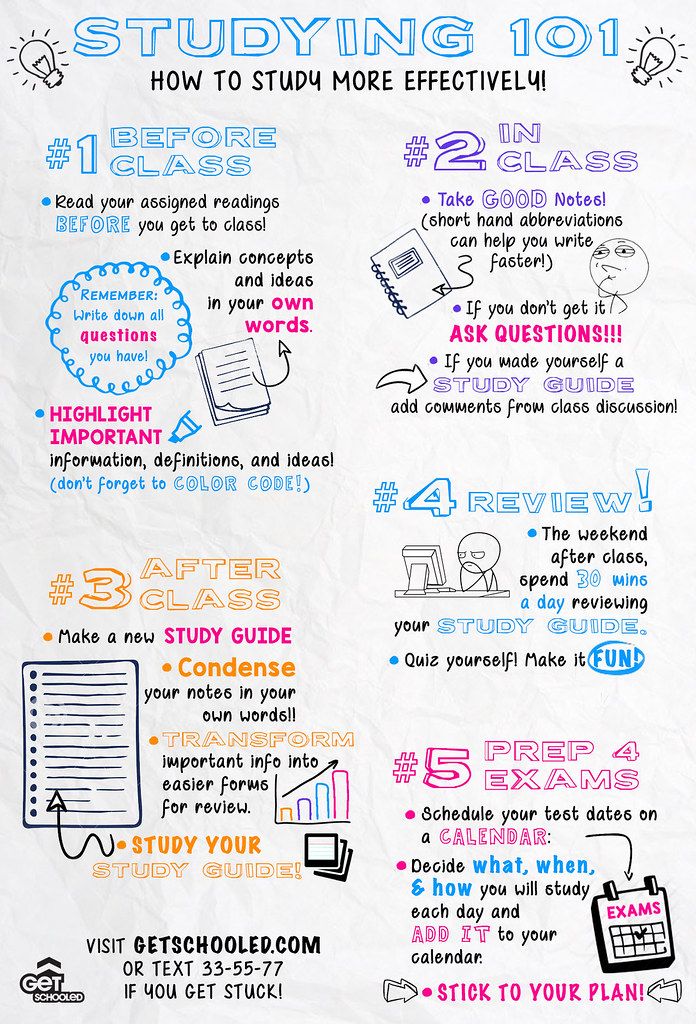
Cramming the night before rarely works. The spacing effect proves that reviewing over time improves long-term memory.
- Plan review sessions several days before the test.
- Break topics into daily chunks.
- Review each topic at least twice.
For example, if your test is in 5 days:
- Day 1: Review Chapters 1–2
- Day 2: Review Chapters 3–4
- Day 3: Mix all chapters, test yourself
- Day 4: Focus on weak areas
- Day 5: Full mock test
Spacing lets your brain strengthen connections, making information stick.
Credit: getschooled.com
Step 5: Use Memory Techniques
Memory tricks, or mnemonics, can turn hard facts into easy recall.
- Create acronyms (e.g., HOMES for the Great Lakes: Huron, Ontario, Michigan, Erie, Superior).
- Make up rhymes or stories.
- Visualize diagrams or mind maps.
Here’s a quick look at common memory techniques:
| Technique | Best For | Example |
|---|---|---|
| Acronym | Lists, orders | PEMDAS (math operations) |
| Story Method | Sequences, steps | Story linking cell division phases |
| Mind Mapping | Connections, big ideas | Tree diagram of WWII causes |
Pro Tip: Draw your own mind maps. The act of drawing helps you remember more than just looking at a printed one.
Step 6: Practice Under Test Conditions
Simulate the real exam to reduce anxiety and improve time management.
- Set a timer for the actual test length.
- Use only allowed materials.
- Sit at a desk, not your bed.
This practice shows if you know the material and can handle the pressure. If you struggle, adjust your review plan.

Credit: www.perkins.org
Step 7: Teach The Material To Someone Else
Explaining a concept to another person is a powerful way to check your understanding.
- Find a study buddy or family member.
- Teach them a topic out loud.
- Let them ask questions.
If you can explain it simply, you truly understand it. If not, review that section again.
Step 8: Identify And Fix Weak Areas
After testing and teaching, look for patterns in your mistakes.
- List topics or types of questions you missed.
- Review those sections more deeply.
- Ask for help if you’re stuck—teachers, classmates, or online resources.
Focusing on weaknesses ensures you don’t repeat the same errors on the real test.
Step 9: Rest And Recharge
A tired brain can’t remember well. Make sure to:
- Take short breaks every 45–60 minutes.
- Get at least 7–8 hours of sleep before the test.
- Avoid all-night cramming.
Sleep strengthens memory more than extra study hours the night before.
Step 10: Avoid Common Mistakes
Many students fall into traps that waste time or hurt their scores.
Here’s a quick table of do’s and don’ts:
| Do | Don’t |
|---|---|
| Summarize notes in your own words | Copy notes word-for-word |
| Space out review over days | Cram everything in one night |
| Test yourself with questions | Just reread your notes |
| Focus on weak spots | Ignore problem areas |
Named Review Techniques Worth Trying
There are a few named methods that experts recommend:
- SQ3R Method (Survey, Question, Read, Recite, Review): For textbooks—skim, ask questions, read, say answers out loud, then review.
- Feynman Technique: Explain a topic as if teaching a child. If you get stuck, go back and fill in gaps.
- Leitner System: Use flashcards and review difficult ones more often, easy ones less often.
- Pomodoro Technique: Study for 25 minutes, then take a 5-minute break. Repeat.
- Cornell Notes: Divide your paper: main notes, cues, and summary sections for active engagement.
Trying these can help you find what fits your style.
Real-world Example
Imagine Priya, a college student with a biology test in one week. She organizes her notes, then rewrites them as summaries. Each day, she quizzes herself on flashcards, and every two days, she explains a hard topic to her roommate.
On day five, she takes a mock test using old exam papers. By test day, Priya feels prepared and less anxious.
Data: Why These Methods Work
A 2016 study in the journal *Memory* found that spaced self-testing increased recall by 35% compared to rereading. Another survey by the Learning Scientists showed that over 70% of students who used active recall and spaced practice scored higher than those who only highlighted or reread.
Stat Box: Students who use active recall techniques (like self-testing and teaching others) remember up to twice as much after one week compared to those who only read or highlight notes.
Practical Tips For Success
- Start early—at least 3–5 days before your test.
- Use a mix of techniques. Don’t rely on just one.
- Study in short, focused bursts with breaks.
- Review tricky topics more often.
- Reward yourself for milestones.
If you forget something, don’t panic. Mistakes are part of the learning process.
Key Takeaways
- organize And Summarize Your Notes Before Starting Review.
- actively Test Yourself—don’t Just Read.
- space Out Sessions Over Several Days For Better Memory.
- use Memory Techniques Like Mnemonics And Mind Maps.
- practice Under Real Test Conditions And Teach Others.
If you want more science-backed techniques, visit the Active Learning page for further reading.
Frequently Asked Questions
What Is The Most Effective Way To Review Notes Before A Test?
The most effective way is to use active recall (testing yourself), space out your review sessions, and summarize your notes in your own words. This combination boosts memory and understanding better than just rereading.
How Many Days Before The Test Should I Start Reviewing?
Start at least 3–5 days before your test. Spacing your sessions gives your brain more time to remember information long-term.
Should I Rewrite All My Notes?
Only rewrite summaries or parts you don’t understand. Don’t copy everything—focus on condensing and explaining key ideas.
Is Highlighting Useful For Test Review?
Highlighting alone is not enough. Use it to mark key points, then test yourself on those areas to make the highlighting helpful.
What If I Still Forget Information During The Test?
Stay calm. Move on to the next question and return later. Often, the answer will come back when you relax. After the test, review what you missed to improve for next time.
Reviewing your notes the right way doesn’t just help you pass a test—it builds skills for lifelong learning. Start with these steps, adjust for your own needs, and you’ll see real results. Good luck!