The Science of Learning While Commuting — And the 10 Best Audiobooks to Start With
Every day, more than 130 million Americans commute to work by car, train, bus, or bike. That’s over 54 minutes a day on average—time that often slips by while staring out a window or scrolling on a phone. But what if those minutes could make you smarter, more skilled, or even happier? Welcome to the world of learning while commuting, where science meets daily routine, and your ride becomes a classroom on wheels.
Let’s break down why your brain loves audio learning on the go, how to make the most of it, and exactly which audiobooks will give you the biggest boost from day one.
Start a 30-day free trial and pick any title from 700,000+ audiobooks. Your first book is yours forever, even if you cancel immediately.
Get 1 Free Audiobook To Keep
Why Commuting Is A Hidden Learning Opportunity
Most people see commuting as wasted time. In reality, it’s a prime moment for brain growth. When you’re driving, walking, or sitting on a train, your mind is alert but not overloaded. This is called “cognitive idling”—your brain is awake, but not focused on complex tasks, making it open to new information.
Recent studies show that audio learning can boost recall by up to 24% compared to silent reading, especially for non-fiction and language skills. The brain processes spoken words using the same areas as reading, but with the bonus of rhythm, emotion, and even music. This is why you often remember song lyrics better than text.
How Audio Learning Works
When you listen to an audiobook, several brain regions activate:
- Auditory cortex: Processes sounds and words.
- Broca’s area: Links speech to meaning.
- Hippocampus: Stores new information.
Together, these make multisensory connections—stronger than reading alone. This is especially powerful when you’re engaged in a repetitive activity, like driving or walking, which leaves mental space for new ideas.
The Real Benefits: More Than Just Passing Time
1. Learning Sticks Better
Audio can help you remember up to 20% more when you combine listening with practical examples or discussion.
2. Improves Pronunciation And Speaking
Hearing words spoken correctly helps you learn faster than reading, especially with new languages.
3. Reduces Stress
Replacing news or social media with an inspiring book lowers your cortisol levels and can improve your mood for the day.
4. Turns Boring Routines Into Growth Time
You transform “dead time” into personal development, which adds up to nearly 250 extra hours a year.
Common Myths Vs Facts About Audiobook Learning
Understanding what’s true and what’s not can help you get the best results.
| Myth | Fact |
|---|---|
| You can’t learn deeply by listening | Audio learning builds strong memory links, especially with stories and examples. |
| Multitasking hurts learning | Simple tasks (driving, walking) help your brain absorb audio content better. |
| Only fiction works as audiobooks | Non-fiction, language, and business books are highly effective as audio. |
| You need long commutes to benefit | Even 10–15 minutes each way adds up to real results over time. |
How To Learn Effectively While Commuting
Make your learning stick with these practical steps:
1. Choose The Right Audiobook
Pick topics that fit your goals and interest. If you want career growth, try leadership or productivity books. For language, choose beginner-friendly stories.
2. Set A Simple Goal
Decide what you want to finish this week. For example: “I will listen to two chapters before Friday.”
3. Use Quality Headphones
Noise-canceling headphones help you focus, especially on trains or buses.
4. Adjust The Speed
Start at normal speed. If it’s too slow, increase to 1. 25x or 1. 5x, but not so fast you miss details.
5. Pause And Reflect
After each chapter, pause and think: “What did I learn?” If possible, say it out loud or write a quick note on your phone.
6. Mix Genres
Switch between stories, business, and self-help to keep your brain engaged and avoid boredom.
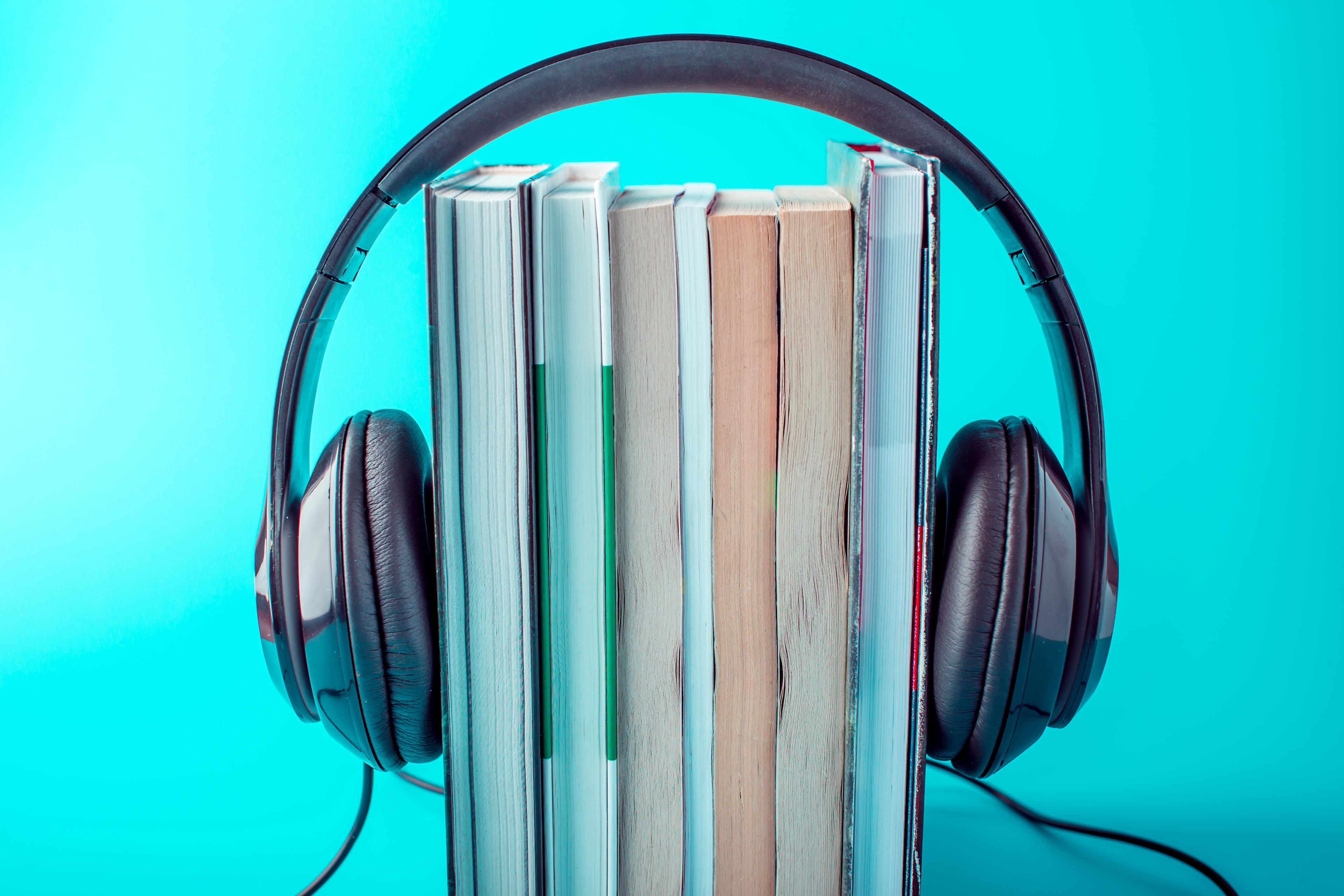
Credit: time.com
Do’s And Don’ts Of Commuter Learning
Here’s a quick reference for better results:
| Do | Don’t |
|---|---|
| Set a daily listening target | Multitask with emails or texts while listening |
| Use bookmarks for key ideas | Pick books just because they’re “trendy” |
| Review summaries after each ride | Turn up speed too much (above 2x) |
| Try new genres regularly | Listen while tired or distracted |
The 10 Best Audiobooks To Start With
Selecting the right audiobook is half the battle. Here are ten top picks, each with a unique advantage for commuter learning. Whether you want to boost your career, improve your mindset, or simply get inspired, these choices cover it all.
1. Atomic Habits By James Clear
This book delivers clear, actionable advice on how to change your habits one small step at a time. James Clear uses real-life examples, making it easy to apply ideas during your daily commute. His narration is engaging and straightforward, so you won’t get lost—even if traffic is heavy.
Pro tip: Listen to one chapter a day and try to apply one idea before you get home.
2. Thinking, Fast And Slow By Daniel Kahneman
A classic on how your brain makes decisions. Kahneman explains the two systems of thought—fast (automatic) and slow (deliberate)—using real-world stories. The audiobook is filled with practical examples, making complex psychology easy to understand while you’re on the go.
Beginner insight: Pause after each section and ask yourself, “Am I thinking fast or slow right now?”
3. The Power Of Now By Eckhart Tolle
Perfect for reducing stress during a crowded commute. Tolle teaches how to focus on the present moment, helping you arrive at work calm and centered. The gentle narration is ideal for both morning and evening rides.
Extra tip: Try a short breathing exercise during the audio pauses for deeper calm.
4. Deep Work By Cal Newport
If you want to get more done in less time, this is your guide. Newport explains why focused work is rare and valuable—and how to master it. The audiobook includes real stories from professionals who transformed their results with “deep work,” making it perfect for career-minded commuters.
Mistake to avoid: Don’t multitask with emails while listening—give your full attention.
5. Grit By Angela Duckworth
Duckworth’s research shows that passion and perseverance matter more than talent. The audiobook is full of inspiring stories from teachers, athletes, and leaders. It’s a great motivator when you need encouragement to keep going, even on tough days.
Apply it: Write down one “gritty” action you’ll take after listening.
6. How To Win Friends And Influence People By Dale Carnegie
This timeless classic on people skills is still relevant today. Carnegie’s lessons on listening, empathy, and persuasion are easy to remember and practice at work. The narration style is friendly and motivating, making long commutes fly by.
Practical example: Try one new tip from the book in your next meeting.
7. Mindset By Carol S. Dweck
Dweck explains the difference between a fixed and growth mindset, using stories from sports, business, and education. The audiobook is clear and energetic, perfect for inspiring change in how you see challenges.
Beginner miss: Many skip the exercises—make sure to reflect or write down your answers.
8. Sapiens: A Brief History Of Humankind By Yuval Noah Harari
Take a journey through human history, from ancient times to the present. Harari’s storytelling makes complex ideas easy and fascinating. This audiobook is ideal for longer commutes—you’ll finish smarter and with a new view of the world.
Insight: Notice how historical trends connect to today’s news.
9. Educated By Tara Westover
This memoir tells the story of a woman who escapes a strict family to pursue education. The narration is powerful and emotional, drawing you into her journey. It’s proof that learning can change your life, no matter where you start.
Tip: Listen to the author’s reflections for life lessons on resilience.
10. Can’t Hurt Me By David Goggins
Goggins, a former Navy SEAL, shares his story of overcoming hardship and pushing beyond limits. The audiobook includes commentary and practical challenges after each chapter. It’s perfect for days when you need an extra push.
Try this: Take on a “Goggins Challenge” — do one thing today you thought was impossible.
Credit: makeheadway.com
Real-world Examples Of Commuter Learning Success
- Maria, a nurse, learned conversational Spanish using audiobooks on her 40-minute bus ride, leading to a promotion.
- Jake, an engineer, finished 15 books in one year, using his commute to deepen his leadership skills.
- Priya, a student, improved her focus and grades by listening to “Deep Work” and “Mindset” during her subway trips.
These stories show that consistent, small steps lead to big changes over time.
How To Choose The Right Audiobook Platform
Not all services are equal. Here’s a quick comparison of popular options:
| Platform | Price | Features | Best For |
|---|---|---|---|
| Audible | $14.95/mo | Large selection, easy bookmarks | All genres |
| Libby/OverDrive | Free (library card) | Library books, no cost | Budget learners |
| Spotify | Included (with ads) | Growing catalog | Music + books |
If you’re on a budget, start with your local library’s app. For the widest choice, Audible is the industry leader.
Practical Tips For Getting The Most Out Of Audiobook Learning
- Start small: Try 10–15 minutes per ride. Build up as you get comfortable.
- Use bookmarks: Mark key moments to review later.
- Sync across devices: Many apps let you pick up where you left off, even between phone and tablet.
- Review weekly: Summarize what you learned at the end of each week.
- Share insights: Discuss books with friends or coworkers for better retention.
Frequently Asked Questions
What Types Of Books Are Best For Listening While Commuting?
Non-fiction, self-help, and business books work well because they use clear language and practical examples. Memoirs and history books are also engaging, while heavy textbooks or technical manuals may require more focus than a commute allows.
How Can I Stay Focused If I Get Distracted Easily?
Choose shorter chapters or books with lively narration. Use headphones to block out noise. If you miss something, rewind a few minutes. Summarize key points after each session to help your memory.
Is Listening To Audiobooks As Effective As Reading?
For most subjects, yes. Studies show that listening activates the same brain areas as reading. For complex topics, you may need to repeat sections or add notes, but comprehension is similar for many types of learning.
How Do I Find Good Audiobooks For Free?
Many public libraries offer free audiobooks through apps like Libby or OverDrive. Some podcasts also feature full-length books or summaries. Check for trial offers from services like Audible.
Can I Use Audiobooks To Learn A New Language?
Yes. Language learning audiobooks are designed for repetition and pronunciation practice. Combine them with interactive apps for best results.
For more research on audio learning, visit the Wikipedia Audiobook page.
Transform your daily commute into a powerful learning session. With the right audiobooks and strategies, every trip becomes a step toward a smarter, more capable you.