Every college freshman faces a big challenge: managing money for the first time. Classes, friends, and new routines can make budgeting feel impossible. But there’s a solution many students miss—personal finance audiobooks. These books are easy to listen to while walking to class, commuting, or even cleaning your dorm room. Audio learning is perfect if you struggle with focus, have ADHD, or just want to save time. Let’s explore five must-listen audiobooks that will help you control your cash, build good habits, and feel confident about your financial future.
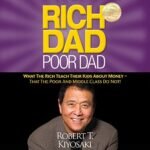
Rich Dad Poor Dad By Robert Kiyosaki
This audiobook teaches the basics of wealth and money through simple stories.
Get 1 Free Audiobook To Keep
Start a 30-day free trial and pick any title from 700,000+ audiobooks. Your first book is yours forever, even if you cancel immediately.
Why it works:
Kiyosaki’s book uses clear language and relatable examples. He compares two father figures—one “rich” and one “poor”—to show how different mindsets affect your financial life. This style is great for beginners and non-native English speakers.
Target audience:
College freshmen, anyone new to money management, students from all backgrounds.
Length:
About 6 hours (perfect for a week’s commute).
| Pros | Cons |
|---|---|
| Easy to understand | Some advice is not step-by-step |
| Real-life examples | Ideas may feel repetitive |
| Focuses on mindset | Not always practical for young students |
Pro-Tip: Listen during your morning routine for daily motivation.
I Will Teach You To Be Rich By Ramit Sethi
This audiobook offers practical steps for budgeting, saving, and building credit.
Why it works:
Ramit Sethi uses simple words and breaks down each action. He gives honest advice about bank accounts, credit cards, and how to automate your savings. The book is updated to fit today’s student life and online banking.
Target audience:
Students with little experience, those wanting a step-by-step plan, freshmen with busy schedules.
Length:
About 7 hours (easy to finish in one week).
| Pros | Cons |
|---|---|
| Clear action steps | Some humor may be hard for non-native speakers |
| Focus on automation | Less detail on investing basics |
| Modern advice | Some US-specific tips |
Pro-Tip: Try Ramit’s “one-hour weekly” system to review your finances.
The Total Money Makeover By Dave Ramsey
This audiobook gives a strong, simple plan for getting out of debt and building savings.
Why it works:
Dave Ramsey’s advice is direct and easy to follow. He explains his “baby steps”—small actions that anyone can take. The audiobook is perfect for students who feel overwhelmed by debt or want to avoid credit card mistakes.
Target audience:
Freshmen worried about loans, anyone with debt, students who want clear rules.
Length:
About 3. 5 hours (quick listen, great for short attention spans).
| Pros | Cons |
|---|---|
| Very actionable steps | Can feel strict |
| Good for ADHD focus | Less flexible for different lifestyles |
| Short, easy to finish | Some tips are US-specific |
Pro-Tip: Start with the “$1,000 emergency fund” to feel safer right away.
Your Money Or Your Life By Vicki Robin & Joe Dominguez
This audiobook helps you connect your spending with your values and time.
Why it works:
Robin and Dominguez focus on how money and life are linked. They teach you to track every dollar and reflect on what you really want. The book is gentle, supportive, and perfect for freshmen who want deeper understanding—not just numbers.
Target audience:
Students interested in budgeting, those who want to feel good about spending, freshmen looking for balance.
Length:
About 9 hours (best for weekends or long walks).
| Pros | Cons |
|---|---|
| Focus on values | May feel slow-paced |
| Great for retention | Some exercises take time |
| Good for mental health | Less practical for quick fixes |
Pro-Tip: Use the tracking system for one month to see your real habits.
Credit: store.ramseysolutions.com
The Automatic Millionaire By David Bach
This audiobook teaches easy ways to build wealth automatically, even on a student budget.
Why it works:
David Bach’s main idea is automation—set up your finances once and let them work for you. This style is perfect for freshmen who are busy or distracted. It helps you save and invest without constant effort.
Target audience:
Students who want passive systems, ADHD learners, freshmen with little time.
Length:
About 3 hours (ideal for short commutes or workouts).
| Pros | Cons |
|---|---|
| Simple, fast listen | Less detail for advanced students |
| Great for busy people | Some examples are US-based |
| Very practical | Focuses mostly on savings |
Pro-Tip: Try Bach’s “pay yourself first” method with your next paycheck.
Top Pick: I Will Teach You To Be Rich
For most college freshmen, “I Will Teach You to Be Rich” is the best starter audiobook.
Why?
It uses clear language, gives step-by-step advice, and fits modern student life. The focus on automation and simple action is perfect for busy schedules, ADHD learners, and non-native English speakers. You’ll feel less stressed and more in control after just one week of listening.
Pro-Tip: Pair this audiobook with a free budgeting app for best results.
Credit: www.simonandschuster.com
Audio Learning Benefits For College Students
Listening to audiobooks makes learning about money easier and more effective.
- time-saving: Listen While Walking, Commuting, Or Exercising.
- accessibility: Great For Students With Adhd Or Focus Challenges.
- retention: Repeat Key Chapters For Better Memory.
- budget-friendly: Many Audiobooks Are Free Or Low-cost For Students.
A study from the University of California found that audio learning can improve retention by up to 40% compared to reading alone. Many students report feeling less anxious about money after listening to practical advice.
Comparing All Five Audiobooks
Here’s a quick overview to help you choose the right one for your needs.
| Book Title | Length | Style | Best For |
|---|---|---|---|
| Rich Dad Poor Dad | 6 hours | Story-based | Mindset, beginners |
| I Will Teach You to Be Rich | 7 hours | Step-by-step | Action, automation |
| The Total Money Makeover | 3.5 hours | Rule-based | Debt, focus |
| Your Money or Your Life | 9 hours | Reflective | Values, mental health |
| The Automatic Millionaire | 3 hours | Fast, practical | Busy, passive |
Credit: grandartshs.lausd.org
Common Mistakes When Choosing Finance Audiobooks
Most freshmen make these mistakes when picking audiobooks.
- choosing Books That Are Too Advanced Or Technical.
- ignoring Audiobook Length—long Books May Be Hard To Finish.
- picking Sales-focused Books Instead Of Educational Ones.
- Not checking if advice fits US student life (some tips are country-specific).
- skipping Books With Practical Steps—mindset Is Good, But Action Matters.
Pro-Tip: Sample the first chapter before committing to a full audiobook.
Myths Vs Facts About Audio Learning
Let’s clear up some ideas about audiobooks and money skills.
| Myth | Fact |
|---|---|
| “Listening is less effective than reading.” | Audio learning boosts retention and is easier for busy students. |
| “Audiobooks are expensive.” | Many libraries and student platforms offer free audiobooks. |
| “Finance books are boring.” | Modern audiobooks use stories, humor, and real examples. |
| “Only business majors need finance audiobooks.” | Every student benefits from basic money skills. |
| “You need perfect English to understand.” | These audiobooks use clear language and simple terms. |
Frequently Asked Questions
What If I Have Trouble Focusing While Listening?
Many students struggle with focus, especially those with ADHD. Try listening in short bursts (10–15 minutes), repeat key chapters, and use simple note-taking apps to jot down ideas.
How Can I Access Free Personal Finance Audiobooks?
Most public libraries offer free audiobook lending. Platforms like Audible often give student discounts. For more options, visit OverDrive for library access.
Which Audiobook Is Best For International Students?
“I Will Teach You to Be Rich” is best for international students. Its language is clear and the advice works for most countries, though some tips are US-focused.
Can Audiobooks Really Help Me Build Better Money Habits?
Yes. Audio learning fits busy college life. You can absorb ideas while commuting, cleaning, or exercising. Many students report higher retention and less stress.
How Long Does It Take To See Results From These Audiobooks?
If you follow practical steps, you’ll notice changes in your spending and saving within a few weeks. The key is to pick one book, finish it, and start with one action right away.
College is the best time to build your money skills. With these five audiobooks, you’ll save time, boost your confidence, and lay the foundation for lifelong financial success.