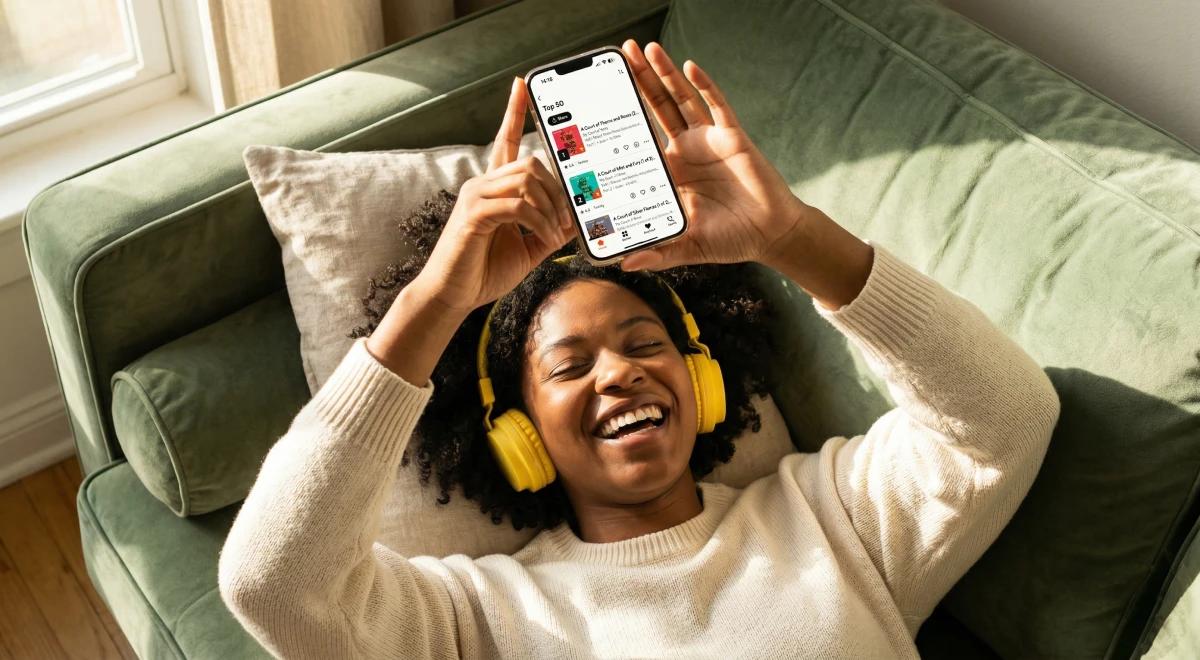
Starting college is a life-changing moment—and also a little overwhelming. New classes, new friends, and more freedom mean you’re busy from morning till night. But what if you could level up your learning, improve focus, and fill downtime (like walking to class or waiting for laundry) with something that helps you succeed? That’s where audiobooks come in. For college freshmen, audiobooks are a smart, budget-friendly way to boost knowledge, build habits, and even de-stress. The best part: you can listen free with student trials or public library apps during your first semester.
Below, you’ll find the top audiobooks for college freshmen—each one picked for practical value, entertainment, or personal growth. For each, you’ll see who it’s for, why it matters, and exactly what you’ll get out of it. Plus, you’ll find quick pros and cons tables for easy comparison, and a final recommendation for the top pick.
Get 1 Free Audiobook To Keep
Start a 30-day free trial and pick any title from 700,000+ audiobooks. Your first book is yours forever, even if you cancel immediately.
Whether you’re trying to stay organized, manage anxiety, or just want to sharpen your mind, there’s an audiobook here that fits your needs—and your schedule.
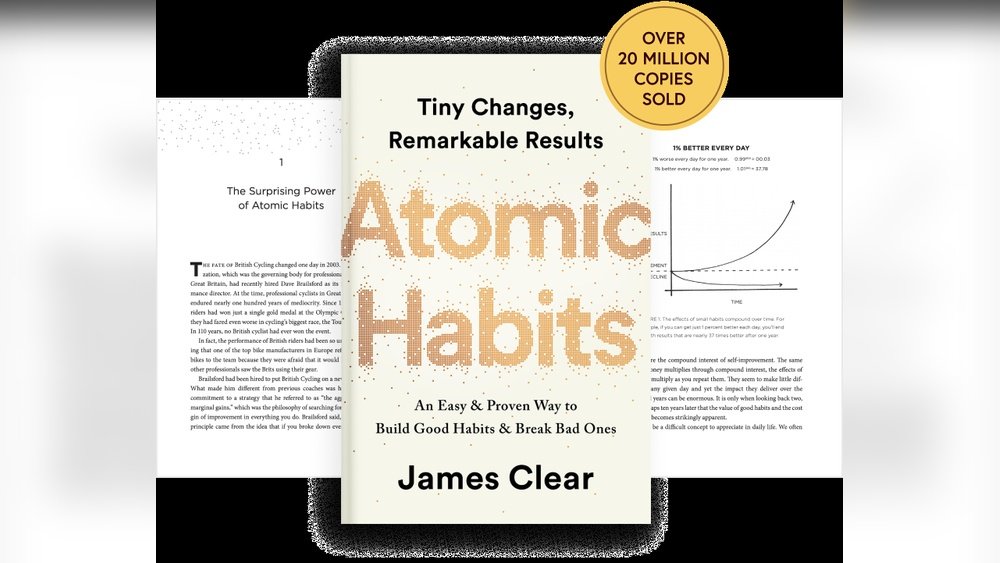
Atomic Habits By James Clear
This is the ultimate guide to building better habits—perfect for freshmen adjusting to college life.
Why it works:
College is all about change. Atomic Habits gives you simple steps to build good habits (like studying or exercising) and break bad ones (like procrastination). The audiobook’s short chapters and clear structure make it easy to listen in chunks—great for busy or distracted minds.
Target audience:
Students who want to improve their routines, especially those with attention challenges or who struggle with consistency.
Length: About 5 hours (abridged version) to 8 hours (full).
| Pros | Cons |
|---|---|
| Actionable steps, easy to follow | Some examples may feel repetitive |
| Helps with focus and time management | Not much on emotional topics |
Pro-Tip: Listen while organizing your dorm or during walks between classes for easy habit stacking!
The Defining Decade By Meg Jay
This audiobook explains why your twenties matter and how to make the most of them, starting now.
Why it works:
Freshman year sets the stage for your whole college experience. The Defining Decade offers research-backed advice on relationships, careers, and mental health. The author, a clinical psychologist, speaks directly to young adults, making complex ideas easy to understand.
Target audience:
Anyone feeling lost, anxious, or unsure about college choices and the future.
Length: About 7 hours.
| Pros | Cons |
|---|---|
| Relatable stories, practical advice | Some advice may feel intense for sensitive listeners |
| Increases motivation and clarity | Focuses mostly on long-term planning |
Pro-Tip: Take notes on your phone while listening—these are lessons you’ll want to revisit.
Deep Work By Cal Newport
A focused look at how to concentrate, avoid distractions, and get more done in less time.
Why it works:
College is full of distractions—social media, friends, endless events. Deep Work teaches you how to reach a “flow state” for better grades and less stress. The audiobook format is especially helpful for students with ADHD or those who find reading dense books tough.
Target audience:
Students who want better focus, or who find themselves constantly multitasking.
Length: About 7 hours.
| Pros | Cons |
|---|---|
| Helps with focus and productivity | Some concepts are advanced for first-year students |
| Useful for all majors | Less emphasis on social life |
Pro-Tip: Try listening before study sessions to set a focused mindset.
Mindset: The New Psychology Of Success By Carol S. Dweck
This book explains how believing in growth can change your academic and personal life.
Why it works:
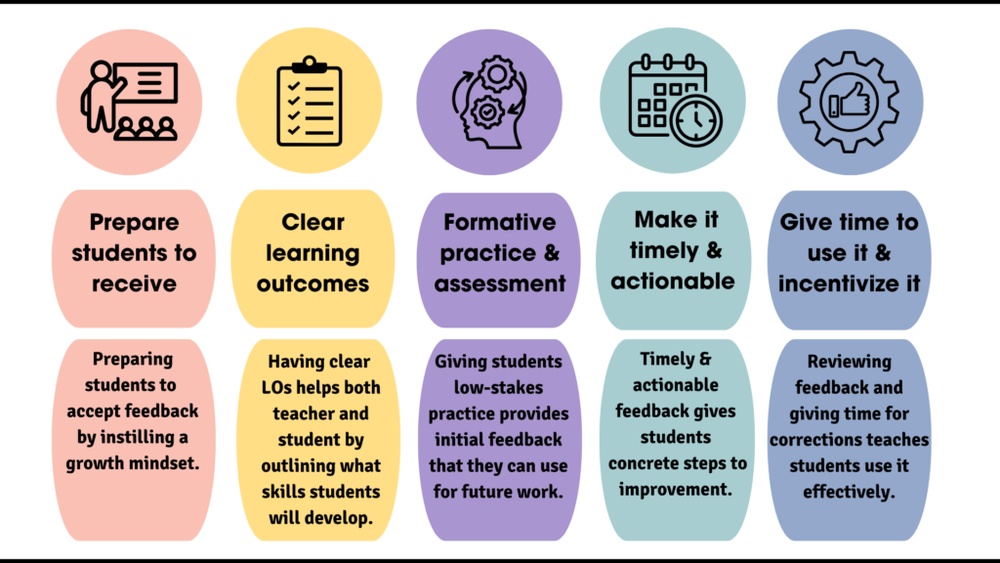
College freshmen often struggle with setbacks. Mindset shows that intelligence and skills aren’t fixed—you can always improve. The audiobook’s real-life examples make the science relatable, and the message helps reduce anxiety about grades.
Target audience:
Anyone who feels discouraged by mistakes or wants to build confidence.
Length: About 10 hours.
| Pros | Cons |
|---|---|
| Encouraging, science-based | Some parts repeat ideas |
| Great for personal and academic growth | Can be long if you prefer short listens |
Pro-Tip: Listen during workouts or chores—repetition helps the growth mindset stick.
Credit: makeheadway.com
The Power Of Now By Eckhart Tolle
Learn how to manage stress, anxiety, and stay present—especially useful for big changes like starting college.
Why it works:
This audiobook teaches practical mindfulness you can use every day. It’s especially helpful for students who feel overwhelmed or those with ADHD looking for ways to calm their minds. Short chapters make it easy to listen in pieces.
Target audience:
Anyone feeling stressed, anxious, or homesick.
Length: About 7.5 hours.
| Pros | Cons |
|---|---|
| Reduces anxiety and improves focus | Some ideas are spiritual, which isn’t for everyone |
| Simple exercises to try right away | Can feel abstract at times |
Pro-Tip: Try breathing exercises from the book before exams or presentations.
Make It Stick: The Science Of Successful Learning By Peter C. Brown Et Al.
A must-listen for anyone who wants to study smarter—not harder.
Why it works:
This audiobook is packed with research on memory and retention. You’ll learn why cramming fails, how to test yourself, and the best ways to remember what you study. It’s easy to follow, even for students with no background in psychology.
Target audience:
Students looking to improve grades, especially in challenging courses.
Length: About 8 hours.
| Pros | Cons |
|---|---|
| Evidence-based, easy to apply | Some examples are academic-focused |
| Works for all majors and learning styles | Less on emotional topics |
Pro-Tip: Listen while reviewing notes to reinforce memory techniques.
Educated By Tara Westover
A powerful memoir about resilience, education, and self-discovery.
Why it works:
Listening to Educated is like having a conversation with someone who overcame huge barriers to go to college. It offers hope and perspective, reminding you that education changes lives. The story is engaging, making it easy to listen even if you don’t usually like nonfiction.
Target audience:
Anyone looking for inspiration, especially first-generation college students.
Length: About 12 hours.
| Pros | Cons |
|---|---|
| Inspiring, well-narrated | Some parts are emotionally heavy |
| Shows the power of education | Not a how-to guide |
Pro-Tip: Listen during travel or commute—this story will hold your attention.
Free Listening: How To Access These Audiobooks
You can listen to every book here free with student trials, library apps, and campus resources.
- Audible Student Trial: Get 30 days free with your .edu email. Cancel anytime.
- Libby/OverDrive: Use your public library card to borrow audiobooks for free. Most libraries support these apps—just sign in and search.
- Campus Library: Many colleges now offer audiobook streaming. Ask your librarian for access.
Pro-Tip: Set a reminder before your trial ends to avoid charges.

Credit: www.pcmag.com
Top Pick: Atomic Habits
If you only listen to one audiobook this semester, start with Atomic Habits.
- It’s short, practical, and perfect for building a strong foundation at college.
- Easy to apply daily—from organizing your desk to planning study sessions.
- Helps with focus, time management, and creating routines—skills every freshman needs.
Benefits Of Audiobooks For College Freshmen
Audiobooks offer flexibility, help with focus, and fit any schedule or budget.
- time-saving: Listen While Commuting, Walking, Or Doing Chores.
- accessibility: Great For Students With Reading Challenges Or Adhd.
- Retention: Hearing information can improve memory (especially when combined with reading notes).
- Budget-friendly: Free options mean zero cost if you use trials or library apps.
Common Myths Vs Facts
Below, see how the most common myths about audiobooks stack up against the facts:
| Myth | Fact |
|---|---|
| Audiobooks don’t help with learning | Listening improves retention, especially for auditory learners |
| They’re expensive | Many options are free for students |
| Only for “lazy” students | They’re a legit way to learn, especially for busy or distracted minds |

Credit: www.bostonglobe.com
Frequently Asked Questions
What’s The Best Free App For Student Audiobooks?
Libby (by OverDrive) is the best free app for borrowing audiobooks with your library card. It’s easy to use, has a wide selection, and works on all devices.
Can Audiobooks Help With Adhd Or Focus Issues?
Yes, audiobooks are excellent for students with ADHD. They allow multitasking, support auditory learning, and can be paused or replayed for better understanding.
How Do I Make Time For Audiobooks In My Busy Schedule?
Listen during repetitive tasks—walking to class, cleaning your room, or riding the bus. Even 10-15 minutes a day adds up quickly.
Are Audiobook Versions As Effective As Reading?
Research shows that listening can be as effective as reading for comprehension and retention, especially if you focus and avoid distractions. For more details, see this NPR article.
What If I Don’t Finish An Audiobook Before My Free Trial Ends?
Most library apps let you re-borrow, and student trials can be canceled or restarted. If you’re using a paid service, set a calendar reminder to finish on time.
Audiobooks are more than just a trend—they’re a flexible, smart way to get ahead in college. With free options and titles that support every kind of learner, there’s no reason not to give them a try this semester. Start listening, and you’ll discover new ways to learn, grow, and make your first year unforgettable.