Do Audiobooks Count As Reading? — What the Research Actually Says
If you listen to audiobooks while commuting, jogging, or cleaning, you may wonder: Do audiobooks really count as reading? This question sparks strong opinions among students, parents, and even teachers. Some say listening is “cheating.” Others argue that it’s a smart, modern way to learn. With more people choosing audio for convenience, focus, or accessibility, it’s important to understand what science says about audiobooks vs reading.
Get 1 Free Audiobook To Keep
Start a 30-day free trial and pick any title from 700,000+ audiobooks. Your first book is yours forever, even if you cancel immediately.
This guide breaks down the facts, myths, and research to help you make informed choices about your own learning. Whether you’re supporting a child with ADHD or just want to use your time better, you’ll find clear, practical answers here.
Audiobooks Vs Reading: The Direct Answer
Research shows that audiobooks and reading both activate the brain’s language centers and offer similar comprehension benefits.
Multiple studies confirm that listening to a book is not “lesser” than reading with your eyes. The brain processes spoken and written words using many of the same areas. For most types of content—especially fiction and narrative nonfiction—comprehension is nearly identical whether you listen or read.
But there are important differences based on:
- Your purpose (study, fun, exam prep)
- The type of book (textbook, novel, technical)
- Your learning style and needs
Let’s look at the key features where audiobooks and print differ.
Comprehension And Retention
Audiobooks provide nearly equal comprehension to reading, but retention may vary by context.
Research from the University of California, Berkeley found that listening and reading both light up the brain’s language network. In a 2019 study, adults who listened to an audiobook and those who read the same text performed similarly on comprehension tests.
However, there are nuances:
- Retention tends to be slightly higher for reading, especially with complex or technical material.
- For stories or general nonfiction, most people remember the main points equally well from audio or print.
- Active note-taking (pausing, rewinding, or highlighting) improves retention for both methods.
Pro-Tip: For textbooks, use the audio version first for big ideas, then review the print for details.

Credit: alliesamberts.substack.com
Accessibility And Inclusivity
Audiobooks make books accessible to people with disabilities, busy lifestyles, or different learning styles.
For students with dyslexia or ADHD, audiobooks can be a game-changer. Listening removes the stress of decoding words and helps them focus on meaning. The American Library Association notes that audio can boost confidence and enjoyment for reluctant readers.
Other groups who benefit:
- commuters Who Want To Learn On The Go
- parents Multitasking With Household Chores
- language Learners Building Vocabulary And Pronunciation
According to the Audio Publishers Association, 50% of Americans say they choose audiobooks for “multitasking. ” This flexibility means more people can fit reading into their day—no matter how busy or distracted.
Attention, Focus, And Adhd
Audiobooks can improve focus for people with ADHD and those who struggle with traditional reading.
Many learners with attention challenges find that listening helps them stay engaged longer. The brain doesn’t have to “fight” the words on the page, so it’s easier to follow the story or argument. Some studies even suggest that movement (like walking or doodling) while listening further boosts focus.
Tips for using audiobooks with ADHD:
- choose Engaging Narrators To Hold Attention.
- listen In Short Bursts (10-20 Minutes) With Breaks.
- Pair audio with a print copy for extra reinforcement (“immersion reading”).
Pro-Tip: Set a simple goal, like “finish one chapter during my bus ride,” to make listening a habit.
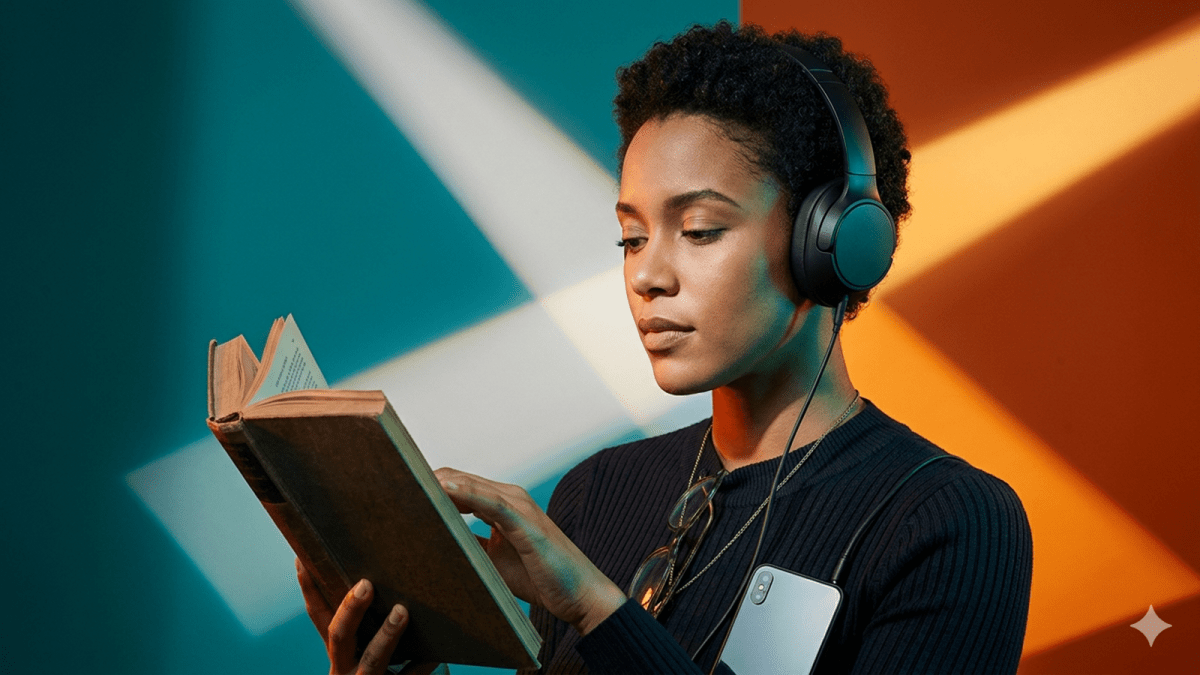
Credit: indianexpress.com
Cost And Budget Considerations
Audiobooks can be budget-friendly, but costs vary by platform and usage.
While print books can be bought or borrowed, audiobooks often require subscriptions or one-time purchases. However, libraries now offer free access to thousands of titles via apps like Libby and Hoopla.
Here’s a quick comparison:
| Format | Average Cost per Book | Free Options? |
|---|---|---|
| Print Book | $10–$30 | Yes (libraries, friends) |
| Ebook | $5–$20 | Yes (libraries, public domain) |
| Audiobook | $10–$25 (or subscription) | Yes (library apps, YouTube classics) |
If you’re on a tight budget, check your local library’s digital resources. Many classics and public domain works are available for free as audiobooks.
Learning Outcomes: When Is Audio Best?
Audiobooks are ideal for stories, general nonfiction, and learning on the move—but less effective for dense or technical study.
When Does Audio Shine?
- long Commutes Or Chores Where Hands Are Busy
- building Listening Skills And Vocabulary
- enjoying Novels, Biographies, And History
When to prefer print or digital reading:
- studying Diagrams, Formulas, Or Visual Charts
- learning New Languages With Written Scripts
- referencing Material For Exams Or Essays
Many students use both formats together for the best results.
Myths Vs Facts About Audiobooks
Pro-Tip: Don’t let myths stop you from using the format that works best for you.
| Myth | Fact |
|---|---|
| Listening is “lazy.” | The brain works hard to process spoken language, sometimes even more than with reading. |
| Audiobooks lower comprehension. | Studies show comprehension is similar for most fiction and narrative texts. |
| Only kids need audiobooks. | Adults are the fastest-growing group of audiobook users. |
| Listening doesn’t build vocabulary. | Audio helps with pronunciation and context, often improving vocabulary growth. |
| You can’t study with audiobooks. | Audio is great for overviews and revision; combine with print for technical details. |
Direct Comparison: Audiobooks Vs Reading
Let’s look at the main differences side by side.
| Feature | Audiobooks | Reading (Print/Ebook) |
|---|---|---|
| Comprehension | High for most content | High for all content |
| Retention | Good for stories, less for technical | Best for detailed, technical info |
| Accessibility | Excellent (ADHD, dyslexia, vision) | May be harder for some disabilities |
| Cost | Free/paid options | Free/paid options |
| Multitasking | Yes (commuting, chores) | No (requires hands/eyes) |
| Exam Prep | Good for overviews | Best for note-taking, review |
Who Should Use Audiobooks?
Anyone can benefit from audiobooks, but they’re especially helpful for busy, distracted, or special-needs learners.
Audiobooks are a smart tool if you:
- have Long Stretches Of “dead Time” During Travel Or Chores
- struggle To Focus On Printed Words (adhd, Dyslexia, Eye Strain)
- want To Maximize Your Learning With Limited Free Time
- are Learning English And Want To Hear Correct Pronunciation
Pro-Tip: Combine audio and print for “double learning.” Listen first for the big picture, then skim the text for details.
Tips For Getting The Most From Audiobooks
A few smart strategies can help you learn more from every audiobook.
- Set a goal: Decide what you want to finish (chapter, book, topic) before you start.
- Pause and reflect: After each section, stop the audio and think about the main ideas.
- Take notes: Jot down keywords or questions while you listen.
- Rewind and relisten: Don’t be afraid to go back if you missed something.
- Speed control: Adjust the playback speed to match your focus—slower for hard topics, faster for review.
- Pair with print: For textbooks or exam prep, follow along with the text for best retention.
Credit: news.harvard.edu
Common Mistakes To Avoid
Avoid these mistakes to get the most from your audiobook experience.
- Passive listening: Zoning out and not paying attention won’t help you remember.
- Choosing dull narrators: A flat voice can make even the best book boring.
- No breaks: Listening for hours at a time can reduce focus and retention.
- Not taking notes: You’ll forget more if you don’t engage with the material.
- Using audio for highly technical study: For math or science, stick to print or combine formats.
The Bottom Line
Audiobooks absolutely count as reading for most learning goals. They offer nearly all the benefits of traditional reading, plus extra flexibility for busy or distracted learners. For students with ADHD, dyslexia, or limited free time, audio can make books accessible in ways print never could.
But if you need to study complex diagrams, memorize formulas, or prepare for detailed exams, traditional reading (with or without audio support) is still your best bet. The smartest approach? Use both formats—audio for big ideas and enjoyment, print for deep study.
For more on the science behind audiobooks and reading, see this Scientific American article.
Frequently Asked Questions
Are Audiobooks As Effective As Reading For Learning?
Yes, for most content. Studies show that comprehension and learning are similar for fiction and general nonfiction. For technical or highly visual material, reading may work better.
Do Audiobooks Improve Vocabulary?
Absolutely. Listening exposes you to new words, correct pronunciation, and context. This is especially helpful for language learners and young readers.
Can I Use Audiobooks To Study For Exams?
Partly. Audiobooks are great for overviews and review, but for technical details or diagrams, combine with print or digital reading.
Are Audiobooks Good For People With Adhd?
Yes, often better. Many with ADHD find it easier to focus and retain information from audio, especially with engaging narrators and short sessions.
Where Can I Get Free Audiobooks?
Libraries and public domain apps. Try apps like Libby or Hoopla for library access, or search for classics on YouTube and Project Gutenberg.
Audiobooks are a powerful tool in today’s learning world. The key is to use them wisely, know your goals, and choose the format that fits your needs best.