Active recall is not just a study trend—studies show it can double long-term memory retention compared to passive reading. One of the easiest ways to practice active recall is using flashcards. But most people don’t use them correctly, so they miss out on the real power. Let’s dive into the step-by-step method to master active recall with flashcards, avoid common mistakes, and get the most out of your study time.
What Is Active Recall? (and Why It Works)
Active recall is the practice of retrieving information from memory rather than just reviewing or rereading it. For example, instead of reading a textbook page, you test yourself: “What is the main function of mitochondria?”—then check your answer.
Research from 2011 in *Science* found that students who used retrieval practice scored up to 50% higher on later tests compared to those who only reviewed notes.
How Does It Compare To Passive Study?
| Method | Retention After 1 Week | Effort Level |
|---|---|---|
| Rereading | 20-30% | Low |
| Highlighting | 25-35% | Low |
| Active Recall (Flashcards) | 60-70% | Medium-High |
Active recall works because it forces your brain to work harder. This struggle strengthens memory and makes it easier to remember information later.
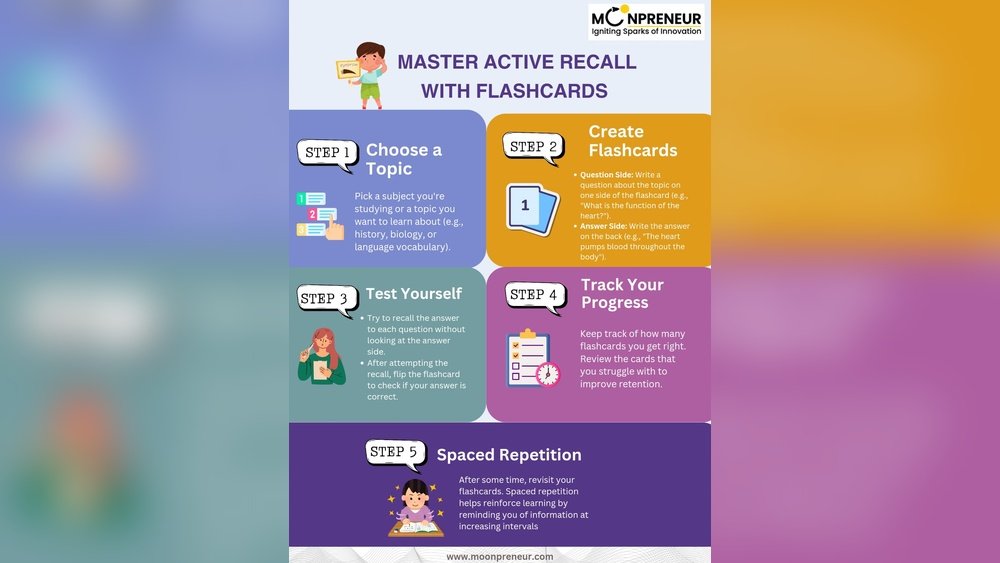
Step-by-step: How To Do Active Recall With Flashcards
Let’s break down each step so you can build your own active recall flashcard system—even if you’ve never used one before.
1. Select What To Study
Start by identifying the most important topics. Look at your syllabus, exam guide, or lecture notes. Focus on core concepts, not just facts.
Example: If you’re learning anatomy, pick “functions of the liver” or “structure of a neuron,” not just “define cell.”
2. Break Concepts Into Questions
Turn each concept into a clear, answerable question. This is where many students go wrong—they write cards that are too broad or vague.
Good: What are the 3 main functions of the liver?
Bad: The liver (too general)
Pro Tip: Use the “closed question” format (who, what, where, when, why, how) for better recall.
3. Write Effective Flashcards
Follow these rules for each card:
- One question, one answer per card.
- Use simple language.
- Avoid writing full paragraphs.
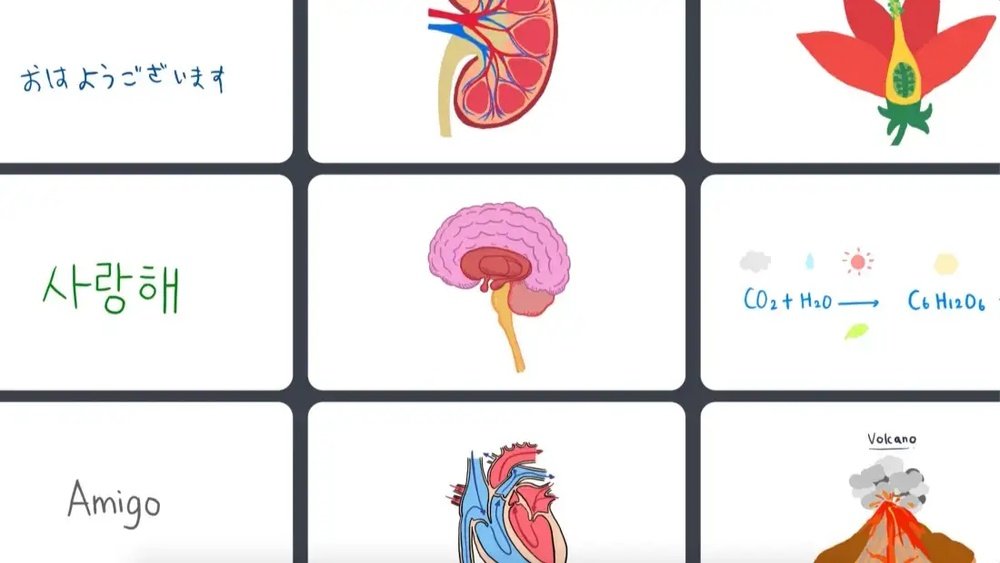
- Add images, diagrams, or mnemonics for hard topics.
Example Card:
Front: What hormone does the pancreas release to lower blood sugar?
Back: Insulin
4. Use Paper Or Digital Tools
Both work, but digital flashcards (like Anki or Quizlet) offer spaced repetition and easy shuffling.
| Type | Pros | Cons |
|---|---|---|
| Paper Flashcards | Cheap, tactile, no device needed | Bulky, hard to organize large sets |
| Digital Flashcards | Portable, auto scheduling, media support | Screen fatigue, device required |
Tip: For exams, use digital for big subjects, paper for smaller topics or quick reviews.
5. Study In Short, Focused Sessions
Active recall is mentally tiring. Study in 20-30 minute blocks, then take a break. This keeps your brain fresh and prevents burnout.
- Review cards until you miss 2-3 in a row, then pause.
- Avoid marathon sessions. Short and often beats long and rare.
6. Test Yourself Before Looking At The Answer
Here’s the heart of active recall:
- Read the question.
- Pause. Try to remember the answer without looking.
- Say or write your answer out loud.
- Flip the card and check if you were correct.
The struggle is key. If you get it wrong, that’s good! It means your brain is learning.
7. Sort Cards By Difficulty
Make three piles (or use tags if digital):
- Easy: You always get right.
- Medium: Sometimes wrong.
- Hard: Often wrong or don’t remember.
Focus more on the hard pile. This is where your memory needs most work.
8. Review Regularly With Spaced Repetition
Don’t cram all cards every day. Instead, space reviews:
- Hard: Every 1-2 days.
- Medium: Every 3-5 days.
- Easy: Once a week.
Digital tools like Anki do this automatically.
9. Refine And Update Your Cards
As you learn, improve your cards:
- Remove cards you always get right.
- Rewrite cards that confuse you.
- Add new cards for new material.
This keeps your deck sharp and relevant.
10. Mix Subjects And Question Types
Don’t only study one topic at a time. Shuffle different subjects or question types. This “interleaving” method boosts learning by preventing your brain from going on autopilot.
Example: Mix biology, chemistry, and math cards in one session.

Credit: www.etsy.com
Common Mistakes With Flashcards (and How To Fix Them)
Many students use flashcards but don’t see results. Here’s why:
| Mistake | How to Fix |
|---|---|
| Too much info per card | Make each card one question, one answer |
| Just reading the answers | Force yourself to recall before flipping |
| Not reviewing often enough | Use spaced repetition (Anki/Quizlet or a review calendar) |
| Vague questions | Rewrite as clear, answerable questions |
| Ignoring what you get wrong | Focus extra time on weak cards |
Pro Tips For Mastering Active Recall
- Say answers out loud—this builds stronger memory than just thinking.
- Teach someone else—explain the answer as if you’re tutoring.
- Use images or diagrams for visual topics.
- Make cards personal—add jokes, stories, or connections to your life.
- Set a timer—challenge yourself to answer quickly.
Dos And Don’ts Of Active Recall With Flashcards
Here’s a quick guide to keep you on track:
| Do | Don’t |
|---|---|
| Write clear, focused questions | Write long or vague prompts |
| Review hard cards more often | Ignore the cards you miss |
| Mix topics for challenge | Only study one subject at a time |
| Update and refine your deck | Use the same cards forever |
| Test before looking at answers | Just read through the deck |
Real-world Example
Maria, a medical student, used to reread her notes. She switched to active recall with digital flashcards, focusing on tough topics and reviewing daily in short bursts. Her practice test scores jumped from 62% to 83% in just one month.
The key? She spent more time on what she didn’t know, not just what felt easy.

Credit: www.goodnotes.com
How To Track Your Progress
- Mark cards you get wrong and focus on them.
- Note your test scores before and after using flashcards.
- Set goals: “I’ll master 20 new cards per week.”
Progress may be slow at first, but you’ll notice a big jump in recall after a few weeks.
How Active Recall Helps In The Long Run
- Faster learning: You remember more in less time.
- Stronger memory: Info stays in your brain longer.
- Less test anxiety: You’re used to retrieving info under pressure.
- Transferable skills: Builds confidence for interviews, presentations, and real life.
When Not To Use Flashcards
Flashcards aren’t magic for every subject. Don’t use them for:
- Large essays or open-ended creative work.
- Complex diagrams you need to draw.
- Skills that require physical practice (like sports).
Focus on key facts and concepts—not everything needs a card.
External Resource
For more research on active recall and flashcard tools, see this Wikipedia article on active recall.

Credit: edumentors.co.uk
Frequently Asked Questions
What Is The Best Number Of Flashcards To Study Per Day?
Most experts suggest 20–50 cards per day. This keeps sessions short and effective, and helps avoid burnout.
Can I Use Pictures On My Flashcards?
Yes! Adding images, diagrams, or even quick sketches boosts memory—especially for visual learners.
Is It Better To Write Flashcards By Hand Or Use An App?
Both work well. Apps are better for large decks and spaced repetition. Paper cards are good for small topics and hands-on learning.
How Often Should I Review My Flashcards?
Follow the spaced repetition principle: review new or hard cards daily, medium cards every few days, and easy cards weekly.
What Should I Do If I Keep Forgetting The Same Card?
Rewrite the card to make it clearer or more memorable. Add a hint, picture, or mnemonic. Spend extra time on it and try to explain the answer out loud.
Active recall with flashcards is a proven, powerful technique. If you follow these steps, stay consistent, and focus on your weak spots, you’ll see real improvements in memory and test results. The effort pays off—not just for exams, but for lifelong learning.