In 2023, a study showed that over 80% of students admit to procrastinating on their studies at least once a week. You are not alone if you put off work, even when you know it causes stress. Procrastination is not just “being lazy”—it is a real challenge with focus, habits, and sometimes fear. But you can break the cycle with practical steps and the right mindset.
This guide will show you how to stop procrastinating and actually study, using proven methods. You will get easy actions, real examples, and expert tips. Let’s help you turn “I’ll do it later” into “I’m doing it now. ”
Understand Why You Procrastinate
Before you can fix procrastination, you need to see why it happens. Most students put off studying for a few main reasons:
- Fear of failure: Worry that you will not do well.
- Perfectionism: Waiting for the “perfect” time or mood.
- Lack of motivation: Not finding meaning in the work.
- Feeling overwhelmed: The task looks too big to start.
Many people think procrastination is about bad time management. But research shows it is more about emotions and habits than time.
Real Example
Maria, a university student, delayed writing her paper. She felt it was too hard and did not know where to start. When she broke it into small steps, it became easier.
Pro Tip
Ask yourself: “What am I really avoiding?” Sometimes, naming the feeling (like fear or boredom) is the first step to change.
Step 1: Set Clear, Achievable Goals
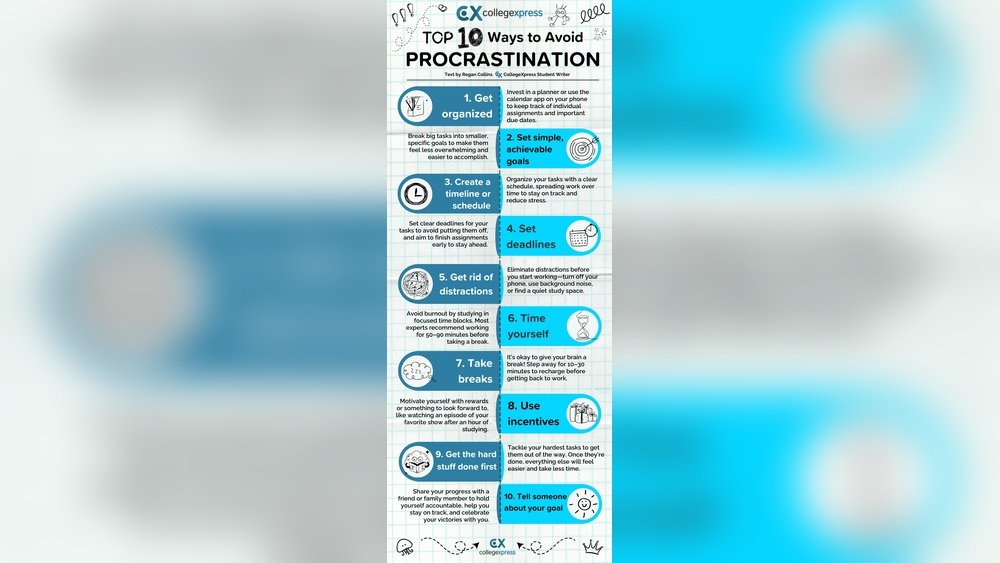
Define exactly what you want to finish in your study session. A vague goal like “study math” is not clear. A specific goal is: “Complete 10 algebra problems.”
How To Set Good Goals
- Break big tasks into smaller pieces.
- Use numbers: “Read 5 pages,” not “read history.”
- Set a time limit: “Work for 25 minutes,” not “study for hours.”
Action Example
Instead of “write essay,” try: “Draft introduction paragraph by 3 PM.”
Step 2: Use The Pomodoro Technique
The Pomodoro Technique is a simple method for focused work. You work for 25 minutes, then take a 5-minute break. Repeat 4 times, then take a longer break.
Why It Works
- Short sessions feel less scary.
- Breaks help your brain rest.
- It builds a study habit.
How To Try It
- Set a timer for 25 minutes.
- Work on only one task.
- Take a 5-minute break when the timer rings.
- Repeat.
Example Pomodoro Schedule
| Session | Work Time | Break Time |
|---|---|---|
| 1 | 25 min | 5 min |
| 2 | 25 min | 5 min |
| 3 | 25 min | 5 min |
| 4 | 25 min | 15-30 min |
Common Mistake
Checking your phone during breaks can make it harder to restart. Try stretching or getting a drink instead.
Step 3: Remove Distractions
Eliminate things that steal your attention. Even a small distraction can break your focus.
What To Do
- Silence your phone or put it in another room.
- Close unused browser tabs.
- Tell people not to disturb you during your study block.
- Use apps that block social media.
Distraction Buster Table
| Distraction | Action |
|---|---|
| Phone | Turn on “Do Not Disturb” |
| Social Media | Use website blockers |
| Noisy Roommates | Wear headphones, play study music |
| Cluttered Desk | Clear your workspace |
Pro Tip
Prepare your study spot before you begin. A clean space signals your brain it’s time to focus.

Credit: www.thesavvyscientist.com
Step 4: Make A Study Plan And Stick To It
Plan what you will do and when. A study plan removes guesswork and helps you stay on track.
How To Make A Simple Plan
- Use a planner or calendar.
- Block out times for each subject.
- Set reminders for your sessions.
- Check off tasks as you finish.
Practical Example
Monday: 4–5 Pm: Biology Reading
Monday: 5:10–5:40 Pm: Math Practice
Common Mistake
Overloading your plan. It’s better to finish two tasks well than to start five and quit.
Step 5: Start With The Easiest Task
Begin with something easy to build momentum. This is called the “snowball method.”
Why This Works
- You get a quick win and feel successful.
- It reduces the fear of starting.
- It builds energy for harder tasks.
Action Example
If you have to write an essay and solve math problems, start by answering one math question.
Step 6: Use Rewards To Motivate Yourself
Give yourself a reward after you finish a task. Rewards create a positive link with studying.
Reward Ideas
- A small snack or drink
- 10 minutes of your favorite music
- Watching a short video
- Calling a friend
Pro Tip
Keep rewards small and immediate. Delayed rewards are less powerful.
Step 7: Get An Accountability Partner
Tell someone your goal and ask them to check on you. This adds gentle pressure to follow through.
How To Use Accountability
- Text a friend your goal for the day.
- Study with a group (in person or online).
- Share your progress with family.
Real Example
Sam and his friend share their study plans every morning and message when they finish.
Step 8: Challenge Negative Thoughts
Notice and question thoughts like “I can’t do this” or “I’ll fail anyway.” These can stop you before you start.
What To Try
- Replace “I can’t” with “I can try.”
- Remind yourself of past successes.
- Write down one positive thing after each session.
Common Mistake
Letting one bad day stop you. Everyone slips—just restart next time.
Step 9: Track Your Progress
Record what you finish. Seeing results builds motivation and shows you are improving.
Simple Ways To Track
- Use a checklist or app.
- Mark days you studied on a calendar.
- Write a short journal entry each day.
Example
Mark a green check on your calendar every day you study. After a week, you will not want to break the chain.
Credit: tutorpeers.com
Step 10: Take Care Of Your Body And Mind
Sleep, eat, and exercise matter for focus. A tired brain works slower and forgets more.
Quick Checklist
- Get 7–9 hours of sleep.
- Drink water, not just coffee or soda.
- Move your body—walk, stretch, or dance.
Pro Tip
Try a 2-minute stretch break every hour. It refreshes your brain for the next round.
Table: Do’s And Don’ts For Beating Procrastination
Here are key actions to follow and avoid:
| Do | Don’t |
|---|---|
| Start with small tasks | Wait for the perfect mood |
| Set a timer for study blocks | Study with your phone nearby |
| Plan your sessions in advance | Leave everything for the last minute |
| Reward your progress | Punish yourself for mistakes |
| Ask for help when stuck | Try to do everything alone |
Common Mistakes To Avoid
- Waiting for motivation. Action comes before motivation.
- Trying to be perfect. Aim for progress, not perfection.
- Studying for long hours without breaks. Rest boosts learning.
- Ignoring mental health. Stress makes procrastination worse.
Pro Insights Beginners Miss
- Not all procrastination is bad. Sometimes, a short break helps you refocus. The key is to limit it and not let it grow.
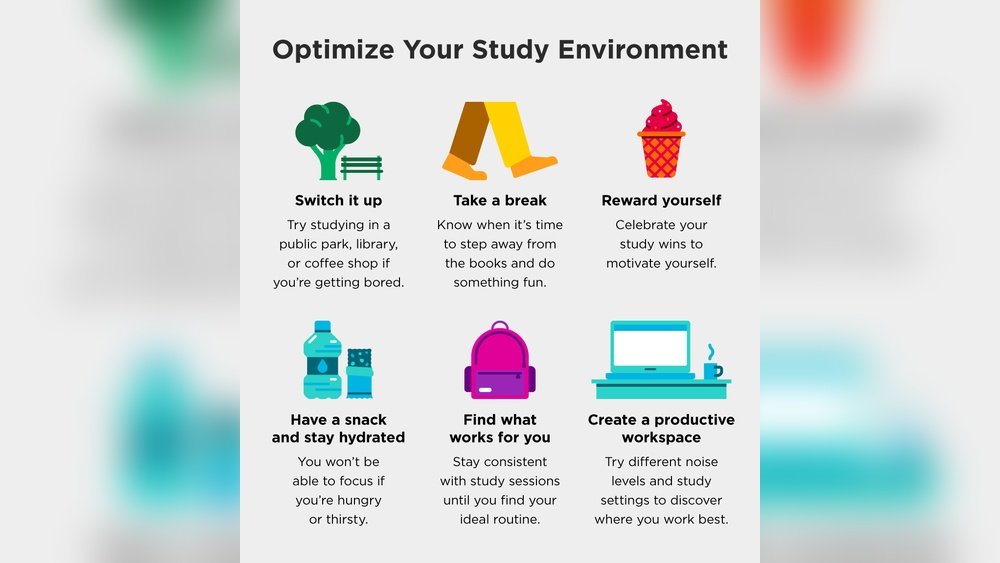
- Changing your environment changes your behavior. Move to a library or a different room if you keep getting distracted.

Credit: www.reddit.com
Actionable Conclusion
Procrastination feels hard to beat, but every small step chips away at it. Start with one technique today—set a timer, clear your desk, or write your goal. Notice what works for you and build on your wins. Remember, overcoming procrastination is a skill you can learn with practice.
If you want more research on why we procrastinate and how to stop, check out this helpful Wikipedia article on procrastination.
Frequently Asked Questions
Why Do I Procrastinate Even When I Know It’s Bad?
Procrastination is often about avoiding uncomfortable feelings—like fear, boredom, or doubt. It’s not just about time. Understanding your reasons can help you change.
What’s The Fastest Way To Stop Procrastinating Right Now?
Start with a very small task—like opening your book or writing one sentence. Action creates energy and breaks the mental block.
Does The Pomodoro Technique Really Work?
Yes, for many people. Short, timed sessions make starting easier and help you stay focused. Try it for a week and see if it helps.
How Can I Make Studying Less Boring?
Mix up your methods. Use videos, flashcards, group study, or teach someone else. Changing your routine can make studying more interesting.
What If I Keep Failing To Stop Procrastinating?
Don’t be too hard on yourself. Change takes time. Reflect on what did not work, adjust your approach, and try again. Get support if you need it.
You have the tools. Take the first step today—and keep moving forward.