Every year, over 60% of students face the challenge of preparing for multiple exams at the same time. This pressure can lead to stress, confusion, and even burnout. But with the right method, you can manage your time, boost your memory, and succeed in all your tests—even when they pile up. Let’s break down a practical, step-by-step plan to help you study for multiple exams at once, avoid common mistakes, and use proven techniques for better results.
Understand The Challenge
Juggling several exams means you must balance different subjects, question types, and priorities. The main problems students face are information overload, poor time management, and mixing up topics. If you don’t plan carefully, your grades can drop even if you spend long hours studying. Learning how to organize your study sessions is just as important as the study itself.
Stat: A 2022 survey showed that students who used a written study plan scored 14% higher on average than those who did not.
Step 1: List All Exam Dates And Subjects
First, collect all your exam information in one place. Write down:
- The subject of each exam
- The exact date and time
- The weight (how important it is for your final grade)
This step gives you a clear overview and helps you spot which exams need more attention.
Example
Let’s say you have:
- Math: June 3, 9:00 AM, 40% of grade
- History: June 5, 2:00 PM, 20%
- Physics: June 7, 10:00 AM, 40%
Now, you know math and physics are most important and time is short between them.
Step 2: Assess What You Need To Study
Break each subject into smaller topics. For example, Math might have algebra, calculus, and geometry. This avoids the mistake of trying to study everything at once.
- Check your syllabus or teacher’s guide
- List chapters or units for each subject
- Mark topics you find difficult
This way, you focus your energy where it’s needed most.
Step 3: Prioritize With The 4-quadrant Method
Not all exams and topics are equal. Use the 4-Quadrant Method to sort your workload.
| Urgent & Important | Important, Not Urgent |
|---|---|
| Exam in 2 days, tough topic | Exam in 1 week, weak topic |
| Exam in 1 day, must review formulas | Exam in 5 days, already strong topic |
Start with what is both urgent and important. This method helps you avoid wasting time on easy topics when a hard exam is near.
Step 4: Create A Realistic Study Schedule
Make a daily plan that tells you what to study, for how long, and when to take breaks. Use time blocks of 30–50 minutes, followed by a 5–10 minute break.
Pro Tips:
- Rotate subjects to avoid boredom
- Put harder subjects at your best energy time (morning for most people)
- Leave time for quick reviews every night
Sample 3-day Schedule
| Day | Morning | Afternoon | Evening |
|---|---|---|---|
| Monday | Math – Algebra | History – WW2 | Review Math & History notes |
| Tuesday | Physics – Mechanics | Math – Calculus | Practice Physics problems |
| Wednesday | History – Cold War | Physics – Electricity | Review all flashcards |
Step 5: Use Active Study Techniques
Passive reading is not enough. Use methods that make you think and recall:
- Practice Testing: Do past exam papers or quizzes.
- Flashcards: Write questions on one side, answers on the other.
- Teach Someone: Explain a topic to a friend or even to yourself.
- Mind Maps: Draw connections between ideas.
- Summarize: Write short summaries of each topic in your own words.
These techniques help you remember better and spot weak areas fast.
Credit: www.lemon8-app.com
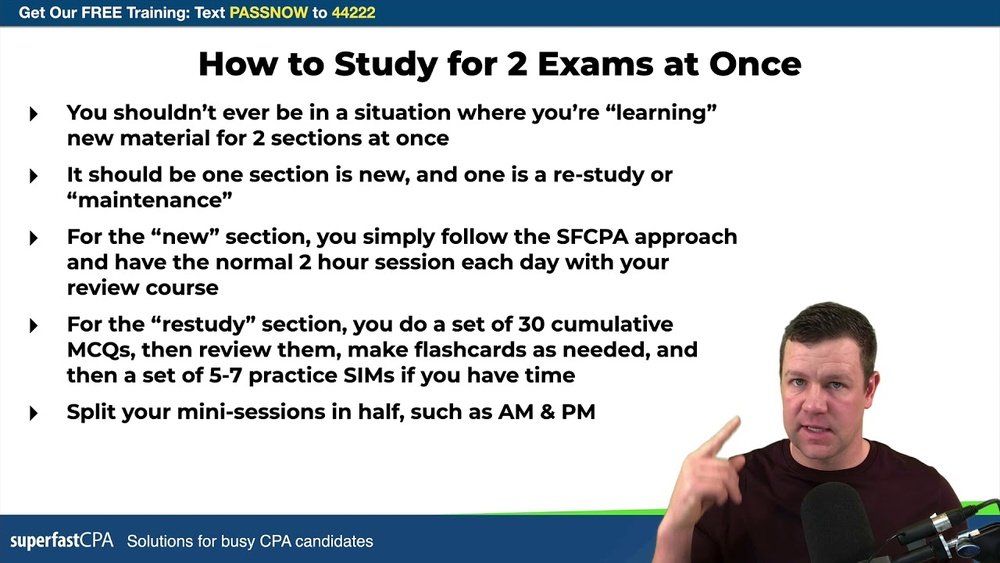
Step 6: Mix Subjects (interleaving)
Don’t study one subject for hours without switching. Mixing subjects, or interleaving, trains your brain to separate information and improves long-term memory.
- Study math for 40 minutes, then switch to history.
- After a break, do a physics practice test.
Studies show students who mix subjects remember up to 20% more than those who study one at a time.
Step 7: Review And Self-check Regularly
Every night, take 10–15 minutes to review what you learned that day. This helps move information from short-term to long-term memory.
- Use your flashcards
- Re-do a tough problem
- List three key facts from each subject
If you find you’re forgetting something, add it to your next study session.
Warning: Don’t skip reviews. Cramming the night before rarely works for multiple exams!
Step 8: Manage Stress And Stay Healthy
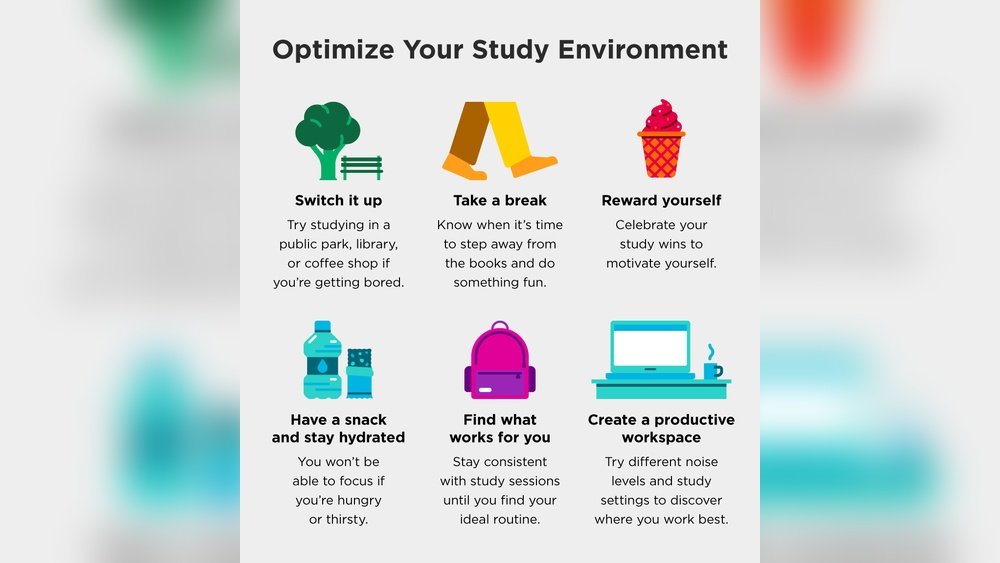
It’s easy to forget your health when exams are close. But good sleep, food, and exercise are part of smart studying.
- Get at least 7 hours of sleep (sleep improves memory)
- Drink water and eat real meals
- Move your body every few hours—stand up, stretch, or take a quick walk
If you feel anxious, try deep breathing or a short meditation. Calm minds remember more.
Step 9: Avoid These Common Mistakes
Let’s highlight mistakes that can ruin your efforts:
- Ignoring weaker subjects: Don’t focus only on your favorites.
- Not checking exam details: Missing a date or wrong format is a disaster.
- Cramming all night: Sleep loss destroys memory.
- No practice tests: Real exam questions show what you’re missing.
- Multitasking with distractions: Phones and social media kill focus.
Step 10: Key Do’s And Don’ts
Here’s a quick reference for daily success:
| Do | Don’t |
|---|---|
|
|
Step 11: Use Smart Tools And Apps
Free and simple apps can help you stay organized:
- Google Calendar: Schedule study times and set reminders
- Quizlet: Make digital flashcards
- Forest: Stay focused by blocking phone distractions
Choose tools that match your style. Don’t overcomplicate—simple is effective.
Step 12: Ask For Help When Needed
If you’re stuck, ask teachers, friends, or look for online resources. Joining a small study group can help, but only if the group stays focused.
You can also find great advice on exam strategies from trusted sources like Cornell University.
Step 13: Adjust Your Plan As You Go
If you’re falling behind or a subject is harder than you thought, adjust your schedule. Move time from an easier subject to a tough one. Flexibility is a strength, not a weakness.

Credit: www.infigonfutures.com
Real-world Example
Maria, a high school student, had biology, math, and English exams in one week. She made a plan, used active recall, and mixed her subjects. She found that reviewing for 15 minutes before bed helped her remember facts better. By exam day, she felt less stressed and scored higher than in past years.
Actionable Takeaways
- start Planning Early—waiting Makes It Harder.
- break Subjects Into Topics, Not Just Big Blocks.
- use Active, Not Passive, Techniques.
- mix Subjects And Review Often.
- protect Your Sleep And Health For Best Results.
With these steps, you can turn a difficult exam week into a manageable challenge and even build habits that help for years to come.

Credit: in-domus.it
Frequently Asked Questions
How Early Should I Start Studying For Multiple Exams?
It’s best to start at least two weeks before your first exam. This gives you time to make a plan, adjust if needed, and avoid last-minute stress.
Is It Better To Focus On One Exam At A Time Or Mix Subjects?
Mixing subjects (interleaving) is better. It helps you keep information separate and improves your memory. Just make sure you plan which subjects to study each day.
How Many Hours Should I Study Each Day?
Quality is more important than total hours. Aim for 3–5 focused hours each day, with breaks. More than 6 hours usually leads to tiredness and less learning.
What’s The Best Way To Avoid Confusion Between Subjects?
Write summaries in your own words and use different colors or notebooks for each subject. Reviewing key facts daily also helps keep things clear.
What Should I Do If I Feel Overwhelmed?
Take a short break, breathe deeply, and look at your plan. Start with one small topic. If you’re still stressed, talk to a teacher or friend for support.
—
Preparing for several exams at once is tough, but with a clear plan, active techniques, and self-care, you can succeed. Start early, adjust your approach, and believe in your ability to improve.