
Every year, over 6 million U.S. students take at least one online course, but only a fraction know how to earn real college credit from these efforts. With tuition costs rising and flexible learning growing, the ability to turn online classes into recognized credits can save thousands of dollars and months of time. Yet, the process is confusing, with each school and provider having different rules. This guide will walk you through every step, from choosing the right course to getting those credits on your transcript. You’ll learn the exact methods, common mistakes, and smart strategies to make your online learning count—without wasting money or effort.
Why Earning College Credit From Online Courses Matters
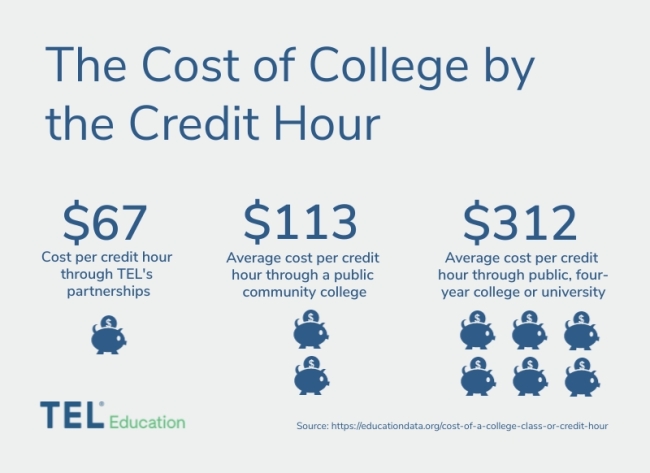
Getting college credit from online courses isn’t just about convenience—it’s about saving time and money. The average U.S. college class can cost $1,200 or more, not including fees. Online courses, especially those offering credit pathways, are often much cheaper or even free.
Many students use online credits to:
- Graduate faster
- Reduce student debt
- Transfer to a better school
- Balance work, family, and study
But the rules aren’t always clear. Not all online courses give credit, and not all colleges accept them. Understanding the process is the first step to making online learning work for you.
Online credits can also help students who are returning to college after a break, or those who want to explore new subjects without committing to a full semester. For example, if you work full-time or care for a family, online credits let you study at your own pace.
This flexibility is a big reason more students are choosing online options.
Stat: According to the U.S. Department of Education, over 50% of undergraduates take at least one online class, but only about 10% attempt to convert these to college credit.
Yet, many students don’t realize that even a single online course could help them skip a semester or fill a missing requirement. Sometimes, the opportunity to earn credit is hidden in the course details or buried in the school’s transfer policy.
Students who take time to learn these details can get a head start on their degrees.
Types Of Online Courses That Offer College Credit
Not all online courses are created equal. To earn college credit, you need to pick the right type. Here are the most common options:
1. Accredited University Online Courses
These are regular college classes, just delivered online. Examples: Arizona State University Online, Penn State World Campus. Credits from these programs often transfer easily, especially if you stay within the same university system.
2. Moocs With Credit Pathways
Massive Open Online Courses (MOOCs) like Coursera or edX often offer courses with credit options (usually for a fee). Some MOOCs even include graded assignments and proctored exams to meet college-level standards.
3. Credit-by-exam Programs
CLEP, DSST, and UExcel allow you to study online and earn credit by passing standardized exams. Many subjects are available, from math to literature, and these exams are accepted by thousands of schools.
4. Alternative Credit Providers
Some platforms (like StraighterLine, Study. com, Sophia Learning) partner with colleges to offer low-cost, credit-eligible courses. These programs are popular with adult learners and transfer students because they are self-paced.
5. Corporate-sponsored Learning
Some employers partner with online platforms to offer workforce training that can count for credit. For example, a company may offer a business leadership course that also counts toward a business degree.
What Doesn’t Count
- Free online courses without credit pathways
- Non-accredited providers
- Most “certificate only” programs
It’s important to understand that just because a course is available online doesn’t mean it will count for college credit. Many platforms offer certificates for completion, but unless the course is specifically designed for credit, colleges will not accept it.
Pro Tip: Always check for accreditation and credit transfer agreements before enrolling. Accreditation ensures the course meets recognized standards, and transfer agreements make the process smoother.
Some students assume that if a course seems “official,” it will count for credit. This is not true. For example, a course from a popular website may look professional and have great reviews, but unless it’s accredited or ACE/NCCRS recommended, it probably won’t help your degree progress.
Step-by-step: How To Get College Credit From Online Courses
Converting online learning into official college credit is possible, but you must follow these steps:
1. Research Your Target College’s Policy
Every college has its own rules. Check their website or call the registrar.
- Do they accept transfer credits?
- Which online providers or exams are recognized?
- Are there limits on transferred credits?
Some colleges only accept credits from regionally accredited schools or ACE-recommended courses. Others may have “residency” requirements, meaning you must complete a certain number of credits at their campus.
For example, some universities allow only 60 transfer credits, and others may limit online transfer credits to general education courses. If you’re not sure, ask for a written policy statement or email confirmation. Having this in writing can save you trouble later.
2. Choose The Right Online Course
Pick courses that are:
- From accredited providers
- Clearly marked as “credit eligible”
- Matched to your college’s degree plan
Example: If you need “Intro to Psychology,” choose a course with the same syllabus as your college’s class.
Check the course description, objectives, and number of credits. Some colleges require that the course content closely matches their own, so collect the syllabus and any course outlines. If possible, send these to your advisor before enrolling.
3. Enroll And Complete The Course
Sign up and finish all assignments, quizzes, and exams. For credit-by-exam, study the material and pass the test.
- Maintain proof (transcripts, certificates, exam scores)
- Meet any grade requirements (often “C” or better)
Some platforms require proctored exams, which means you may need a webcam or visit a testing center. Keep all emails or confirmations you receive upon finishing the course. For credit-by-exam, make sure you understand the scoring system and what counts as a “pass.
”
4. Request An Official Transcript Or Credit Report
After completion, you’ll need an official record sent to your college. This might be:
- A transcript from the online platform (e.g., ASU Online, Study.com)
- A score report from CLEP, DSST, or ACE
Warning: Unofficial copies are rarely accepted.
Request transcripts as soon as you finish the course. Some platforms take several weeks to process transcript requests. If you’re facing a deadline for graduation or transfer, order early. Some colleges also accept electronic transcripts, while others require a physical copy—double check.
5. Submit Credits To Your College
Follow your college’s process:
- Fill out transfer credit forms
- Pay any evaluation fees
- Provide all required documents
Wait for their review—this can take weeks.
Each school has a different process. Some require forms to be mailed or uploaded, and others have online portals. Missing a required document can slow down your credit evaluation, so follow up with the registrar or admissions office to confirm receipt.
6. Confirm Credit Award And Degree Progress
Check your college portal or talk to an advisor:
- Did the credit appear on your transcript?
- Does it count toward your major or electives?
- If denied, ask why and appeal if needed
If your credits show up as “free electives,” but you need them to count for a requirement, ask about a course substitution or appeal process. Some schools allow you to submit a syllabus or course materials for a detailed review.
Don’t hesitate to ask questions—many colleges have a process for resolving these issues.
Tip: Start this process early. Some colleges have credit limits (often 30–60 hours max) for transferred courses.
Key Programs And Platforms For Earning College Credit
Some online platforms make the process much easier. Here are popular choices, with their main features:
| Provider | Type | Credit Pathway | Approx. Cost |
|---|---|---|---|
| Coursera/edX | MOOC | ACE/University Partnership | $200–$500/course |
| StraighterLine | Alternative Credit | ACE/Partner Colleges | $59–$99/month + $59/course |
| Study.com | Alternative Credit | ACE/Partner Colleges | $199/month |
| Sophia Learning | Alternative Credit | ACE/Partner Colleges | $99/month |
| CLEP/DSST/UExcel | Credit-by-Exam | ACE/College Board | $89–$120/exam |
Insider Insight: Some colleges have direct partnerships with these platforms, making credit transfer automatic.
For example, some community colleges have “open transfer” agreements with StraighterLine or Study. com, so your credits post to your transcript in days. On the other hand, some selective universities have stricter reviews and may require detailed syllabi. If you want the smoothest experience, pick a school with known partnerships or ask your advisor which platforms they recommend.
Credit: www.myaccountingcourse.com
Credit-by-exam: Fastest Route To College Credit
Credit-by-exam lets you study on your own schedule, then take a test to earn credit. This is one of the cheapest and fastest ways to get college credit.
Popular Exams
- CLEP (College Level Examination Program)
- DSST (DANTES Subject Standardized Tests)
- UExcel
You can earn up to 30 credits (about a year of college) if your school accepts these.
How It Works
- Choose an exam (e.g., College Algebra)
- Study using official guides or online courses
- Register and pay the exam fee
- Pass the test at a local or online testing center
- Send your score to your college
A big advantage of credit-by-exam is the ability to take multiple exams back-to-back, earning credits quickly. Many students prepare for 2–3 CLEP exams over a single summer, finishing a semester’s worth of credits before the new term starts.
Sample Clep Credit Acceptance
| Exam | Credits | Accepted By |
|---|---|---|
| CLEP College Algebra | 3 | 2,900+ U.S. Colleges |
| CLEP Spanish Language | 6–9 | 2,800+ U.S. Colleges |
| DSST Principles of Public Speaking | 3 | 1,900+ U.S. Colleges |
Mistakes to Avoid:
- Not all colleges accept all exams—check first.
- Some require higher passing scores.
Also, some schools only count certain exams for elective credit, not for specific requirements. For example, “CLEP College Algebra” may count as math credit, but not as the required “Calculus I. ” Always match the exam to your degree requirements.
Common Mistakes When Trying To Earn Credit
Many students waste time or money because they don’t know the system. Avoid these pitfalls:
1. Not Checking Your College’s Policy First
Each school is different. Never assume credits will transfer.
2. Choosing Non-accredited Courses
Credits from unaccredited providers usually won’t count.
3. Missing Deadlines
Some schools have “credit by exam” or transfer deadlines.
4. Paying For Unnecessary Credits
Don’t take extra courses if your degree plan doesn’t require them.
5. Failing To Get Official Transcripts Sent
Only official records are accepted.
Some students also repeat courses they already have credit for, wasting both time and money. Others sign up for courses based on advice from friends, rather than checking their own degree plan. It’s smart to keep a list of all courses and credits you’ve earned and share this with your advisor each semester.
Warning: Don’t pay for “guaranteed” credit from non-official providers. If it sounds too good to be true, it probably is.
Pro Tips For Maximizing Your College Credit
Follow these expert strategies to get the most from your online courses:
- Plan your degree path before enrolling in any course
- Ask your academic advisor for a pre-approval or credit evaluation
- Use ACE-recommended courses or exams for best transfer chances
- Keep all records, emails, and syllabi for proof
- Stack credits from different sources (e.g., CLEP + StraighterLine)
- Look for colleges with generous transfer policies
- Use online forums (like r/college or DegreeForum.net) for real student experiences
If you’re returning to school after time away, ask if your old credits are still valid—some expire after 5–10 years. For international students, ask if you need a course-by-course evaluation from a third-party service.
Expert Tip: Some community colleges accept nearly all ACE credits—these can then be transferred to a 4-year university.
Do’s And Don’ts Table
Here’s a quick guide to keep you on track:
| Do | Don’t |
|---|---|
| Check your college’s transfer rules | Assume all credits will transfer |
| Use ACE- or regionally accredited providers | Pick random online courses |
| Get everything in writing from your advisor | Rely on verbal promises |
| Keep copies of all transcripts | Lose proof of completion |
A simple checklist before you enroll can avoid weeks of frustration later. Always document every step and keep a backup of your records.
Real-world Examples
Let’s look at how students have used online credits to succeed:
- Maria, a working mom, completed 21 credits on Sophia Learning and transferred them to her state university, cutting her degree time by a year. She planned her courses with her advisor and only took classes that matched her degree map.
- James used CLEP exams to skip his first year of general education, saving $10,000 in tuition. He studied with free online resources and took four CLEP exams in two months.
- Sami, an international student, took ACE-approved courses on Study.com and transferred them to a U.S. college, avoiding expensive overseas exams. He contacted the admissions office before enrolling to confirm the credits would count.
These examples show that with planning, online credits can offer real and measurable benefits.
Another less obvious benefit: students who earn online credits often gain confidence in their ability to learn independently. This can make the rest of college feel easier and less stressful. Many also discover new interests and change majors with less risk, since each credit costs less and takes less time.
Myths Vs Facts About College Credit From Online Courses
Many myths surround online learning and credit transfer. Here’s the truth:
| Myth | Fact |
|---|---|
| All online courses give college credit | Only certain accredited or ACE-recommended courses do |
| Employers don’t respect online credits | Credits appear the same on your transcript as in-person courses |
| You can transfer unlimited credits | Most colleges have strict transfer limits |
| Online credits are lower quality | Accredited online credits meet the same standards as campus classes |
Some students worry that online credits “look bad” to employers or grad schools. In reality, most transcripts do not show the delivery method. As long as the credit comes from an accredited source, it is equal to any other credit.
Credit: www.insidehighered.com
Key Takeaways
- plan Ahead: Always Check Your College’s Transfer Rules Before Enrolling.
- pick The Right Providers: Use Accredited, Credit-eligible Courses Or Exams.
- collect All Documents: Official Transcripts And Score Reports Are Essential.
- Maximize savings: Online credits can save you time and thousands in tuition.
- ask For Help: Advisors And Online Communities Are Valuable Resources.
With the right plan, you can turn online learning into real degree progress. Don’t let confusion or myths keep you from earning credits you’ve already worked for.
Frequently Asked Questions
How Do I Know If My Online Course Is Eligible For College Credit?
Check if the course is from an accredited provider and offers a “credit pathway.” Look for ACE or NCCRS approval, or direct partnerships with universities. Always confirm with your target college’s registrar.
Some platforms list “ACE Credit Recommended” or “NCCRS Evaluated” on their course pages. If in doubt, ask the provider or your advisor to confirm before you enroll.
Can I Transfer Online Credits To Any College?
No, each college sets its own credit transfer policy. Some accept many online credits, others limit or reject them. Always check first, and ask for pre-approval in writing.
A course accepted at one school may not count at another, even if both are accredited. Always keep documentation of approvals and ask questions if you are unsure.
Are Online Credits Cheaper Than Regular College Classes?
Usually, yes. Online credit-by-exam or alternative credit courses can cost 80% less than traditional classes. For example, a 3-credit CLEP exam costs under $100, compared to $1,200+ at a university.
Also, you save on other costs like commuting, textbooks (many online courses include materials), and living expenses. For students on a budget, this can mean graduating with less debt.
Will My Transcript Show That I Took The Course Online?
In most cases, no. Transcripts list the course name and credits, not the method of delivery. Employers and grad schools rarely see a difference if the credit is from an accredited institution.
If you transfer credits from an alternative provider, the transcript may show the original source (like “ACE” or “Study. com”), but not that it was online. Most colleges use the same format for all credits.
Where Can I Find A List Of Colleges That Accept Online Credit?
You can visit the ACE Credit College and University Network at acenet.edu for an up-to-date list.
—
Earning college credit from online courses is one of the smartest ways to save time, lower costs, and build flexibility into your education. By choosing the right courses, following your college’s policies, and avoiding common mistakes, you can turn online learning into real degree progress. Start planning today—your future, and your wallet, will thank you.

Credit: study.com