Can You Get A Real Job From Online Certifications?
=================================================
The job world is changing fast. According to a 2022 LinkedIn survey, more than 50% of hiring managers now consider online certifications when screening candidates. Many companies like Google, Amazon, and IBM even offer their own certificates. But can these online credentials truly land you a “real” job, or are they just a modern trend?
Let’s break down how online certifications work, where they help, where they fall short, and what you need to know to use them for real career growth.
What Are Online Certifications?
Online certifications are credentials you earn from digital courses, usually after passing exams or completing projects. They cover everything from data analytics to project management, and are offered by universities, tech companies, and learning platforms like Coursera, edX, and Udemy.
- Short-term: Most certificates can be completed in weeks or months, not years.
- Affordable: Costs range from free to a few hundred dollars, making them more accessible.
- Skills-focused: They target practical skills for specific jobs or industries.
Many online certificates include videos, quizzes, and hands-on assignments. For example, a Google IT Support certificate requires you to solve real technical problems, not just pass multiple-choice tests. This hands-on approach helps you practice what you learn right away. Some programs even include virtual labs or simulations that mimic real work environments.
You might also find “micro-credentials” or “nanodegrees. ” These are similar, but sometimes focus on even smaller skill sets. For instance, a micro-credential in Excel may only cover data visualization, not all of Excel.
How Are They Different From Degrees?
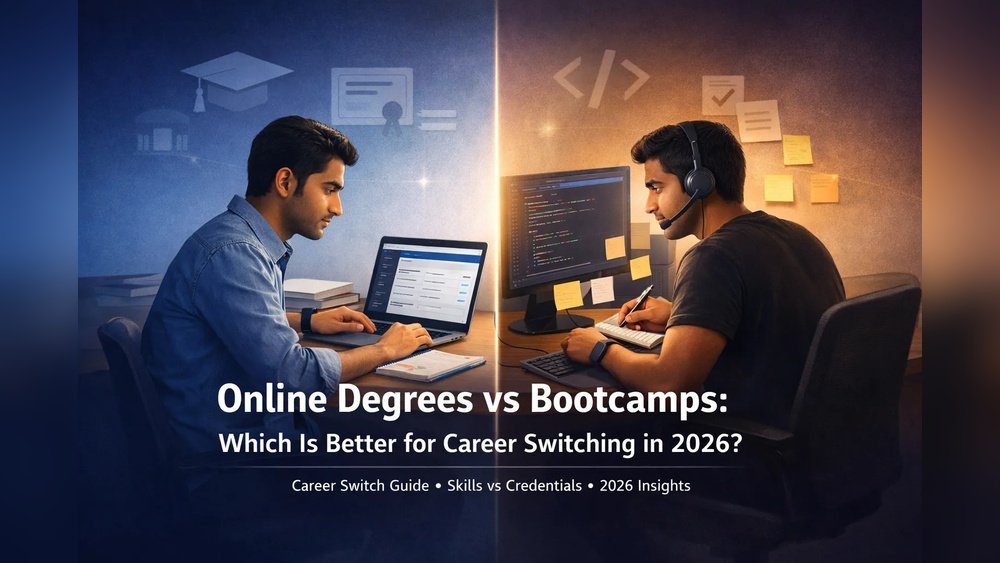
A college degree is broad and takes years. An online certification is focused and fast. Think of a degree as a full meal and a certificate as a snack—both can fill you up, but in different ways.
Degrees often include theory, general education, and research. Certifications skip most of the theory and teach you how to do specific tasks for a job. For example, a computer science degree might teach programming theory, but a coding bootcamp certificate teaches you to build a website right now.
Another key difference: degrees are often required for regulated fields, while certificates are more common for technical or creative roles. Certificates can also be a way to “test drive” a career before committing to a long degree.
Why Do Employers Value Online Certifications?
Employers want proof you can do the job. Online certifications show you’ve learned current, in-demand skills. Some reasons they matter:
- Demonstrates Initiative: Shows you’re proactive about learning.
- Signals Up-to-Date Knowledge: Tech and business fields change fast.
- Verifies Specific Skills: Certifications often test real-world abilities.
Certificates can also help you stand out if you’re switching careers or have a gap in your resume. For example, someone moving from retail to tech can show employers they’re serious by finishing a respected IT certificate.
A 2023 IBM report found that 86% of HR leaders say skills-based hiring is growing, and online certificates are part of this trend. In fact, some large companies now remove degree requirements for entry-level jobs and focus on skills instead.
Stat: In 2022, Google reported that over 75% of learners from its online certificates found a new job, promotion, or raise within six months.
Here’s something many people miss: certificates often come with alumni networks, job boards, and career support. For instance, completing a Coursera or Google certificate can give you access to exclusive job postings and even help with interview practice.
Top Industries Where Online Certifications Work
Not all jobs treat certificates the same. Here’s where they make the biggest impact:
- Information Technology (IT): Tech is king for certificates. Courses in cybersecurity, cloud computing, and coding are highly valued.
- Digital Marketing: Certifications from Google, Facebook, and HubSpot open doors for marketing roles.
- Data Science & Analytics: Data-focused certificates often lead to analyst or junior data scientist jobs.
- Project Management: Programs like PMP or Google Project Management are recognized globally.
- Design & Creative: UX/UI design, graphic design, and video editing certificates are portfolio-boosters.
- Healthcare Support: Medical coding, billing, and support tech roles accept online credentials.
- Business & Finance: Some entry-level roles respect certifications in Excel, accounting, or bookkeeping.
- Sales & Customer Service: Salesforce and similar certificates help in tech sales and CRM roles.
Let’s look at why these fields are so open to certificates. Tech companies want proof you can use new tools—like AWS for cloud or Tableau for data—so certificates are a direct fit. In digital marketing, platforms like Google Ads and Facebook update fast, so employers look for candidates with the latest badges.
Design and creative roles focus more on your portfolio and what you can actually make, so a strong project from a certificate course can make a big difference.
Healthcare support is another growing field. Medical billing and coding certificates, for example, teach you industry software and standards quickly, so you can fill in-demand jobs without years of school.
Some fields are starting to change their views. For instance, business and finance companies are testing skill-based hiring for roles like bookkeeping or financial analysis. If you combine a certificate with basic Excel or QuickBooks skills, you can often pass initial screenings.
| Industry | Top Certificates | Entry-Level Salary Range (US) |
|---|---|---|
| Information Technology | CompTIA, AWS, Google IT Support | $40,000–$65,000 |
| Digital Marketing | Google Analytics, HubSpot, Facebook Blueprint | $35,000–$55,000 |
| Data Science | IBM Data Science, Coursera, DataCamp | $50,000–$80,000 |
| Project Management | PMP, Google Project Management | $45,000–$70,000 |
When Online Certifications Lead To A Real Job
Online certificates help you get a job when:
- The certificate matches the job’s requirements. For example, IT support roles often ask for CompTIA or Google IT Support certificates.
- You can show real skills. Projects, portfolios, and hands-on labs matter more than a paper certificate alone.
- The certificate is from a respected provider. Certificates from Google, Microsoft, Coursera, or a well-known university have more weight.
Employers often use certificates as a “first screen. ” If your resume shows you have the exact skills they need—like AWS for cloud jobs or SQL for data roles—you’re more likely to get an interview. But what really sets you apart is the ability to show your work.
For instance, sharing a GitHub portfolio or a marketing campaign you built during your course.
Real Examples
- Maria completed Google’s IT Support Professional Certificate. She landed a helpdesk job at a mid-sized company, beating degree holders.
- Samir finished a Facebook Blueprint marketing certificate. He got a digital marketing assistant role at an ad agency.
- Jia built a portfolio with projects from a DataCamp data science track. She secured a junior data analyst job.
A less obvious insight: Many companies now use skills assessments during hiring. If you’ve just completed a hands-on certificate, you’ll be better prepared for these tests. For example, a coding bootcamp graduate may finish a take-home assignment faster than someone with only a degree.
Another tip: Some online programs have direct partnerships with employers. For example, Google Career Certificates work with over 150 US companies that promise to review graduate resumes. That network can be a shortcut to interviews.

Credit: careertraining.unm.edu
Where Online Certifications May Fall Short
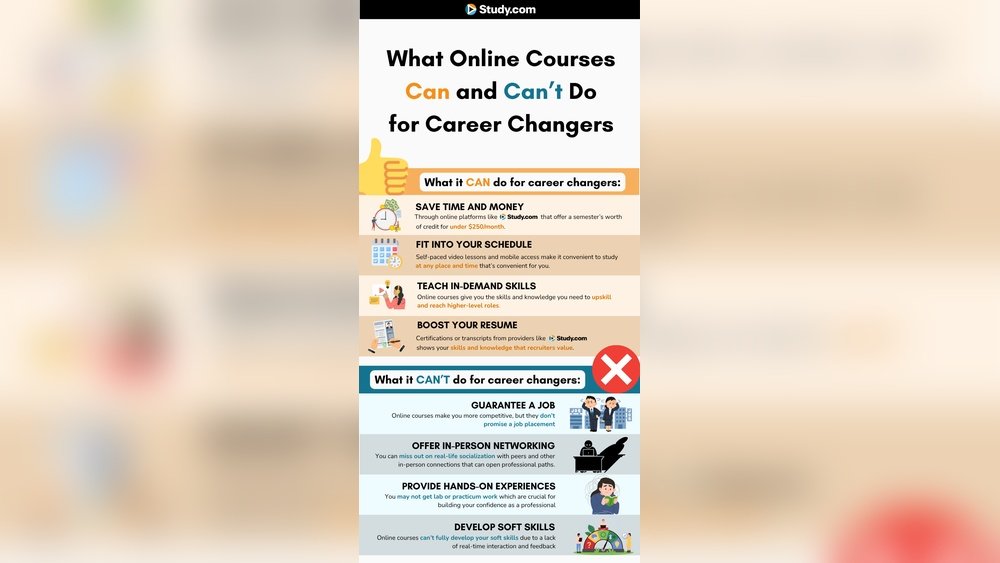
Certificates are not magic keys. Some fields still require a degree or license:
- Medicine, law, engineering: These need official university degrees and government exams.
- Teaching in public schools: Usually requires a teaching license.
- Management roles: Most ask for experience, not just certificates.
Other limits:
- Low-quality or fake certificates can hurt your chances.
- Too many certificates may look unfocused.
- No real projects means you may struggle to prove your skills.
Some roles require soft skills, leadership, or deep experience that certificates can’t provide. For example, certificates rarely teach you how to manage a team or handle office politics.
Another pitfall: Some online programs promise job guarantees or high salaries. Be cautious. Read reviews, check if the program has real alumni success, and never trust a site with poor grammar or no clear company information.
Warning: Be careful with unknown certificate providers. Employers often check if a program is real and respected.
How To Choose The Right Online Certification
Picking the right certificate is crucial. Ask yourself:
- Is it recognized in your target industry? Research job ads and LinkedIn profiles.
- Does it include real projects or hands-on labs? Employers want proof you can do the work.
- Who offers it? Choose programs from big tech companies, respected universities, or top learning platforms.
- What’s the cost and time commitment? Make sure it fits your budget and schedule.
- Are there alumni success stories? Look for job placement data or testimonials.
An insider tip: Check if the certificate helps you prepare for an industry exam (like AWS or CompTIA). These vendor exams are often requested in job ads.
Popular Platforms And Their Strengths
- Coursera/edX: University-backed, global reputation.
- Udacity: Tech-focused, real-world projects.
- LinkedIn Learning: Short, practical courses for business and tech.
- Google Certificates: Highly recognized for IT, project management, and UX.
Some platforms, like Udacity, also include one-on-one mentorship or career coaching. This can help you review your resume and practice interviews—a detail that can make a real difference for beginners.
Credit: www.pennfoster.edu
Mistakes To Avoid With Online Certifications
Many beginners make the same errors. Here’s how to avoid them:
- Chasing certificates without a goal: Don’t collect certificates just to fill your resume.
- Ignoring hands-on work: Always choose courses with real projects.
- Overlooking employer requirements: Check actual job descriptions in your field.
- Choosing unknown providers: Stick to programs with proven results.
- Not updating your LinkedIn and resume: Highlight your new skills and projects clearly.
A subtle mistake: Some learners focus only on technical skills and forget about communication or teamwork. Try to pick courses that include group work, presentations, or peer reviews, since many jobs require these abilities.
Pro Tip: Add your certificate and project links directly to your LinkedIn profile. Recruiters search for these keywords.
Online Certifications Vs. Degrees: How Do They Compare?
Here’s a quick view of how certificates and degrees stack up:
| Aspect | Online Certification | Traditional Degree |
|---|---|---|
| Time | Weeks to months | 2–4 years |
| Cost | Low to moderate | High |
| Depth | Narrow, skill-specific | Broad, theory + practice |
| Employer Recognition | Growing fast | Widely accepted |
| Best For | Skill switch, quick upskilling | Long-term careers, regulated fields |
It’s important to know: In some cases, certificates can be used to “stack” towards a degree. For example, Coursera offers “degree pathways” where certificates count for university credit. This is a smart way to start with a low-cost certificate and later earn a full degree if you decide to continue.
Myths Vs Facts About Online Certifications
Some common myths make people doubt online certificates. Let’s separate fact from fiction:
| Myth | Fact |
|---|---|
| “Certificates are not real education.” | Major universities now offer online programs. Many are as rigorous as in-person. |
| “Employers only want degrees.” | Thousands of companies hire based on skills and certificates, especially in tech. |
| “Online certificates are easy.” | Many programs require tough exams and real projects. |
| “You can’t switch careers with certificates.” | Thousands have used certificates to move into IT, marketing, and data jobs. |
Another myth: “Online certificates are only for people who can’t afford college.” In fact, many mid-career professionals use certificates to stay current or add new skills—sometimes even senior managers!
Key Takeaways
- Online certifications are now widely respected in tech, marketing, and data fields.
- Success depends on choosing the right provider, doing real projects, and matching your certificate to real job needs.
- certificates Work Best For Skill-specific, Entry-level, Or Career-switching Roles.
- They are not a shortcut for regulated professions like medicine or law.
- always Check Employer Requirements And Showcase Your Skills Clearly.
Action Steps To Land A Job With An Online Certification
- Pick a certificate that matches your dream job. Study real job ads.
- Complete all projects and assignments. Build a portfolio you can show employers.
- Get feedback from professionals. Join forums or LinkedIn groups in your field.
- Update your LinkedIn and resume. Highlight your certificate and practical projects.
- Prepare for interviews. Be ready to explain what you learned and show your work.
- Network online. Connect with alumni and recruiters from your certificate program.
- Keep learning. New courses and certificates keep your skills fresh.
A practical example: After finishing a data analytics certificate, join a local meetup or online group for data professionals. Share your projects, ask for advice, and offer to help with small tasks. Real connections often lead to job offers.
Success Stories: Real People, Real Jobs
- Carlos: After losing his retail job, Carlos finished a Google IT Support Certificate. He’s now working as a junior IT technician for a healthcare company.
- Leila: With a Coursera data analytics certificate, Leila landed a remote analyst role for a fintech startup.
- Rahul: Used a HubSpot digital marketing certificate to shift from sales to a marketing coordinator job.
These stories show that online certificates are more than just “extra learning. ” For many, they open doors to new careers.
Don’t forget: Many learners use certificates to negotiate a raise or promotion in their current job—not just to find new work. Certificates can also help you specialize. For example, a graphic designer might earn a UX certificate to move into user experience roles.

Credit: noc.edu.au
Resources For High-value Certifications
Looking for trusted programs? Try:
- Google Career Certificates (IT, UX, Data Analytics, Project Management)
- IBM Data Science Professional Certificate
- AWS Certified Cloud Practitioner
- Facebook Blueprint (Digital Marketing)
- Coursera, edX, LinkedIn Learning for university-backed courses
For a detailed guide on skill-based hiring and certificates, check Coursera’s research page.
Frequently Asked Questions
What Jobs Can You Get With An Online Certification?
Entry-level roles in IT support, data analysis, digital marketing, project management, and customer service often accept online certificates. Tech and business fields are the most open.
Are Online Certificates Recognized By Employers?
Yes, especially if they come from big names like Google, IBM, Coursera, or top universities. Always check job ads to see what employers ask for.
How Long Does It Take To Finish An Online Certification?
Most certificates take 2–6 months, studying part-time. Some can be finished faster if you study full-time.
Do Online Certifications Guarantee A Job?
No certificate can guarantee a job. But the right one, paired with real projects and networking, greatly increases your chances.
How Do I Put An Online Certificate On My Resume?
List it under “Education” or “Certifications,” with the provider, course name, and completion date. Add project links if possible.
—
Online certifications are not magic, but they’re powerful tools for modern job seekers. With focus, effort, and the right choices, they can turn your skills into real job offers—even if you’re starting from scratch.