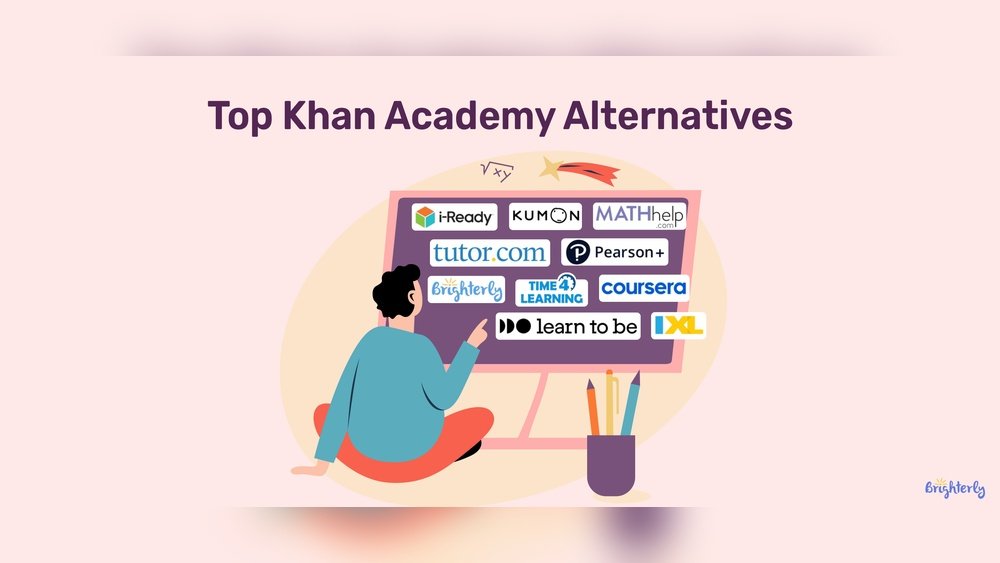
Khan Academy is one of the world’s most popular free learning platforms, with over 135 million users as of 2023. But did you know that nearly 60% of adult learners and college students seek alternative tools for more advanced or specialized topics, interactive practice, or professional growth? If you’re looking for Khan Academy alternatives tailored for adults or higher education, you’re not alone. The right platform can help you master new skills, prepare for exams, or even shift careers—often for little or no cost.
This guide covers the best options beyond Khan Academy. Whether you want structured courses, hands-on projects, or flexible microlearning, you’ll find clear comparisons, practical examples, and expert tips. Let’s discover smarter ways to learn as an adult or college student.
Why Look Beyond Khan Academy?
Khan Academy offers strong foundations in math, science, and test prep. However, as an adult or university student, your needs often expand:
- Advanced topics: Subjects like data science, software engineering, or business analytics.
- Professional certificates: Credentials that help in job markets.
- Project-based learning: Real-world scenarios, portfolios.
- Peer/community support: Forums, study groups.
- Flexible pacing: Self-paced or instructor-led options.
The following platforms address these needs, offering unique strengths for motivated adult learners.
Top Alternatives To Khan Academy For Adults And College Students
Explore these leading platforms, each with a distinct style, course library, and learning approach.
1. Coursera
Coursera partners with over 250 universities and companies, including Yale, Google, and Stanford. You can access more than 7,000 courses, professional certificates, and even full degrees.
- Best for: Academic courses, industry-recognized certificates, career pivots.
- Key features: Video lectures, peer forums, graded assignments.
- Subjects: Technology, business, arts, data science, personal development.
Example: The Google IT Support Professional Certificate helped over 50,000 learners secure IT jobs in 2022.
Pro tip: Many courses are free to audit, but certificates and assignments may require a fee.
2. Edx
edX was created by Harvard and MIT. It offers 3,500+ courses from world-class institutions, including micro-degrees and bootcamps.
- Best for: University-level courses, accredited microcredentials.
- Key features: Self-paced or instructor-led, verified certificates.
- Subjects: Computer science, engineering, public health, business.
Non-obvious insight: Some edX MicroBachelors and MicroMasters can be credited toward real university degrees.
3. Udemy
Udemy is a massive open marketplace with over 210,000 courses. Instructors are industry professionals, so content is practical and fast-changing.
- Best for: Affordable, skill-based learning, trending tools.
- Key features: Lifetime access, frequent sales, mobile learning.
- Subjects: Coding, design, marketing, photography, personal growth.
Mistake alert: Not all courses are of equal quality—check ratings and previews before enrolling.
4. Linkedin Learning
LinkedIn Learning (formerly Lynda.com) combines video courses with professional networking. It’s strong for business, creative, and tech skills.
- Best for: Career advancement, leadership, workplace skills.
- Key features: Certificates, skill assessments, integration with LinkedIn profile.
- Subjects: Excel, project management, leadership, software.
Stat box:
82% of LinkedIn Learning users say skills gained helped them achieve career goals.
5. Futurelearn
FutureLearn offers short courses and microcredentials, often from UK and European universities. It’s known for social learning and global peer interaction.
- Best for: Social, discussion-based courses, international focus.
- Key features: Scheduled discussions, digital certificates, expert instructors.
- Subjects: Health, teaching, psychology, language, tech.
Tip: Many courses are free, but certificates and full access require payment.
6. Saylor Academy
Saylor Academy is a nonprofit that provides free, self-paced courses for college credit. It’s ideal for budget-conscious learners.
- Best for: Affordable, self-paced college credits, foundational subjects.
- Key features: Completely free, credit transfer options, open textbooks.
- Subjects: Business, communication, computer science, economics.
Non-obvious insight: Some Saylor exams can be used for American Council on Education (ACE) credit recommendations.
7. Mit Opencourseware
MIT OpenCourseWare (OCW) shares real MIT course content—lecture notes, assignments, and exams—at no cost.
- Best for: In-depth technical courses, self-learners.
- Key features: No signup, full syllabi, advanced topics.
- Subjects: Engineering, physics, economics, architecture.
Example: Many graduate-level math and engineering lectures are available that you won’t find on mainstream platforms.
8. Openlearn
OpenLearn is The Open University’s platform, offering 1,000+ free courses. It’s popular for self-improvement and general education.
- Best for: Personal development, introductory university courses.
- Key features: Short modules, badges, free statements of participation.
- Subjects: History, education, psychology, environment, STEM.
Tip: Use OpenLearn to sample topics before committing to full degrees.
9. Canvas Network
Canvas Network offers free courses from colleges, universities, and organizations worldwide. It’s known for innovative and niche topics.
- Best for: Unique subjects, teaching tools, educational technology.
- Key features: Open registration, peer interaction, project-based learning.
- Subjects: Digital literacy, creativity, social change.
Mistake alert: Course schedules may be fixed—check start dates.
10. Skillshare
Skillshare is focused on creative and practical skills. Courses are project-driven, with feedback from instructors or peers.
- Best for: Creativity, design, entrepreneurship.
- Key features: Hands-on projects, short videos, community critiques.
- Subjects: Illustration, video editing, freelancing, productivity.
Pro tip: Use the free trial to explore full courses before subscribing.
11. Codecademy
Codecademy is a leader in interactive coding education. You can practice real code in your browser, from beginner to advanced.
- Best for: Learning programming, building a coding portfolio.
- Key features: Interactive exercises, career paths, instant feedback.
- Subjects: Python, JavaScript, SQL, data science.
Non-obvious insight: Pro learners get access to interview prep and real-world projects.
12. Alison
Alison delivers free online diplomas and certificate courses in workplace and life skills. Over 25 million learners have joined globally.
- Best for: Career upskilling, personal enrichment.
- Key features: Free certificates, CPD-accredited courses, skill paths.
- Subjects: IT, health, management, soft skills.
Tip: Certificates are free to download, but official diplomas may cost extra.
13. Udacity
Udacity specializes in “Nanodegree” programs—intensive, hands-on bootcamps built with tech leaders like Google and Amazon.
- Best for: Career changers in tech, project-based portfolios.
- Key features: Real projects, mentor support, job assistance.
- Subjects: AI, cloud computing, self-driving cars, data engineering.
Stat box:
Graduates report a 50% higher interview rate after a Nanodegree program.
14. Great Learning
Great Learning offers professional certifications and postgrad programs in tech and business, often in partnership with top global universities.
- Best for: Working professionals, upskilling, industry networking.
- Key features: Live classes, mentorship, capstone projects.
- Subjects: Data science, cyber security, business analytics.
Example: Their “PG Program in Data Science” is rated among the best in Asia.
15. Academic Earth
Academic Earth curates free video lectures from top universities worldwide. It’s ideal for exploring academic topics without pressure.
- Best for: Auditing university lectures, casual learning.
- Key features: No registration, top faculty, diverse subjects.
- Subjects: Philosophy, physics, law, computer science.
Tip: Use Academic Earth to sample courses before enrolling in paid programs.
16. Google Digital Garage
Google Digital Garage offers free digital skills training, with certificates on completion. Courses are designed for career growth and business.
- Best for: Digital marketing, career skills, entrepreneurship.
- Key features: Accredited certificates, bite-sized lessons, quizzes.
- Subjects: Analytics, coding basics, career development.
Non-obvious insight: Certificates are recognized by many employers for entry-level digital roles.
17. Harvard Online Learning
Harvard Online provides free and paid courses from Harvard University. Subjects range from science to leadership.
- Best for: Ivy League content, advanced learners.
- Key features: Real Harvard faculty, rigorous topics, verified certificates.
- Subjects: Neuroscience, law, literature, computer science.
Mistake alert: Some courses require time commitments similar to university classes.
18. Brilliant.org
Brilliant uses interactive problem-solving to teach math, science, and computer science. It’s popular with analytical thinkers.
- Best for: Active learners, logic, applied math.
- Key features: Interactive quizzes, daily problems, real-world puzzles.
- Subjects: Math, science, coding, logic.
Tip: Try the free version for basics; the premium unlocks all courses and challenges.
19. Open Culture
Open Culture curates 1,700+ free online courses, audiobooks, and movies. It’s a goldmine for lifelong learners seeking variety.
- Best for: Sampling many topics, podcast-style learning.
- Key features: Audio/video lectures, open resources, global content.
- Subjects: Languages, history, philosophy, arts, science.
Example: Listen to a Yale history course while commuting.
20. Masterclass
MasterClass features celebrity instructors—authors, artists, leaders—teaching creative and personal growth topics.
- Best for: Inspiration, creative mastery, storytelling.
- Key features: Hollywood-quality videos, insider tips, engaging lessons.
- Subjects: Writing, cooking, negotiation, leadership.
Tip: Courses are less structured, more about insight and inspiration.

Credit: ezycourse.com
Side-by-side Comparison: Key Features & Pricing
Explore how the top alternatives compare on cost, format, and credential value.
| Platform | Cost | Credential | Self-Paced? |
|---|---|---|---|
| Coursera | Free/$39+ (certificates) | Certs, degrees | Yes |
| edX | Free/$50+ (verified) | Certs, microdegrees | Yes/Some Fixed |
| Udemy | $10–$200 (one-time) | Certificate | Yes |
| Saylor Academy | Free | ACE credit | Yes |
| LinkedIn Learning | $39/mo (trial available) | Certificate | Yes |
| MIT OCW | Free | None | Yes |
Platform Strengths And Weaknesses
A quick look at who should choose which platform.
| Platform | Best For | Drawback |
|---|---|---|
| edX | University credit, depth | Certificate fees |
| Udemy | Practical, quick skills | Quality varies |
| Skillshare | Creative skills | Subscription needed |
| Codecademy | Coding from scratch | Advanced topics locked |
| Brilliant | Active math & logic | Limited free access |
Choosing The Right Platform: Key Factors
Consider these before making your choice:
- Learning Goals: Do you want a job-ready certificate, university credit, or personal interest?
- Budget: Many platforms offer free content; paid options bring credentials or deeper help.
- Learning Style: Prefer video, hands-on, or reading? Check course previews.
- Community Support: Forums, peer feedback, or live help can boost motivation.
- Recognition: Some certificates are more valued by employers or colleges.
Real-world example: If you want a digital marketing job, a Google Digital Garage certificate might open more doors than a general course.
Common Mistakes And Pro Tips
Many learners waste time or money by:
- Ignoring course reviews and instructor backgrounds.
- Paying for certificates that aren’t recognized in their field.
- Not using free trials before subscribing.
- Overcommitting to long programs without checking pacing.
- Neglecting hands-on practice—especially in tech subjects.
Pro tips:
- Always sample courses for teaching style and difficulty.
- Use project-based platforms to build a portfolio.
- Check if your employer or school offers discounts or free access.

Credit: brighterly.com
Key Takeaways
- Many Khan Academy alternatives exist for adults—some free, some paid, all with unique strengths.
- Choose based on your goal: career, degree credit, or personal growth.
- compare Credential Value Before Paying For Certificates Or Programs.
- use Reviews, Peer Feedback, And Real-world Projects To Maximize Results.
- Start with free options, and only pay if you need advanced features or official proof.
Frequently Asked Questions
What Is The Best Khan Academy Alternative For Job Skills?
Coursera and LinkedIn Learning are top choices for job-ready skills. Both offer certificates and courses built with real employers, and integrate with professional profiles.
Are These Platforms Really Free?
Many platforms offer free course access (edX, MIT OCW, Saylor), but certificates or graded assignments may cost extra. Always check the pricing details for the exact course you want.
Can I Earn College Credit Through Alternatives?
Yes, platforms like Saylor Academy and edX offer courses that can count toward college credits, but check with your university for transfer policies.
How Do I Choose The Right Course For My Level?
Read course descriptions, check for beginner or advanced tags, and watch intro videos. Many sites (like Udemy) let you preview lessons before enrolling.
Where Can I Find Accredited, Employer-recognized Certificates?
Look for certificates from platforms partnered with well-known universities or companies, such as Coursera, edX, or FutureLearn.
Khan Academy is a fantastic start, but the world of online learning for adults is bigger than ever. Use these alternatives to build real skills, earn credentials, and unlock new opportunities—wherever you are on your learning journey.
Credit: sfstandard.com