Getting good grades in college is not just about being “smart.” Research shows only 25% of academic success is due to intelligence. The other 75% comes from habits, motivation, and environment. That means you control most of your results. If you want to consistently earn high grades, you need a system — not just hard work.
This guide gives you clear, practical steps to get good grades every semester. You’ll find proven methods, common mistakes, and pro tips that really help. Let’s make your college journey smoother and more successful.
Step 1: Set Clear Academic Goals
Every top student starts with clear goals. This gives direction and helps you track progress.
- Define realistic GPA targets for each semester. Example: Aim for a 3.5 GPA instead of just “do well.”
- Break big goals into smaller steps, like “get a B+ or higher in Calculus.”
- Write down your goals and check them each month.
A survey from Harvard Business School found students who wrote goals were 10 times more likely to succeed.
Pro tip: Set both long-term (graduation GPA) and short-term (course grades) goals.
Step 2: Organize Your Schedule
Good grades require good planning. Use a calendar or app to manage your time.
- Mark all assignment deadlines and exam dates at the start of the semester.
- Block out study time each week, not just before exams.
- Schedule “review sessions” to revisit old material.
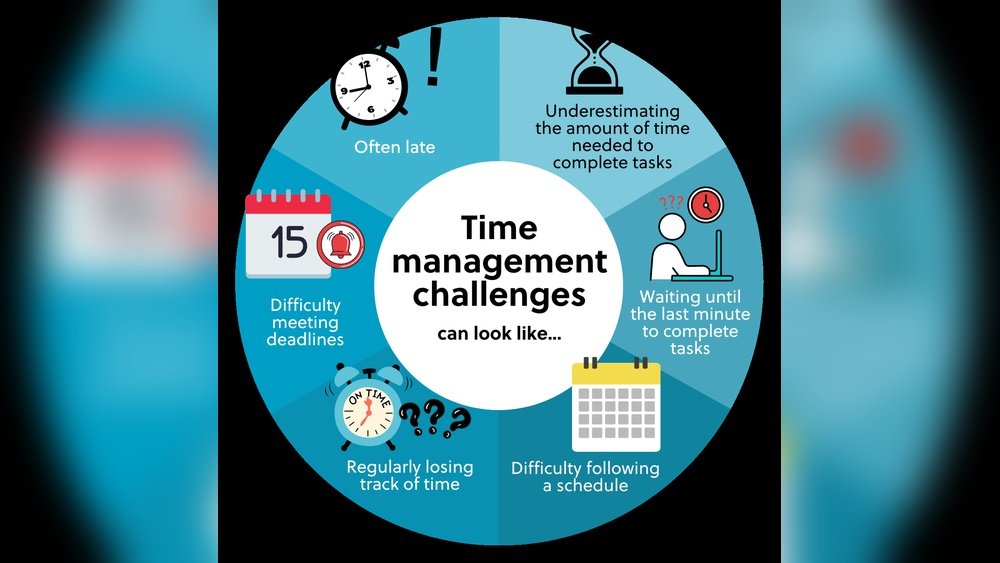
Most students underestimate how much time assignments need. Planning early prevents last-minute stress.
Common mistake: Overbooking. Leave free time for rest and surprises.
| Time Block | What to Do | Frequency |
|---|---|---|
| Class time | Attend, take notes | Daily/weekly |
| Homework | Complete assignments | 2–4x/week |
| Review | Go over material | Weekly |
| Breaks | Rest, relax | Daily |
Step 3: Attend Every Class
Attendance is the simplest way to boost grades. In one study, students who went to every class scored 15% higher on average.
- Professors often give hints about exams in class.
- You’ll understand the material better and ask questions right away.
Pro tip: If you must miss class, get the notes from a reliable classmate.
Don’t: Skip class for minor reasons. Small absences add up fast.
Step 4: Take Smart Notes
Good notes make studying easier. Don’t just write everything the professor says.
- Use bullet points and highlight key terms.
- Review and rewrite notes after class to fill gaps.
- Try methods like the Cornell Note System: Divide your page into notes, cues, and summary sections.
Example: Write questions in the margin to quiz yourself later.
Mistake: Copying slides word-for-word. Focus on main ideas.
Step 5: Use Active Study Techniques
Reading notes is not enough. Use active recall — test yourself instead of just reading.
- Make flashcards for terms and formulas.
- Teach the material to a friend or out loud.
- Try practice quizzes from textbooks or online.
Research shows students who self-test remember 50% more after a week.
Pro tip: Study in short, focused bursts (25–30 minutes) with breaks.
Step 6: Join Or Form Study Groups
Studying with others can help you see new ideas and stay motivated.
- Meet weekly to discuss hard topics.
- Teach each other — explaining helps you learn.
- Keep groups small (3–5 people) to stay focused.
Warning: Avoid groups that turn into social time. Stay on task.
Step 7: Ask For Help Early
If you’re lost, ask for help right away. Waiting usually makes things worse.
- Visit your professor’s office hours or email questions.
- Use tutoring centers and online forums.
- Study with classmates who understand the topic.
Don’t: Wait until exam week to get help.
Step 8: Use Campus Resources
Most colleges offer free or low-cost support:
- Writing centers for essays
- Tutoring for hard subjects
- Library workshops for research skills
- Academic advisors for course planning
Check your school’s website or ask your advisor.
Step 9: Manage Stress And Stay Healthy
Grades drop when you’re exhausted or anxious. Self-care matters.
- Sleep at least 7 hours per night. Sleep helps memory.
- Eat balanced meals and drink water.
- Exercise — even short walks help focus.
Stat: Students who sleep well score 10% higher on average.
Pro tip: Use short relaxation techniques (deep breathing, stretching) before big exams.
Step 10: Master Time Management
Time is your most limited resource. Learn to use it wisely.
- Use the Pomodoro Technique: Study 25 minutes, break 5 minutes.
- Prioritize tasks: “Must do” vs “Nice to do.”
- Say “no” to distractions during study time (turn off phone/social media).
Example: If you have a test and an assignment, finish the hardest one first.
| Task | Priority | Time Needed |
|---|---|---|
| Midterm exam | High | 5 hours |
| Weekly reading | Medium | 2 hours |
| Group meeting | Low | 1 hour |

Credit: www.powerschool.com
Step 11: Avoid Common Pitfalls
Many students lose grades from habits they don’t notice.
- Cramming: Last-minute study is less effective.
- Multitasking: Don’t study with TV or social media.
- Procrastination: Start assignments early, even if only a small part.
Tip: If you struggle, change your environment (library instead of dorm).
Step 12: Review And Reflect Regularly
Once a week, check your progress.
- Review your grades and feedback.
- Adjust your study plan if needed.
- Celebrate small wins to stay motivated.
Example: If you got a C on a quiz, spend more time on that topic next week.

Credit: ubmcollege.ac.in
Step 13: Balance Study And Life
All work and no play leads to burnout.
- Schedule fun activities and downtime.
- Join clubs, sports, or events to relax.
- Build friendships for support.
Fact: Balanced students are less likely to drop out and more likely to succeed.
Step 14: Use Technology Wisely
Apps and tools can boost your grades if used right.
- Use calendar apps (Google Calendar, Notion) for reminders.
- Try flashcard apps (Anki, Quizlet) for memorizing.
- Block distracting sites with tools like Cold Turkey or Freedom.
Warning: Don’t let technology become a distraction itself.
Step 15: Stay Consistent
Consistency beats short bursts of effort.
- Stick to your study schedule, even on busy weeks.
- Review material throughout the semester, not just before finals.
- Build habits that last — these skills help after college, too.
Pro tip: Treat study time like a job. Show up, do the work, repeat.
Do’s And Don’ts Table
Here’s a quick guide for what works — and what to avoid.
| Do | Don’t |
|---|---|
| Set clear goals | “Wing it” with no plan |
| Use active study | Just read notes passively |
| Ask for help early | Wait until the last minute |
| Take care of health | Ignore sleep and diet |
| Review and adjust | Repeat what isn’t working |
Actionable Takeaways
- set Specific, Written Goals For Every Semester.
- plan Your Time And Stick To Your Schedule.
- use Active Study Strategies And Test Yourself Often.
- ask For Help And Use Campus Resources Early.
- balance Study With Self-care And Social Time.
Getting good grades in college is a journey, not a sprint. Most top students aren’t smarter — they just have better systems. If you follow these steps and adjust as you go, you’ll see steady improvement. Don’t be afraid to ask for support, and remember: progress matters more than perfection. Your hard work and smart habits will pay off, both now and in the future.
Frequently Asked Questions
What Is The Single Best Way To Get Good Grades In College?
The most effective way is to stay organized and review regularly. Consistent study and time management beat last-minute cramming.
How Many Hours Should I Study Per Week?
A good rule is 2–3 hours per credit hour. For a 15-credit schedule, that’s 30–45 hours per week outside class.
Is It Okay To Ask Professors For Help?
Absolutely. Most professors want to help students succeed. Visit office hours or email with clear questions.
Do I Need To Join A Study Group?
It’s not required, but study groups help many students understand difficult topics and stay motivated.
Where Can I Find Reliable Study Resources?
Use your college’s tutoring center, library, and official online resources. For extra tips, visit Education Corner.
By using these strategies, you’ll be ready to earn good grades—consistently and confidently—throughout your college career.

Credit: about.illinoisstate.edu