
How To Survive Your First Year Of College
Every year, over 2.7 million students begin their first year of college in the United States alone. Yet, according to the National Center for Education Statistics, nearly 30% of freshmen do not return for sophomore year. Adjusting to college life is tough, but with the right strategies, you can not only survive but thrive. This guide gives you proven steps, insider tips, and real-world examples to help you make your freshman year a success.
Master Your Schedule Early
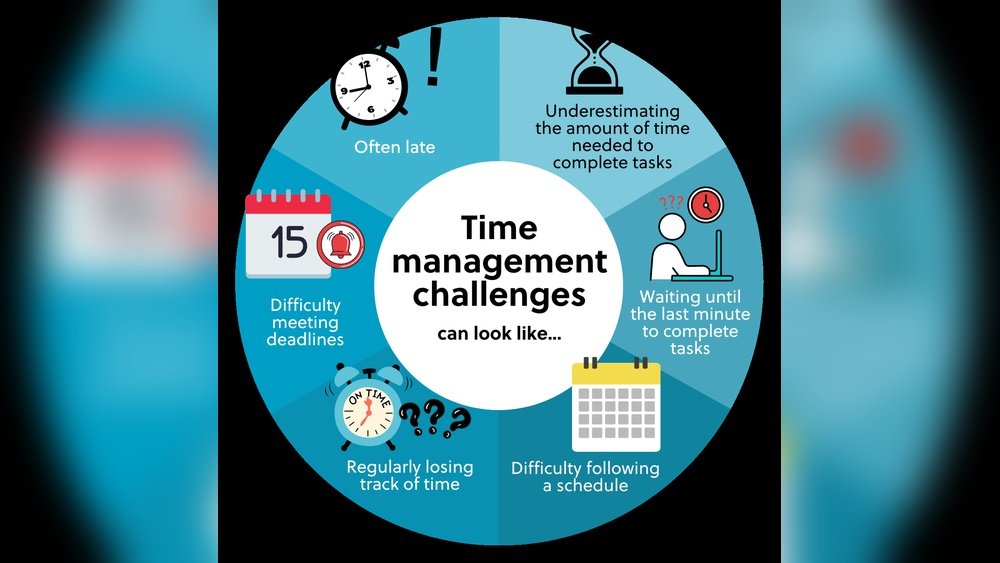
Time management is the foundation of college survival. Classes, assignments, jobs, and social events pile up fast. The earlier you build good habits, the smoother your year will be.
Build A Visual Calendar
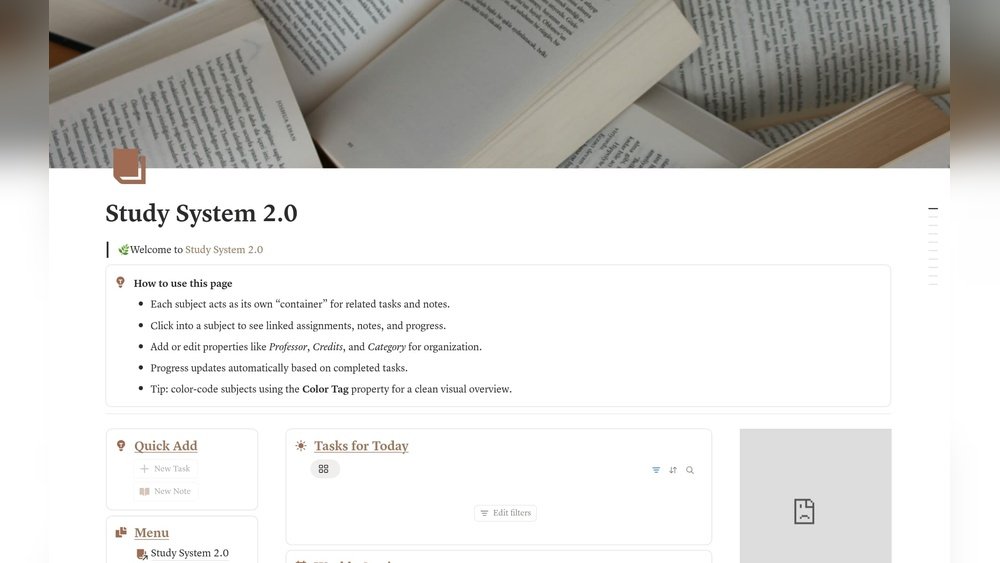
Use a digital or paper calendar. Mark all key dates: exams, assignment deadlines, club meetings. Update it weekly. This simple step prevents missed deadlines and last-minute stress.
Prioritize Tasks
Not all assignments are equal. List daily tasks by urgency. Tackle high-impact tasks first. Apps like Trello or Google Keep can help.
Pro Tip
Schedule at least one hour per week to review and adjust your plan. This keeps you flexible when things change.
Build Strong Study Habits
College studying is different from high school. Active learning beats cramming every time.
Use The Pomodoro Technique
Study in 25-minute focused blocks, then take a 5-minute break. After four blocks, reward yourself with a longer break. This method boosts concentration and reduces burnout.
Join Or Start Study Groups
Learning with peers exposes you to new ideas and helps fill gaps in your understanding. Even virtual groups can be effective.
Find Your Prime Time
Are you a morning person or a night owl? Schedule your hardest subjects when your energy is highest.
Get To Know Campus Resources
Most campuses offer free support, but many students never use them.
Academic Help
- Tutoring centers offer walk-in help for math, writing, and sciences.
- Office hours with professors are underused—bring questions or ask for advice.
Health And Wellness
- Counseling services are confidential and free for students.
- Health clinics provide basic care and referrals.
Financial Aid
- Visit the financial aid office if you have money concerns. They can explain loans, scholarships, and part-time job options.
Non-obvious Insight
Check if your library offers workshops on research or citation tools—these can save hours on papers later.
Balance Social And Academic Life
Making friends is just as important as making grades—but finding balance is key.
Say Yes (but Not Always)
Join clubs, attend campus events, or try intramural sports. Social activities help you build a support network.
Learn To Say No
It’s easy to overcommit. Protect your study time and your sleep. Remember, it’s fine to skip a party if you have an exam.
Roommate Relationships
Set boundaries early. Discuss noise, visitors, and chores. Clear communication avoids conflict.
Manage Your Money Wisely
Many freshmen overspend and run out of cash by mid-semester.
Make A Simple Budget
Track all income (allowance, job, scholarships) and expenses (books, food, transport). Use apps like Mint or a simple spreadsheet.
Avoid Credit Card Debt
Only buy what you can pay off monthly. High interest can haunt you for years.
Textbook Savings
Buy used, rent, or share with classmates. Compare prices using campus boards and online sources.
Example
A $200 textbook can often be rented for $40–$60—a huge savings over one semester.
Develop Healthy Routines
Good health supports better grades and happiness.
Sleep
Aim for 7–8 hours each night. Poor sleep leads to lower grades and more stress.
Nutrition
Don’t skip meals. Stock healthy snacks like nuts, fruit, and yogurt for late-night study sessions.
Exercise
Walk or bike to class, join fitness classes, or use the campus gym. Even 20 minutes a day helps.
Common Mistake
Many students pull all-nighters, thinking it shows dedication. In reality, chronic sleep loss reduces memory and focus.
Ask For Help When Needed
No one expects you to handle everything alone.
Academic Struggles
Talk to professors early. They appreciate students who ask for help before falling behind.
Personal Issues
If you feel homesick, anxious, or depressed, reach out to campus counseling. Most students feel this way at some point.
Peer Mentors
Many colleges offer programs pairing freshmen with upperclassmen. These mentors share advice on classes, professors, and campus life.
Navigate Homesickness And Loneliness
Missing home is normal, especially in the first months.
Stay Connected
Schedule regular calls with family and friends. Share your experiences, but also focus on building your new life.
Get Involved
Being busy reduces loneliness. Try volunteering, joining cultural groups, or attending hall events.
Data Spotlight
A 2019 survey found that students involved in at least one campus activity reported 30% higher satisfaction with their first year.

Credit: www.suu.edu
Learn Classroom Survival Skills
College lectures move fast and professors expect independent learning.
Sit Near The Front
You’ll hear better, focus more, and professors notice your effort.
Take Notes By Hand
Studies show handwriting notes improves retention over typing.
Participate
Ask questions and join discussions. This helps with understanding and makes a positive impression.
Avoid Common First-year Mistakes
Learn from those who’ve been there.
| Mistake | What to Do Instead |
|---|---|
| Skipping class | Attend every class and review notes within 24 hours. |
| Cramming for exams | Study consistently in short daily sessions. |
| Neglecting health | Keep regular sleep, exercise, and meal routines. |
| Overspending | Stick to your budget and track expenses weekly. |
| Not asking for help | Use campus resources early and often. |

Credit: www.slugbooks.com
Compare On-campus Vs. Off-campus Living
Where you live impacts your daily routine, social life, and budget.
| On-Campus | Off-Campus |
|---|---|
| Closer to classes and events Meal plans included Easy to meet people |
More independence Can be cheaper Must manage rent, bills, groceries |
| Less privacy May have rules/curfews |
Longer commute May feel isolated |
Quick Tip
If you struggle with self-motivation, on-campus housing often supports better habits.
Essential First-year Do’s And Don’ts
| Do | Don’t |
|---|---|
| Ask questions in class and office hours | Ignore academic warnings or low grades |
| Join at least one club or student group | Overcommit to too many activities |
| Keep in touch with family and friends | Shut yourself off when you feel homesick |
| Set a weekly budget and stick to it | Rely on credit cards for daily expenses |
| Take care of your health—sleep, eat, exercise | Pull frequent all-nighters |
A Callout For New Students
Stat: Students who use campus resources in their first semester are 25% more likely to stay in college and complete their degree.
Your Action Plan For Surviving Freshman Year
- Set up your calendar and enter all important dates.
- Visit campus resource centers during your first month.
- Introduce yourself to professors and advisors.
- Join one club that interests you.
- Create a simple budget and stick to it.
- Schedule weekly check-ins with yourself to track progress.
Small, consistent actions work better than big promises. Your first year is a foundation—build it strong.
For more in-depth guidance on college adjustment and student success rates, see National Center for Education Statistics.

Credit: www.bridgeport.edu
Frequently Asked Questions
What If I Fall Behind In A Class?
Reach out to your professor during office hours or by email. Use tutoring centers or study groups. Don’t wait—early action prevents bigger problems.
How Can I Make New Friends If I’m Shy?
Join clubs, attend small group activities, or volunteer. Many students feel shy at first—remember, everyone is looking to connect.
How Do I Manage Homesickness?
Stay in touch with family but focus on building new routines. Get involved on campus and give yourself time to adjust.
Are Part-time Jobs Recommended For First-year Students?
If your schedule allows, a campus job is ideal. It helps you meet people and manage time better. But academics should come first—avoid jobs over 15 hours/week.
What Should I Do If I Feel Overwhelmed Or Anxious?
Contact campus counseling services. Talk to trusted friends or mentors. Most colleges offer free mental health support—using it is a sign of strength, not weakness.
Your first year of college will challenge you, but with the right tools and mindset, you’ll lay the groundwork for a fulfilling and successful journey.