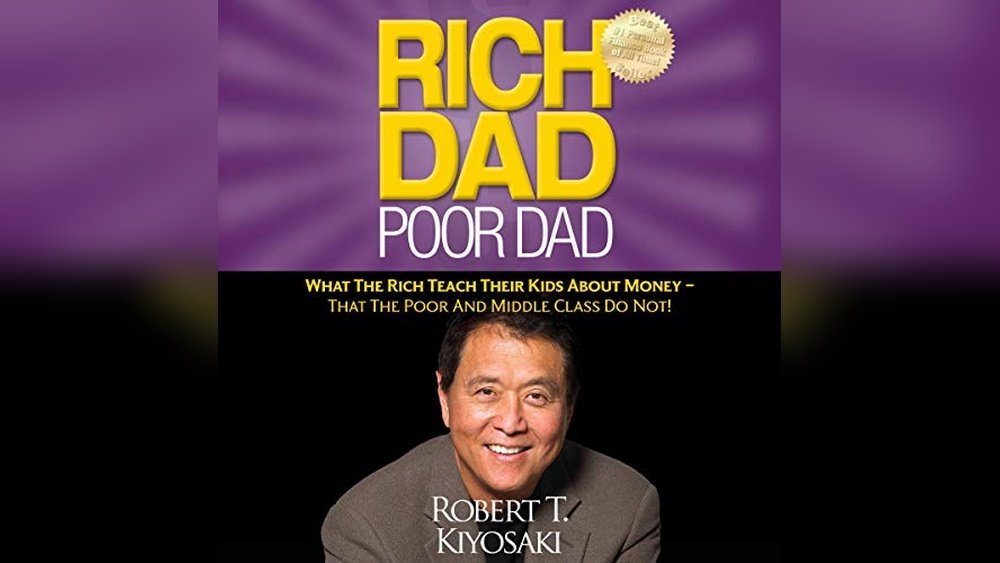
Rich Dad Poor Dad Audiobook Review — The Best First Investment for Students?
The world of personal finance can feel overwhelming for students. Many struggle to understand money, budgeting, and investing. But what if your first step could be as simple as listening? The Rich Dad Poor Dad audiobook has become a popular choice for young people who want to learn about wealth—without reading heavy textbooks. This review dives deep: Is it really the best first investment for students? Let’s break down its value, accessibility, and what students should expect.
Get 1 Free Audiobook To Keep
Start a 30-day free trial and pick any title from 700,000+ audiobooks. Your first book is yours forever, even if you cancel immediately.
The Rich Dad Poor Dad Audiobook: A Quick Overview
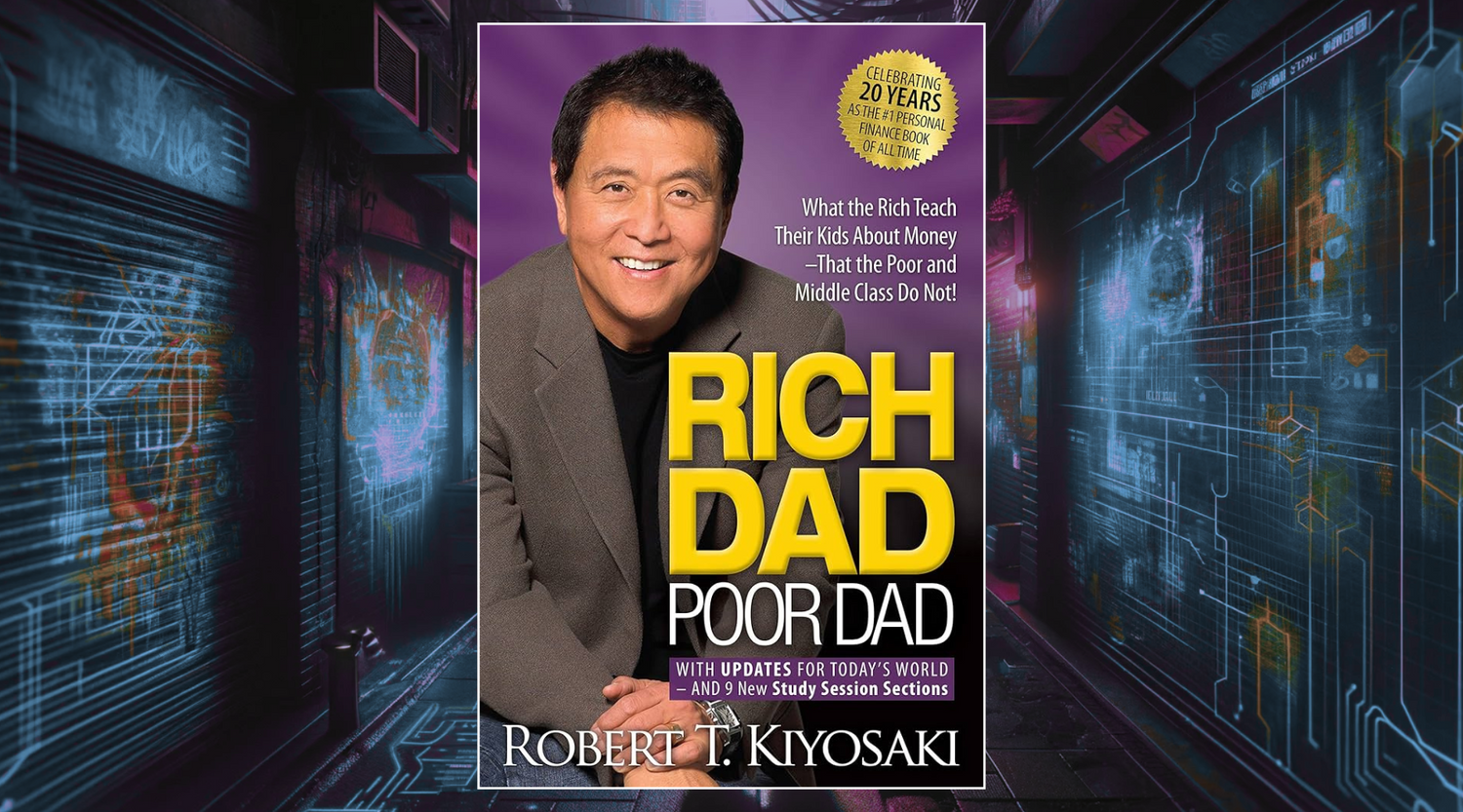
The Rich Dad Poor Dad audiobook teaches practical money lessons with real-world examples and easy language.
Robert Kiyosaki’s book, published in 1997, changed how many people think about money. The audiobook version, usually around 7 hours long, makes the content accessible for busy students—whether on the bus, during chores, or while exercising. The story compares two father figures: one rich, one poor. Each shares different views on money, work, and investing.
Why does the audiobook matter? Audio learning helps those with ADHD, low attention spans, or limited reading time. It also improves retention, as you can replay key sections. For students, it can be a smart investment—often costing less than $15 or even free on some platforms.
Key Lessons In Rich Dad Poor Dad Audiobook
The audiobook focuses on financial independence, assets vs liabilities, and the mindset needed for wealth.
The main lessons students will hear include:
- understanding The Difference Between assets And liabilities.
- why financial Education Matters More Than School Grades.
- learning How money Works, Not Just How To Earn It.
- building passive Income Instead Of Relying On Salary.
- overcoming Fear And Taking Smart Risks.
These are delivered in simple stories and analogies. Kiyosaki’s style is clear, almost conversational, making the ideas easy for students to follow.
Pro-Tip: Listen to the audiobook while commuting to school. You’ll use “dead time” to build your financial knowledge.
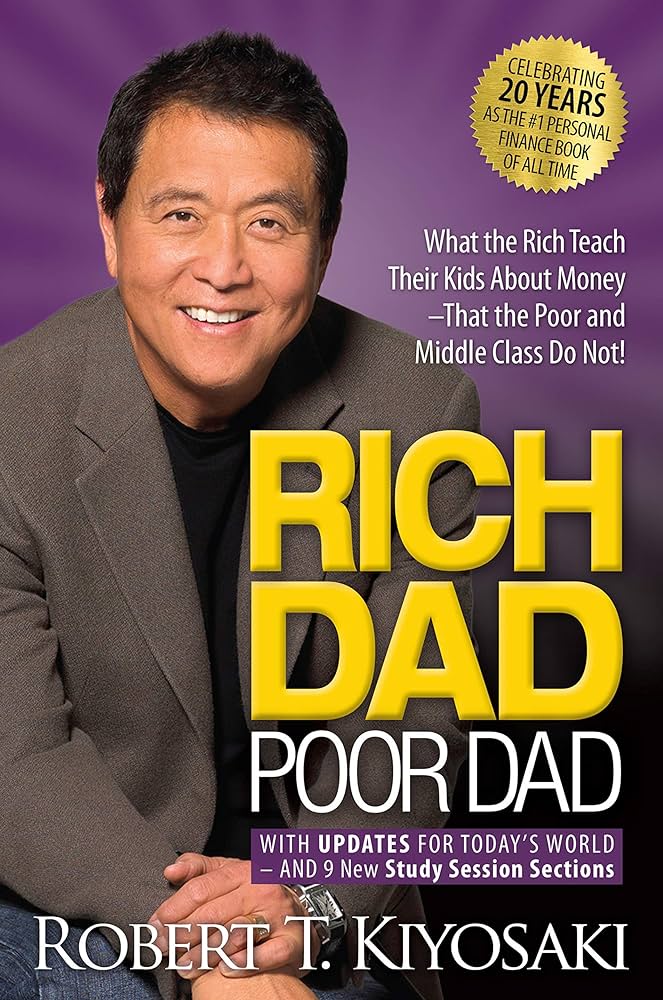
Credit: www.amazon.com
Why Audio Learning Works For Students
Audiobooks save time, boost focus, and help students retain more information.
Many students face tight schedules and distractions. The Rich Dad Poor Dad audiobook fits perfectly:
- time-saving: Listen While Multitasking—washing Dishes, Jogging, Or Waiting In Line.
- accessibility: Great For Students With Reading Difficulties Or Adhd.
- Retention: Audio repetition helps ideas stick. You can replay important sections.
- Budget-friendly: Audiobooks often cost less than print books. Some libraries and platforms offer free versions.
Audio format also allows you to adjust speed, pause, and bookmark sections. This flexibility supports different learning styles.
Is Rich Dad Poor Dad Audiobook The Best First Investment For Students?
It is a strong first step for students wanting to learn about money, but it has some limitations.
Here’s a comparison of Rich Dad Poor Dad audiobook vs other popular beginner finance audiobooks:
| Book | Length | Focus | Student-Friendly? | Cost |
|---|---|---|---|---|
| Rich Dad Poor Dad | ~7 hours | Mindset, basics, assets vs liabilities | Yes | $10–$15 |
| The Total Money Makeover | ~6 hours | Debt, budgeting | Moderate | $15–$20 |
| I Will Teach You To Be Rich | ~9 hours | Banking, investing, automation | Yes | $15–$25 |
For students, Rich Dad Poor Dad stands out for its:
- simple Language And Relatable Stories
- short Length Compared To More Technical Books
- low Cost And Wide Availability
However, it’s less detailed on topics like credit cards, taxes, or step-by-step budgeting. Students seeking practical “how to budget” guides may need to supplement with other resources.
Credit: kriminiltrading.com
Pros And Cons: Rich Dad Poor Dad Audiobook For Students
The audiobook offers strong motivation and easy concepts, but lacks detailed practical advice.
| Pros | Cons |
|---|---|
|
|
A key insight: Many students miss that the book is about mindset first, skills second. It gives you a foundation, but you must seek more practical guides after listening.
Practical Tips For Students Using The Audiobook
Students should listen actively, take notes, and supplement with real-life practice.
- Keep a notebook while listening. Write down “asset” and “liability” examples from your own life.
- pause And Replay Sections You Find Confusing.
- Discuss key ideas with friends or family to test your understanding.
- Apply one lesson immediately—like tracking your spending or finding a small investment opportunity.
Pro-Tip: Pair the audiobook with free online calculators to practice asset vs liability analysis.
Common Mistakes Students Make With Rich Dad Poor Dad Audiobook
Many students misunderstand the book’s purpose and skip practical steps.
- thinking Listening Alone Will Make You Rich. Action Is Required.
- Confusing “assets” with anything valuable (the book defines assets more strictly).
- ignoring Advice To Build Financial Education Beyond The Audiobook.
- Trying to follow every idea without adapting to your local context.
Don’t treat the audiobook as a magic solution. Use it as a starting point, not the final answer.
Who Should Listen? Target Audience And Accessibility
The audiobook is ideal for high school, college, and non-native English students interested in money basics.
- students With Limited Time Or Attention.
- young Adults Wanting A New Perspective On Money.
- english Learners—simple Words, Slow Narration.
- anyone Commuting Or Multitasking.
Platforms like Audible, Scribd, and local libraries offer easy access. Some schools even include the audiobook in their curriculum.
Audio Learning Vs Traditional Reading: Direct Comparison
Audiobooks offer flexibility and accessibility, while traditional reading gives more control and annotation options.
| Feature | Audiobook | Traditional Book |
|---|---|---|
| Retention | Audio repetition helps memory | Highlighting and notes boost recall |
| Accessibility | Great for ADHD, dyslexia, non-native speakers | Requires reading skills |
| Convenience | Listen anywhere, anytime | Need free hands, more focus |
| Budget | Often cheaper, sometimes free | Print copies can be expensive |
For many students, audiobooks are the best entry point to complex subjects.
Myths Vs Facts: Rich Dad Poor Dad Audiobook
Many believe the audiobook guarantees wealth, but real results require action and further study.
| Myth | Fact |
|---|---|
| Listening will make you rich | Only action and practical steps lead to wealth |
| Assets are anything valuable | Assets are things that put money in your pocket |
| Only business students benefit | Any student can learn key money skills |
| Audiobooks are less effective than reading | Audio learning is proven to boost retention for many |
| It’s expensive | Many platforms offer it for free or low price |
Final Verdict: Is Rich Dad Poor Dad Audiobook The Best First Investment?
For most students, the Rich Dad Poor Dad audiobook is a smart first investment in financial education.
It offers strong benefits:
- accessible Language And Practical Stories
- fits Busy Schedules And Supports Audio Learners
- provides A Mindset Shift, Encouraging Smart Money Habits
But remember, it is not a complete guide. Students should use it as a launchpad—explore budgeting, investing, and practical skills elsewhere. For a full financial education, combine listening with action and further study.
For more details on the book and its author, check the official Wikipedia page: Rich Dad Poor Dad.
Frequently Asked Questions
Is The Rich Dad Poor Dad Audiobook Good For Non-native English Speakers?
Yes, the audiobook uses simple words and clear narration, making it easy for English learners.
Can Listening To The Audiobook Help Students With Adhd Focus Better?
Audiobooks are helpful for students with ADHD because they allow multitasking and reduce the stress of reading.
How Much Does The Audiobook Cost For Students?
Most platforms offer the audiobook for $10–$15. Some libraries and student programs provide free access.
Does The Audiobook Teach Practical Budgeting Or Investing Steps?
No, it focuses on mindset and basic concepts. Students should look for additional guides to learn practical skills.
Is The Audiobook Better Than Reading The Book For Learning?
For busy students or those who struggle with reading, the audiobook is often more accessible and engaging. Reading offers deeper annotation and control, but audio is better for multitasking and retention.
Rich Dad Poor Dad audiobook can be your first investment in financial wisdom. Make sure you turn its lessons into action—then watch your understanding of money grow.
Credit: kriminiltrading.com