Audiobooks Vs Podcasts — Which Is Better for Learning Something New?
Imagine you’re stuck in traffic, washing dishes, or walking the dog. Now, think about turning those moments into learning opportunities. For many people, audiobooks and podcasts are the secret weapons for filling busy days with useful knowledge. But when your goal is to learn something new, which one truly helps you remember, understand, and enjoy the process?
Get 1 Free Audiobook To Keep
Start a 30-day free trial and pick any title from 700,000+ audiobooks. Your first book is yours forever, even if you cancel immediately.
This question matters more than ever. Audio learning saves time, fits into any lifestyle, and gives everyone—especially those with ADHD or busy schedules—a real chance to grow. Let’s break down the differences between audiobooks and podcasts, feature by feature, so you can pick the best tool for your learning journey.
Content Structure & Depth
Audiobooks offer deep, structured learning; podcasts provide variety and flexibility.
Audiobooks are usually the full text of a published book, read by a narrator. This means you get a complete, well-organized journey through a topic. Every chapter builds on the last, making it easier to understand complex ideas in order.
For example, a science audiobook will often explain basics before diving into advanced topics.
Podcasts, in contrast, range from quick 10-minute episodes to deep-dive interviews. Some are highly structured, but many are more casual and spontaneous. This makes podcasts great for exploring different viewpoints or getting “snack-sized” knowledge on the go. But sometimes, the lack of structure can make it harder to remember or connect ideas, especially on big topics.
Pro-Tip: If you learn best with step-by-step guidance, audiobooks often work better. If you like discovering new ideas in small bites, podcasts are hard to beat.
Learning Retention & Focus
Audiobooks usually help with focus and retention; podcasts are easier to revisit.
Audiobooks encourage deep listening. Because you’re following a continuous story or argument, it’s easier to get “in the zone. ” This helps listeners with ADHD or anyone who struggles to focus. You don’t have to jump between topics or styles.
Podcasts often switch topics, hosts, and tones. That’s exciting, but it can also mean more distractions. However, podcast episodes are shorter and easier to replay. If you miss something, you can quickly listen again—perfect for reviewing tricky ideas.
Pro-Tip: For people with ADHD, audiobooks’ steady flow reduces decision fatigue. But podcasts let you sample and switch, which can help maintain interest for shorter periods.
Accessibility & Convenience
Both formats are highly accessible, but podcasts are usually free and easier to start.
Audiobooks are often sold through platforms like Audible or your local library’s app. They’re great for long commutes or travel, since you can download and listen offline. Most audiobooks are several hours long, so you get lots of value from one download.
Podcasts are free and available on almost any phone or computer. You can start a new episode in seconds. Many podcast apps suggest related shows, so you can discover new topics with no cost. For people on a budget, podcasts are the most accessible way to learn by listening.
Expert Authority & Content Quality
Audiobooks are reviewed and edited; podcasts can range from expert to casual.
Audiobooks are based on published works. Authors, editors, and publishers check for accuracy. You’re getting information that’s usually fact-checked and carefully written.
Podcast quality depends on the host. Some are run by university professors or experts. Others are casual chats or opinions. This means you must choose carefully—one podcast might be a goldmine, while another could spread myths.
Engagement & Interactivity
Podcasts create a sense of community; audiobooks are immersive but solitary.
Audiobooks offer a private, immersive world. You listen and imagine, just like reading a book with your eyes. It’s personal and focused.
Podcasts often include listener questions, interviews, or call-ins. Many have social media groups where listeners discuss episodes. If you enjoy learning with others or asking questions, podcasts can feel more interactive.
Cost & Budget
Podcasts are almost always free; audiobooks require purchase or library access.
Audiobooks cost between $10 and $30, though library apps like Libby offer free borrowing. Subscription services can save money for heavy listeners.
Podcasts are free, supported by ads or donations. This makes them the best choice for budget-conscious learners.

Credit: sherpa-online.com
Direct Comparison: Audiobooks Vs Podcasts
Here’s a side-by-side look at the core features that matter for learning:
| Feature | Audiobooks | Podcasts |
|---|---|---|
| Structure & Depth | High — full book, organized | Varies — short or long, casual |
| Retention | Strong (continuous narrative) | Good for review (short, repeatable) |
| Accessibility | Paid, some free via library | Free, instant access |
| Expertise | Published, fact-checked | Mixed, must select carefully |
| Community | Solo experience | Interactive, social |
| Budget | Costs $10–$30 per book | Free (ad-supported) |
Learning On The Go: Commuting, Chores, And More
Both audiobooks and podcasts make use of “dead time” for learning.
If you have a long commute, you can finish a full audiobook in a week or two. Podcasts are perfect for short trips or quick chores—one episode per task. This flexibility is why audio learning is so popular among busy students and parents.
People with ADHD or trouble focusing often do best with audio, because it keeps the mind engaged while the body is busy. Audio learning can also reduce stress by turning boring routines into something meaningful.
Adhd, Focus, And Retention
Audiobooks offer structure; podcasts give variety for ADHD listeners.
For many people with ADHD, sticking to a single topic is tough. Audiobooks give a clear path, which lowers anxiety and helps with memory. On the other hand, podcasts offer new topics every episode, which can keep attention fresh.
Some learners use both: audiobooks for focused study, podcasts for lighter moments. Experiment to find which helps you remember and stay engaged.
Real-world Examples
Students and parents use both formats to learn faster and smarter.
- A college student listens to an economics audiobook during long bus rides, finishing a whole semester’s reading before finals.
- A parent catches up on science news podcasts while cooking, picking up quick facts to share with their kids.
- A busy professional uses podcasts on leadership for daily inspiration, then deep-dives with audiobooks on complex business skills.
Each format fits different needs and moments.
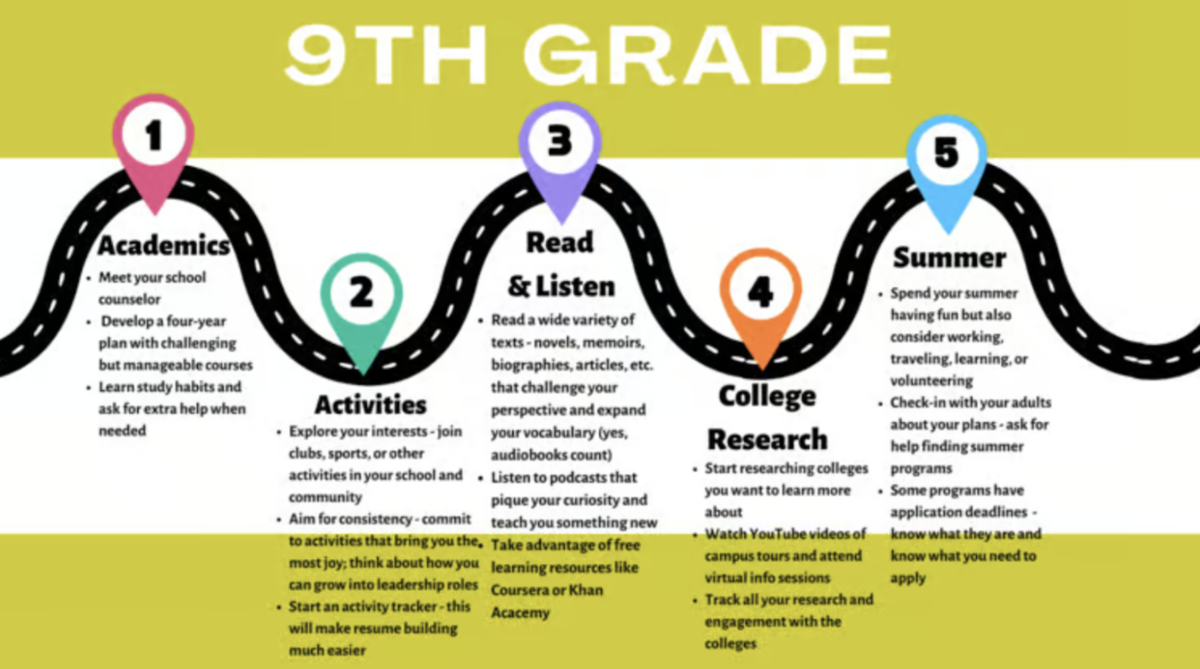
Credit: grandartshs.lausd.org
Choosing The Right Format For Your Goals
Pick audiobooks for deep dives; choose podcasts for variety and community.
To decide what’s best for you, ask:
- Do I want to master a subject or sample new ideas?
- Is my goal to pass a test, or just stay curious?
- What’s my budget for learning?
- Do I need expert, fact-checked content?
If you need a structured, in-depth experience (like studying for an exam), audiobooks win. If you like meeting experts, joining a community, or exploring many ideas, podcasts are your best choice.
Common Mistakes When Using Audio Learning
Rushing or multitasking can reduce your learning from both formats.
- Listening too fast: Many apps let you speed up playback. Going too fast can hurt understanding and memory. Try 1.25x or 1.5x, but don’t sacrifice clarity for speed.
- Not reviewing: Take notes or replay parts. Especially for audiobooks, pausing to think helps information stick.
- Choosing poor-quality content: Check reviews and sources before investing time. Not all podcasts or audiobooks are accurate.
- Multitasking with complex tasks: Some chores (like driving or cooking) are great for listening. Avoid audio learning during tasks that need full focus, like important meetings.
- Ignoring your learning style: Some people learn best with visuals or writing. Use audio as a supplement if you need to see info.
Pro-Tip: Combine audio with notes or summaries for the best results. Even a quick voice memo can double your retention.
Comparison Table: Which Is Better For Each Situation?
Here’s a quick look at which format shines in different scenarios:
| Situation | Best Format | Why |
|---|---|---|
| Deep learning for exams | Audiobooks | Structured, full coverage |
| Discovering new topics | Podcasts | Short, diverse episodes |
| Learning on a budget | Podcasts | Free access |
| Long commutes | Audiobooks | Hours of content per title |
| Engaging with experts/community | Podcasts | Listener questions, social |
Myths Vs Facts About Audio Learning
Many people believe myths about audiobooks and podcasts. Here’s the truth:
| Myth | Fact |
|---|---|
| “You can’t remember as much from audio.” | Studies show listening can match reading for retention when you focus. |
| “Podcasts are less serious than audiobooks.” | Many podcasts feature leading experts and researchers. |
| “Audio learning is only for busy people.” | Audio helps all learners, including those with ADHD or reading challenges. |
| “Audiobooks are too expensive.” | Library apps and subscriptions make audiobooks affordable or free. |
| “Podcasts lack structure.” | Some podcast series are highly organized and offer in-depth learning. |
Credit: sarahraedraws.substack.com
The Winner: Which Is Better For Learning Something New?
Audiobooks are best for deep, structured learning; podcasts are ideal for curiosity and community.
If you want to become an expert on a topic, audiobooks give you a clear path. For exploring, staying updated, or connecting with others, podcasts are unbeatable. Many learners use both, switching formats based on their goals and daily routines.
The smartest strategy? Try both, and pay attention to what helps you remember and stay interested. Learning is personal—choose the format that fits your life.
For more research on audio learning and retention, check the Wikipedia Audiobook page.
Frequently Asked Questions
Is It Easier To Remember Information From Audiobooks Or Podcasts?
Both can help you remember, but audiobooks often work better for deep topics because of their structure.
Are Podcasts Really Free To Use?
Yes, most podcasts are free. You can listen on your phone or computer without paying.
Can Audiobooks Or Podcasts Help People With Adhd Focus?
Yes. Audiobooks give structure, while podcasts offer variety. Try both to see which helps you focus.
What’s Better For Learning On A Commute?
Audiobooks are best for long trips. Podcasts are great for short drives or errands.
How Do I Pick Quality Podcasts Or Audiobooks For Learning?
Look for expert hosts or authors, positive reviews, and clear descriptions. Check sources before investing time.
Learning with your ears is a powerful way to grow—choose the format that matches your needs and enjoy the journey.