Have you ever stared at a statistics problem and felt completely lost? Numbers and formulas can quickly become overwhelming.
You might have spent hours flipping through textbooks that only made things more confusing. It’s frustrating when you want to learn but don’t know where to start. Choosing the right statistics textbook can change everything. The right book breaks down tough ideas into simple steps.
Get 1 Free Audiobook To Keep
Start a 30-day free trial and pick any title from 700,000+ audiobooks. Your first book is yours forever, even if you cancel immediately.
It makes studying less stressful and more enjoyable. With clear explanations and helpful examples, you can build your confidence day by day. We’ll explore the best statistics textbooks for beginners. These picks can make learning easier and even fun. If you’re ready to find a book that truly helps you understand statistics, keep reading. You’re about to discover resources that can support your journey from confusion to clarity.

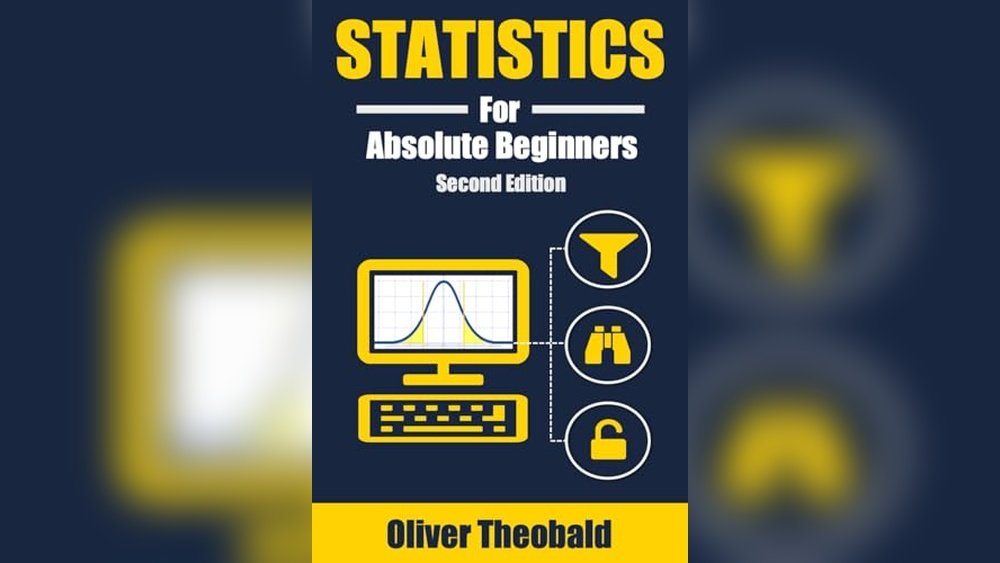
1. Statistics for Absolute Beginners (Second Edition) (Learn Statistics & Probability Books for Beginners)
- Brand: Independently Published
- Manufacturer: Independently published
- Dimensions: Height: 9.0 inches Width: 0.4 inches Length: 6.0 inches Weight: 0.5291094288 Pounds `
- Number of Pages: 157
- Publication Date: 2020-06-18T00:00:01Z
Statistics for Absolute Beginners (Second Edition) makes learning easy and clear. The book uses simple language and step-by-step explanations. Readers feel confident as they move through each chapter. It breaks down complex ideas into small, manageable parts. Many enjoy the friendly tone that makes math less scary. The examples are relatable and help you understand real-life data. It’s a great companion for anyone new to statistics. The book encourages slow and steady progress. You can learn at your own pace without feeling rushed. This edition updates content to stay helpful and relevant. It’s a warm guide that builds your skills gently and surely.
Advantages
- Clear explanations help beginners understand statistics easily.
- Step-by-step examples make learning probability simple and fun.
- Covers basic concepts without using difficult words or math.
- Builds confidence for students starting their statistics journey.
- Useful for school, college, or self-study purposes.
Disadvantages
- Some explanations may feel too brief for complete beginners.
- Examples focus mainly on basic topics, lacking advanced practice.
- Visual aids are limited, which might slow down learning.
- Exercises sometimes lack detailed solutions for self-checking.
- Terminology can be confusing without prior math knowledge.
Our Recommendations
This book explains statistics in a clear and simple way. Each topic is broken down into easy steps. Readers can follow along without feeling lost. The examples are practical and help to understand concepts quickly. It covers basics well, making it great for beginners. The second edition has improved explanations and updated content. Exercises at the end of chapters help to practice what you learn. A helpful guide for anyone starting with statistics and probability.

2. Statistics For Dummies (For Dummies (Lifestyle))
- Brand: For Dummies
- Manufacturer: For Dummies
- Dimensions: Height: 9.098407 Inches Width: 0.999998 Inches Length: 7.299198 Inches Weight: 1.7196056436 pounds `
- Edition: 2
- Number of Pages: 416
- Publication Date: 2016-06-07T00:00:01Z
Statistics For Dummies is easy to read and understand. It breaks down complex ideas into simple steps. The book feels like a friendly guide, not a textbook. Readers enjoy how it explains concepts clearly and without confusion. It makes learning statistics less stressful and more enjoyable. The examples are practical and help connect theory to real life. Many find it helpful for school, work, or personal growth. It builds confidence by making stats feel manageable and useful. This book is a great companion for anyone wanting to learn at their own pace.
Advantages
- Clear explanations make learning statistics easier for beginners.
- Simple examples help understand complex math concepts quickly.
- Step-by-step guides support solving real-life problems confidently.
- Covers key topics needed for school, work, or daily use.
- Easy language builds confidence without confusing technical terms.
Disadvantages
- Some topics are explained too briefly for beginners’ full understanding.
- Examples may feel outdated or less relevant to current data trends.
- Limited practice problems make it hard to test knowledge effectively.
- Complex terms sometimes appear without enough simple explanation.
- Not suitable for advanced statistics or deep mathematical detail.
Our Recommendations
This book makes statistics easy to understand for beginners. Clear explanations help with difficult concepts. Each chapter breaks down ideas into small, simple parts. Examples are helpful and relate to everyday life. The writing style is friendly and not too technical. It builds confidence for those new to statistics. Practice questions improve learning and recall. A handy guide for students or anyone curious about stats. Quick to read and easy to follow. Perfect for a first look at statistics.

3. Introduction to Probability, Statistics, and Random Processes
- Brand: Kappa Books Publishers
- Manufacturer: Kappa Research, LLC
- Dimensions: Height: 9.69 inches Width: 1.68 inches Length: 7.44 Inches Weight: 2.89026025482 Pounds `
- Number of Pages: 746
- Publication Date: 2014-08-24T00:00:01Z
This book makes learning probability and statistics clear and enjoyable. The explanations are simple and easy to follow. It helps you understand random processes step by step. You feel confident as you progress through each chapter. Many readers like how the examples relate to real life. It creates a friendly and supportive learning experience. The clear layout makes studying less stressful and more rewarding. This product is a helpful companion for students and professionals alike.
Advantages
- Builds a strong foundation in probability and statistics concepts.
- Helps understand data patterns and make better decisions.
- Explains random processes clearly for practical real-world use.
- Improves skills for fields like engineering, science, and finance.
- Supports learning with easy examples and step-by-step methods.
Disadvantages
- Some topics can feel complex and hard to follow.
- Exercises may require extra time to fully understand.
- Limited real-world examples for practical learning.
- Not all chapters explain concepts in simple words.
- Few visual aids to support difficult ideas.
Our Recommendations
This book explains probability and statistics in a clear and simple way. Each topic has easy examples to follow. Concepts about random processes are well covered and easy to understand. The writing style is straightforward and helps build confidence. Exercises at the end of chapters make learning practical and fun. Perfect for beginners who want to learn step by step. The book keeps me interested without confusing me with hard words. A helpful guide for students and self-learners alike.

4. Statistics for Beginners: The Ultimate Step by Step Guide to Acing Statistics
- Manufacturer: EffortlessMath.com
- Dimensions: Height: 11.0 inches Width: 1.05 inches Length: 8.5 inches Weight: 2.9 pounds `
- Number of Pages: 465
- Publication Date: 2024-02-19T00:00:01Z
Statistics for Beginners: The Ultimate Step by Step Guide to Acing Statistics feels friendly and clear. It breaks down tough ideas into easy steps. The guide uses simple words and examples that make learning smooth. Readers enjoy the calm pace and helpful tips. It builds confidence with each chapter. The book makes statistics feel less scary and more manageable. Many find it a reliable companion for study and practice. It helps users understand concepts without stress. Overall, it creates a positive learning experience.
Advantages
- Clear explanations make statistics easy to understand for beginners.
- Step-by-step guidance helps learners build confidence quickly.
- Practical examples show how to apply statistics in real life.
- Simple language ensures readers grasp key concepts without struggle.
- Progressively structured lessons support steady learning and retention.
Disadvantages
- Some topics may feel too basic for readers with prior knowledge.
- Explanations can be brief, leaving little room for deep understanding.
- Lack of interactive examples may slow down the learning process.
- Occasional use of technical terms might confuse beginner learners.
- Exercises provided might not cover all real-life statistics problems.
Our Recommendations
This book makes learning statistics simple and clear. Each step is easy to follow. The examples help me understand tough ideas quickly. It explains terms in a way that is not confusing. I felt more confident solving problems after reading it. The guide is perfect for beginners who want clear lessons. It does not overwhelm with too much information at once. I liked the way it breaks down each topic into small parts. Reading this book helped me enjoy statistics more. Definitely a helpful resource for anyone starting with statistics.

5. Statistics with R: A Beginner’s Guide
- Brand: Sage Publications
- Manufacturer: SAGE Publications Ltd
- Dimensions: Height: 9.52754 inches Width: 1.01 inches Length: 6.6929 inches Weight: 1.6314207388 pounds `
- Edition: Second
- Number of Pages: 448
- Publication Date: 2022-11-21T00:00:01Z
Statistics with R: A Beginner’s Guide feels welcoming and easy to follow. The lessons are clear and step-by-step. Users enjoy learning at their own pace without feeling overwhelmed. The friendly tone makes complex ideas simple and understandable. Practice exercises help build confidence quickly. Many appreciate how the book connects theory with real examples. It feels like having a patient teacher by your side. This guide makes starting with R and statistics a pleasant experience.
Advantages
- Clear explanations make learning statistics with R easy and simple.
- Step-by-step examples help beginners understand data analysis quickly.
- Practical exercises improve skills in using R for real tasks.
- Covers basic to important topics, building strong statistical knowledge.
- Helps users apply statistics confidently in school, work, or projects.
Disadvantages
- Some examples may be too basic for advanced learners.
- Limited real-world data sets for practice and application.
- Explanations occasionally lack depth for complex topics.
- R programming steps might feel slow for quick readers.
- Few exercises to reinforce learning after each chapter.
Our Recommendations
This book makes learning statistics with R simple and clear. Each chapter explains ideas in easy steps. I liked the examples—they helped me understand better. The writing feels friendly, not too hard or technical. Exercises at the end of chapters helped me practice well. Perfect for beginners who want to start using R for stats. The book moves at a good pace, not too fast or slow. Charts and tables are helpful and easy to read. I feel more confident using R after reading this guide. A great choice for anyone new to statistics or R programming.

6. The Art of Statistics: How to Learn from Data
- Brand: Basic Books
- Manufacturer: Basic Books
- Dimensions: Height: 8.3 inches Width: 1.45 inches Length: 5.5 inches Weight: 2.314853751 pounds `
- Number of Pages: 448
- Publication Date: 2021-08-17T00:00:01Z
The Art of Statistics: How to Learn from Data feels like a friendly guide through numbers. It explains ideas clearly and simply. Readers enjoy how it makes statistics less scary and more interesting. The book uses real-life examples that connect well with everyday experiences. It helps people understand data step by step, building confidence. Many find it both useful and enjoyable to read. This book turns learning into a calm and rewarding journey.
Advantages
- Understand data clearly with simple and easy explanations.
- Learn to make better decisions using real-world examples.
- Gain skills to read charts and graphs confidently.
- Build a strong foundation for studying statistics further.
- Apply knowledge to everyday problems and work situations.
Disadvantages
- Some explanations can feel too detailed for beginners.
- Examples mostly focus on Western data sets and contexts.
- Limited practice exercises make applying concepts harder.
- A few chapters assume basic math knowledge already.
- Dense sections may slow down readers who want quick tips.
Our Recommendations
This book makes statistics easy and clear. Concepts are explained with simple examples anyone can follow. Every chapter builds understanding step by step, which helped me learn quickly. The author writes in a friendly style, not too hard or boring. Great for students or anyone curious about data. I enjoyed reading and felt more confident with numbers afterward. A useful guide for real-life data questions and problems.
Frequently Asked Questions
What Are The Best Textbooks For Beginners In Statistics?
Good beginner textbooks explain basics clearly and use simple examples. Look for books that cover descriptive stats, probability, and basic inference.
How Can A Textbook Help Me Understand Statistics Better?
A textbook offers step-by-step lessons and practice problems. This helps build strong foundations and improves problem-solving skills.
Which Topics Should Beginner Statistics Books Include?
Key topics are data collection, averages, probability, distributions, and hypothesis testing. These build a solid understanding of statistics.
Are Beginner Statistics Textbooks Suitable For Self-study?
Yes, many beginner books are designed for self-learners. They have clear explanations and exercises to practice concepts independently.
Buying Guide On Best Statistics Textbooks For Beginners
1. Choose Books with Clear Explanations
Books that explain concepts simply help beginners understand better. Avoid books full of jargon or complex words. Look for those with easy examples and step-by-step guides.
2. Check for Practice Problems
Practice problems allow learners to apply what they read. Books with exercises and answers help improve skills. Choose those with varied problems for better learning.
3. Look for Visual Aids
Charts, graphs, and illustrations make statistics easier to grasp. Visuals help explain tough ideas quickly and clearly. Select books that include plenty of images and diagrams.
4. Consider the Book’s Level
Beginners need textbooks designed for their skill level. Avoid advanced books that assume prior knowledge. Start with books labeled “beginner” or “introductory.”
5. Review the Author’s Background
Authors with teaching experience write clearer textbooks. Experts in statistics often provide practical insights. Check author credentials and reviews for trustworthiness.
6. Evaluate the Book’s Layout
Good layout makes reading easier and less tiring. Look for well-organized chapters and headings. Clear fonts and spacing improve focus and comprehension.
7. Seek Updated Content
Statistics changes over time with new methods and tools. Choose books published recently or with updated editions. This ensures learning current and relevant information.
8. Consider Supplementary Materials
Extra resources like online quizzes or videos enhance learning. Some textbooks come with companion websites or CDs. These materials support different learning styles.
9. Read User Reviews
Feedback from other beginners reveals book strengths and weaknesses. Reviews help decide if a book suits your needs. Look for comments on clarity and usefulness.
10. Match Book to Learning Goals
Different books focus on theory, application, or both. Choose one that fits your purpose, such as school, work, or self-study. Clear goals lead to better book choices.
Conclusion
Choosing the right statistics textbook can make learning easier and more fun. The books on this list cover basic ideas clearly. They use simple words and examples that beginners will like. Reading a good textbook helps build strong skills step by step.
Practice and patience are key to understanding statistics well. Remember, everyone learns at their own pace. Keep trying and don’t give up. With the right book, you can feel confident about statistics. Start with one that fits your style and needs.
Soon, you will see progress and enjoy the subject more. Learning statistics opens doors to many opportunities in school and work. So, pick a book and begin your journey today. Simple, clear, and friendly books make all the difference. Keep learning and growing your knowledge one step at a time.