Back-to-school time isn’t just about buying new notebooks—it’s a chance to build habits that set students up for a strong year. Did you know organized students are 40% more likely to achieve higher grades and lower stress, according to a 2023 survey by the American Psychological Association?
Whether you’re starting middle school or heading to college, mastering organization now can make every assignment, test, and deadline easier to manage.
This guide delivers practical, step-by-step back to school organization tips for students. You’ll find easy strategies, real-life examples, and simple tools so you can stay on top of your work—without feeling overwhelmed.
Set Up A Dedicated Study Space
The right environment can boost focus and productivity. Start by choosing a quiet area with good light. Avoid places with distractions like TVs or high-traffic zones. A small desk in your room or a corner of the dining table can work well.
Add essentials: notebooks, pens, charger, and a lamp. Keep only what you need. Too many items can create clutter and distraction. For college students, a foldable desk organizer helps keep things tidy in small dorm rooms.
Pro tip: Personalize your space with a calendar, motivational quote, or small plant. A pleasant workspace makes you more likely to use it.
Common Mistake: Overcrowding The Desk
Don’t fill your study area with every school supply you own. Store less-used items elsewhere and rotate in only what’s needed for current tasks.
Use A Planner Or Digital Calendar
Tracking assignments is easier when you use a single planner or app. Paper planners are simple and let you jot down quick notes. Digital calendars, like Google Calendar, can send reminders to your phone.
Steps:
- Write down all major due dates from your syllabus.
- Add weekly homework, tests, and project checkpoints.
- Set reminders a few days before big deadlines.
Example: Mark “Math Test” on September 12th, and add a reminder on September 10th to start reviewing.
Pro tip: Check your planner each morning and evening.
Organize Your Supplies
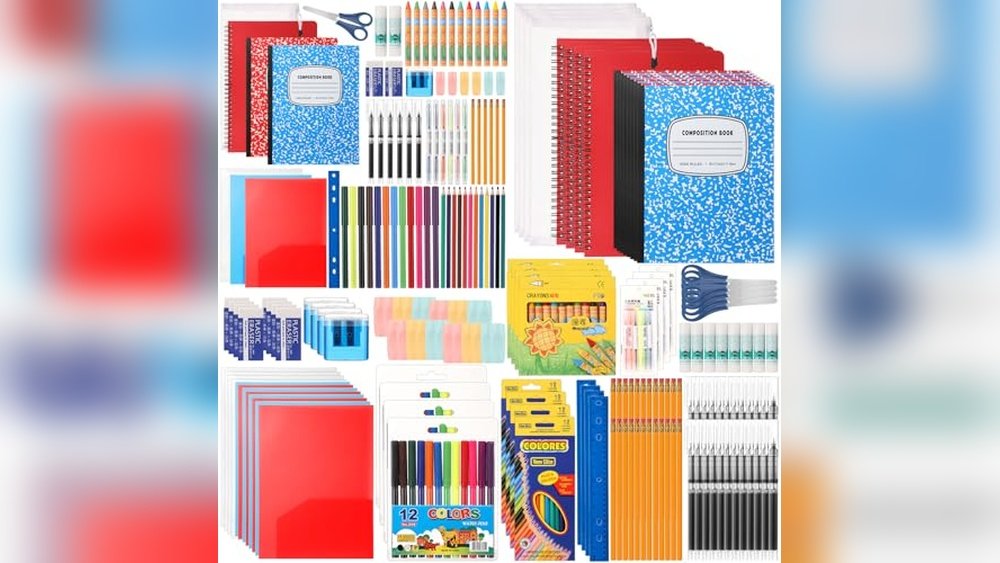
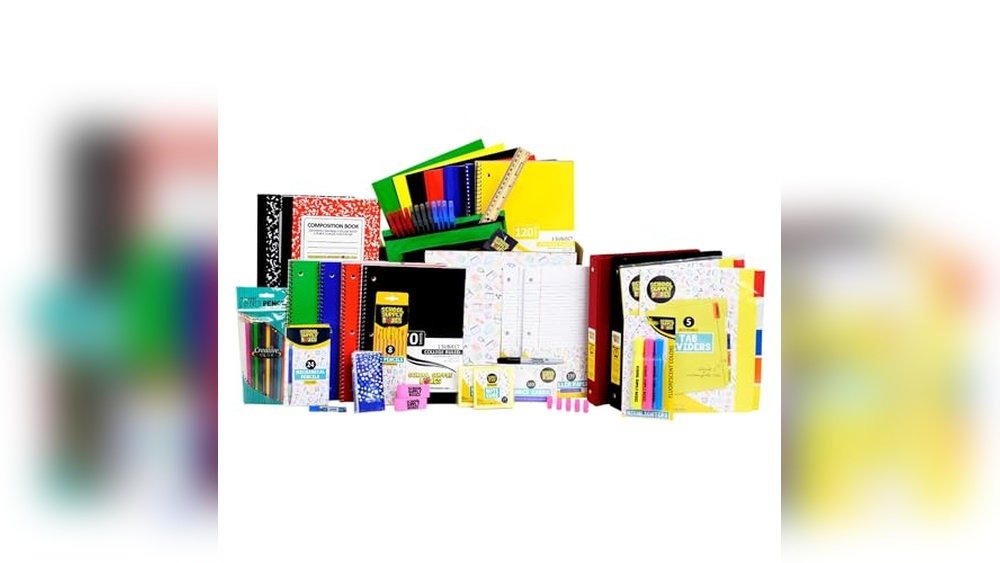
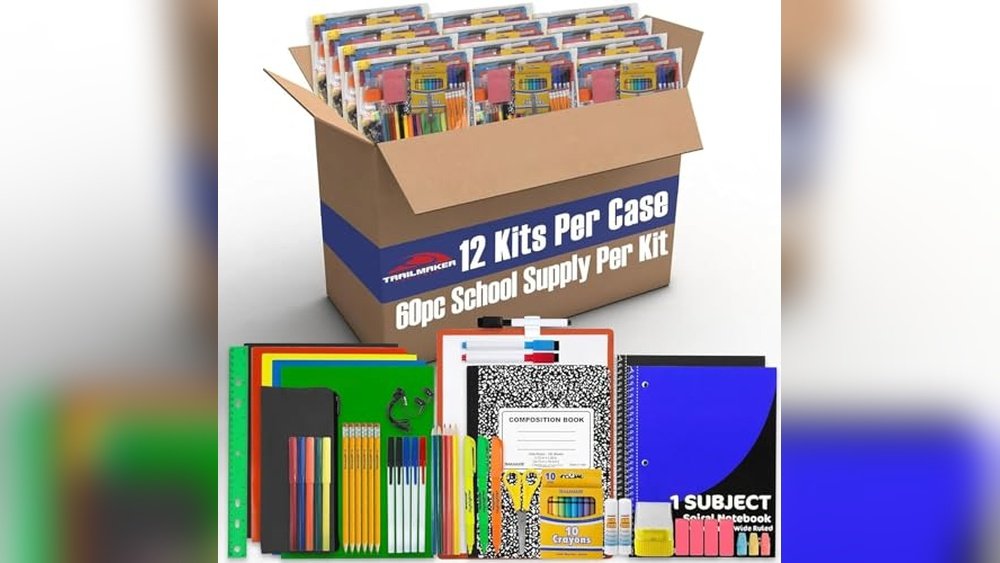
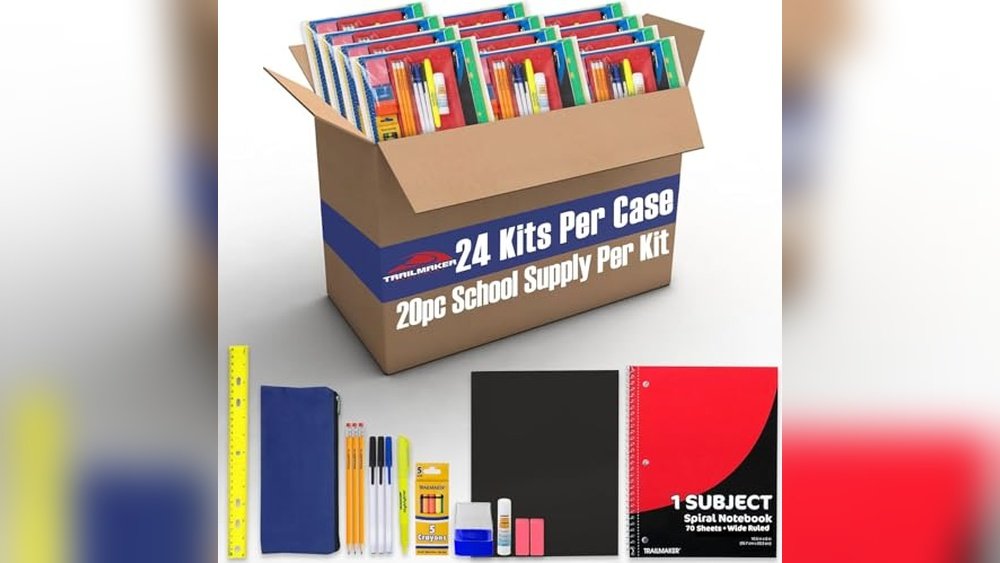
Keeping supplies sorted saves time. Use labeled bins, pencil cases, or desk drawers to separate:
- Writing tools (pens, pencils, highlighters)
- Paper (notebooks, loose-leaf, sticky notes)
- Electronics (chargers, headphones, flash drives)
For younger students, color-code folders by subject. For older students, digital folders on your computer or cloud storage are key. Create one main folder per subject, and name files clearly (e. g. , “History_Essay1_Draft”).
Supply Setup: Essential Vs. Optional
| Essential Supplies | Optional Extras |
|---|---|
| Notebooks, Pens, Highlighters, Folders | Index Cards, Sticky Notes, Washi Tape, Whiteboard |
| Backpack, Calculator, Laptop/Tablet | Colored Markers, Binder Clips, Desk Lamp |
Store essentials within reach; extras can be kept in a drawer or supply box.
Master The To-do List
A daily to-do list keeps you focused. Each night, list tasks for the next day. Break big assignments into smaller steps (e.g., “Read Chapter 2” instead of “Study Science”).
Prioritize: Number tasks by importance or deadline. Start with harder or urgent items when your energy is highest.
Quick start tip: Use sticky notes for 3 top tasks and move them as you finish.
Build A Simple Filing System
Paper piles up fast. Use a folder or binder for each subject. For digital files, create folders for each class and save documents with clear names.
Example: “Biology_LabReport_Sept15”
Clear out old papers each month to avoid clutter.
Create A Visual Schedule
A wall calendar or whiteboard helps you see your week at a glance. Use color-coded markers for different classes or activities. Mark important dates, test days, and project deadlines.
Stat box:
Students using visual schedules report a 30% drop in missed assignments (National Education Association, 2022).
Hang your schedule where you see it daily. Update as plans change.
Use Timers And The Pomodoro Technique
Staying on task is easier with timed study sessions. The Pomodoro Technique is simple:
- Set a timer for 25 minutes—work without interruption.
- Take a 5-minute break.
- Repeat for four sessions, then take a longer break.
This method helps fight procrastination and keeps your brain fresh.
Mistake to avoid: Skipping breaks. Short rests improve memory and focus.
Organize Your Backpack Or School Bag
A messy bag wastes time and causes lost homework. Clean out your bag weekly. Use small pouches for pens, tech, and snacks. Place heavier books near your back for comfort.
Checklist:
- Homework folder
- Pencil case
- Water bottle
- Planner
- Mask/hand sanitizer (if needed)
Tip: Check your bag each night so you’re ready for the morning.
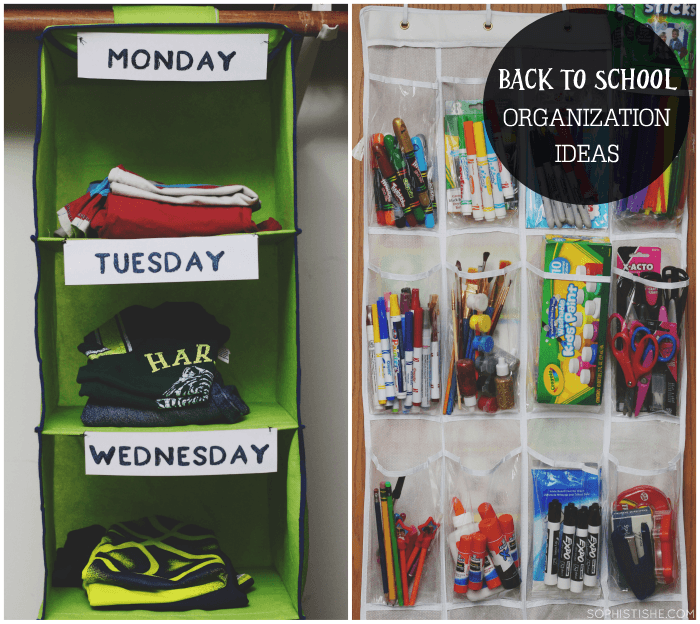
Credit: iriemade.com
Plan Weekly Reviews
Set aside 10–20 minutes each week to review your planner, notes, and upcoming deadlines. This habit helps catch missing assignments early and keeps you ahead.
During your review:
- Update your to-do list.
- Sort papers.
- Preview major tests or projects.
Example: Sunday evening is a great time for a weekly review.
Use Apps For Extra Help
Many free or affordable apps boost student organization. Top choices include:
- Google Keep: Quick notes and checklists.
- Evernote: Save class notes in one place.
- Trello: Visual boards for tracking projects.
For time management, try Forest or Focus Booster.
Resource box:
Check your school’s website for recommended apps. Some offer free premium versions for students.
Prepare Outfits And Supplies In Advance
Mornings are smoother when you prepare the night before. Lay out clothes, pack your bag, and fill your water bottle. For younger students, use a “launch pad”—a basket or shelf with everything needed for the next day.
Pro tip: Make it a nightly routine to avoid forgetting items.
Set Goals And Track Progress
Setting clear goals keeps you motivated. Choose one academic and one personal goal each term (e.g., “Raise math grade to B+” or “Read one book per month”).
Track progress in your planner. Reward yourself when you reach milestones—a small treat or extra free time works well.
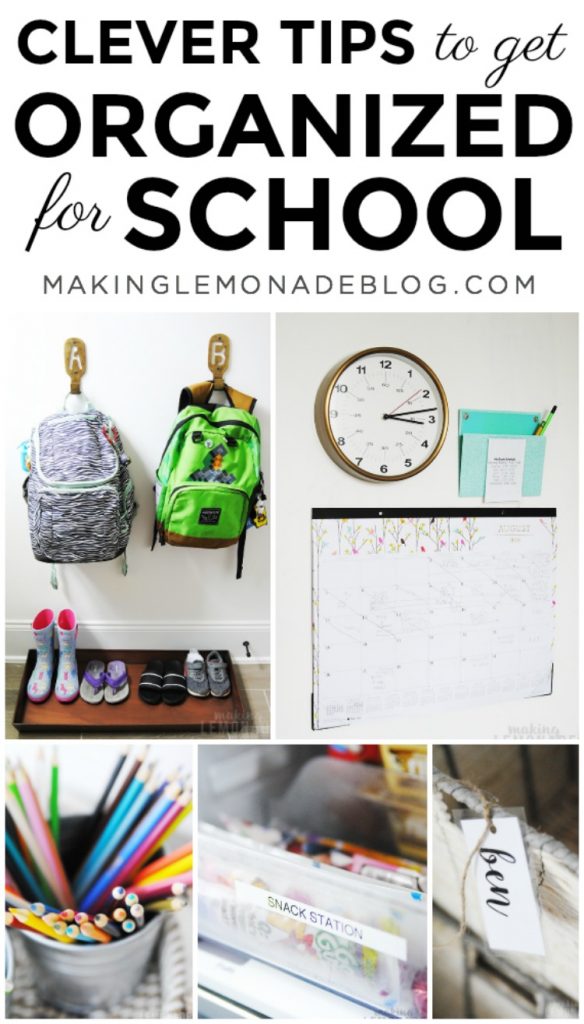
Credit: makinglemonadeblog.com
Practice Time Blocking
Time blocking means scheduling specific hours for study, sports, chores, and rest. It helps you avoid overbooking and creates balance.
Example schedule:
| Time | Activity |
|---|---|
| 4:00–5:00 pm | Homework |
| 5:00–5:30 pm | Break/Snack |
| 5:30–6:30 pm | Study or Reading |
| 6:30 pm onwards | Free Time/Family |
Adjust blocks as needed for sports or part-time jobs.
Avoid Multitasking
Trying to do too many things at once reduces quality. Focus on one task, then move to the next. Silence notifications and put your phone face down during study sessions.
Stat box:
A Stanford study showed multitasking can lower student performance by 20%.
Regularly Declutter
Clutter builds stress and wastes time. Every month, clear out old notes, broken pens, and unused files. Donate or recycle unneeded items.
Do’s and Don’ts Table
| Do | Don’t |
|---|---|
| Declutter monthly | Wait until things overflow |
| Donate or recycle | Throw everything in the trash |
| Update digital folders | Leave old files mixed with new |
Ask For Help Early
If you’re struggling to stay organized, talk to your teacher, counselor, or parent. They may suggest tips, tools, or checklists that work for you. Don’t wait until grades drop.
Resource: For more organization strategies, visit the American Psychological Association.
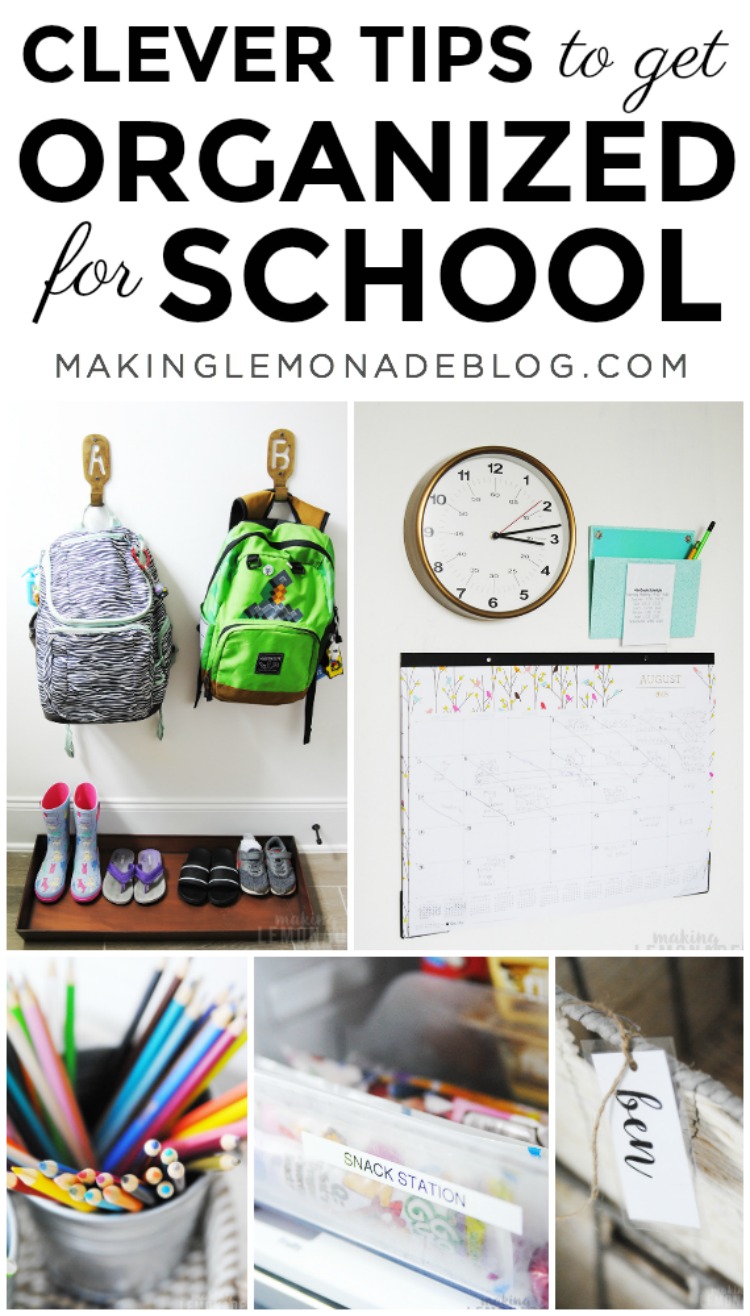
Credit: makinglemonadeblog.com
Key Takeaways
- Organize early—set up your space, planner, and supplies before school starts.
- use Tools Like Planners, Apps, And Checklists Daily.
- review Your System Weekly And Adjust As Needed.
- ask For Help If You Fall Behind—everyone Needs Support Sometimes.
Building strong organization skills now saves time, reduces stress, and helps you reach your goals—both in school and beyond. Try a few tips this week and see what works best for you.
Frequently Asked Questions
What Is The Best Way To Keep Track Of Assignments?
Use one main planner or digital calendar. Write down all due dates and check it daily. Set reminders for major tests or projects.
How Do I Stay Organized If I Have A Lot Of Activities?
Time blocking helps. Schedule study, sports, and free time. Review your calendar weekly and adjust as needed.
Should I Use Paper Or Digital Tools For Organization?
Choose what fits your style. Paper planners are simple; digital tools send reminders and are easy to update. Some students use both.
How Often Should I Clean My Backpack And Desk?
Clean both at least once a week. Remove old papers and supplies. Regular cleaning prevents lost homework and clutter.
What If I Get Behind In Organizing?
Ask for help early—from teachers, family, or friends. Start small: organize one folder or subject at a time. Progress builds confidence.
Taking charge of your organization now means less stress and better results all year. Every small step helps you succeed.