Every year, college students spend hundreds of hours listening to lectures—but research shows 60% forget most details within a day if they do not take effective notes. The right note taking method is not just about writing fast; it’s about boosting memory, organizing ideas, and saving revision time. With so many options, how do you choose the best approach for your learning style and workload? This guide breaks down the most powerful, practical note taking methods used by top students, showing you exactly how to apply them for better grades and less stress.
Why Note Taking Methods Matter
Good notes do more than help you remember facts. Studies found that students who use structured note taking score up to 34% higher on tests compared to those who just listen or read passively. Methods like the Cornell and Mapping systems help your brain organize complex material, making review faster and exams less overwhelming. They’re not one-size-fits-all—finding your style will save hours and help you keep up even in your toughest classes.
One thing most students don’t realize is that note taking is a skill, not just a habit. The effort you put into organizing and reviewing your notes creates stronger mental connections. For instance, rewriting or summarizing notes soon after class can double your recall rate.
Many students also overlook that how you take notes often shapes how you think about the subject. A method that encourages questions, like Cornell, helps you process and critically analyze, not just memorize.
Stat: Over 70% of college students say better notes improved their grades in at least one subject.
Top 7 Note Taking Methods For College Students
Let’s break down the most effective methods—how they work, where they shine, and tips for getting started.
1. The Cornell Method
The Cornell Method splits each page into three sections: notes, cues, and summary.
How it works:
- Draw a vertical line 2.5 inches from the left edge for cues.
- Take detailed notes on the right.
- Use the cues section for keywords or questions after class.
- Write a brief summary at the bottom.
Best for: Science, history, or any class with lots of info.
Pro tip: After lectures, fill in cues and summary. This boosts retention by up to 50%.
Example:
In a biology class, your notes might detail the process of photosynthesis. Cues could be “Key enzymes?” and your summary: “Photosynthesis converts light to energy.”
A non-obvious benefit of the Cornell Method is that it makes self-testing easier. By covering the notes section and looking only at your cues, you can quiz yourself and check your understanding quickly.
Common mistake: Skipping the summary—this cuts your retention nearly in half.
2. The Outlining Method
Outlining uses bullet points and indenting for main ideas and supporting details.
How it works:
- Write main points on the margin.
- Indent secondary ideas underneath.
- Use numbers or letters for structure.
Best for: Classes with clear structure (like economics or literature).
Pro tip: Review outlines weekly—this makes exam prep faster.
Example:
- Causes of World War I
- Economic competition
- Alliance system
Many students don’t realize that outlines can also help spot gaps in your understanding. If you can’t find supporting points for a main idea, it’s a clue to ask questions or review that topic.
Common mistake: Overcrowding details—keep to keywords, not full sentences.
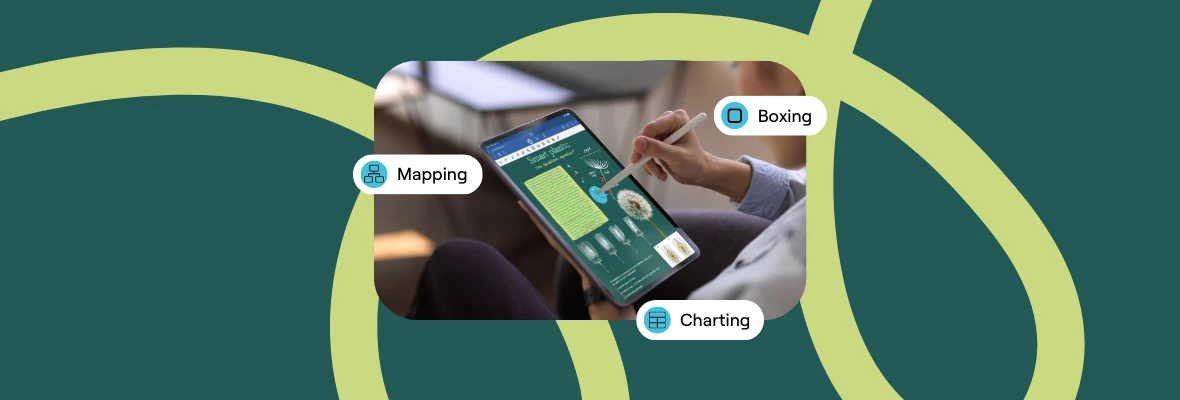
3. The Mapping Method
Mapping (also called Mind Mapping) turns ideas into a visual web.
How it works:
- Write the main topic in the center.
- Branch out subtopics and details as lines or bubbles.
- Use colors for categories.
Best for: Visual learners, or subjects with complex relationships (like psychology).
Pro tip: Add images or icons to links—this increases recall for visual memory.
Example:
A map for “Cell Structure” would branch into “Nucleus,” “Mitochondria,” “Ribosomes,” each with roles and features.
Mapping is great for brainstorming essays or projects. You can quickly see connections between ideas, which helps with creative thinking and deeper understanding. Some students add arrows to show cause and effect, making maps even more powerful.
Common mistake: Making maps too crowded. Limit to 1-2 main branches per page.
4. The Charting Method
Charting sorts information into columns and rows.
How it works:
- Draw a table with headers for categories.
- Fill in facts as you listen.
Best for: Subjects with lots of facts to compare (like chemistry or history dates).
Pro tip: Prepare your charts before class. During lectures, just fill in details.
Example:
A class on world religions might compare beliefs, practices, and founders across columns.
Charting is often overlooked for language classes. For example, you can chart verb forms, vocabulary, or grammar rules, making it a flexible tool beyond just history or science.
Common mistake: Not prepping the chart layout, leading to messy notes.
Charting Example
| Event | Date | Key Figures |
|---|---|---|
| French Revolution | 1789 | Robespierre, Louis XVI |
| American Revolution | 1776 | Washington, Jefferson |
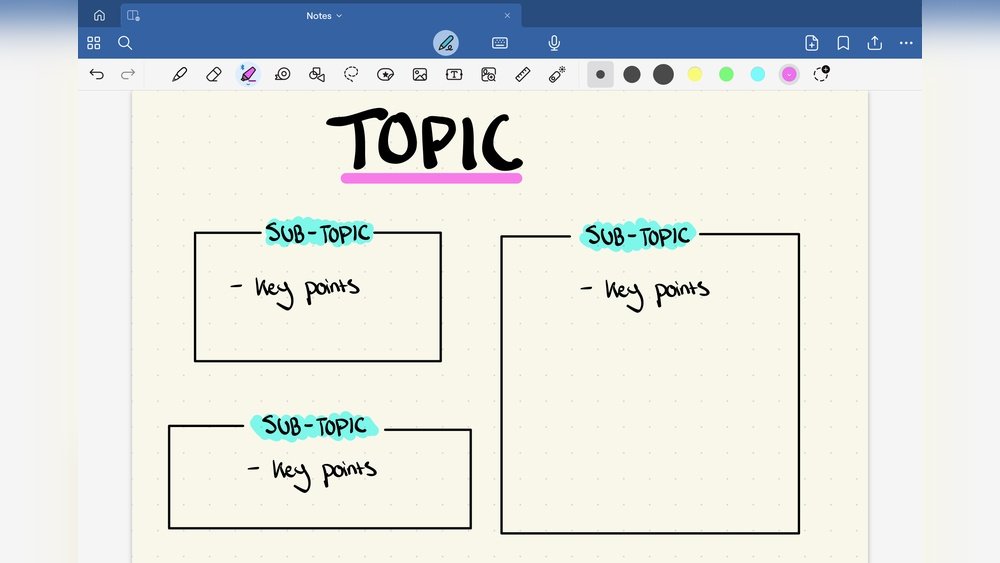
5. The Boxing Method
The Boxing Method separates information into clear visual blocks.
How it works:
- Draw boxes around related topics as you write.
- Each box is a different concept or theme.
Best for: Math, engineering, or classes with lots of diagrams.
Pro tip: Use colored pens or highlighters to make boxes stand out.
Example:
In calculus, one box for formulas, another for example problems.
You can also use the Boxing Method for group study sessions. Assign each group member a box and then compare—this way, you see different views on the same topic.
Common mistake: Making boxes too big—keep them focused.
6. The Sentence Method
Sentence Method means writing every new idea as a separate sentence.
How it works:
- Write each point on a new line.
- Number sentences for clarity.
Best for: Fast lectures, or when you’re unsure what’s important.
Pro tip: Review and highlight key sentences after class.
Example:
- The mitochondria is the powerhouse of the cell.
- It generates ATP through cellular respiration.
A practical tip: After class, try grouping related sentences. This helps you see patterns and main ideas, turning raw notes into organized material.
Common mistake: Writing too much word-for-word instead of summarizing.
7. Digital Note Taking (apps & Devices)
Digital methods use laptops, tablets, or phones.
How it works:
- Type notes in apps like OneNote, Evernote, or Google Docs.
- Use features like search, tagging, and audio recording.
Best for: Fast typists, or those who want searchable, organized notes.
Pro tip: Combine handwriting (on tablets) with typing for the best recall.
Example:
In OneNote, create tabs for each subject and use bullet points, sketches, or voice memos.
A non-obvious advantage: Digital notes can be easily backed up and shared with classmates. This reduces the risk of losing important material and helps with group projects.
Common mistake: Getting distracted online—turn off notifications.
Tip: Try each method for a week and track which one helps you remember and organize best.

Credit: notedaisy.com
How To Choose The Right Method For You
Every student is different—what works for your roommate may not work for you. Consider:
- Class type: Structured lectures (outlining/charting), fast discussions (sentence/boxing), visual subjects (mapping/boxing).
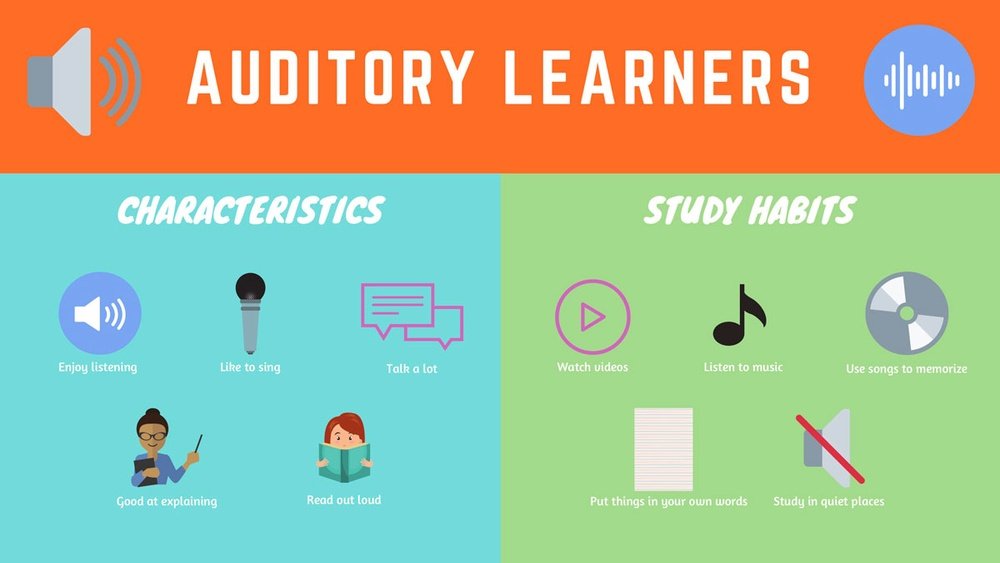
- Your style: Visual, auditory, or kinesthetic learner?
- Speed needed: Fast talkers? Try sentence or digital.
- Exam type: Essay? Cornell or outline. Multiple choice? Charting or mapping.
Switch methods for different classes. For example, use mapping for philosophy and charting for statistics.
One advanced tip: Reflect on your grades and how comfortable you feel with each method. Adjust your approach if you notice you remember less or feel unprepared. Top students often use two methods together, such as mapping to brainstorm and outlining to organize the main lecture.
Comparison Of Methods
Here’s a quick comparison to help you decide:
| Method | Best For | Drawbacks |
|---|---|---|
| Cornell | Review, organization | Takes time to prepare |
| Outlining | Structured material | Hard for unstructured lectures |
| Mapping | Visual/complex topics | Messy if overused |
| Charting | Comparisons/lists | Prep time needed |
| Boxing | Math/diagrams | Not for long texts |
| Sentence | Speed/unknown structure | Can get too long |
| Digital | Searchable, multimedia | Tech distractions |
Do’s And Don’ts For Great Note Taking
Here’s a quick reference for success:
| Do | Don’t |
|---|---|
| Review notes within 24 hours | Copy slides word-for-word |
| Use keywords and symbols | Write everything your professor says |
| Ask classmates for missed points | Rely only on memory after class |
Many students forget to review notes regularly, not just before exams. Even a five-minute review at the end of each week can prevent forgetting and make final exam season much less stressful. Another tip: Use symbols, arrows, and highlighting to show importance or connections—this makes notes easier to scan later.
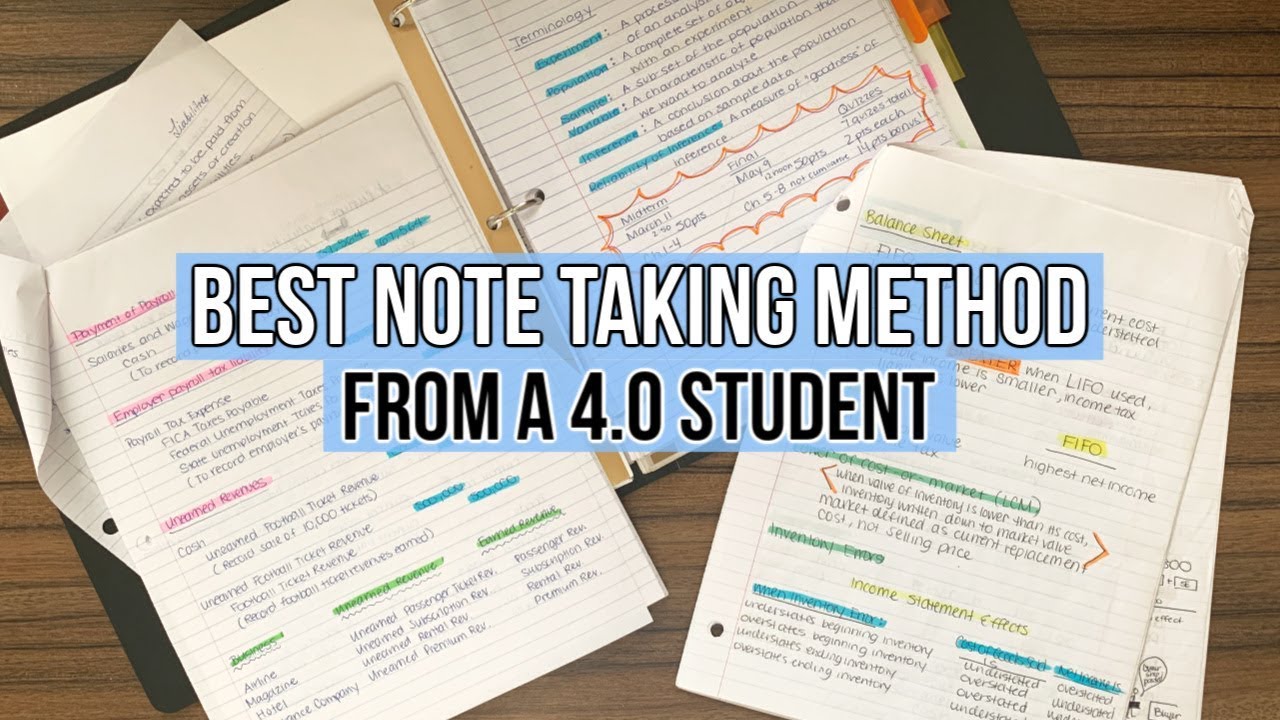
Credit: www.youtube.com
Pro Tips For Mastering Note Taking
- Practice summarizing: After lectures, write a one-sentence summary. This cements learning.
- Review regularly: Set a schedule to glance through notes weekly.
- Mix methods: Use different styles for different tasks—mapping for brainstorming, charting for lists.
- Use abbreviations: Develop short forms for common words.
- Ask questions: Leave space in your notes for things to ask the professor.
Another overlooked strategy: Record yourself explaining the lecture concepts out loud, as if teaching a friend. This tests your understanding and reveals any gaps. Also, consider creating flashcards from your notes—especially for facts, vocabulary, or formulas.
Did you know? Students who handwrite notes remember more than those who type everything verbatim, according to APA research.
Frequently Asked Questions
What’s The Fastest Note Taking Method For Lectures?
Sentence Method and digital notes are fastest for capturing lots of info quickly. Just remember to review and organize them after class. If you type, consider combining with voice memos to fill gaps.
Is Handwriting Or Typing Better For Memory?
Handwriting helps you remember more, but typing is faster. Many students use tablets to combine both for best results. Handwriting slows you down, making you process information—while typing is best for recording lots of info fast.
How Do I Review Notes Efficiently?
Read through within 24 hours. Highlight key points. Use the Cornell summary or create quick quizzes from your notes. Self-testing is one of the most effective ways to lock in information.
Which Method Is Best For Science Classes?
Cornell and charting work well for science because they organize detailed info and make review easy. For labs, the Boxing Method helps keep procedures and results clear.
Can I Combine Note Taking Methods?
Absolutely. Many top students mix methods—like mapping for brainstorming and outlining for lectures. Don’t be afraid to adapt the systems to your needs.
—
The right note taking method can transform your college experience. Try different techniques, adapt them to your subjects, and don’t be afraid to mix styles. With practice, you’ll find the approach that helps you remember more, stress less, and excel in every class.
Credit: www.goodnotes.com