Recent research shows that up to 11% of children and 4% of adults worldwide have ADHD. Many of these students struggle in school, not because they lack intelligence, but because traditional study methods don’t fit how their brains work. If you or someone you care for has ADHD, you know how hard it can be to focus, remember instructions, or finish tasks on time. But with the right strategies, students with ADHD can unlock their full academic potential and thrive. Let’s dive into proven study techniques tailored for ADHD minds—so you can work smarter, not harder.
Understanding Adhd And Learning Challenges
ADHD stands for Attention Deficit Hyperactivity Disorder. It affects how the brain manages attention, impulse control, and organization. Students with ADHD often face these learning challenges:
- Easily distracted by noise or movement
- Forgetful with homework and instructions
- Trouble starting or finishing tasks
- Difficulty organizing notes or planning projects
These struggles can lead to frustration or low grades, but the right techniques help overcome them.
Top Study Techniques For Students With Adhd
Let’s explore the most effective methods, with concrete examples and expert-backed tips.
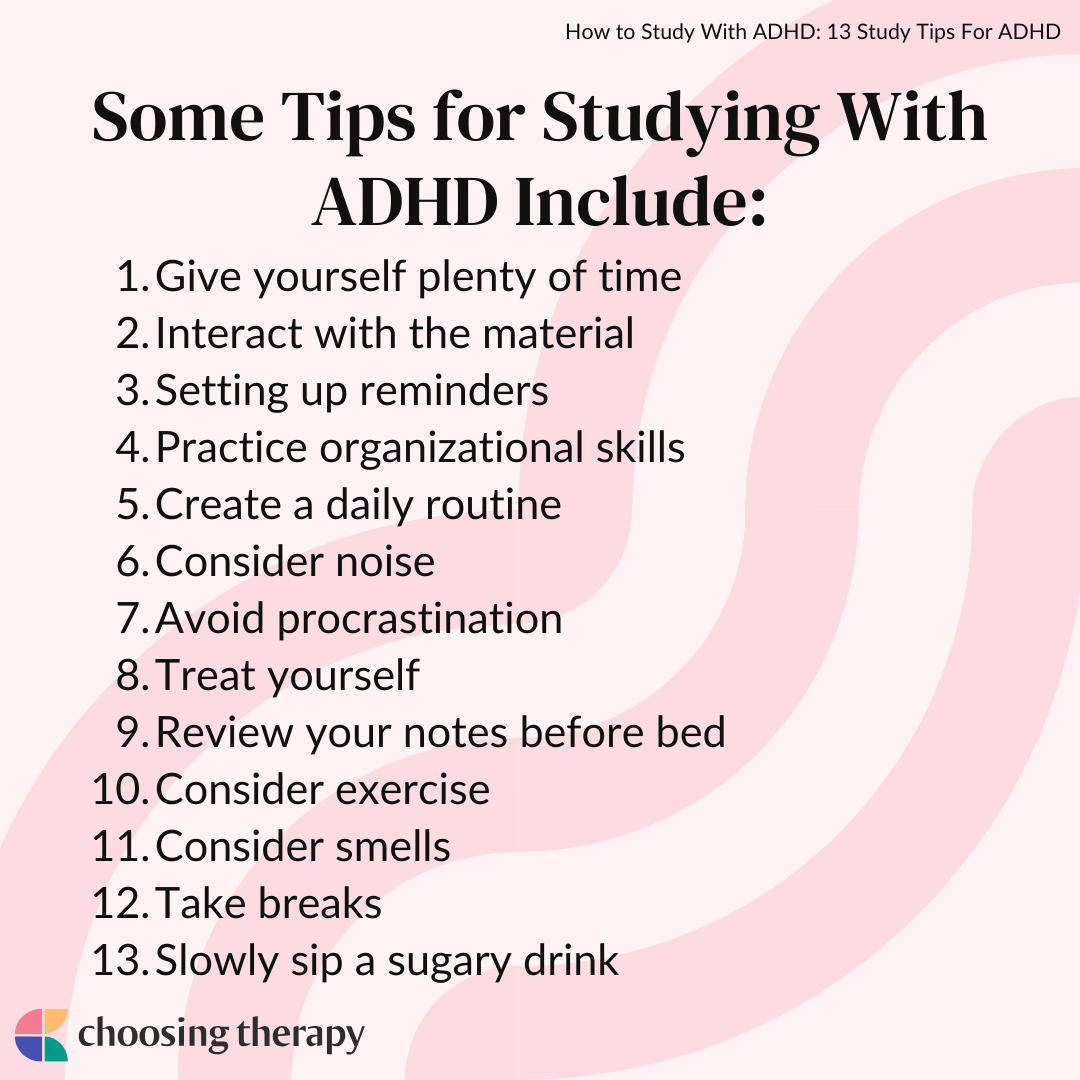
1. Break Tasks Into Smaller Steps
Large assignments can feel overwhelming. Students with ADHD do better when big jobs are split into smaller, clear steps. For example:
- Instead of “write a research paper,” break it into:
- Choose a topic
- Find 3 sources
- Write an outline
- Draft introduction
Pro tip: Write these steps on sticky notes. Remove each as you finish—visual progress boosts motivation.
2. Use Timers And The Pomodoro Technique
Short, timed work sessions help maintain focus. The Pomodoro Technique is popular:
- Set a timer for 25 minutes (one “Pomodoro”).
- Work only on your task.
- Take a 5-minute break.
- Repeat 4 times, then take a longer break.
This method uses urgency and regular breaks to keep the ADHD brain engaged.
Stat Box: Studies show students using Pomodoro finish assignments 25% faster and report less stress.
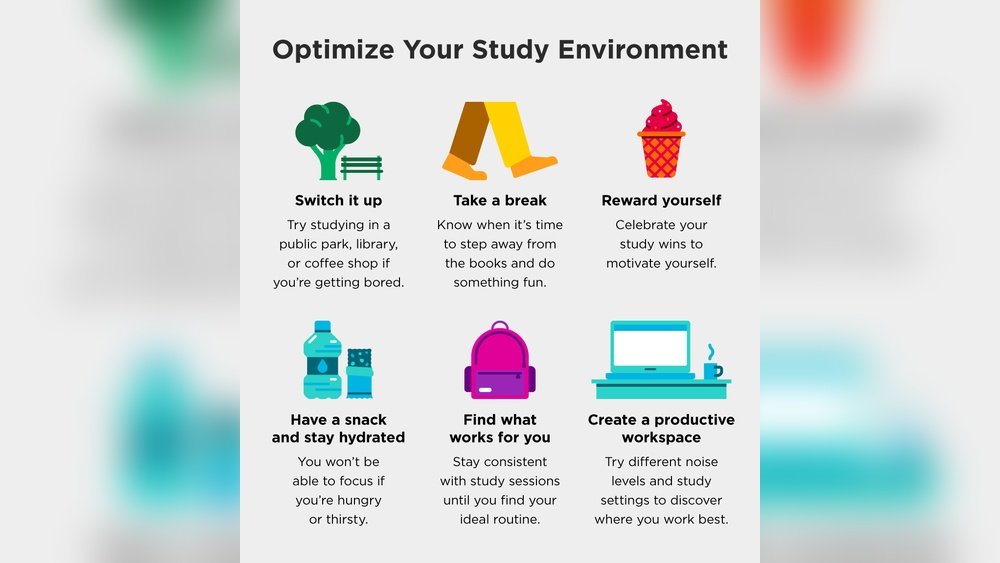
3. Create A Distraction-free Study Zone
Environment matters. Students with ADHD are more sensitive to noise and clutter.
- Choose a quiet place with minimal distractions
- Keep only what you need on your desk
- Use noise-canceling headphones or white noise apps if needed
Even moving to a different room can make a big difference.
4. Use Visual Aids And Color Coding
The ADHD mind loves visual cues.
- Highlighters for key points in notes
- Colored folders for different subjects
- Mind maps to organize ideas
These tools help the brain remember and sort information faster.
5. Active Learning: Move And Speak
Sitting still is tough for many with ADHD. Try these:
- Read notes aloud or explain them to a friend
- Walk while reviewing flashcards
- Use hand gestures while memorizing facts
Movement keeps the brain alert and aids memory.
6. Set Clear, Achievable Goals
Vague goals (“study math”) don’t work well. Use SMART goals—Specific, Measurable, Achievable, Relevant, Time-bound.
- Bad: “Do history homework”
- Good: “Finish 10 questions in 30 minutes”
Clear goals make it easier to start and finish tasks.
7. Use Checklists And Planners
Writing down what you need to do—and checking it off—gives a sense of control.
- Daily or weekly planners
- Digital apps like Todoist or Google Keep
- Simple paper checklists
Mistake to avoid: Overloading your checklist. Focus on 3–5 main tasks per day.
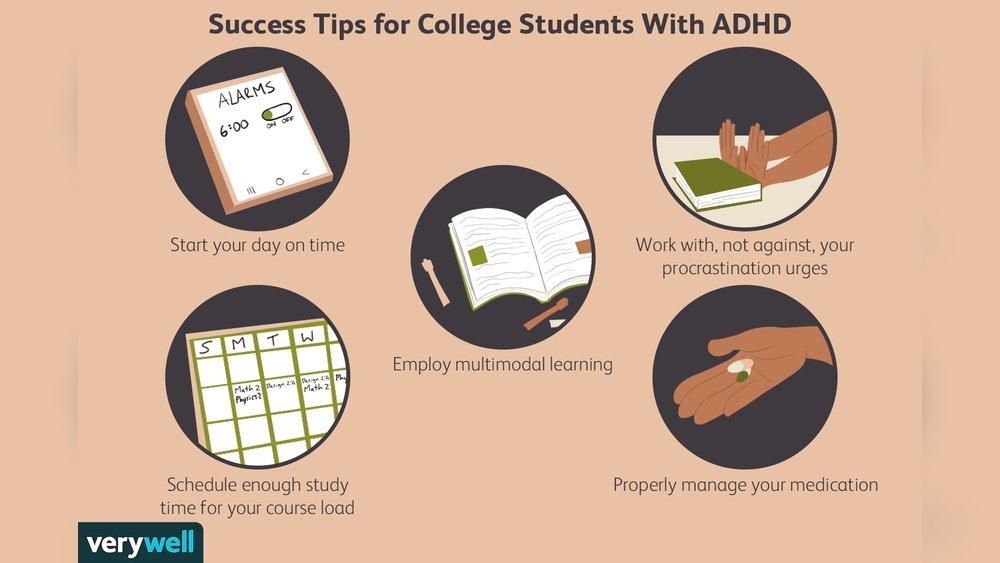
8. External Reminders And Alarms
Memory lapses are common with ADHD. Use technology for support:
- Phone alarms for deadlines
- Calendar apps for due dates
- Sticky notes in visible places
Let tech do the remembering so your brain can focus on learning.
9. Study With A Buddy Or Accountability Partner
Studying alone can be hard. Working with a friend or tutor can:
- Make study time social
- Keep you on track
- Offer immediate help with tough questions
Choose a partner who is focused and supportive.
10. Practice Self-testing
Students with ADHD often struggle with passive reading. Self-testing is more effective:
- Make your own quiz questions
- Use flashcards (paper or apps like Anki)
- Explain concepts without looking at notes
Testing yourself helps lock in information and shows what you need to review.
11. Build Routines And Consistency
The ADHD brain thrives on predictability.
- Study at the same time each day
- Follow the same order (snack, review notes, do assignments)
- Use visual schedules on the wall
Small routines reduce stress and help you remember what to do next.
12. Reward Progress, Not Just Results
Motivation can dip fast. Celebrate every step:
- Small treat after 30 minutes of focus
- Fun activity when you finish a task
- Visual trackers (like a sticker chart)
Rewarding effort keeps momentum going.
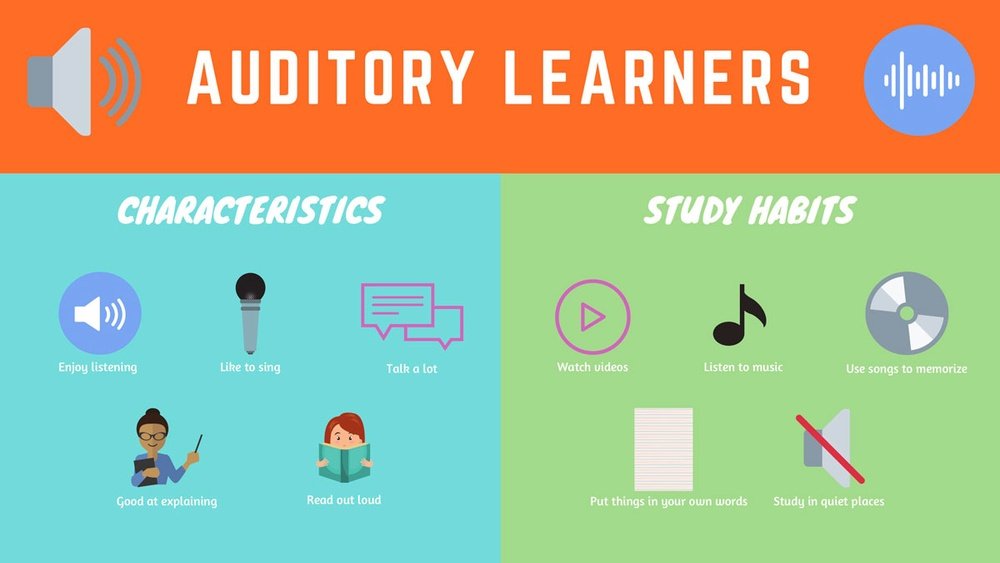
13. Make Learning Multisensory
Engage more senses for better memory:
- Draw diagrams or doodles
- Use apps that combine sound, images, and movement
- Listen to recorded notes while walking
Mixing senses makes studying less boring and more memorable.
14. Manage Energy, Not Just Time
Some students focus better in the morning, others at night. Notice when you have the most energy and do important work then.
- Save easy tasks for low-energy times
- Take movement breaks when tired
- Don’t push through if you’re drained—rest and restart
Pro tip: A 10-minute walk boosts focus better than a cup of coffee.
15. Ask For Accommodations
Many schools offer extra time on tests, quiet rooms, or help from a learning coach. Don’t be afraid to ask. These supports are your right, not a favor.
Credit: www.choosingtherapy.com
Common Mistakes (and How To Avoid Them)
Students with ADHD often fall into these traps:
- Waiting until the last minute (procrastination)
- Trying to study for hours without breaks
- Studying in noisy or cluttered spaces
- Ignoring routines
The fix? Use timers, break tasks up, and set up a clean space every time.
Comparison Of Study Methods
Here’s a look at how ADHD-friendly techniques compare to traditional methods:
| Method | Traditional | ADHD-Optimized |
|---|---|---|
| Study Duration | 2+ hours, no break | 25 min, frequent breaks |
| Study Environment | Any available space | Quiet, clutter-free zone |
| Note-taking | Linear, black pen | Color-coded, mind maps |
| Review Style | Re-reading notes | Active recall, self-testing |

Credit: www.singlecare.com
Myths Vs. Facts About Studying With Adhd
Many beliefs about ADHD and school are not true. Let’s clear up a few:
| Myth | Fact |
|---|---|
| People with ADHD are lazy | ADHD affects motivation and focus, not effort or intelligence |
| ADHD students can’t succeed academically | With the right techniques, they can excel |
| All students learn best the same way | ADHD students need tailored strategies |
Do’s And Don’ts For Adhd Study Success
Here’s a quick guide to keep you on track:
| Do | Don’t |
|---|---|
| Use timers and visual aids | Study for long periods without breaks |
| Break tasks into small steps | Rely on memory for deadlines |
| Set up a routine | Study in noisy, cluttered spaces |
Real-world Example: How Sarah Improved Her Grades
Sarah, a 16-year-old with ADHD, used to get overwhelmed by homework. She tried studying for hours, got distracted, and forgot assignments. After learning to use timers and color-coded notes, and working with a study buddy, her grades improved from C’s to B’s and A’s within one semester. Her confidence grew as she saw what worked for her unique brain.
Key Takeaways
- ADHD students need tailored strategies for studying, not just more effort.
- Break tasks down, use visual aids, and set routines to boost focus and memory.
- regular Breaks And Active Learning Are More Effective Than Cramming.
- Ask for accommodations—they are your right and can make a big difference.
- celebrate Progress And Use Technology To Help Stay On Track.

Credit: myprivateprofessor.com
Frequently Asked Questions
What Is The Best Study Environment For A Student With Adhd?
A quiet, clutter-free space with minimal distractions is ideal. Many benefit from noise-canceling headphones or white noise to block background noise.
Are Digital Tools Helpful For Adhd Students?
Yes! Digital planners, reminder apps, and flashcard tools help manage time, remember deadlines, and review information in interactive ways.
How Can Parents Support Students With Adhd At Home?
Parents can help by setting clear routines, using visual schedules, offering positive feedback, and supporting breaks and movement during homework.
Should Students With Adhd Take Longer Breaks?
Short, frequent breaks (5–10 minutes) work better than long, infrequent ones. This keeps the mind fresh and prevents overload.
Where Can I Find More Resources On Adhd Study Strategies?
A great starting point is the CHADD (Children and Adults with ADHD) website for research-backed tips and support.
With these ADHD-friendly study techniques, students can take charge of their learning and reach their goals—one small, focused step at a time.