
How To Study Smarter Not Harder — 12 Science-backed Tips
Did you know? A 2022 study from the American Psychological Association found that students who use active learning strategies remember up to 50% more than those who rely on rereading or passive review. The truth is, studying longer doesn’t always mean learning more. With the right methods, you can achieve better results in less time. If you often feel overwhelmed by endless reading and late-night cramming, there’s good news: smarter study techniques can boost your grades, reduce stress, and free up your schedule.
This guide reveals 12 proven ways to study smarter, not harder. Each tip is backed by science and simple to follow. Whether you’re in high school, college, or learning new skills for work, these strategies will help you master information efficiently—and make it stick.
1. Set Clear Goals
Start with a plan. Vague intentions like “study biology tonight” aren’t enough. Instead, define exactly what you want to achieve—such as “finish chapter 4 and practice 10 quiz questions. ”
Why it works: Clear goals direct your focus. According to a University of Toronto study, students with specific goals complete more tasks and feel less anxious.
Pro tip: Write your goals down and keep them visible. Apps like Todoist or even sticky notes work well.
Common mistake: Trying to study everything at once. Prioritize what matters most for your next test or assignment.
2. Use Active Recall
Active recall means testing yourself on the material—not just reading notes. For example, after reading a page, cover it and try to explain what you remember.
Why it works: Research in *Psychological Science* shows active recall strengthens memory faster than rereading. It’s like a workout for your brain.
Real example: Use flashcards or try teaching a concept to a friend.
Mistake to avoid: Highlighting everything in your textbook without checking if you truly understand it.
3. Space Out Your Study Sessions
Cramming might seem effective, but spacing your learning over several days leads to deeper understanding. This is called spaced repetition.
Science fact: Spaced practice can improve long-term retention by 200% compared to massed practice, says the Learning Scientists.
How to do it: Review material in short sessions (20–30 minutes) over a week, instead of one long night.
Pro tip: Use digital tools like Anki or Quizlet for automatic scheduling.
4. Mix Different Subjects
Studying one topic for hours can make your brain tired. Instead, switch between subjects—a technique called interleaving.
Benefit: Interleaving boosts problem-solving skills. For math, mix geometry and algebra problems in one session.
Real-world use: Athletes mix drills to master all skills. The same works for learning.
Mistake: Don’t block all of one subject at once.

Credit: learningcenter.unc.edu
5. Test Yourself Often
Practice tests are powerful. Making mistakes on practice questions helps you learn faster than just reviewing notes.
Stat: Students who test themselves score up to 15% higher, according to a meta-analysis by Dunlosky et al.
How: After studying, close your book and write down what you remember. Then check answers.
Tip: Don’t wait until you feel “ready.” Testing reveals gaps early.
6. Teach What You Learn
Explaining a concept—even to yourself—forces you to organize information and spot gaps. This is the Feynman Technique.
How: Pretend you’re teaching a class. Use simple words. If you get stuck, review and try again.
Example: Record yourself explaining or write a summary as if for a younger student.
Warning: If you can’t explain it simply, you may not understand it fully.
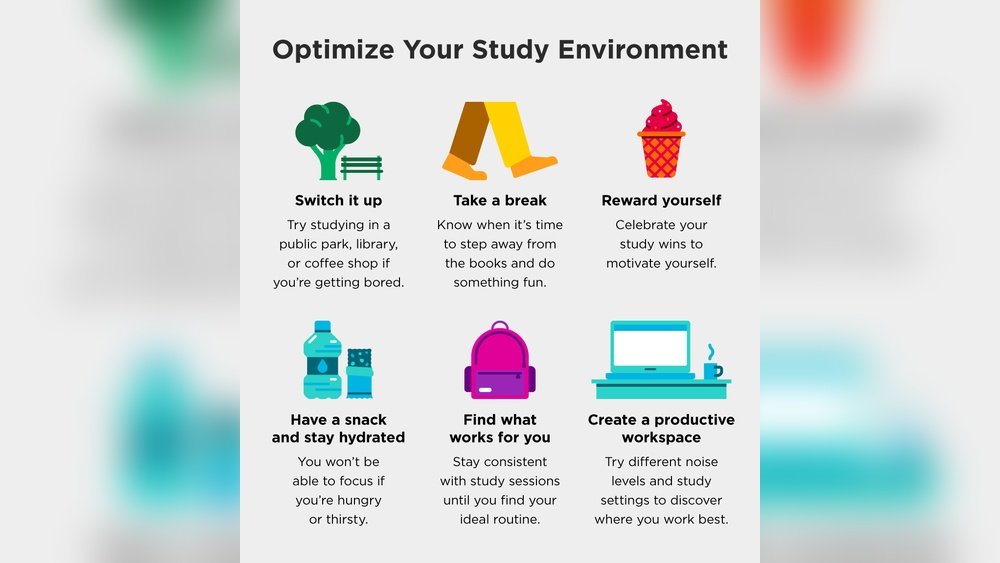
7. Take Regular Breaks
Your brain needs rest to perform well. The Pomodoro Technique (study 25 minutes, break 5 minutes) is popular for a reason.
Research: Short breaks improve focus and prevent burnout, found in a study by the University of Illinois.
Tip: Use a timer. Stand up, stretch, or get a glass of water.
Mistake: Skipping breaks. Fatigue leads to mistakes and wasted time.
8. Use Visual Tools
Charts, diagrams, and mind maps help you see connections between ideas. Visual learning is especially helpful for complex topics.
Fact: Visuals can improve learning by up to 400%, according to the Social Science Research Network.
How: Convert lists to flowcharts, draw cycles, or color-code notes.
Real example: Summarize a history chapter as a timeline.

Credit: www.hypervibe.com
9. Limit Distractions
Phones, social media, and background noise kill focus. Even a short distraction can double the time needed to finish tasks.
Tip: Study in a quiet place. Silence your phone or use “Do Not Disturb” mode.
Stat: The average student loses over 30% of productive time to distractions (RescueTime study).
How: Try browser blockers like StayFocusd.
10. Get Enough Sleep
Sleep is essential for memory and problem-solving. Pulling all-nighters harms performance, even if you spend more hours “studying. ”
Fact: Students who sleep 7–8 hours score higher on tests, says the National Sleep Foundation.
Tip: Review new material before bed to help your brain consolidate information.
Mistake: Trading sleep for extra study rarely pays off.
11. Connect Ideas To Real Life
Learning sticks when you relate it to your own experiences. Ask, “How does this concept apply to my life or future career? ”
Example: If you’re studying economics, link concepts to news stories or your own budgeting.
Benefit: Real-world connections make information easier to remember.
Pro tip: Use examples from your hobbies or work.
12. Review And Adjust Regularly
No method works perfectly forever. Check your results every week. If your grades or understanding aren’t improving, try a new approach.
Tip: Keep a simple journal. Track what works and what doesn’t.
Stat: Students who reflect and adjust boost their learning speed by 30% (Harvard research).
Warning: Don’t stick with ineffective habits just because they feel comfortable.

Credit: www.youtube.com
Common Mistakes And How To Avoid Them
Many students repeat the same errors. Here’s a quick reference:
| Mistake | What to Do Instead |
|---|---|
| Passive reading only | Use active recall and practice tests |
| Cramming all at once | Space out study sessions (spaced repetition) |
| Studying with distractions | Create a distraction-free environment |
| Skipping breaks | Use Pomodoro or similar timed breaks |
How These Strategies Compare
Here’s how the smartest study methods stack up for efficiency and long-term retention.
| Technique | Time Needed | Retention (1 week later) |
|---|---|---|
| Active Recall | Low | Very High |
| Spaced Repetition | Medium | High |
| Passive Reading | High | Low |
| Cramming | High | Very Low |
Quick Takeaways
- Active recall and spaced repetition are the most effective ways to remember what you learn.
- mix Subjects, Test Yourself, And Teach Others For Deeper Understanding.
- protect Your Study Time By Avoiding Distractions And Taking Breaks.
- always Adjust Your Methods Based On Results, Not Comfort.
Frequently Asked Questions
What Is The Single Best Way To Study Smarter?
Active recall—testing yourself on material instead of just reading—is the most effective method for long-term learning, according to decades of research.
How Long Should I Study Each Day?
Quality matters more than quantity. Most people benefit from 2–3 focused hours with breaks, rather than long, unfocused marathons.
Is It Better To Study At Night Or In The Morning?
Your best time depends on your natural energy. However, most people remember new material better in the morning or early afternoon when the brain is fresh.
What’s The Difference Between Cramming And Spaced Repetition?
Cramming is doing all your study at once, usually before a test. Spaced repetition spreads learning over time, which leads to better memory and less stress.
Are Digital Tools Like Flashcard Apps Worth Using?
Yes—tools like Anki or Quizlet make active recall and spaced repetition easy to manage and are widely recommended by learning experts.
—
Studying smarter is possible for everyone. By focusing on science-backed techniques like active recall, spaced repetition, and teaching others, you’ll save time and get better results. Make small changes, track your progress, and remember: it’s not about working harder, but learning wisely. For more in-depth research, visit the American Psychological Association.
Ready to study smarter? Start with just one or two tips today, and see the difference in your next exam or project.