Audiobooks have become a game-changer for many computer science and coding bootcamp students. If you’re juggling classes, projects, and maybe even a job, audio learning can help you make the most of your time. Whether you’re commuting, working out, or just winding down, the right audiobook lets you learn on the go—boosting retention and keeping you motivated.
But which audiobooks are truly worth your time? Not all are created equal, especially for coding beginners or those with attention challenges. This list delivers the best audiobooks for computer science and coding bootcamp students—each one carefully selected for clarity, educational value, and practical benefit.
Get 1 Free Audiobook To Keep
Start a 30-day free trial and pick any title from 700,000+ audiobooks. Your first book is yours forever, even if you cancel immediately.
Grokking Algorithms By Aditya Bhargava
This audiobook explains algorithms with simple language and real-world examples.
If algorithms sound intimidating, this book breaks them down into digestible, everyday stories. You’ll hear how algorithms solve problems, step by step, making hard concepts much easier to remember.
Why it works:
The author uses visuals (described clearly in audio) and relatable scenarios, so you never feel lost. Perfect for those who learn best through stories.
Target audience:
Beginner to intermediate coders, especially those new to data structures.
Length:
About 8 Hours
| Pros | Cons |
|---|---|
| Simple explanations | Some visuals may be hard to picture |
| Friendly tone | Not for advanced algorithms |
| Practical examples | Limited code walkthroughs |
Clean Code By Robert C. Martin
This classic teaches coding habits that make your code readable and reliable.
Clean Code isn’t just about writing code that works—it’s about writing code that lasts. The audiobook shares real-life stories and actionable rules for coding like a professional.
Why it works:
Martin’s voice is clear, direct, and sometimes funny. He gives you exact steps for improving habits, perfect for busy bootcamp students.
Target audience:
Intermediate coders, bootcamp grads, and anyone wanting to stand out in tech jobs.
Length:
About 13 Hours
| Pros | Cons |
|---|---|
| Real examples from industry | Some chapters are long-winded |
| Actionable tips | Audio lacks code visuals |
| Helps with job interviews | Assumes some coding experience |

Credit: www.amazon.com
The Pragmatic Programmer By Andrew Hunt & David Thomas
A must-listen for building real-world coding confidence and problem-solving skills.
This book is packed with practical advice, stories, and “pragmatic” tips. It’s famous for teaching you how to think like a professional developer, not just a coder.
Why it works:
The authors break down complex tech ideas into short, memorable lessons. It’s easy to revisit chapters as you grow.
Target audience:
All levels, especially those preparing for their first programming job.
Length:
About 14 Hours
| Pros | Cons |
|---|---|
| Broad advice that ages well | Some tips feel basic for seniors |
| Engaging stories | Not language-specific |
| Great for self-learners | Few deep dives |
Python Crash Course By Eric Matthes
An excellent audio introduction to Python, one of the world’s most popular programming languages.
This book gets you coding fast, focusing on real projects and hands-on practice. The audio version walks you through basics, then helps you build simple games and web apps.
Why it works:
Clear instructions, step-by-step lessons, and an encouraging tone help you build confidence fast.
Target audience:
Absolute beginners and anyone joining a Python-based bootcamp.
Length:
About 12 Hours
| Pros | Cons |
|---|---|
| Beginner-friendly | Not for advanced Python |
| Practical projects | Some exercises require visuals |
| Good pacing | Focuses only on Python |
Credit: powertofly.com
Automate The Boring Stuff With Python By Al Sweigart
Learn how to automate everyday tasks and save hours each week with Python.
This audiobook teaches you to write scripts for automating files, emails, spreadsheets, and more. It’s one of the most empowering books for new programmers.
Why it works:
Simple, real-life examples make coding feel useful right away. The narration is practical and easy to follow.
Target audience:
Beginners, office workers, and anyone who wants to use Python for practical tasks.
Length:
About 11 Hours
| Pros | Cons |
|---|---|
| Hands-on projects | Some code details hard to follow by ear |
| Real-world value | Not for advanced coders |
| Fun and motivating | Focuses on automation, not theory |
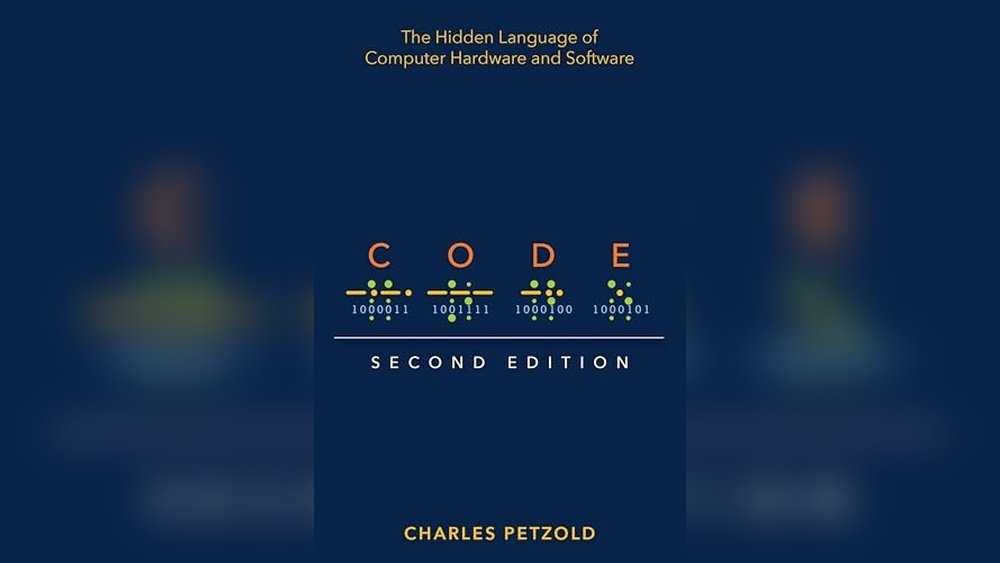
Code: The Hidden Language Of Computer Hardware And Software By Charles Petzold
This deep dive explains how computers truly work, from electricity to software.
Instead of focusing on programming, this book reveals the magic behind computers. It’s perfect for curious minds who want to know “why” and “how” everything fits together.
Why it works:
The author explains technical details with simple analogies and stories, making complex topics surprisingly clear.
Target audience:
Students curious about computer fundamentals, hardware, and digital logic.
Length:
About 12 Hours
| Pros | Cons |
|---|---|
| Great for big-picture thinkers | Less coding, more theory |
| Memorable stories | Some chapters are dense |
| Excellent for interviews | Not directly “hands-on” |
The Self-taught Programmer By Cory Althoff
A roadmap for anyone teaching themselves to code and aiming for a software job.
This audiobook covers everything from Python basics to landing your first job. It gives honest advice on what to learn, how to build a portfolio, and common mistakes to avoid.
Why it works:
Althoff’s journey is relatable, especially if you’re learning without a formal degree. The advice is practical and motivating.
Target audience:
Self-learners, career changers, and bootcamp students.
Length:
About 9 Hours
| Pros | Cons |
|---|---|
| Covers career skills | Focuses on Python |
| Honest personal stories | Light on advanced topics |
| Step-by-step guidance | Some sections fast-paced |
Deep Work By Cal Newport
This book shows how to focus deeply and learn faster—critical skills in coding.
While not a coding book, Deep Work is loved by students with ADHD or focus issues. Newport’s methods help you block distractions and make the most of your study time.
Why it works:
The audiobook gives real strategies for building focus muscles, which is vital for coding bootcamps.
Target audience:
Anyone struggling with focus, procrastination, or balancing intense study.
Length:
About 7 Hours
| Pros | Cons |
|---|---|
| Actionable advice | Not coding-specific |
| Helps with ADHD | Some ideas repeat |
| Works for any subject | Theory-heavy in parts |
Cracking The Coding Interview By Gayle Laakmann Mcdowell
A top pick for preparing for software job interviews and technical tests.
This audiobook covers common coding interview questions, strategies, and real recruiter advice. Even listening to sample problems improves your thinking and recall.
Why it works:
Breaks down tough problems into steps, with practical tips for every stage of the interview process.
Target audience:
Bootcamp grads, job seekers, and anyone facing coding interviews.
Length:
About 20 Hours
| Pros | Cons |
|---|---|
| Real interview questions | Very detailed |
| Strategy tips | Best with some coding background |
| Up-to-date advice | Long runtime |
Top Pick: Grokking Algorithms
For most coding bootcamp students and beginners, Grokking Algorithms is the best starting point. Its clear explanations and real-life examples make tough concepts stick. If you want a second choice, Automate the Boring Stuff with Python offers immediate practical benefits, especially for those who want to see results fast.
Pro-Tip: Pair your audiobook with a physical or digital copy. This helps you follow along with code or diagrams when needed.
The Benefits Of Audiobooks For Coding Students
Audiobooks offer flexible, time-saving learning for busy coding students.
Audio learning fits into your life—during commutes, exercise, or chores. It’s especially helpful for people with ADHD or anyone who struggles to sit still for long periods. Research shows that listening can improve retention for many learners because it activates different parts of the brain.
Key Advantages
- Multitasking: Learn while traveling, cleaning, or exercising.
- Better focus: For some, audio removes visual distractions.
- Accessibility: Helps those who struggle with reading, including non-native English speakers.
- Repetition: Rewind and replay tough sections for better retention.
Practical Data
According to the Audio Publishers Association, audiobook listening grew by 25% among students in 2023. Over 60% of surveyed coding bootcamp students said audiobooks helped them “review and understand” core concepts faster.
How To Get The Most From Coding Audiobooks
Maximize your learning by pairing listening with hands-on coding.
- Listen actively: Pause to try out code examples on your computer.
- Use bookmarks: Mark sections to revisit for tricky concepts.
- Repeat lessons: Don’t be afraid to replay chapters that are dense or confusing.
- Take breaks: Give your brain time to process and avoid fatigue.
Pro-Tip: If you have trouble visualizing code while listening, keep a notepad handy to sketch ideas or write questions.
Comparison Of Top Audiobooks For Coding Students
Here’s how the most popular titles stack up on key factors:
| Title | Best For | Length | Hands-On Examples |
|---|---|---|---|
| Grokking Algorithms | Beginners, visual learners | 8 hrs | Yes |
| Clean Code | Intermediate, job prep | 13 hrs | No |
| Python Crash Course | Python beginners | 12 hrs | Yes |
| Cracking the Coding Interview | Job seekers | 20 hrs | Some |
| Deep Work | Focus, productivity | 7 hrs | No |
Common Mistakes When Using Audiobooks For Coding
Avoid these pitfalls to get the most from your audio learning.
- Passive listening: Don’t just “hear” the book—engage with the content.
- Skipping practice: Coding is a skill. Always follow up with hands-on coding.
- Ignoring visuals: Some audiobooks reference diagrams or code. Check the companion PDF or website.
- Overloading: Too many hours at once can hurt retention. Space out your sessions.
Pro-Tip: Treat audiobooks as a supplement, not a replacement for actual coding or reading.
Credit: adamosoft.com
Frequently Asked Questions
What If I Have Trouble Understanding Technical Terms In Audiobooks?
Many coding audiobooks come with glossaries or PDFs. Pause the audio, look up unfamiliar terms, and don’t rush. Replaying sections helps reinforce understanding.
Are Audiobooks As Effective As Video Tutorials For Coding?
Audiobooks are excellent for theory, concepts, and motivation. For actual code walkthroughs, combine them with coding exercises or videos. Both formats work better together.
How Can I Follow Along With Code Examples In An Audiobook?
Most audiobooks include companion materials or downloadable code. Always check the publisher’s site or the Audible listing for extra resources.
Can Audiobooks Help With Adhd Or Focus Issues?
Yes, many students with ADHD find audio learning less distracting. Books like Deep Work offer strategies to improve focus while studying.
Where Can I Find High-quality Coding Audiobooks?
Major platforms like Audible, Google Play Books, and your local library offer excellent selections. For more on audiobook trends, check the Wikipedia entry on audiobooks.
Audiobooks are a flexible, accessible resource for coding students—especially when your time and energy are limited. With the right picks, you can turn travel, chores, or downtime into powerful learning moments. Try one from this list, and you’ll soon find audio learning is more than just convenient—it’s a real edge for your coding journey.