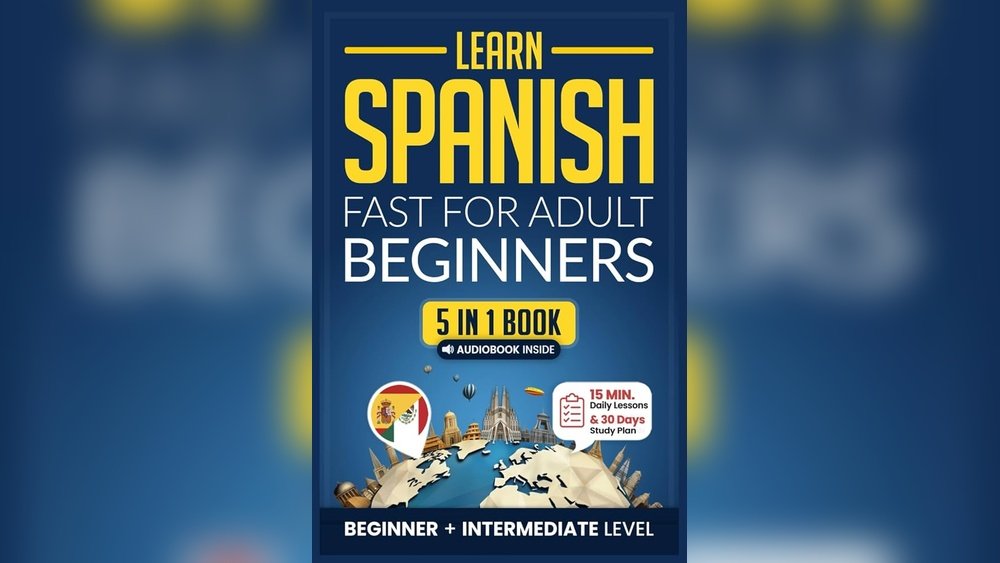
Learning Spanish can feel overwhelming, especially when you’re juggling work, family, or school. Audiobooks make language learning accessible, even for busy people. You can listen while commuting, exercising, or cooking. Studies show that audio learning improves retention and is ideal for people with ADHD or who struggle with traditional study. If you’re a beginner or intermediate learner, choosing the right audiobook is key. Below, you’ll find the best Spanish audiobooks for every level, with practical pros and cons. Each recommendation is designed to fit your schedule, budget, and learning style.
Spanish Short Stories For Beginners By Olly Richards
This audiobook uses engaging short stories to build vocabulary and listening skills.
Get 1 Free Audiobook To Keep
Start a 30-day free trial and pick any title from 700,000+ audiobooks. Your first book is yours forever, even if you cancel immediately.
Why it works:
Olly Richards uses real-life scenarios in each story. This helps you understand context, not just vocabulary. Stories are short, so you won’t lose focus.
Target audience:
Absolute beginners (A1-A2). Great for learners with ADHD or limited time.
Length:
About 6 hours. Perfect for daily listening in short bursts.
| Pros | Cons |
|---|---|
| Stories are easy to follow | Basic grammar explanations |
| Builds real-world vocabulary | Some stories feel repetitive |
| Includes English translations | Not for advanced learners |
Easy Spanish Step-by-step By Barbara Bregstein
This audiobook offers structured grammar lessons in simple language.
Why it works:
Lessons follow a logical sequence, starting from basics and moving up. The narration is clear and slow, ideal for beginners.
Target audience:
Beginners to lower intermediate (A1-B1). Good for people who want grammar explained step-by-step.
Length:
About 8 hours. Suitable for learners who want a deeper foundation.
| Pros | Cons |
|---|---|
| Clear explanations | Not many real conversations |
| Affordable price | Some topics feel dry |
| Helps build grammar basics | Limited vocabulary practice |
Learn Spanish With Paul Noble
Paul Noble’s audiobook uses repetition and simple explanations for quick learning.
Why it works:
You learn by listening and repeating. The course avoids confusing grammar terms. Paul Noble’s calm voice helps listeners stay focused.
Target audience:
Beginners and intermediate (A1-B2). Best for people who want a conversational approach.
Length:
Nearly 12 hours. Good for longer commutes or travel.
| Pros | Cons |
|---|---|
| Easy to follow | No written materials |
| Builds confidence in speaking | Some sections move quickly |
| Focuses on conversation | Not for advanced grammar |
Spanish For Beginners: 1000 Most Common Words And Phrases By Manuel Ruiz
This audiobook focuses on the most-used Spanish words and phrases.
Why it works:
You learn the language you’ll actually use daily. Each phrase is repeated, so you remember it better.
Target audience:
True beginners (A1). Perfect for travelers or those who want to learn practical Spanish fast.
Length:
Around 5 hours. Great for quick daily listening.
| Pros | Cons |
|---|---|
| Very practical content | Limited grammar explanations |
| Good for travel preparation | Not for long-term learning |
| Useful for memorizing basics | Can become repetitive |
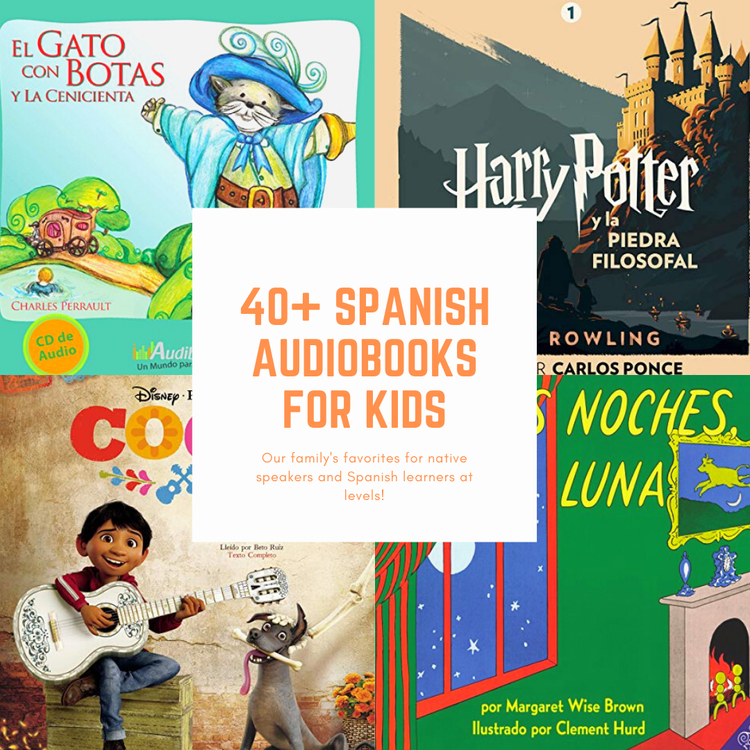
Credit: languagelearningathome.com
Madrigal’s Magic Key To Spanish
This classic audiobook teaches Spanish grammar using memory tricks.
Why it works:
Madrigal’s methods use patterns and easy rules to help you remember grammar. The narration is engaging and encourages active participation.
Target audience:
Beginner to intermediate (A1-B1). Good for learners who want a strong grammar foundation.
Length:
About 14 hours. Ideal for those who prefer a slow, thorough pace.
| Pros | Cons |
|---|---|
| Unique memory techniques | Older style narration |
| Deep grammar focus | Not many modern examples |
| Encourages active learning | Some vocabulary is outdated |
Short Stories In Spanish: Beginner By Penguin Random House
This audiobook uses authentic, modern stories to boost listening and vocabulary.
Why it works:
Stories are written by native speakers. You hear real language as used today. Audio includes pauses for reflection and comprehension.
Target audience:
Beginners and intermediate (A1-B2). Good for people who want exposure to native speech.
Length:
About 7 hours. Fits well into a weekly routine.
| Pros | Cons |
|---|---|
| Modern, engaging stories | Some slang may confuse beginners |
| Helps with natural listening | No grammar explanations |
| Good for vocabulary building | Requires basic Spanish understanding |

Credit: www.audible.com
Pimsleur Spanish Level 1
This audiobook uses a proven method for rapid spoken Spanish learning.
Why it works:
Pimsleur uses spaced repetition and active recall. You learn to speak before focusing on grammar. Lessons are only 30 minutes each, ideal for busy schedules.
Target audience:
Beginners (A1-A2). Excellent for auditory learners and commuters.
Length:
16 hours. Designed for daily sessions.
| Pros | Cons |
|---|---|
| Perfect for commuting | Expensive compared to others |
| Focuses on speaking | Limited reading practice |
| Lessons are short | Not for grammar lovers |
Top Pick: Learn Spanish With Paul Noble
Paul Noble’s audiobook stands out for its conversational focus and stress-free learning.
If you want a single audiobook to start your Spanish journey, Learn Spanish with Paul Noble is the best choice. Its calm approach and clear repetition build confidence. You’ll speak Spanish from the very first lesson, and the course adapts well for commuters, busy parents, and ADHD learners.
Pro-Tip: Listen to audiobooks during routines—like walking or driving—to make learning automatic. Try repeating phrases aloud for better retention.
Credit: lingopie.com
Benefits Of Learning Spanish With Audiobooks
Audiobooks offer flexible, accessible, and effective Spanish learning for all levels.
- time-saving: Listen Anywhere, Anytime—even While Multitasking.
- Accessibility: No need for textbooks or screens; perfect for people with visual challenges.
- retention: Hearing Phrases Repeatedly Helps You Remember Them Longer.
- adhd-friendly: Audio Learning Is Less Distracting Than Written Lessons.
- budget-friendly: Most Audiobooks Cost Less Than Courses Or Tutors.
Recent research from the Journal of Educational Psychology shows that learners who use audio materials remember up to 30% more vocabulary compared to traditional reading. For those with ADHD, listening to stories or conversations keeps attention longer and reduces stress.
Audiobook Comparison: Price, Length, And Level
Here’s a quick look at the top audiobooks for learning Spanish:
| Title | Price (USD) | Length (hrs) | Level | Best for |
|---|---|---|---|---|
| Spanish Short Stories for Beginners | 10-15 | 6 | A1-A2 | Quick vocabulary |
| Easy Spanish Step-by-Step | 12-18 | 8 | A1-B1 | Grammar basics |
| Learn Spanish with Paul Noble | 15-20 | 12 | A1-B2 | Conversation |
| Spanish for Beginners: 1000 Words | 8-12 | 5 | A1 | Travel phrases |
| Madrigal’s Magic Key to Spanish | 13-19 | 14 | A1-B1 | Memory techniques |
| Short Stories in Spanish: Beginner | 12-16 | 7 | A1-B2 | Listening skills |
| Pimsleur Spanish Level 1 | 20-25 | 16 | A1-A2 | Speaking practice |
Common Mistakes When Using Audiobooks
Most learners skip key steps and lose motivation.
1. Listening Passively:
Not repeating phrases or pausing to practice means slower progress.
2. Skipping Too Fast:
Jumping ahead before understanding each lesson reduces retention.
3. Ignoring Grammar:
Only listening to conversations without learning grammar basics leads to confusion.
4. No Routine:
Inconsistent listening leads to poor results. Set a regular schedule.
5. Not Tracking Progress:
Failing to measure vocabulary gains makes motivation drop.
Pro-Tip: Write down 3 new words after each session. Review them the next day to reinforce memory.
Myths Vs Facts About Audiobook Language Learning
| Myth | Fact |
|---|---|
| “Audiobooks are only for advanced learners.” | Many audiobooks are made for beginners. |
| “You can’t learn grammar by listening.” | Some audiobooks teach grammar step-by-step. |
| “Audio learning is boring.” | Modern audiobooks use stories, jokes, and dialogues. |
| “Listening won’t help you speak.” | Repeating aloud improves speaking skills. |
| “Audiobooks are expensive.” | Many are affordable or free from libraries. |
Frequently Asked Questions
What Is The Best Audiobook For Absolute Beginners?
Learn Spanish with Paul Noble is the top pick for beginners. Its clear explanations and repetition help you start speaking quickly.
Can I Learn Spanish Just By Listening To Audiobooks?
Audiobooks build listening and speaking skills, but for reading and writing, add other resources. Use audiobooks as your main tool, and supplement as needed.
How Can I Stay Motivated When Learning Spanish With Audiobooks?
Set small goals, like mastering 10 new words a week. Listen during daily routines to make learning a habit.
Are Audiobooks Good For People With Adhd?
Yes. Audiobooks keep attention with stories and conversational lessons. Many learners with ADHD find audio more engaging and less stressful.
Where Can I Find Quality Spanish Audiobooks?
You’ll find top-rated Spanish audiobooks on platforms like Audible, Google Play Books, and local libraries. For more suggestions, visit Wikipedia.
Spanish audiobooks open a world of learning, even if your schedule is tight or your attention span is short. Choose one that fits your needs, and enjoy the journey to fluency.