
Medical students often struggle to find time for traditional reading. Busy schedules, endless exams, and long commutes make it hard to sit down with a textbook. Audiobooks solve this by turning downtime into valuable learning moments. Whether you’re walking between classes or driving to rotations, you can absorb complex material without ever opening a book.
This guide highlights the best audiobooks for medical students who never have time to read. Each recommendation is carefully matched to different needs, from mastering clinical skills to understanding human behavior. You’ll also find practical tips, real data, and honest pros and cons so you can choose with confidence.
Get 1 Free Audiobook To Keep
Start a 30-day free trial and pick any title from 700,000+ audiobooks. Your first book is yours forever, even if you cancel immediately.
The House Of God By Samuel Shem
An honest, often humorous look at medical training and the realities of hospital life.
This classic novel tells the story of young doctors in a teaching hospital. It mixes dark humor with real-life lessons. Many medical students listen to it for comfort during stressful times. The book explores burnout, empathy, and the pressure of medicine.
Target audience: Medical students in clinical years, interns
Length: About 12 hours
| Pros | Cons |
|---|---|
| Relatable hospital stories | Language can be harsh |
| Helps reduce stress | Some content is dated |
| Good for commutes | Not a textbook |
When Breath Becomes Air By Paul Kalanithi
A powerful memoir that explores life, death, and meaning from a neurosurgeon’s perspective.
Paul Kalanithi’s story is both heartbreaking and inspiring. Diagnosed with cancer during his residency, he reflects on what it means to be a doctor and a patient. Medical students often find it helps them connect with patients and understand empathy.
Target audience: All medical students
Length: About 6 hours
| Pros | Cons |
|---|---|
| Emotional and inspiring | Sad themes |
| Short, easy to finish | Not focused on clinical skills |
| Improves patient empathy | May not suit everyone |
Medical School Survival Guide By Jennifer Danek
A practical audiobook packed with tips for thriving in medical school.
This guide covers everything from study strategies to handling stress. It’s easy to listen to during a commute and gives advice for exams, rotations, and balancing life. Students with ADHD or busy schedules will find actionable steps.
Target audience: First-year students, those with ADHD
Length: About 7 hours
| Pros | Cons |
|---|---|
| Step-by-step advice | Some generic tips |
| ADHD-friendly | Basic for advanced students |
| Quick, clear narration | Limited clinical depth |
The Emperor Of All Maladies By Siddhartha Mukherjee
A detailed, engaging history of cancer and its treatments.
Mukherjee’s book is perfect for students interested in oncology or medical research. It covers the science and the human stories behind cancer care. The audiobook is long, but it’s broken into sections for easy listening.
Target audience: Students interested in oncology, research
Length: About 17 hours
| Pros | Cons |
|---|---|
| Deep scientific detail | Very long |
| Great for research lovers | Can overwhelm beginners |
| Good for long commutes | Complex language |
Complications: A Surgeon’s Notes On An Imperfect Science By Atul Gawande
Real-life stories showing the challenges and uncertainties in surgery.
Gawande uses case studies and personal experience to explain the realities of surgical practice. He highlights mistakes, uncertainty, and the importance of learning from failure. This audiobook helps students accept that medicine is not always perfect.
Target audience: Students interested in surgery
Length: About 9 hours
| Pros | Cons |
|---|---|
| Real-world surgical stories | Can be technical |
| Honest about mistakes | Some jargon |
| Encourages reflection | Focuses on surgery |
How Doctors Think By Jerome Groopman
Explains how doctors make decisions and diagnose patients.
Groopman dives into the mental process behind medical decision-making. The audiobook teaches how to avoid common thinking errors and improve patient care. Students who listen can learn to spot bias and think critically.
Target audience: All medical students
Length: About 10 hours
| Pros | Cons |
|---|---|
| Improves diagnostic skills | May repeat ideas |
| Easy to follow | Less clinical detail |
| Good for critical thinking | Focuses on psychology |

Credit: www.reddit.com
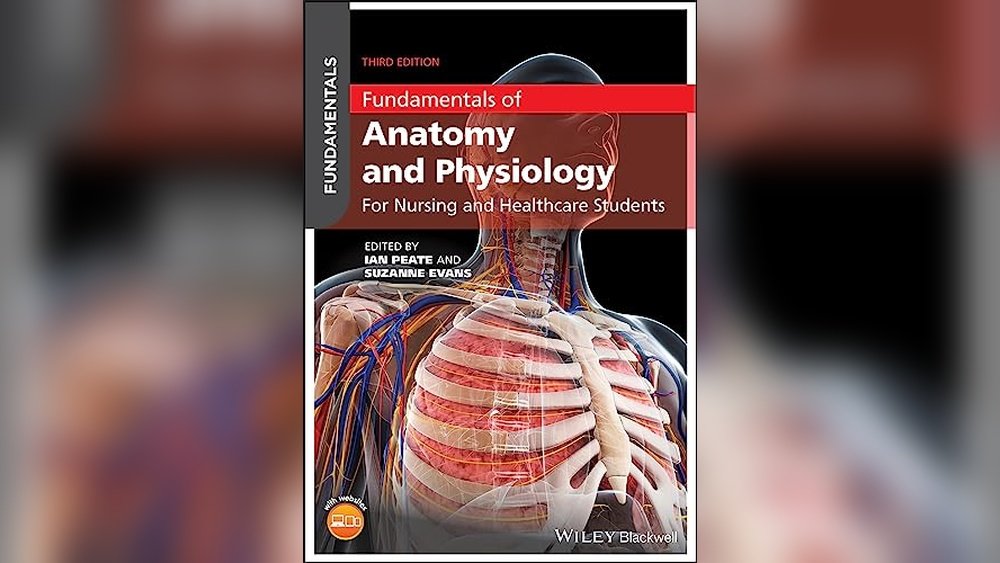
Human Anatomy: Audible Edition
A narrated, clear overview of human anatomy for fast revision.
This audiobook covers key systems and terms you need for exams. It’s designed for quick review and works well for students with ADHD or those who need to multitask. The structure is simple, and you can skip to sections you need.
Target audience: Preclinical students, ADHD learners
Length: About 5 hours
| Pros | Cons |
|---|---|
| Condensed content | Less depth than textbooks |
| Easy navigation | Some sections too fast |
| Good for revision | Basic explanations |
The Checklist Manifesto By Atul Gawande
Shows how simple checklists can improve patient safety and reduce errors.
Gawande proves that even experts make mistakes and that checklists can save lives. The audiobook is practical, especially for students who want to improve accuracy and reduce stress.
Target audience: Clinical students, those seeking practical tools
Length: About 6 hours
| Pros | Cons |
|---|---|
| Actionable tips | Focuses on checklists |
| Easy to implement | Can feel repetitive |
| Reduces anxiety | Less theory |

Credit: www.nytimes.com
Thinking, Fast And Slow By Daniel Kahneman
Teaches how our minds work and how we make decisions—useful for clinical reasoning.
Kahneman’s book helps students understand cognitive bias and how to avoid mistakes. It’s not a medical textbook, but the ideas improve diagnostic skills and patient care.
Target audience: Advanced students, those interested in psychology
Length: About 20 hours
| Pros | Cons |
|---|---|
| Improves decision-making | Very long |
| Popular with doctors | Some sections complex |
| Broad examples | Not focused on medicine |
Top Pick: When Breath Becomes Air
Best overall for emotional support, time-saving, and improving empathy.
If you can only listen to one audiobook, choose When Breath Becomes Air. Its short length, deep impact, and easy narration make it perfect for busy schedules. Students say it helps them relate better to patients and remember why they chose medicine.
Pro-Tip: Listen during your commute or while exercising to make the most of your time. Use bookmarks to save key insights for later review.
Benefits Of Audio Learning For Medical Students
Audiobooks help medical students learn faster, retain more, and fit study into busy lives.
- time-saving: Listen While Commuting, Exercising, Or Cooking.
- improved Retention: Hearing Information Boosts Memory For Many Learners.
- Accessible for ADHD: Short chapters and easy navigation help maintain focus.
- budget-friendly: Audiobook Subscriptions Are Often Cheaper Than Print Textbooks.
| Audio Learning | Traditional Reading |
|---|---|
| Listen anywhere | Need quiet space |
| Good for multitasking | Full attention needed |
| Easy to repeat sections | Re-reading takes longer |
| Helps with ADHD | Can lose focus easily |
Common Mistakes When Choosing Medical Audiobooks
Many students pick audiobooks without checking length, content, or narration style.
- choosing Long Books: Overly Long Audiobooks Can Feel Overwhelming.
- Ignoring narration: A boring narrator can make even the best content hard to follow.
- Not matching content: Pick audiobooks that fit your current study needs.
- skipping Reviews: Look For Feedback From Other Medical Students.
- Forgetting accessibility: Make sure the app works on your device and allows easy bookmarks.
Pro-Tip: Try samples before buying. Most platforms offer free previews so you can check if the narration fits your style.

Credit: www.amazon.com
Frequently Asked Questions
What Is The Best Audiobook For Medical Students With Adhd?
Medical School Survival Guide and Human Anatomy: Audible Edition are ideal for ADHD. Both use short chapters, simple language, and easy navigation to help maintain focus.
How Can Audiobooks Improve Retention For Medical Students?
Listening to audiobooks while doing simple tasks (like walking or cooking) can boost memory. Research shows that hearing and seeing information together improves learning by up to 40%.
Are Audiobooks Cheaper Than Medical Textbooks?
Yes, many audiobooks are available through subscriptions like Audible for less than $15/month, while medical textbooks often cost over $100 each.
Can I Use Audiobooks To Study For Exams?
Yes, but choose audiobooks that cover exam topics and allow easy bookmarking. For detailed revision, combine audio learning with flashcards or summary notes.
Where Can I Find Reliable Medical Audiobooks?
Check official sources like Audible for trusted, well-reviewed medical audiobooks.
Audiobooks turn wasted minutes into learning opportunities. With the right choices, you can study smarter, not harder—even if you never have time to read. These recommendations help you stay motivated, improve retention, and fit learning into your busy life. Remember to match your audiobook to your needs, check narration style, and use bookmarks for key points.
The journey to becoming a great doctor is demanding, but audio learning makes it easier and more enjoyable.