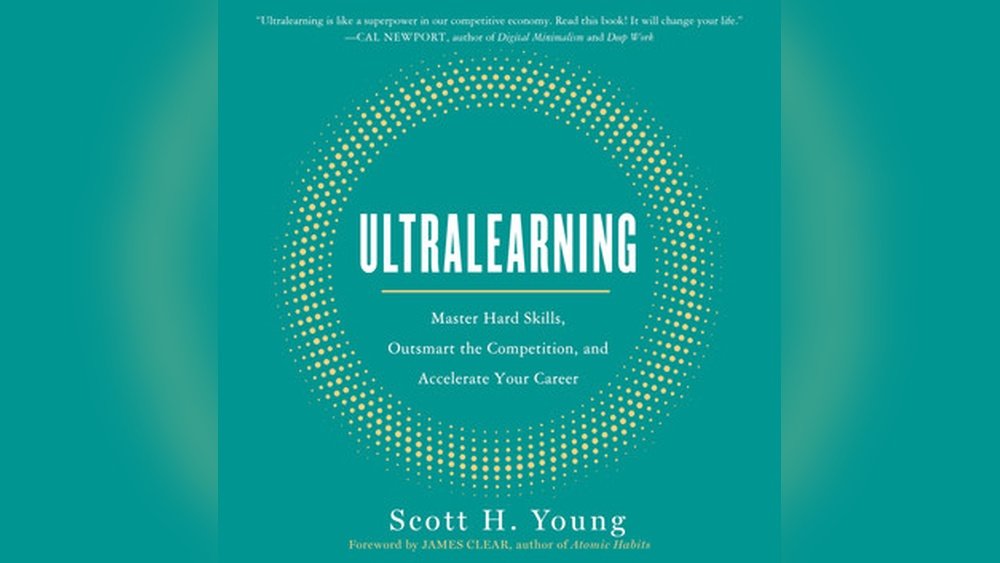
Ultralearning Audiobook — Can Scott Young’s Method Really Be Mastered by Listening?
Do you know that the average person spends over 17 hours per week listening to audio content—including podcasts and audiobooks? With this surge in listening, many want to know: can you truly master complex skills just by listening to an audiobook? Scott Young’s Ultralearning method, known for its aggressive, self-directed learning strategy, has inspired thousands to tackle tough subjects head-on. But does simply listening to the Ultralearning audiobook give you the same edge as reading or practicing the method?
Get 1 Free Audiobook To Keep
Start a 30-day free trial and pick any title from 700,000+ audiobooks. Your first book is yours forever, even if you cancel immediately.
This article examines whether you can master Ultralearning principles through audio alone. We’ll explore the science behind listening for deep learning, break down Young’s key strategies, and share actionable tips to make the most of the audiobook format. If you want to supercharge your skills using just your ears, this guide is for you.
The Ultralearning Method: A Quick Overview
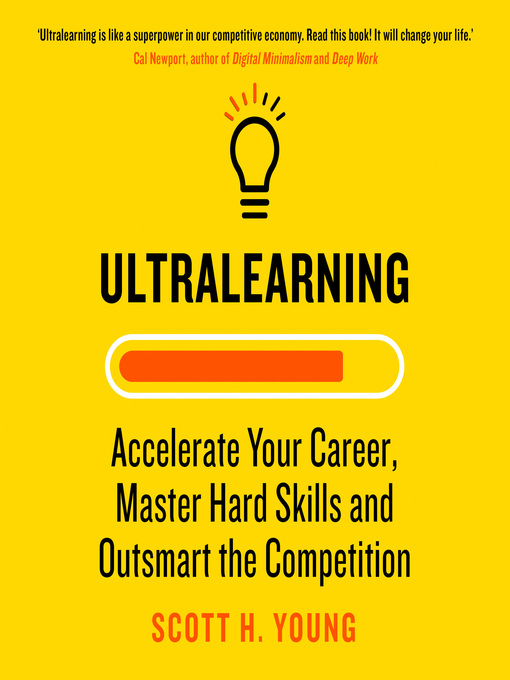
Scott Young’s Ultralearning is more than a study plan—it’s a philosophy. The method encourages aggressive self-education, rapid skill acquisition, and tackling ambitious projects on your own. People have used Ultralearning to learn new languages in months, complete MIT computer science courses in a year, or master drawing from scratch.
Young’s method is built on nine principles:
- Metalearning: Map what you need to learn before you start.
- Focus: Remove distractions and concentrate deeply.
- Directness: Practice in the real context.
- Drill: Isolate weaknesses and attack them directly.
- Retrieval: Test yourself instead of reviewing passively.
- Feedback: Get clear, fast feedback on your performance.
- Retention: Don’t just learn—remember.
- Intuition: Build a deep understanding, not just facts.
- Experimentation: Try new ways and tweak your approach.
Understanding these principles is just the start. Applying them in real life takes more effort and, often, more than just passive listening.
Listening Vs. Active Learning: What The Science Says
Many people turn to audiobooks for their convenience. You can listen while commuting, exercising, or doing chores. But does this passive learning approach help you truly master complex ideas?
A 2019 study by the University of California, Berkeley found that people retain about 25-30% less information from audio than from reading or writing. Why? Because listening is easier to do passively. Your mind can wander, and you don’t interact with the material as deeply.
Here’s a quick comparison:
| Learning Mode | Retention Rate | Best For | Common Pitfalls |
|---|---|---|---|
| Reading (Text) | 50-60% | Deep understanding, note-taking | Slower, can be tiring |
| Listening (Audio) | 30-40% | Review, multitasking | Easy to tune out, passive |
| Active Practice | 75-90% | Skill mastery, memory | Time-consuming, effortful |
Insight: Listening is useful for exposing yourself to new ideas, but it’s rarely enough for mastery—especially with an action-heavy method like Ultralearning.
Tip: Combine listening with active note-taking or summarizing after each chapter. This can boost retention by up to 40%.
Can You Master Ultralearning By Listening Alone?
Let’s be direct: Listening alone won’t make you an ultralearner. Scott Young’s approach is about doing, not just understanding. The audiobook can inspire and clarify, but real results come from practice.
Where Audiobooks Shine
- Convenience: You can listen anywhere—driving, cooking, walking.
- Reinforcement: Useful for reviewing key concepts on the go.
- Motivation: Hearing Young’s stories and examples can push you to start.
Where Audiobooks Fall Short
- Lack of Interaction: You can’t highlight, annotate, or quickly revisit key sections.
- Passive Absorption: You might understand, but not remember or apply.
- No Practice: Listening doesn’t force you to do the exercises or challenges.
Non-obvious Insight: People often overestimate what they’ve learned from audio. The “illusion of knowledge” is real—just because you listened doesn’t mean you can do.
How To Turn Ultralearning Audiobook Into Real Results
If you want to get real value from Scott Young’s audiobook, you need a plan. Here’s how to use the Ultralearning audiobook for real transformation.
1. Listen Actively, Not Passively
Don’t just let the words wash over you. Pause and reflect after each principle. Ask yourself, “How can I use this in my own project? ” Use your phone’s voice memo app to record quick thoughts or questions.
2. Take Notes—even With Audio
You don’t need a notebook in your hand. Use the notes app on your phone, or pause and write down a key takeaway after each chapter. This simple act forces your brain to process and remember.
3. Create Your Own Ultralearning Project
The heart of Scott Young’s method is self-directed projects. After listening to the audiobook, pick a skill you want to master—coding, a new language, drawing, etc. Use the principles to design your own project.
Example: If you want to learn Spanish, don’t just listen to grammar rules. Set up daily speaking sessions, use flashcards for retrieval, and get feedback from native speakers.
4. Use The “two-pass” Approach
First, listen to the audiobook straight through for a big-picture view. Then, listen again—this time, pause after each principle and write down how you’ll apply it.
5. Join A Study Group Or Forum
Discuss the audiobook with others. Book clubs, Reddit forums, or dedicated study groups help you clarify ideas, share tips, and stay accountable.
Stat: According to a 2022 Pew Research Center survey, only 10% of audiobook listeners take active notes or discuss content, yet these people report double the retention rate.
Credit: www.audiobooksnow.com
The Nine Principles Of Ultralearning—applied For Listeners
To master Ultralearning, you must move from listening to doing. Here’s how each principle can be translated into action—even if you start with the audiobook.
| Principle | What to Listen For | How to Apply |
|---|---|---|
| Metalearning | Frameworks, study maps | Pause and sketch your own learning map |
| Focus | Stories of deep work | Set “no phone” listening sessions and practice focus |
| Directness | Real-world practice examples | Find ways to use the skill in real life |
| Drill | How to target weaknesses | List your own weak spots; create drills |
| Retrieval | Self-testing advice | Quiz yourself after listening |
| Feedback | Types of feedback | Find a mentor or peer for reviews |
| Retention | Memory techniques | Revisit main points weekly |
| Intuition | Understanding vs. memorizing | Ask “why” and “how” after each idea |
| Experimentation | Try, tweak, repeat | Test new methods and reflect on results |
Non-obvious Insight: Many audiobook fans listen at 1.5x speed or higher, but this reduces time for reflection and application. Slow down for the important chapters.
Common Mistakes When Using Audiobooks For Ultralearning
Mastering a skill with an audiobook requires more than just pressing play. These are the pitfalls you should avoid:
- Passive Listening: Treating the audiobook like background music.
- No Application: Failing to act on the advice or principles.
- Skipping Exercises: Not pausing to do the suggested drills or reflections.
- Multitasking: Trying to “learn” while distracted—your brain can’t focus deeply.
- Not Reviewing: Listening once, then moving on, without summarizing or reviewing.
Warning: Studies show that multitasking while listening can drop retention rates by 40% or more.
Do’s And Don’ts For Ultralearning Audiobook Success
To help you avoid common traps and get more from your listening experience, here’s a quick reference:
| Do | Don’t |
|---|---|
| Take notes after each chapter | Listen while distracted or tired |
| Pause and reflect regularly | Play at high speed without understanding |
| Apply one principle at a time | Try to memorize everything at once |
| Discuss ideas with others | Keep learning isolated |
| Review your notes weekly | Forget to revisit main concepts |
How Ultralearners Use Audio For Maximum Impact
Some of the best ultralearners use audiobooks as just one tool. Here’s what they do differently:
- Integrate, don’t isolate: They mix listening with active practice, reading, and teaching others.
- Set goals before listening: Instead of listening for entertainment, they have a clear project in mind.
- Use spaced repetition: They revisit the most important chapters and ideas over weeks or months.
- Apply immediately: Within 24 hours of learning a new principle, they try it out.
Example: After hearing the “Feedback” principle, an ultralearner might immediately ask a colleague for feedback on their latest project—not just think about it.
Ultralearning Audiobook Vs. Print Vs. Ebook
Is the audiobook really better? Here’s how the main formats stack up:
| Format | Pros | Cons | Best For |
|---|---|---|---|
| Audiobook | Portable, easy to fit into busy life, author narration adds context | Passive, harder to take notes, can’t skim or search easily | Learning on the go, reinforcement |
| Print Book | Easy annotation, high focus, good for deep study | Not as portable, slower to consume | Deep dives, building a reference library |
| eBook | Searchable, highlights, portable | Screen fatigue, less immersive than print | Quick reference, digital note-taking |
Pro tip: Many ultralearners use both audio and print. They listen first, then revisit key sections in text form for deep application.
Real-life Case: Can You Ultralearn From Audio?
Consider “Sam,” who wanted to learn data science using Ultralearning. He listened to the audiobook twice during his commutes but struggled to remember key ideas. After switching to a system where he:
- Wrote one takeaway per drive,
- Joined an online study group,
- Applied each principle to a real dataset,
…his retention and results improved dramatically. Sam’s story shows that application beats exposure every time.
Credit: nlb.overdrive.com
How To Build A Hybrid Ultralearning System
If you want to master Scott Young’s method, combine the strengths of audio and active learning:
- Set a clear project goal before you start listening.
- Use the audiobook for motivation and overview.
- Pause to summarize each chapter in your own words.
- Switch to print or eBook for chapters you want to master.
- Apply each principle to your project within 24 hours.
- Review your notes weekly and discuss with others.
This approach delivers the convenience of audio and the power of active practice.
When Audiobooks Are The Best Choice
There are times when the audiobook format shines:
- Reviewing material you already know.
- Learning while commuting or during activities where reading isn’t possible.
- Motivational boosts—hearing the author’s voice can be more inspiring.
- Language learning—pronunciation and listening skills improve with native audio.
But for first-time mastery, always add active steps for best results.

Credit: www.kobo.com
Resources For Ultralearning Success
To deepen your understanding, check out Scott Young’s official site, ultralearning.com, or read peer reviews on platforms like Goodreads. For more on the science of learning, the research collected by the Association for Psychological Science is highly useful.
Frequently Asked Questions
How Long Does It Take To Finish The Ultralearning Audiobook?
The Ultralearning audiobook is about 9 hours long. Most listeners finish it in a week if they listen for about 1–1.5 hours per day. For best results, plan extra time to pause, reflect, and take notes after each chapter.
Is The Ultralearning Method Effective For Any Skill?
Yes, Scott Young’s method has been used for everything from programming to art to language learning. The key is to design a self-directed project with clear goals, feedback, and focused practice. However, for highly physical skills (like sports), audio alone is not enough.
What’s Better: Listening To The Audiobook Or Reading The Print Version?
Both have strengths. Audiobooks are great for exposure and motivation, especially on the go. Print and eBooks are better for deep study, note-taking, and easy reference. Many successful ultralearners use both formats together.
Can I Use Ultralearning For Career Advancement?
Absolutely. Many professionals use Ultralearning to quickly master new tools, adapt to industry changes, or prepare for promotions. The principles—focus, feedback, direct practice—are designed for real-world application.
Where Can I Find More Resources To Support My Ultralearning Journey?
Scott Young’s own website, ultralearning.com, offers case studies, project ideas, and updates. For more on learning science, see APA’s guide to effective learning.
Ultralearning through audiobooks is a powerful starting point, but mastery comes from action. Use the audiobook as your launchpad—then step boldly into practice. That’s the true path to becoming an ultralearner.